

Turkish food culture: the rituals behind the food
The rituals behind the eating: çay and coffee, the rakı table, the lokantas and markets, and the unwritten rules. Each section below goes deeper.
Çay and coffee: the two ceremonies
Tea all day, coffee as ceremony: how the two national drinks are served and drunk.
-
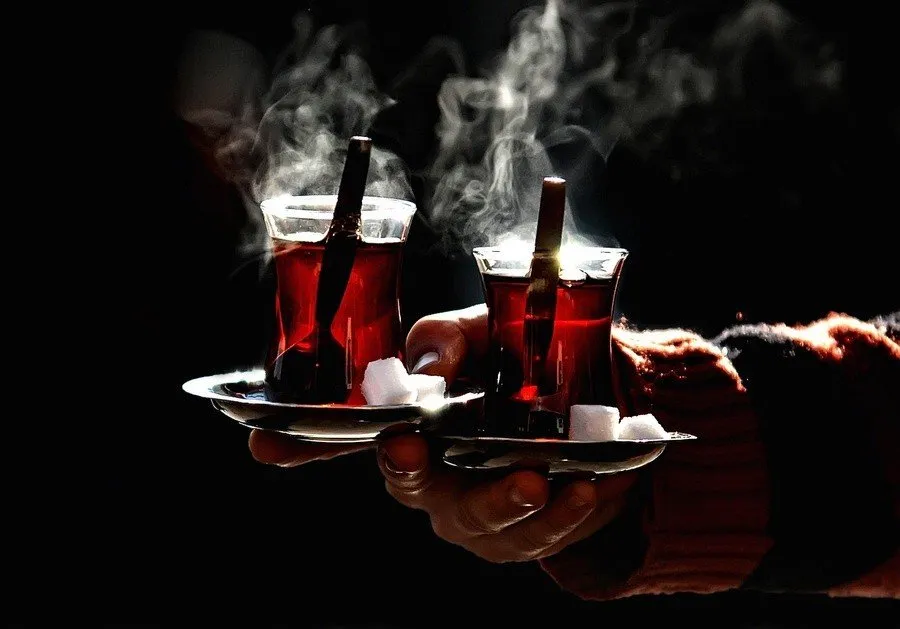 How to Make Turkish Tea The çaydanlık double-pot method, step by step.
 -
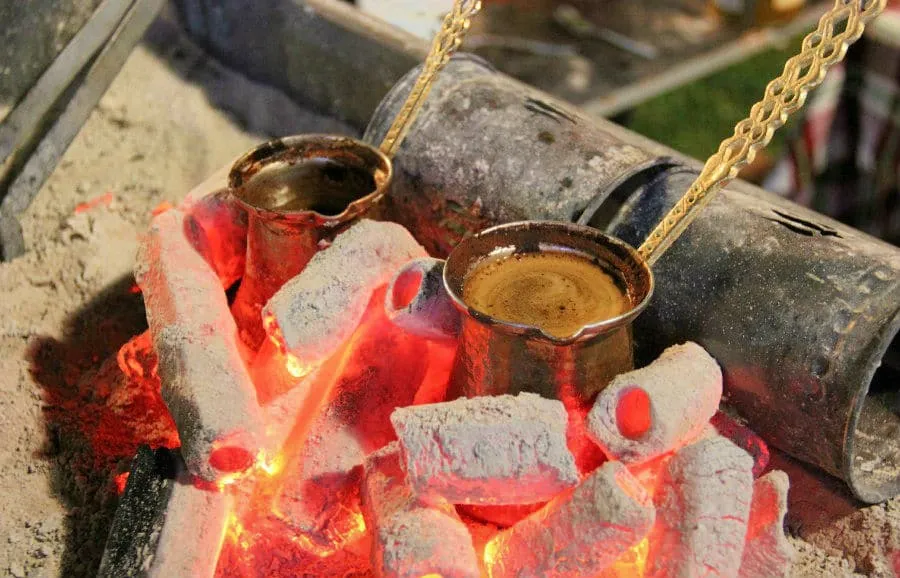 Best Turkish Coffee in Istanbul How to order it, how sweet, and where it is done right.
 -
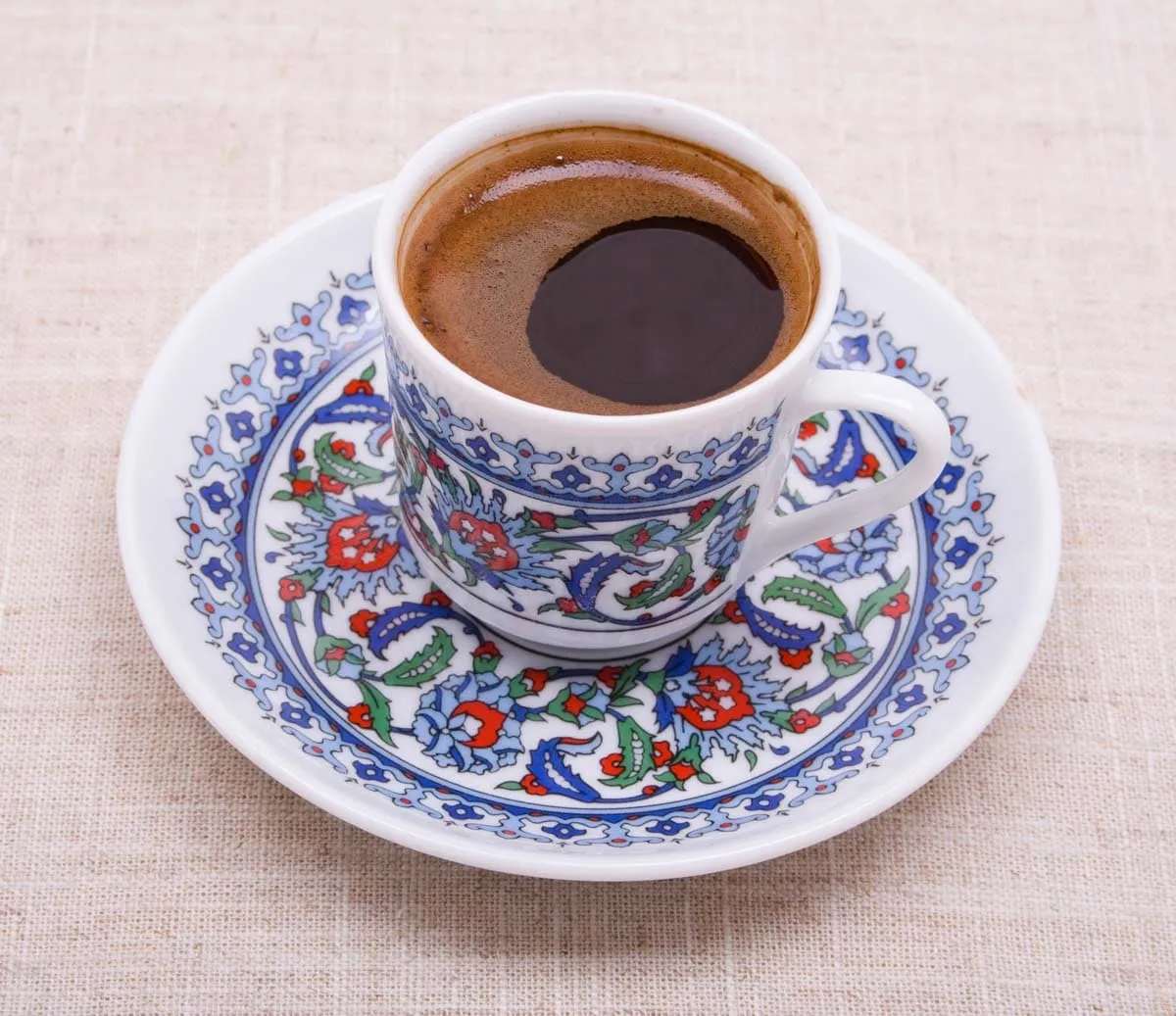 How to Make Turkish Coffee The cezve, the foam, and the slow heat that makes it work.
 -
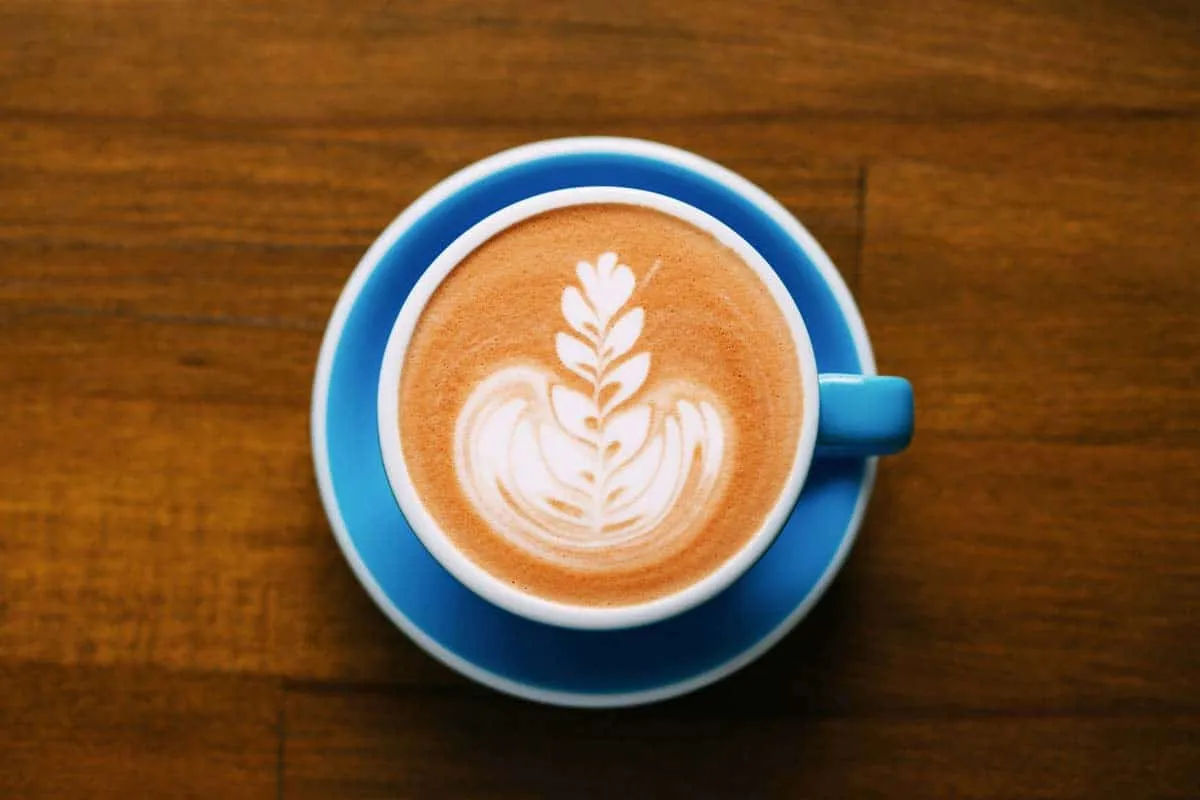 13 Best Cafés in Istanbul Single-origin roasters and espresso bars, the city's third wave since 2012.
The rakı table: how a meyhane evening unfolds
The meyhane evening, from the first meze to the last glass.
-
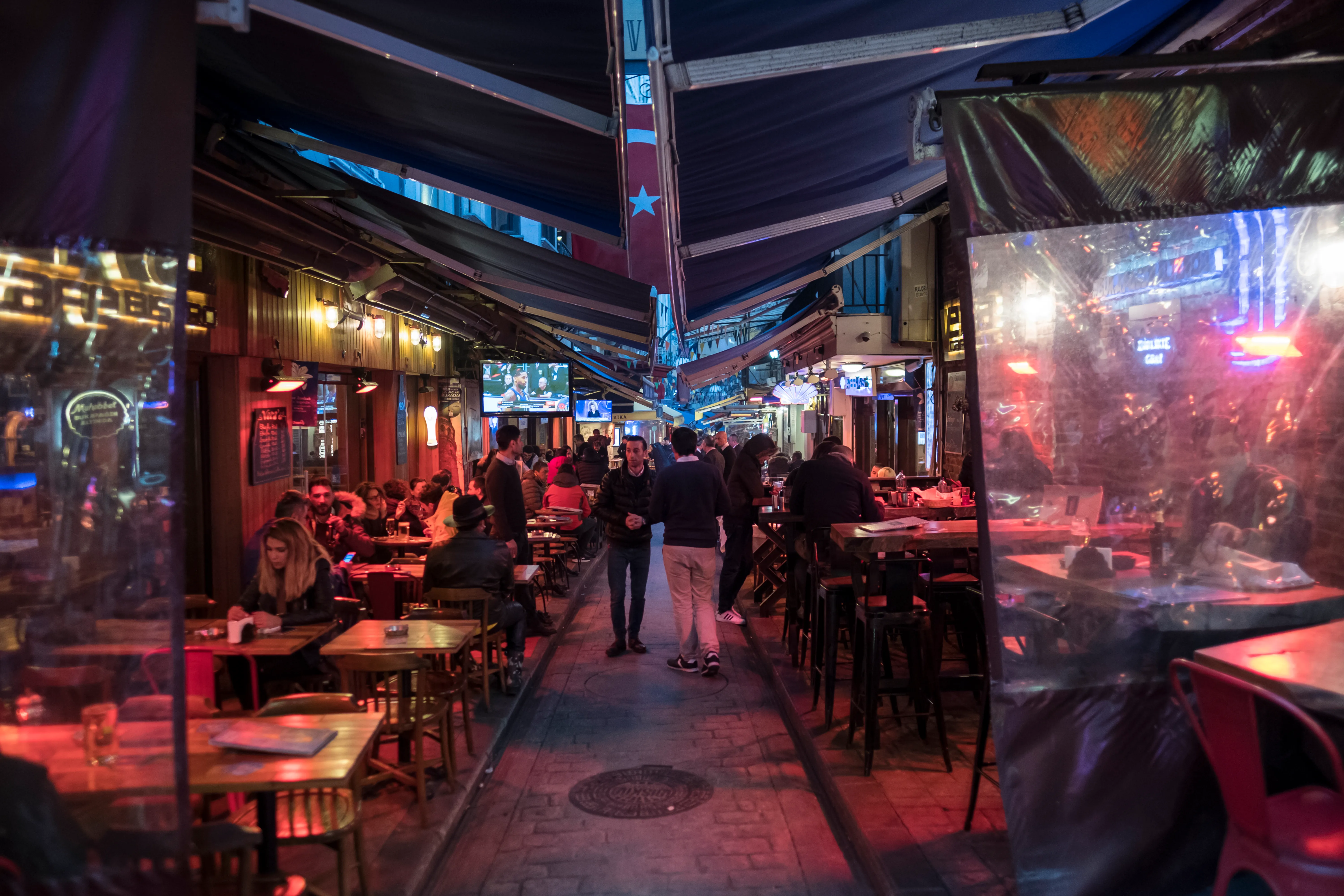 The Istanbul Meyhane: How a Rakı Night Unfolds How to choose the table, order in rounds, pace the rakı, and understand the evening.
 -
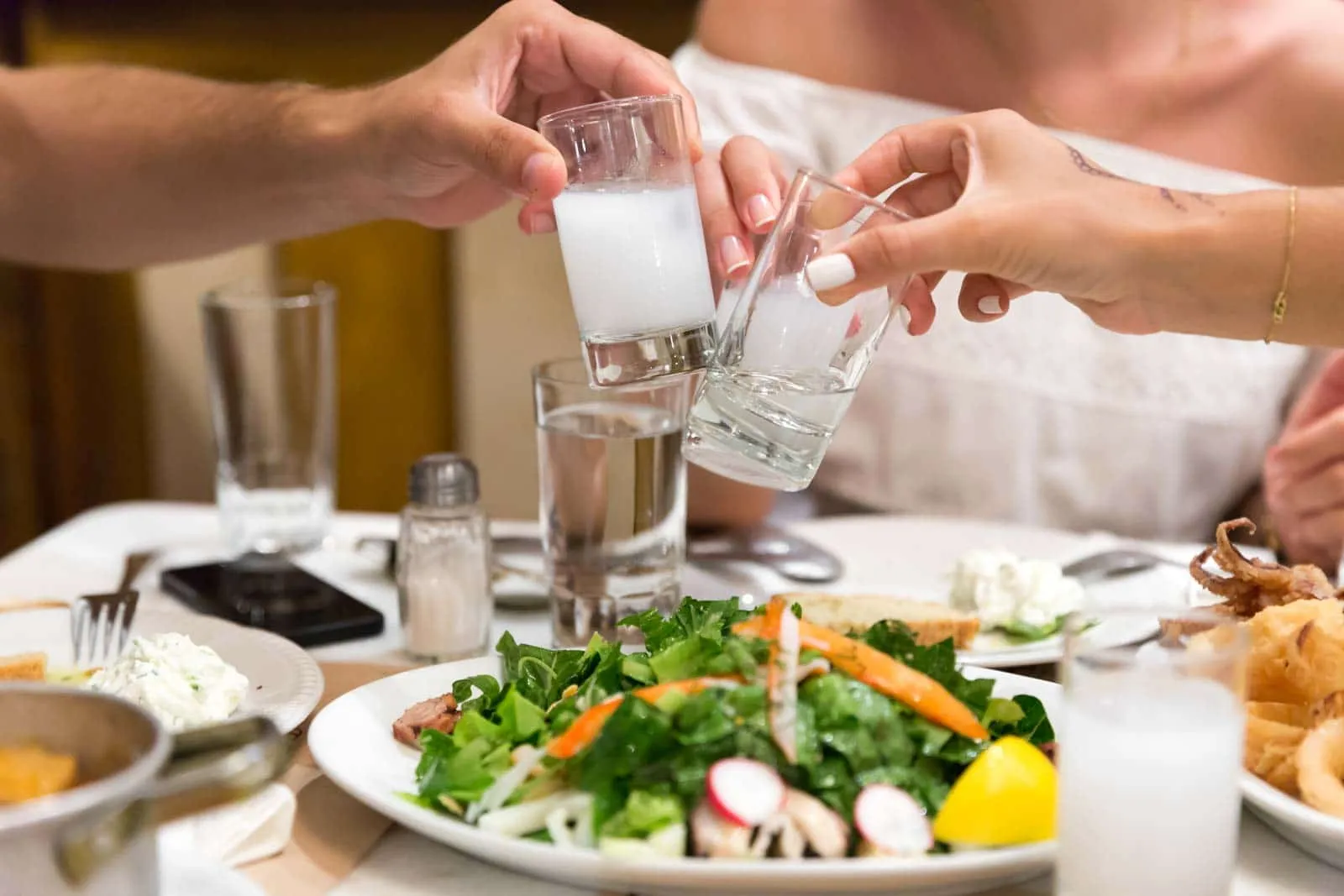 Turkish Rakı: A Beginner's Guide The lion's milk ritual: dilution, pacing, companions.
 -
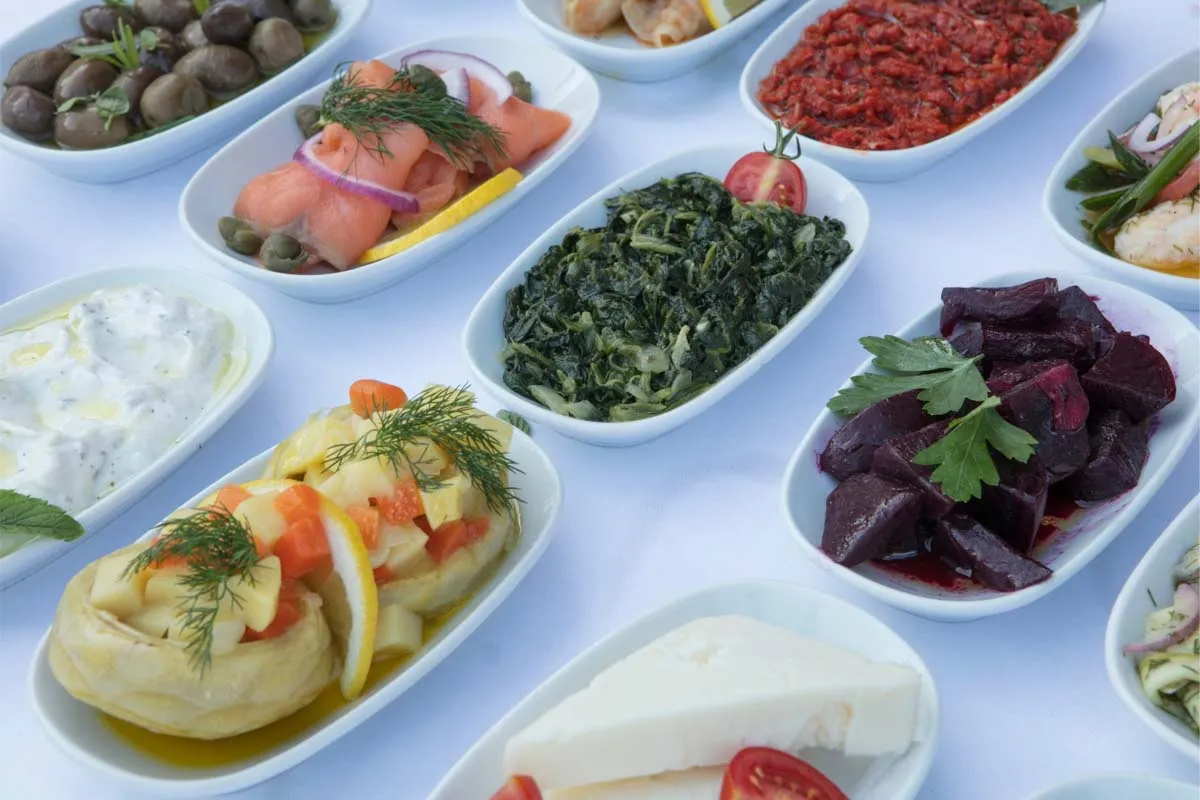 12 Most Delicious Turkish Mezes The cold and hot plates that build the table.
 -
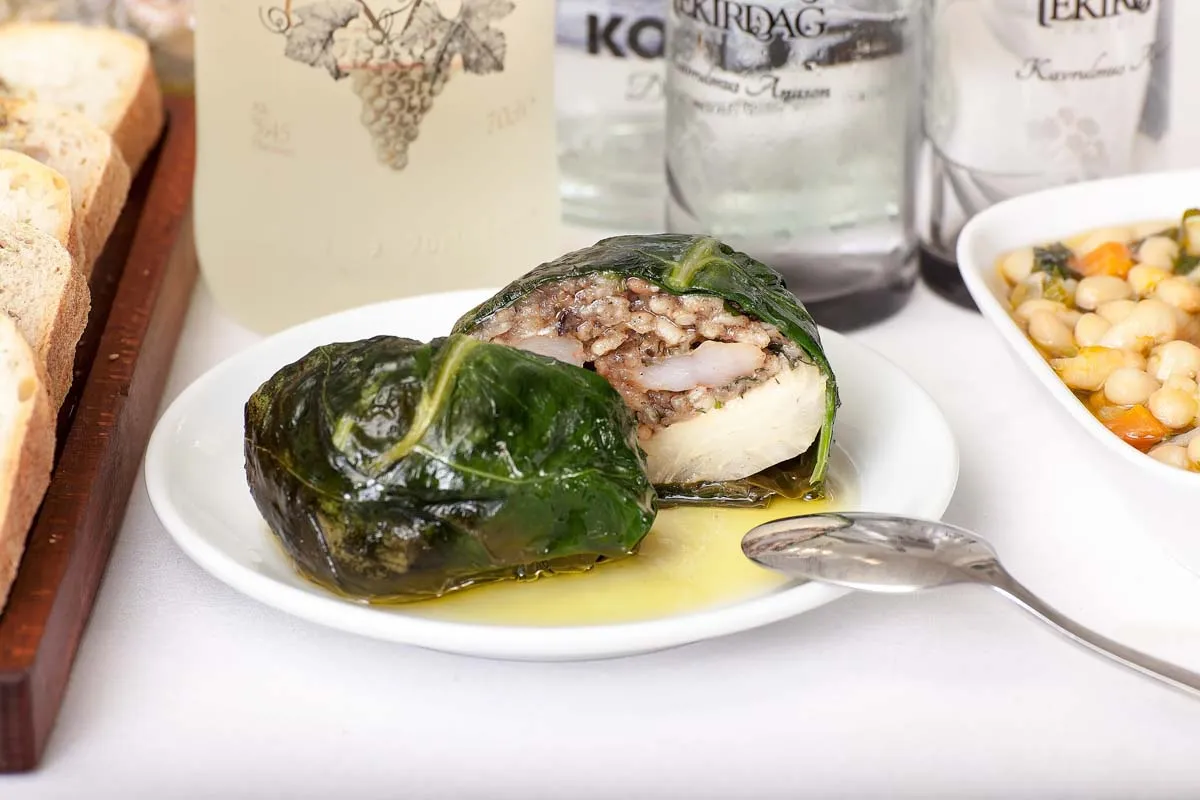 10 Istanbul Meze Restaurants Where to have the meyhane evening.
 -
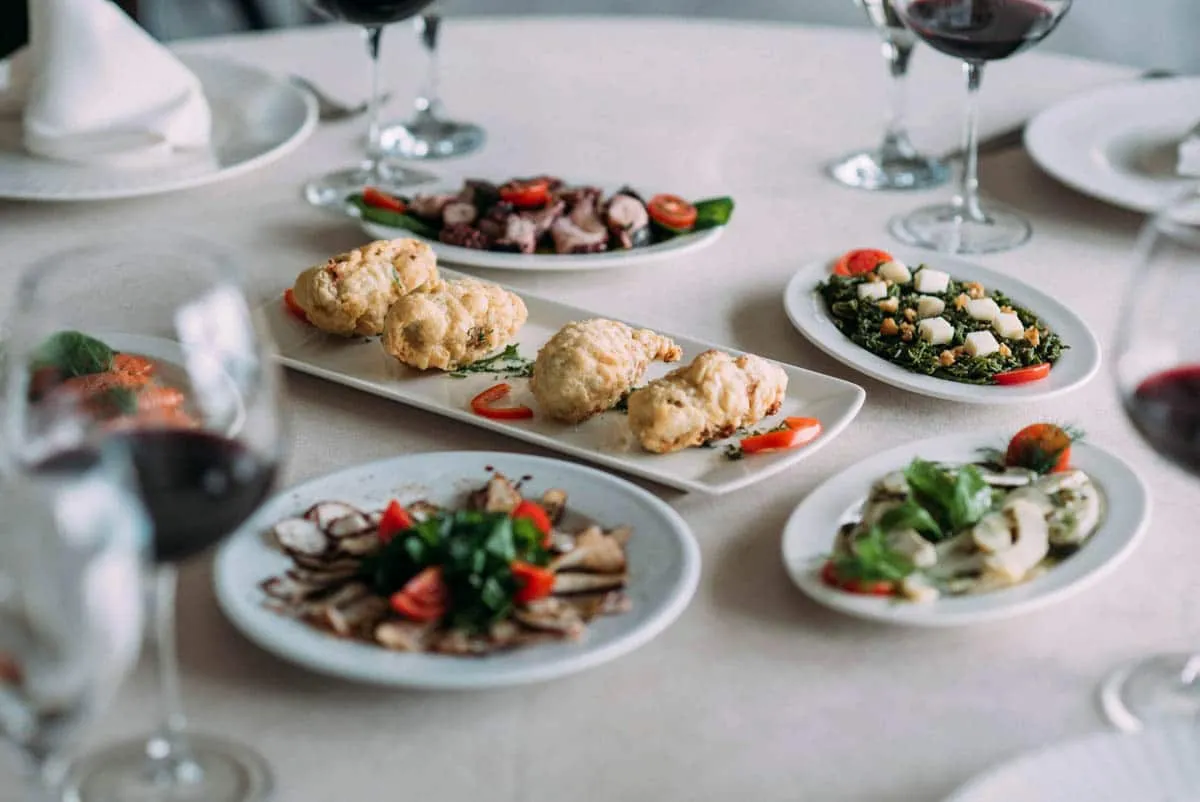 Best Seafood Restaurants For the fish course that ends a proper rakı night.
The institutions: where the city actually eats
The esnaf lokantası, the ocakbaşı, the muhallebici and the markets: the rooms the city actually eats in.
-
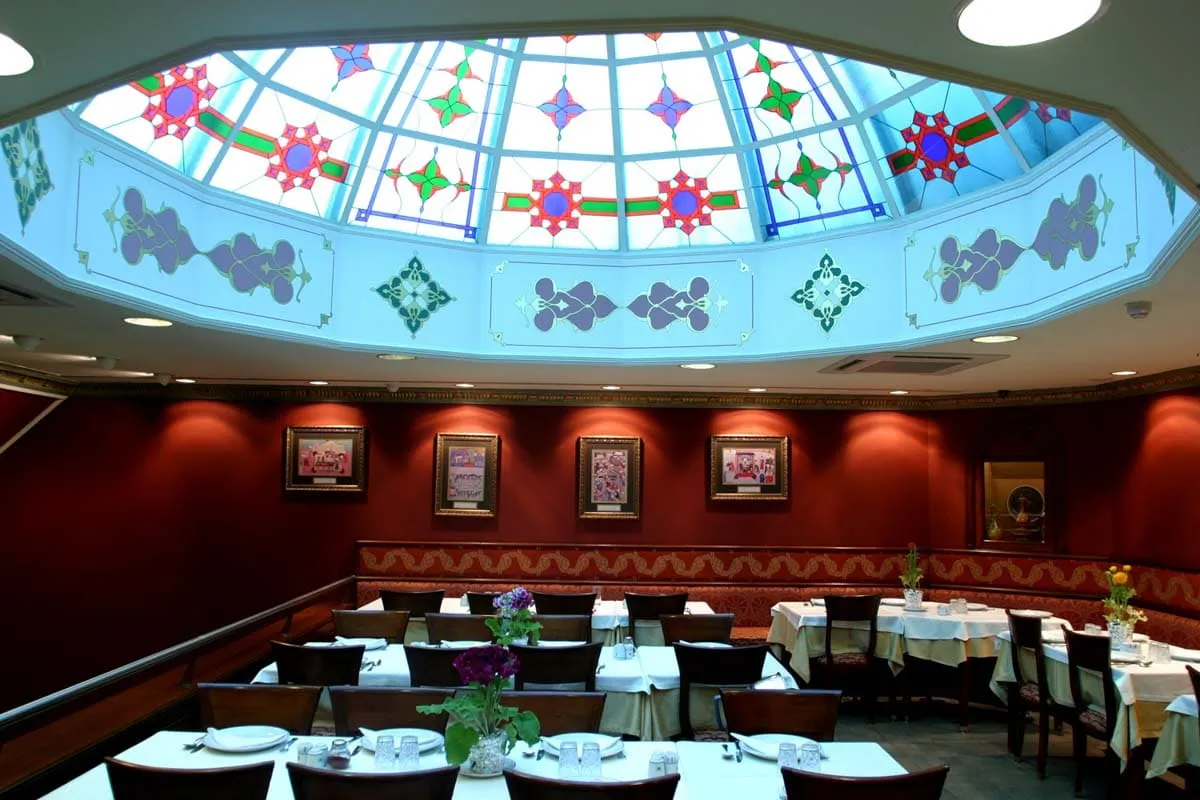 The Oldest Restaurants in Istanbul Rooms that have survived a century or more, and what to order in them.
 -
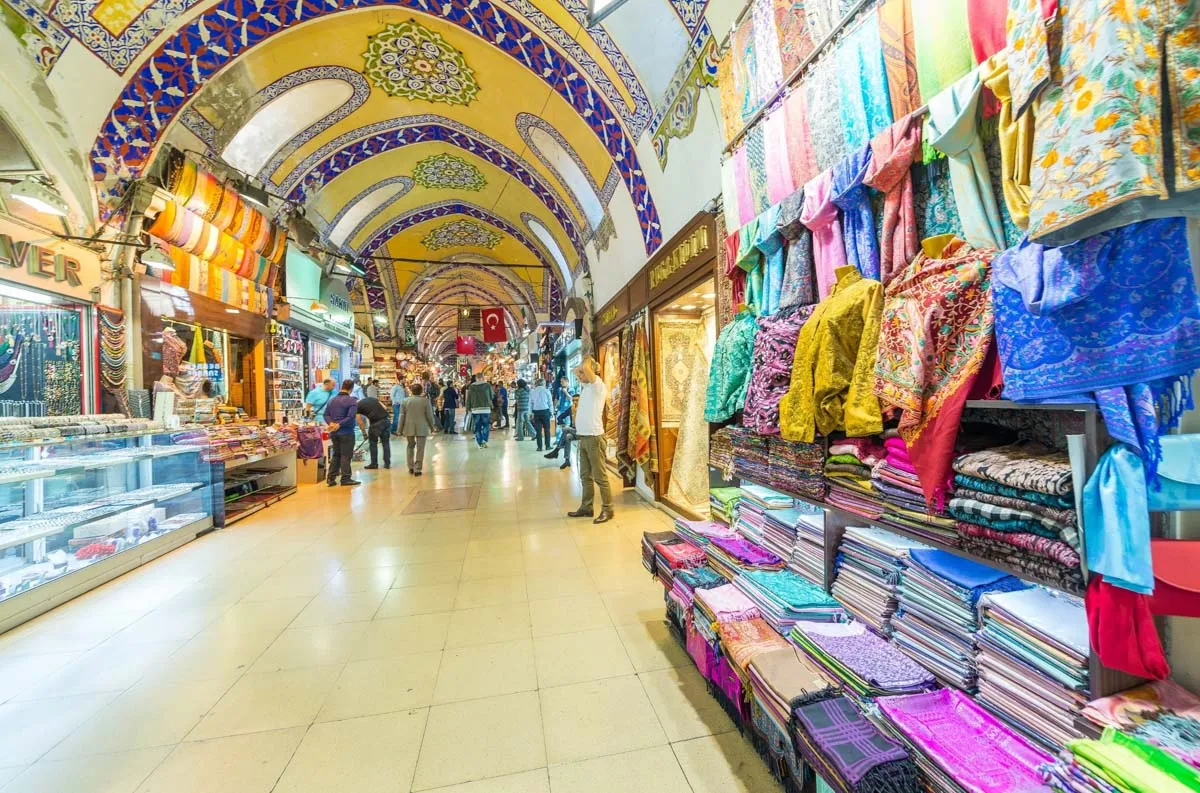 Istanbul's Markets and Bazaars The market culture the whole food chain starts from.
 -
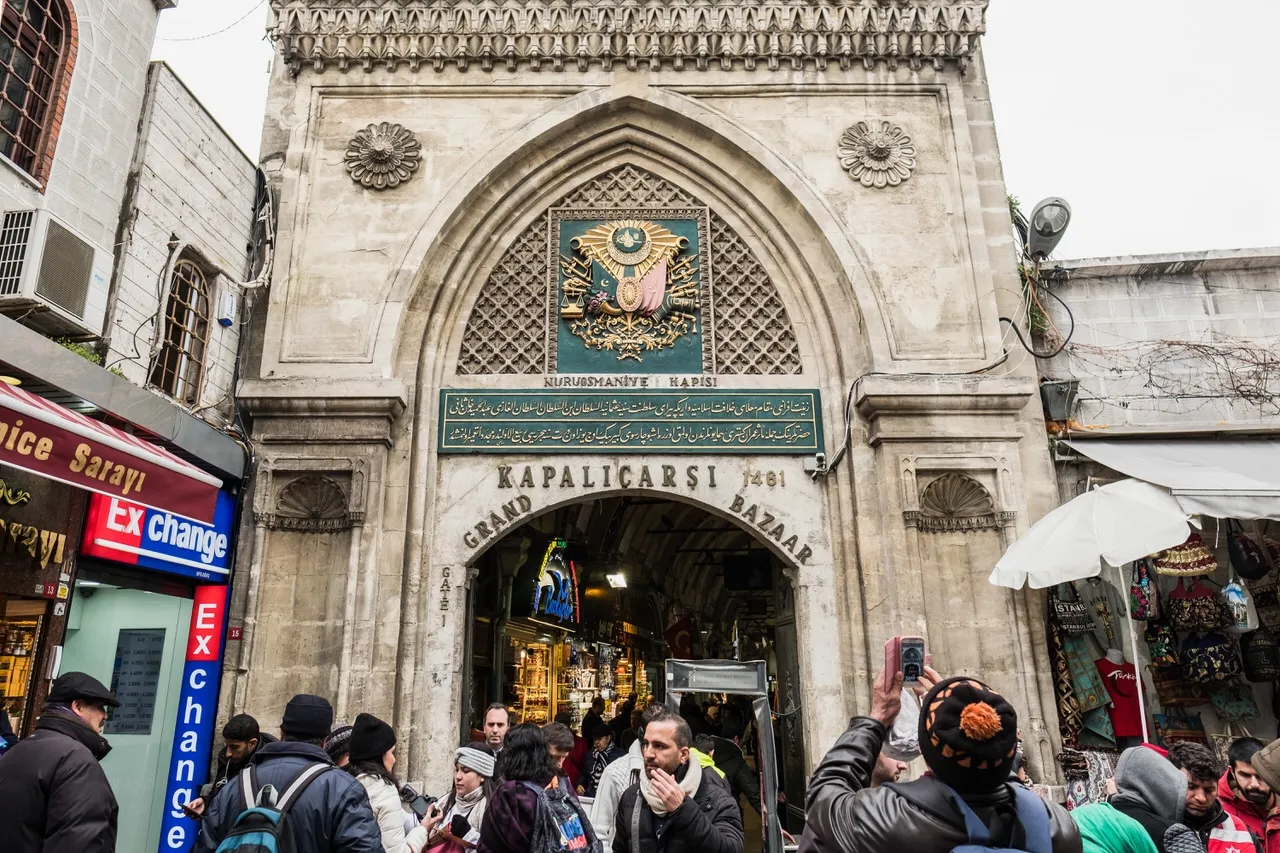 The Grand Bazaar Guide How the 1461 covered market actually works.
 -
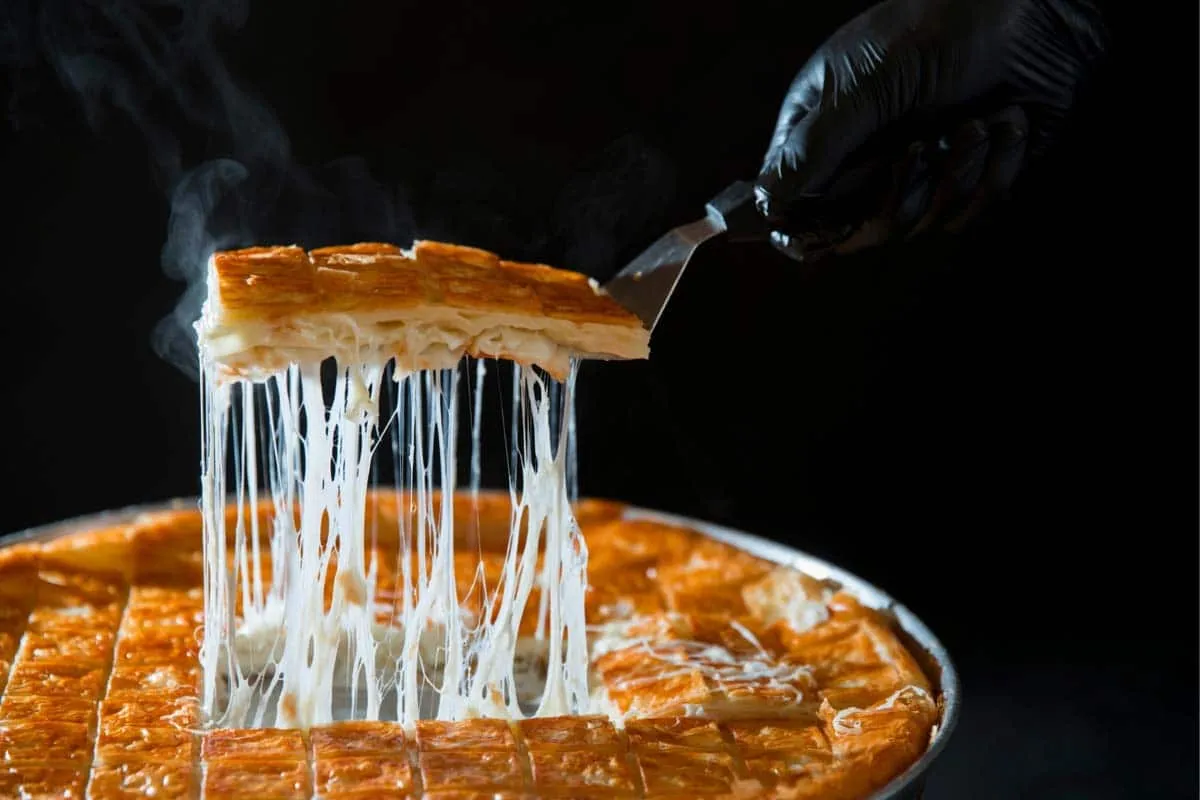 20 Best Turkish Street Foods The standing-up institutions: carts, counters, and codes.
 -
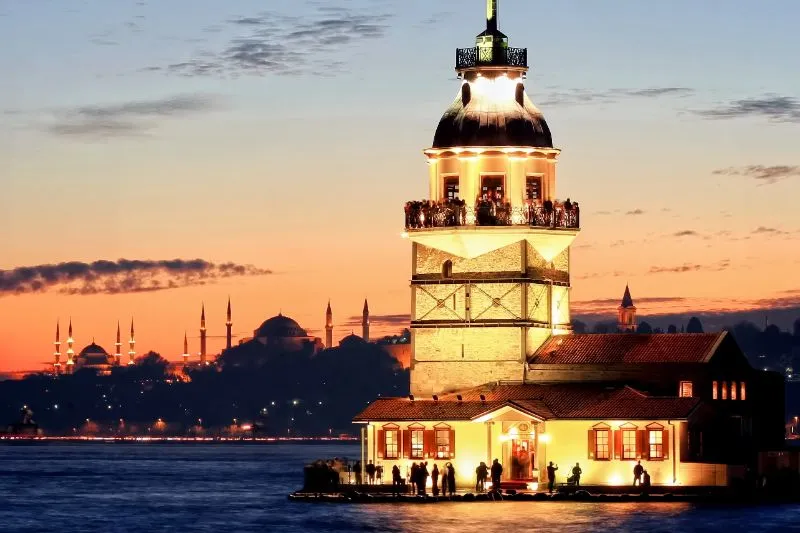 Istanbul After Dark: Late-Night Eating What the city eats after midnight, and which counters never close.
 -
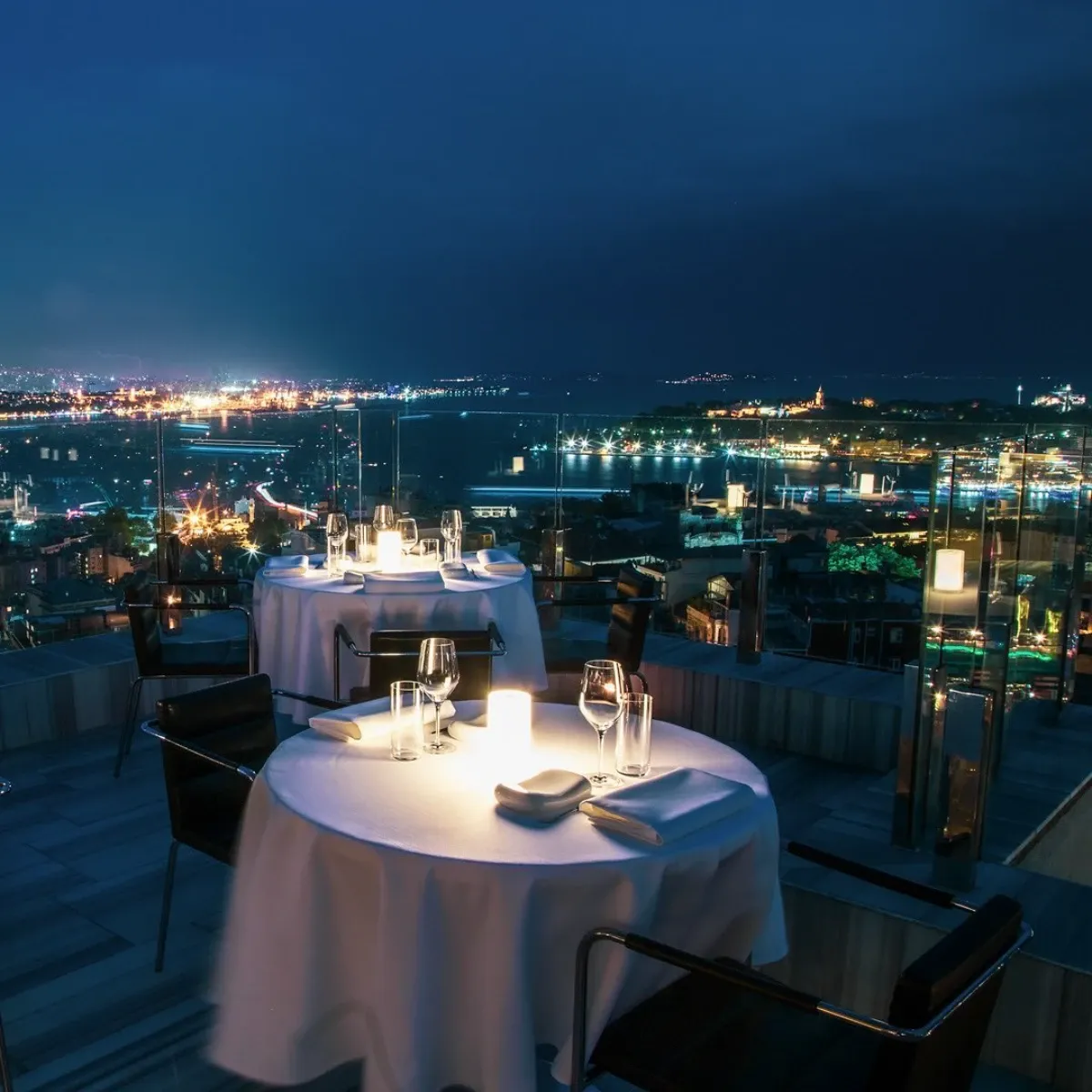 The Best Restaurants in Istanbul The venue-by-venue companion to this page: our current picks, from meyhanes to fine dining.
 -
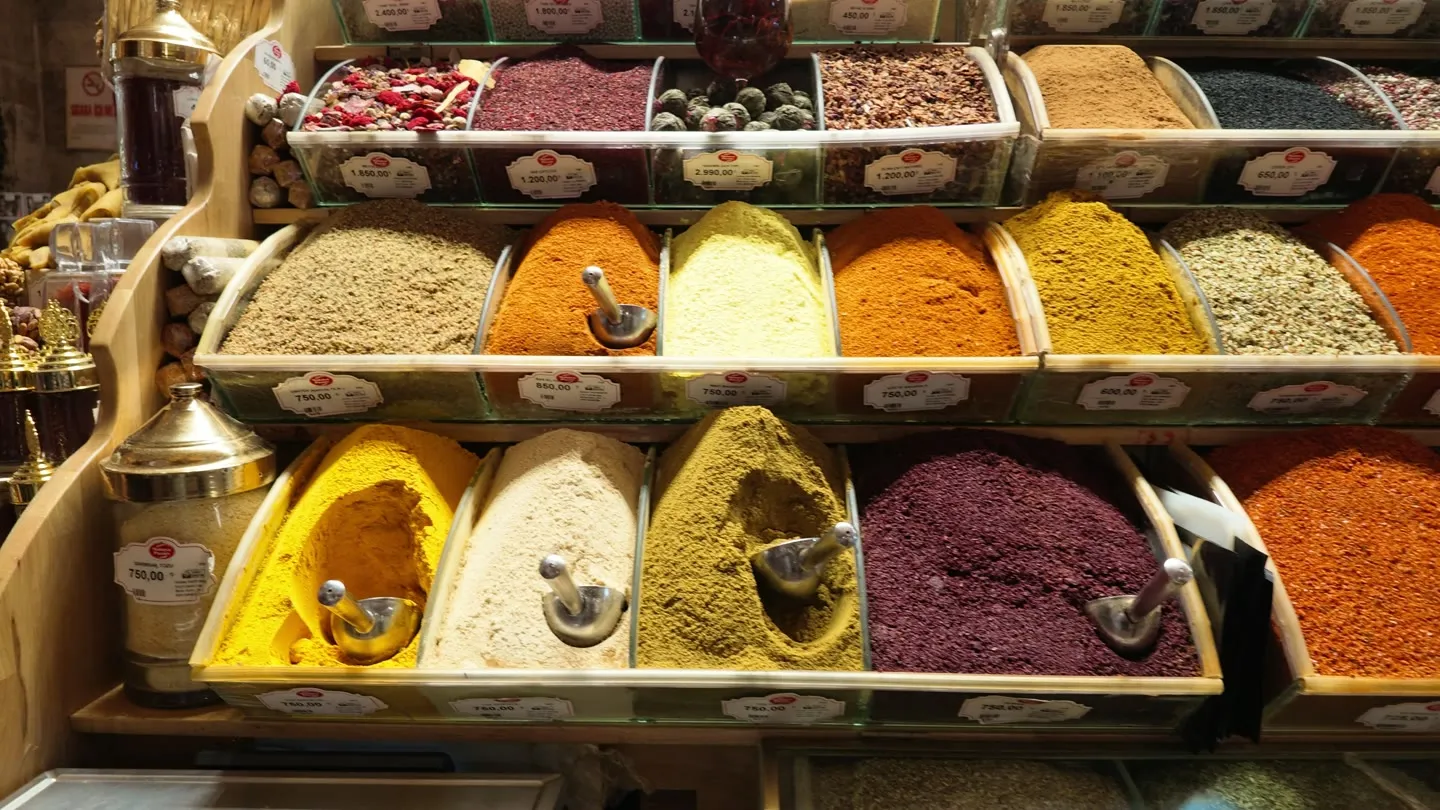 What to Buy in Istanbul The buying side of the same institutions: spices, lokum, copper and knives, and which street sells them honestly.
 -
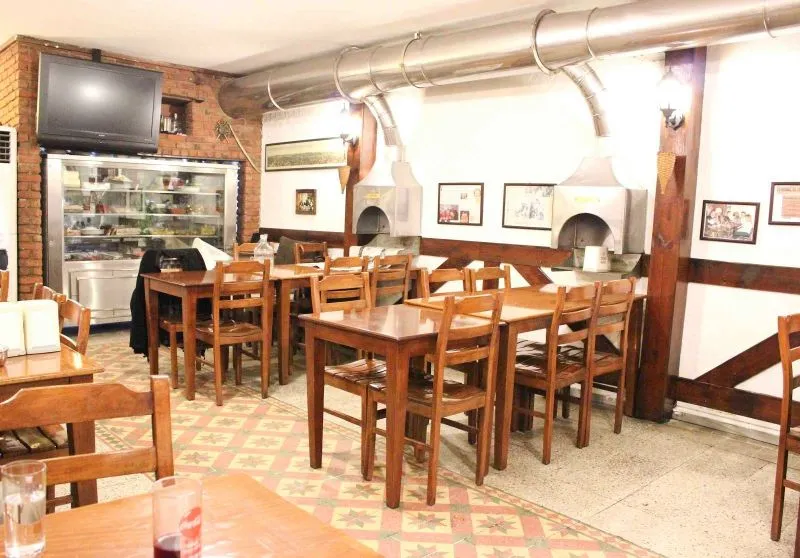 14 Authentically Local Restaurants The tradesman lokantas, meyhanes and soup shops where locals outnumber visitors.
 -
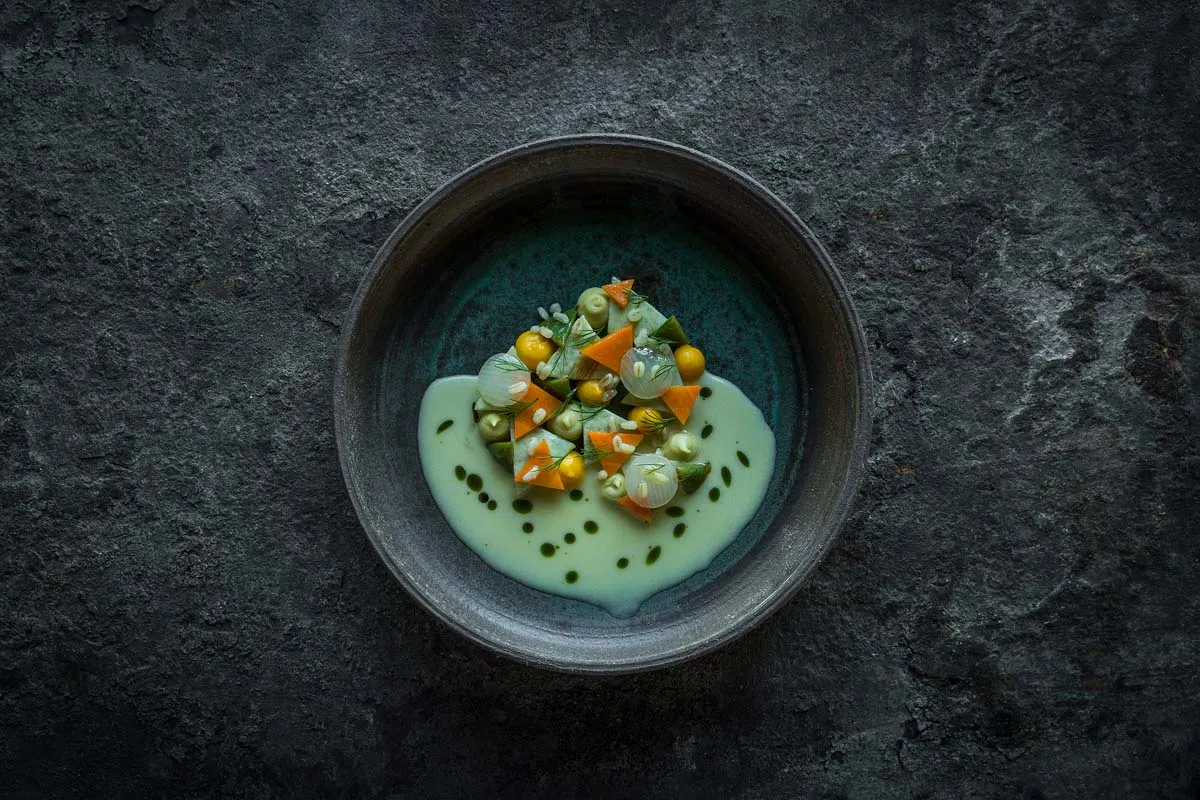 Celebrity Turkish Chefs The modern end of the institution: 13 chef-driven rooms, from Çiya to two Michelin stars.
The drinks: çay to rakı to Turkish wine
The rest of the glass: ayran, boza and salep, Turkish wine, and the beer in every fridge.
-
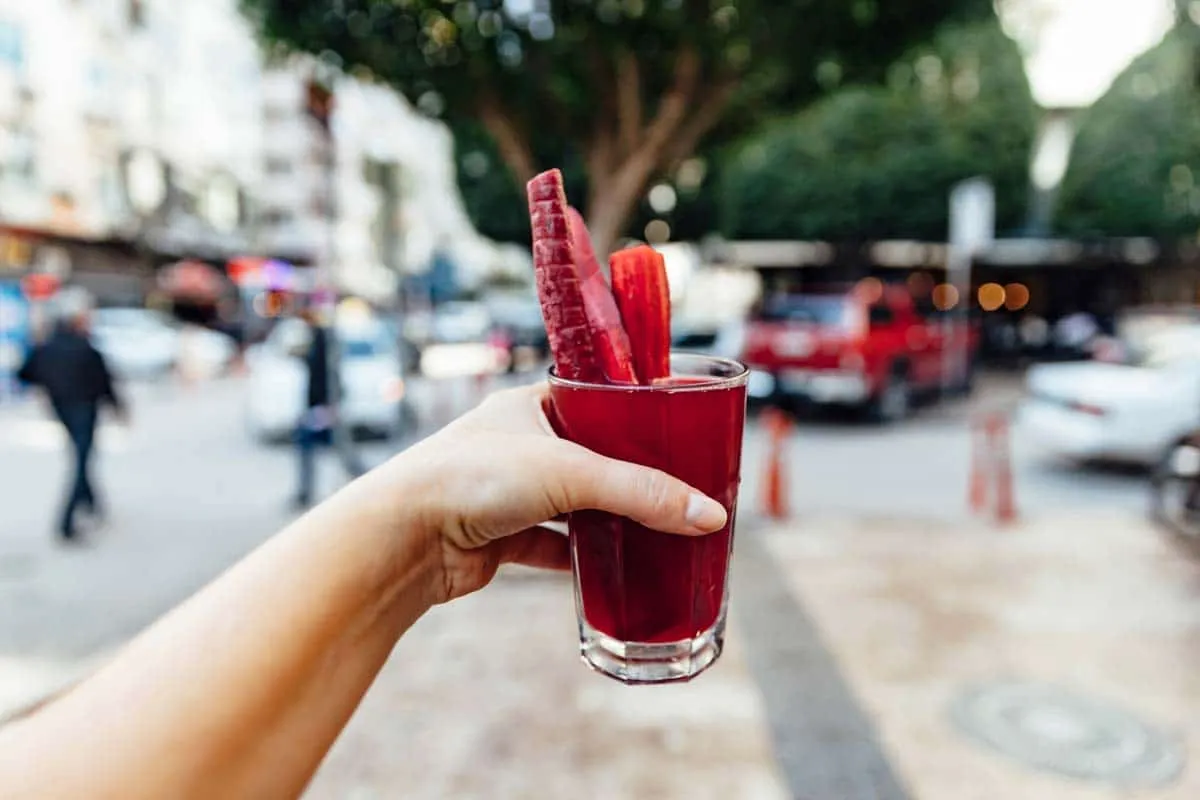 Turkish Drinks: 10 Popular Beverages The full list, from tea and ayran to boza and salep, and when Turks drink each one.
 -
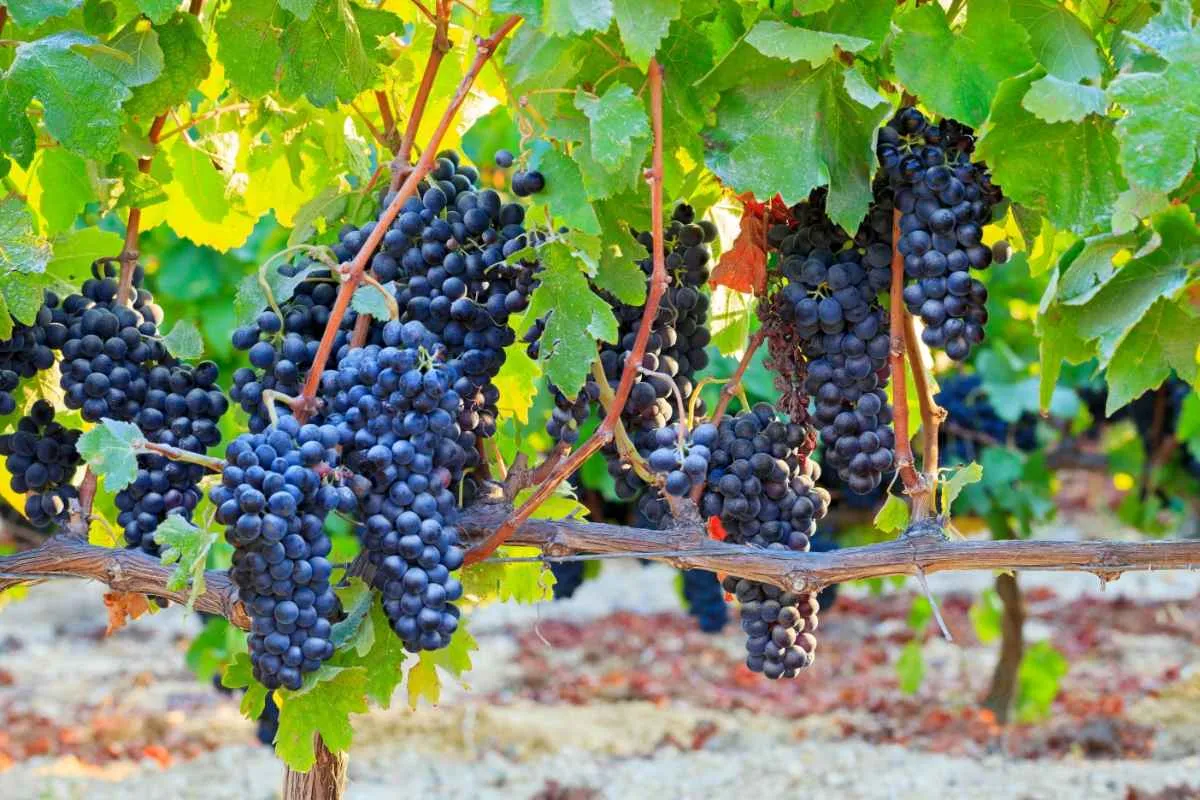 The 10 Best Turkish Wines Native grapes, the regions behind them, and which bottle to order.
 -
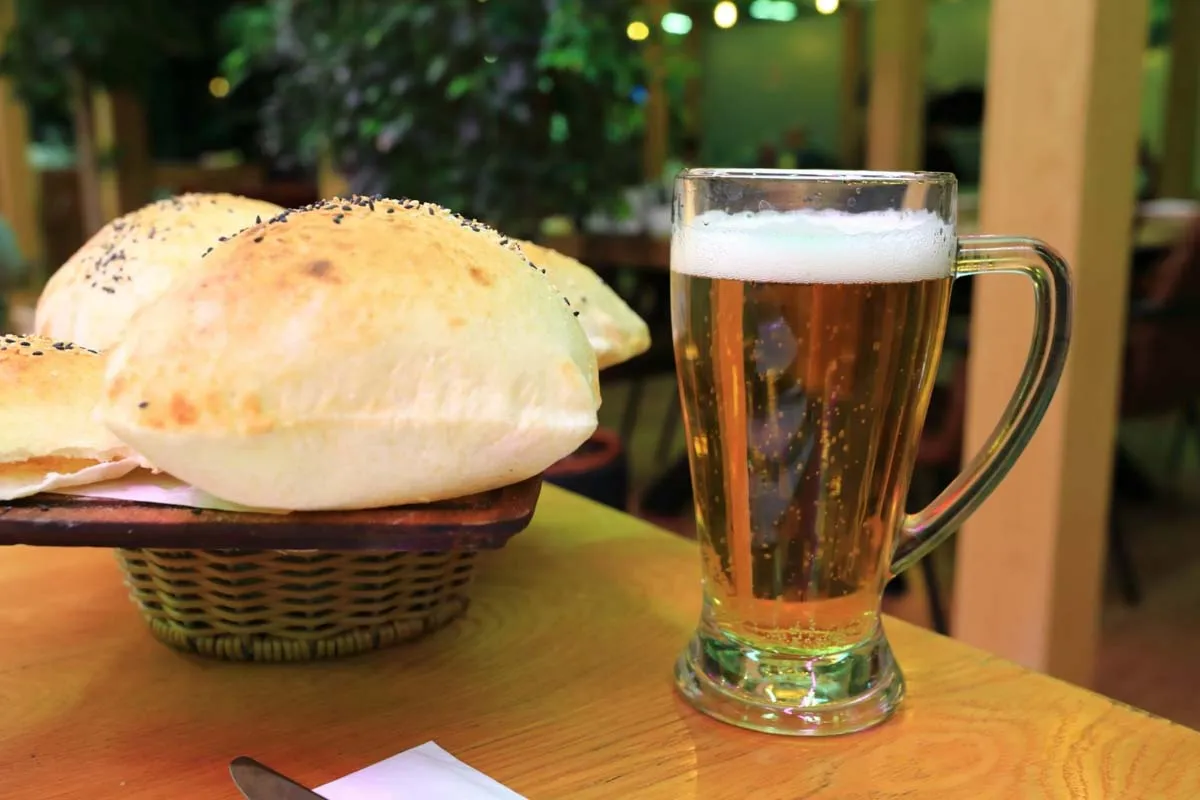 Turkish Beers, From Efes to Craft The four big brands and ten craft breweries, and what to order in an Istanbul bar.
The Ottoman inheritance
The palace-kitchen roots of what Istanbul still cooks.
-
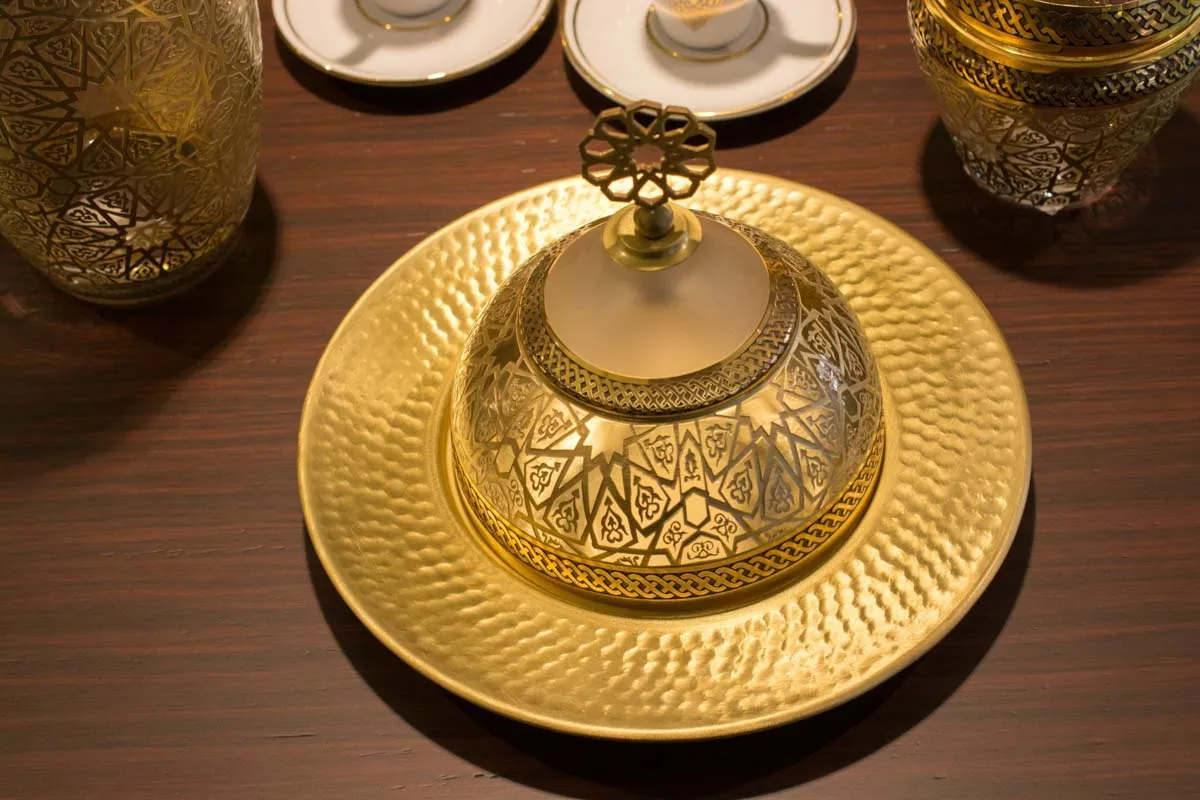 Ottoman Foods, Explained The dishes that came down from the palace kitchens.
 -
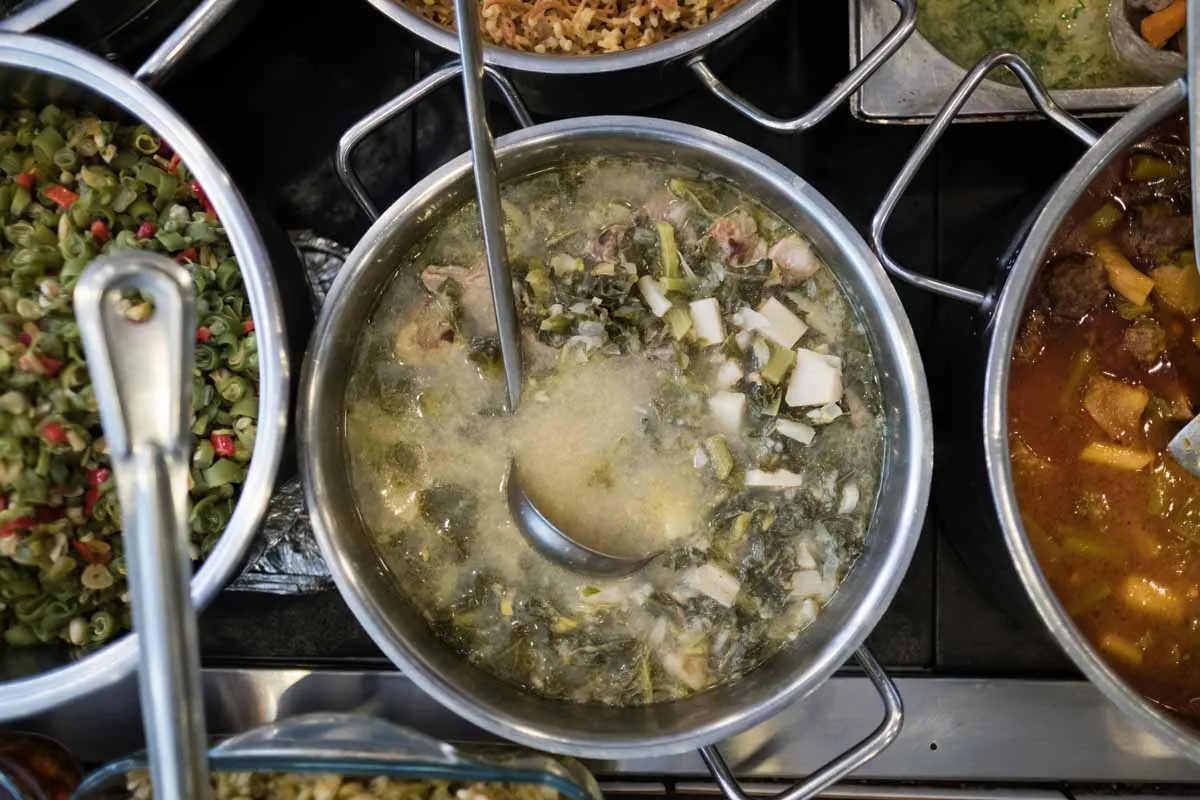 Turkish Cuisine: The Full Picture Regions, history, and the defining dishes.
 -
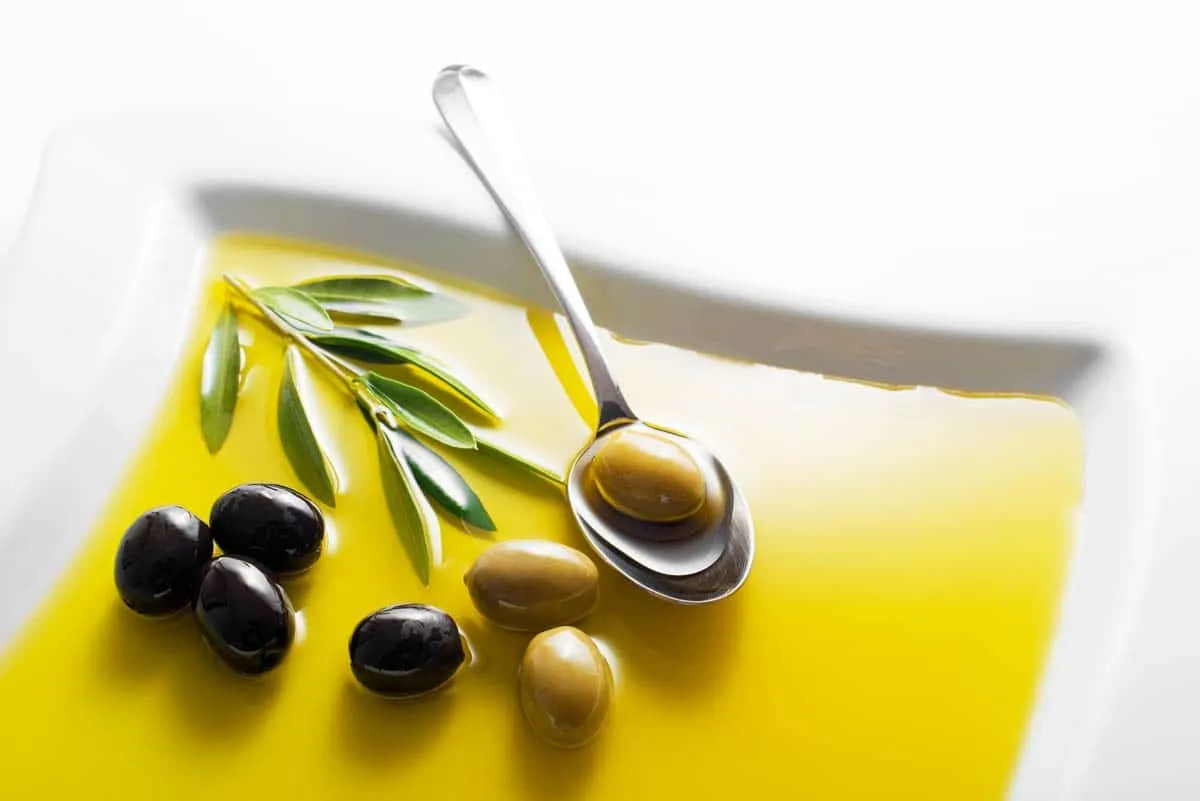 Zeytinyağlı: The Olive-Oil Tradition The cold vegetable canon with palace and Aegean roots.
 -
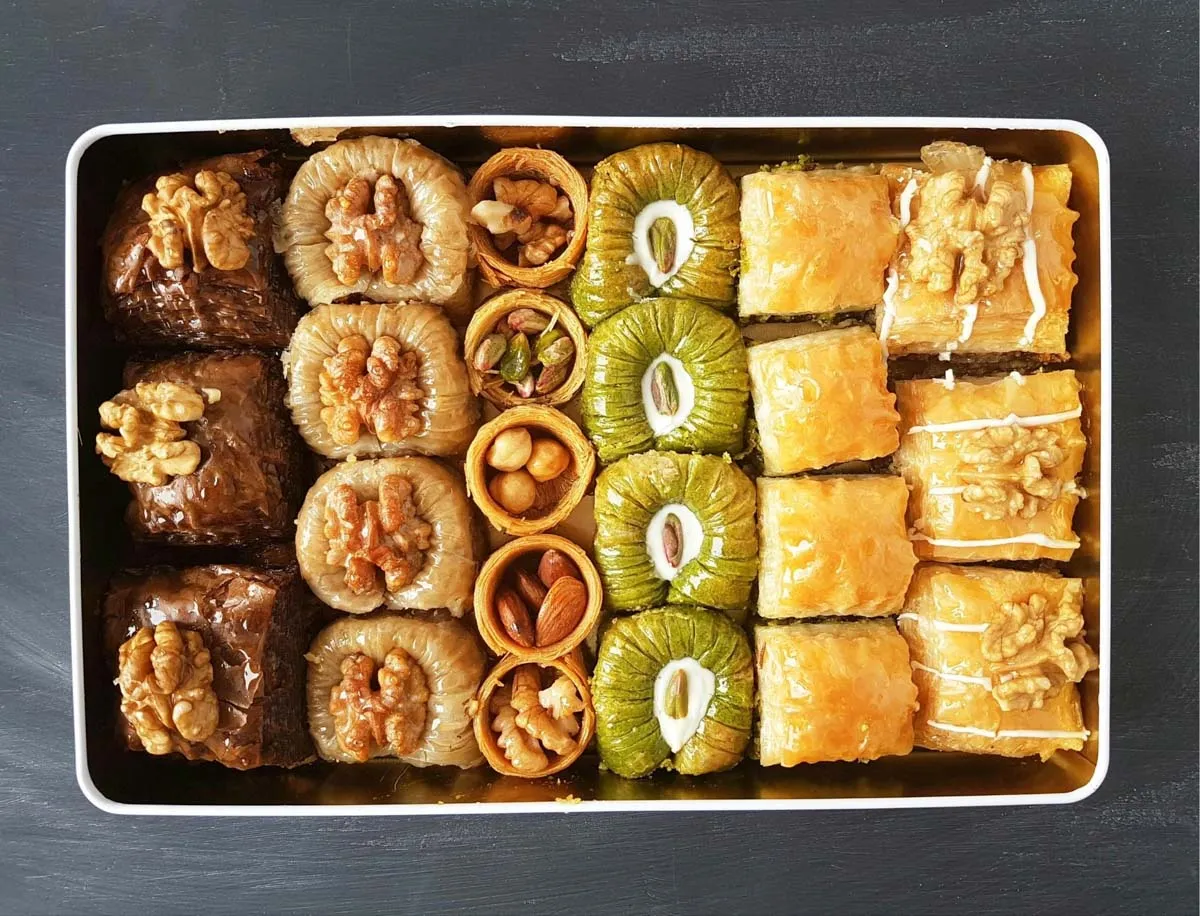 Every Type of Baklava The palace sweet that became the national one.
Beyond Istanbul: eating across Türkiye
The country behind the city: markets and restaurants worth traveling for across Türkiye.
-
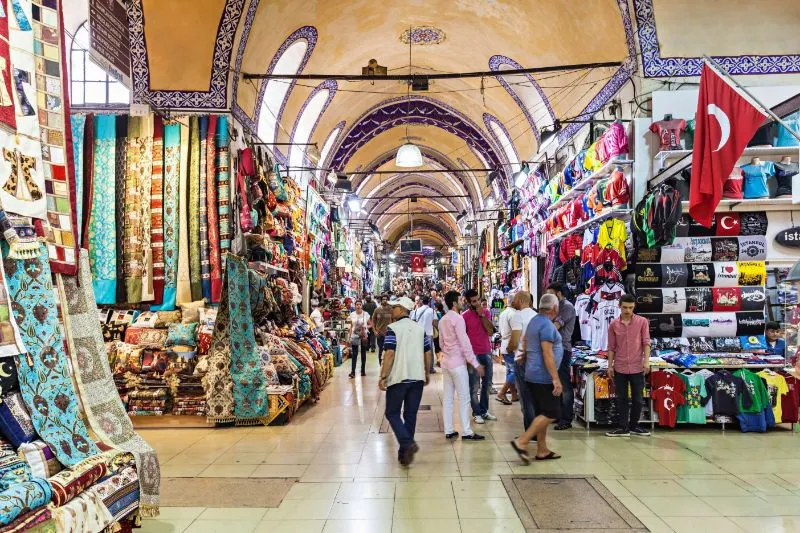 14 Best Bazaars and Markets in Türkiye From the Grand Bazaar to Gaziantep's coppersmith rows and Bursa's silk-hall Koza Han.
 -
 The 14 Best Restaurants in Türkiye Two-Michelin-star Istanbul dining rooms to Gaziantep kebab houses, with the dish to order at each.
 -
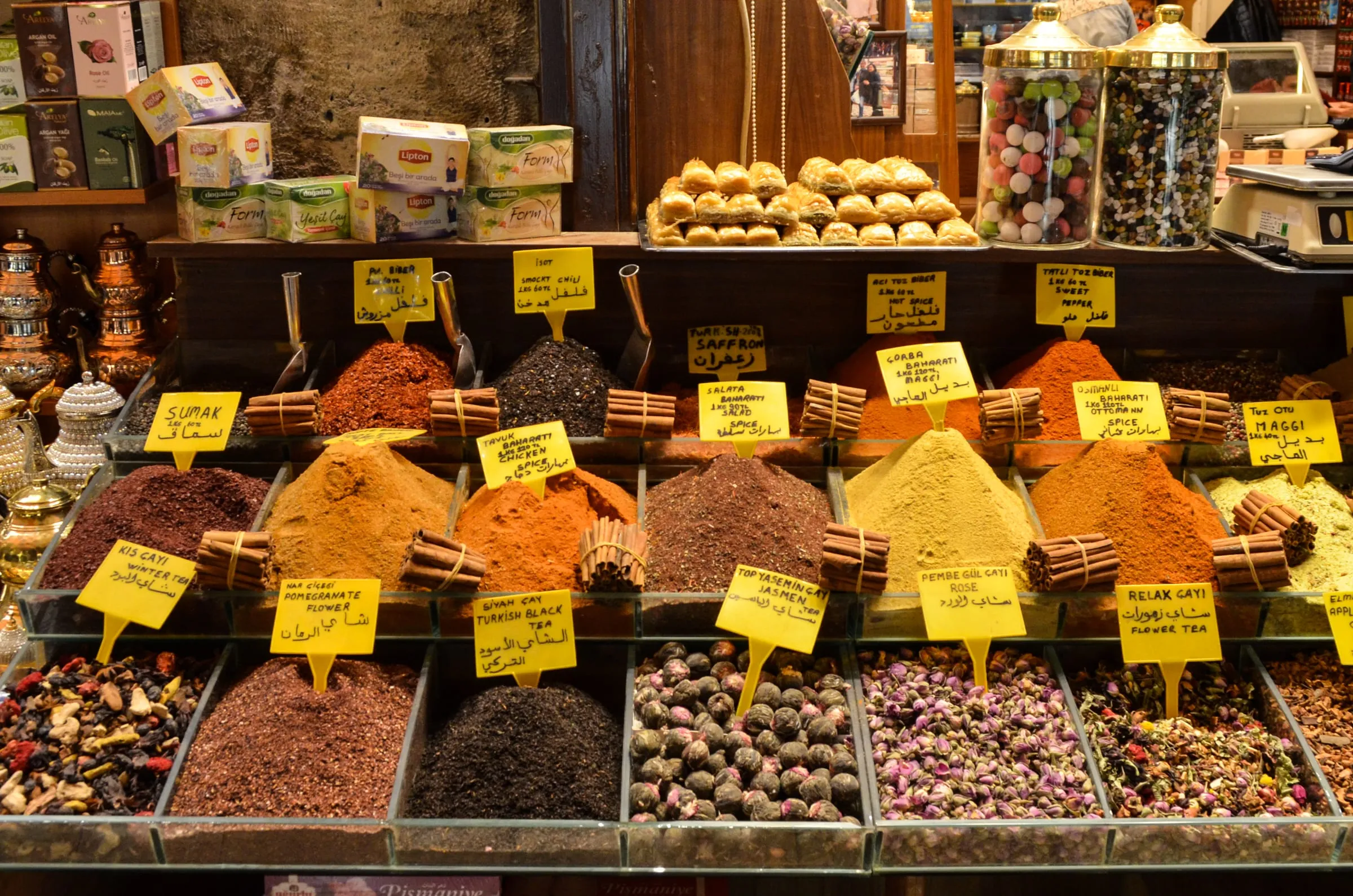 Pul Biber vs Aleppo Pepper, Isot and Maraş The country's default heat, untangled: Maraş, Urfa isot, and how to buy the real thing.