

What to eat in Istanbul: the dishes, explained
Browse Istanbul's main dish families: what each food is, how it is eaten, and which specialist guide covers where to find it. This broad hub stays separate from the shorter first-trip checklist and the ranked restaurant directories.
Start with a first trip
A practical one-day and neighborhood plan for visitors choosing their first Istanbul meals.
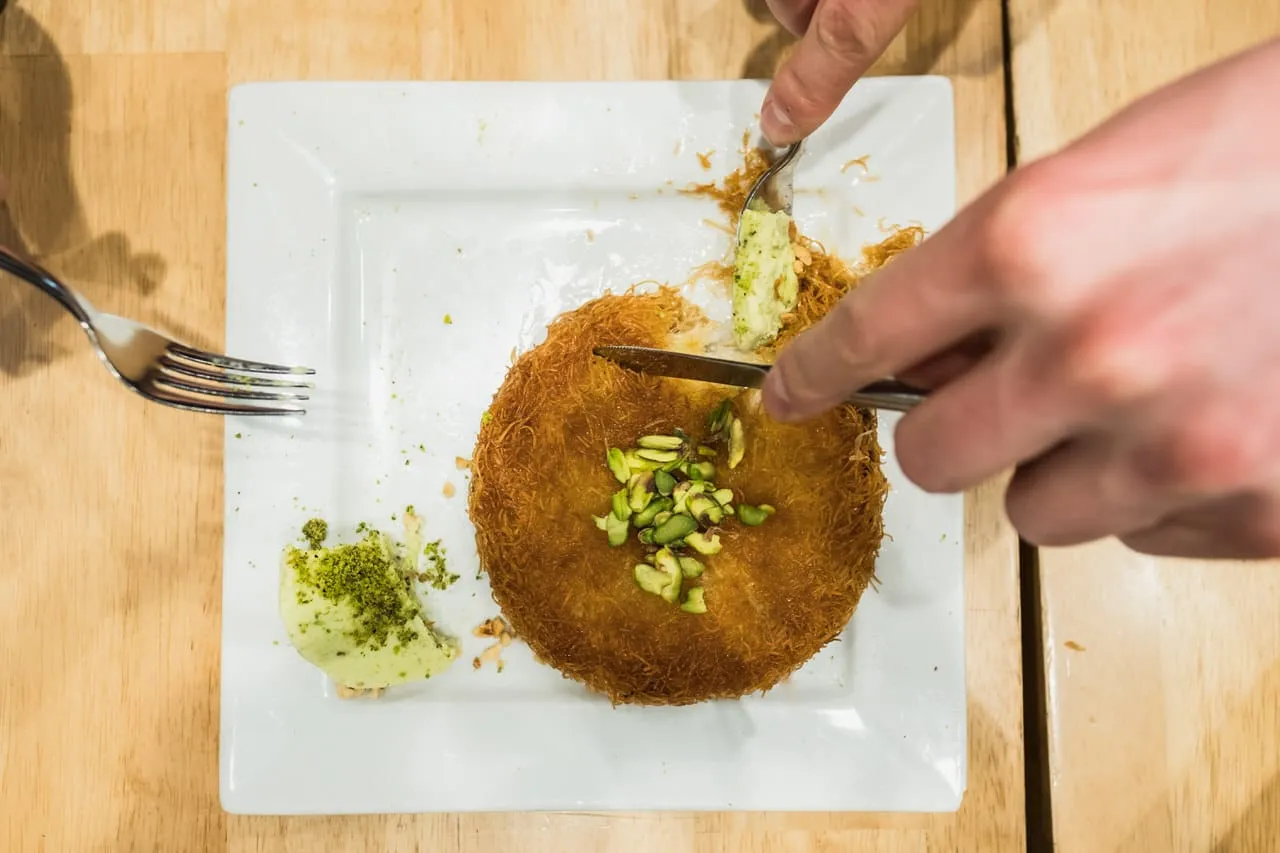
Breakfast: the meal Istanbul refuses to rush
How Istanbul starts the day: the full kahvaltı spread, menemen, börek, and the weekday simit.
-
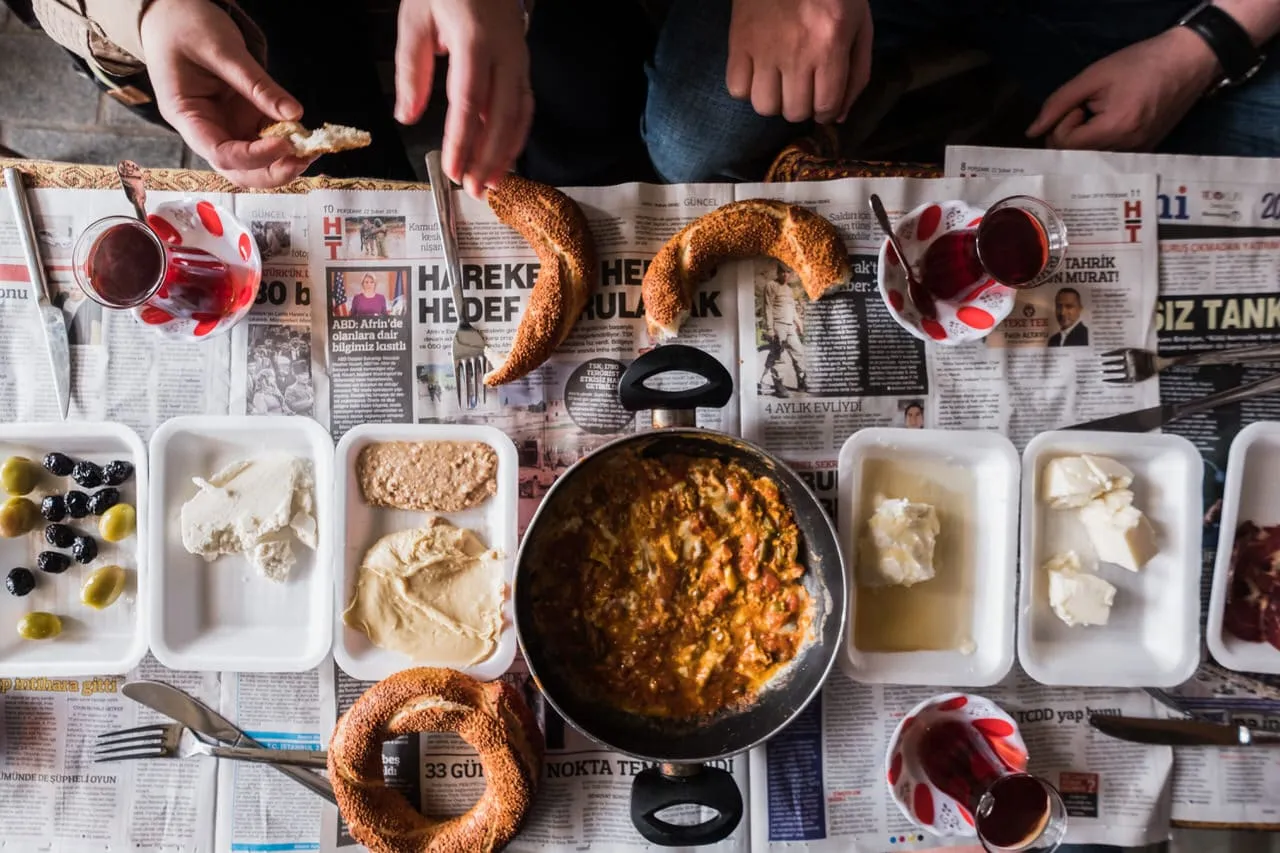 The Best Breakfast in Istanbul What the full spread involves and where to sit down for one.
 -
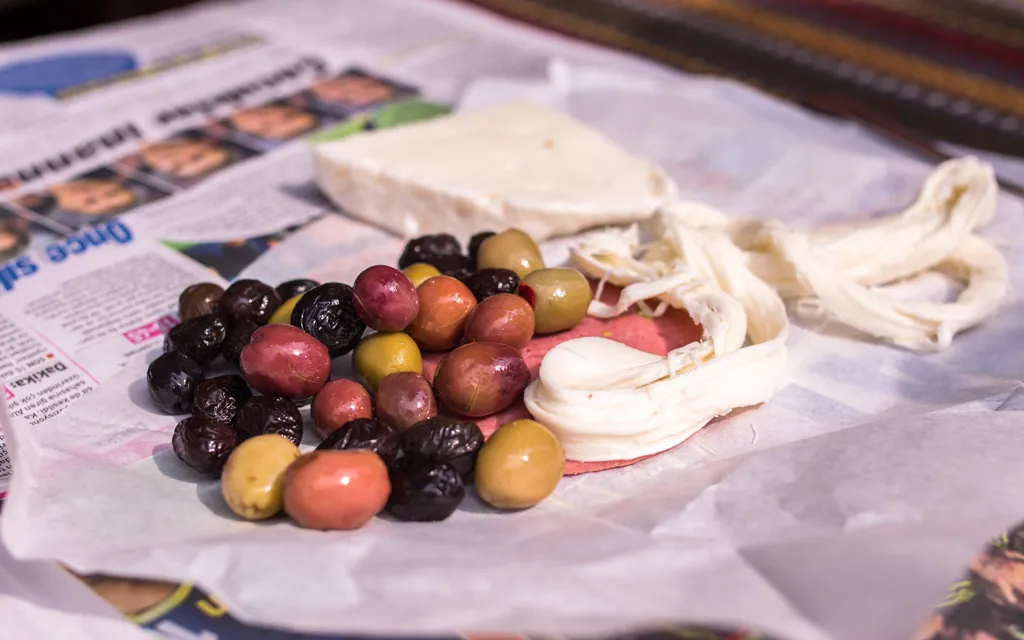 What to Order for Turkish Breakfast How to order for one person, two people, or a full table without wasting food.
 -
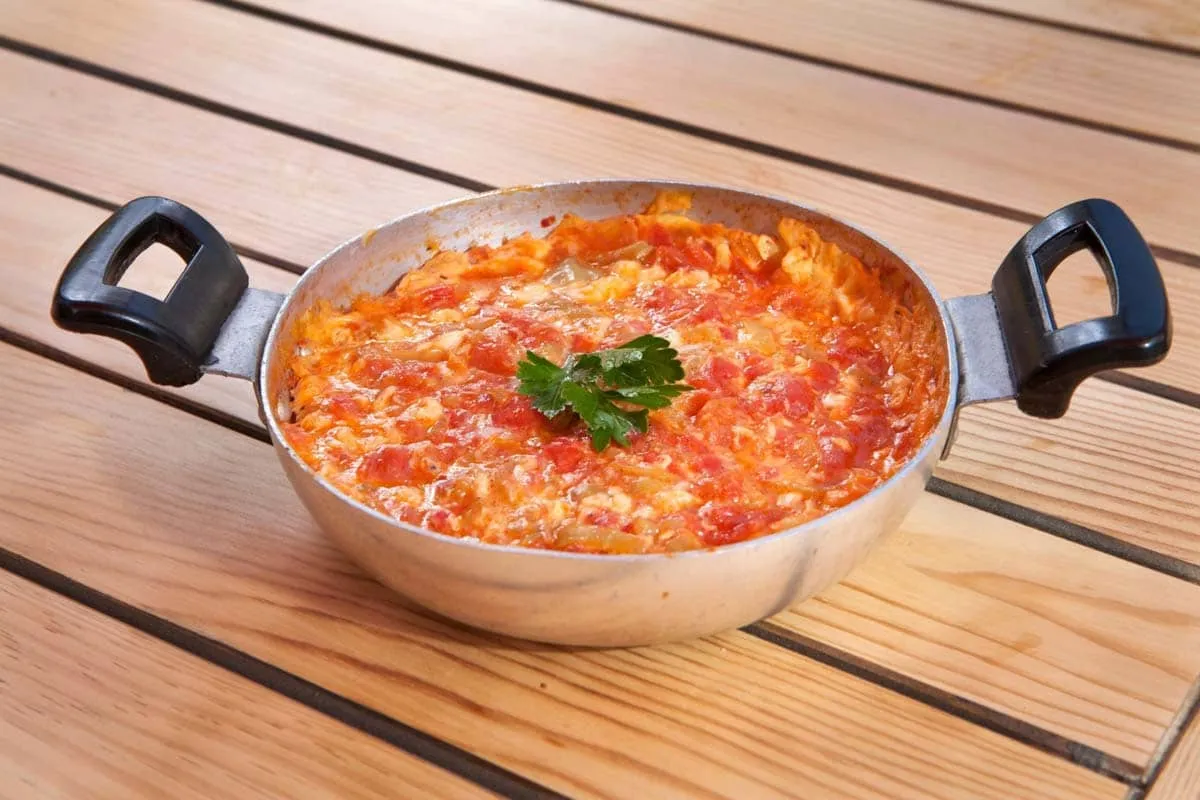 Best Menemen in Istanbul The one-pan egg dish, and the places that get it right.
 -
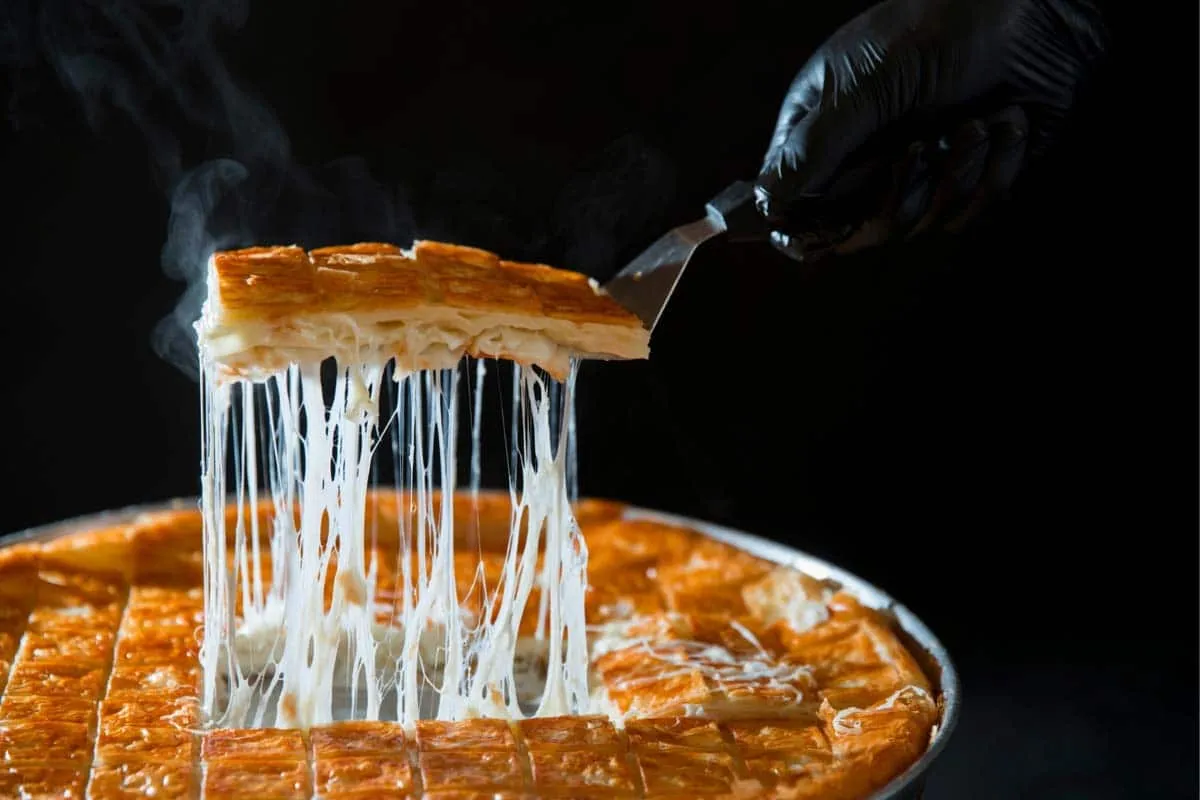 The Best Börek in Istanbul The layered-pastry morning staple, bakery by bakery.
 -
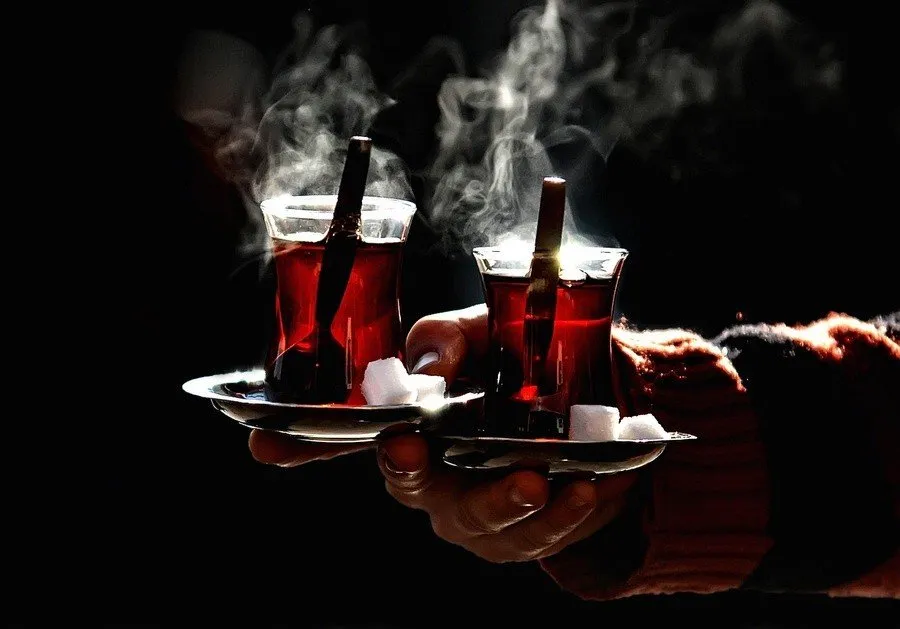 How to Make Turkish Tea The double-pot cay method that runs the whole breakfast.
Street food: eating standing up
The dishes you eat standing up: balık ekmek, döner, kokoreç, çiğ köfte and the rest.
- 20 Best Turkish Street Foods All of it in one guide.
-
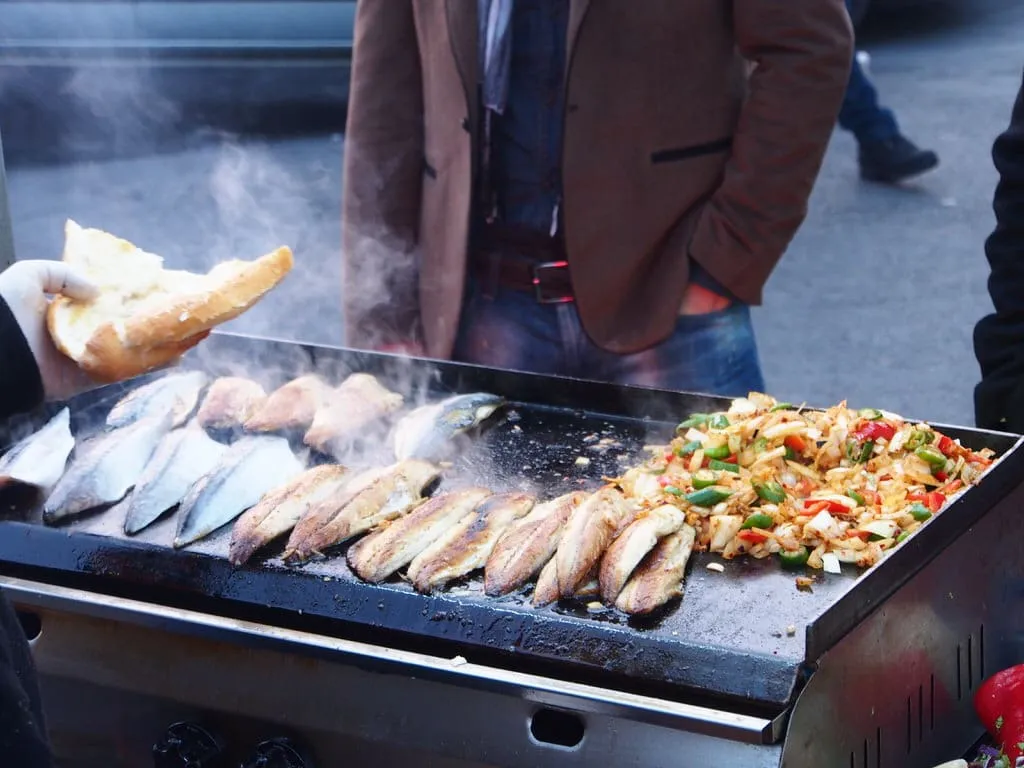 Balık Ekmek: The Fish Sandwich The Eminönü waterfront classic, explained properly.
 -
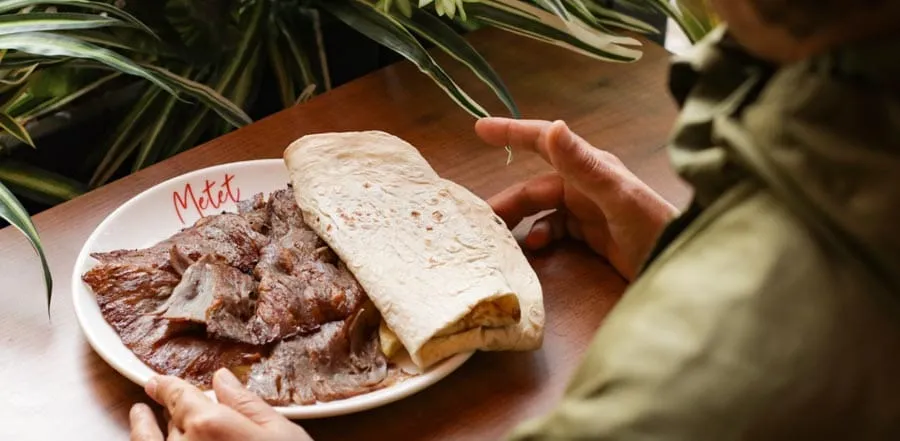 Best Doner Kebab in Istanbul Eight wood-fired spots locals line up for.
 -
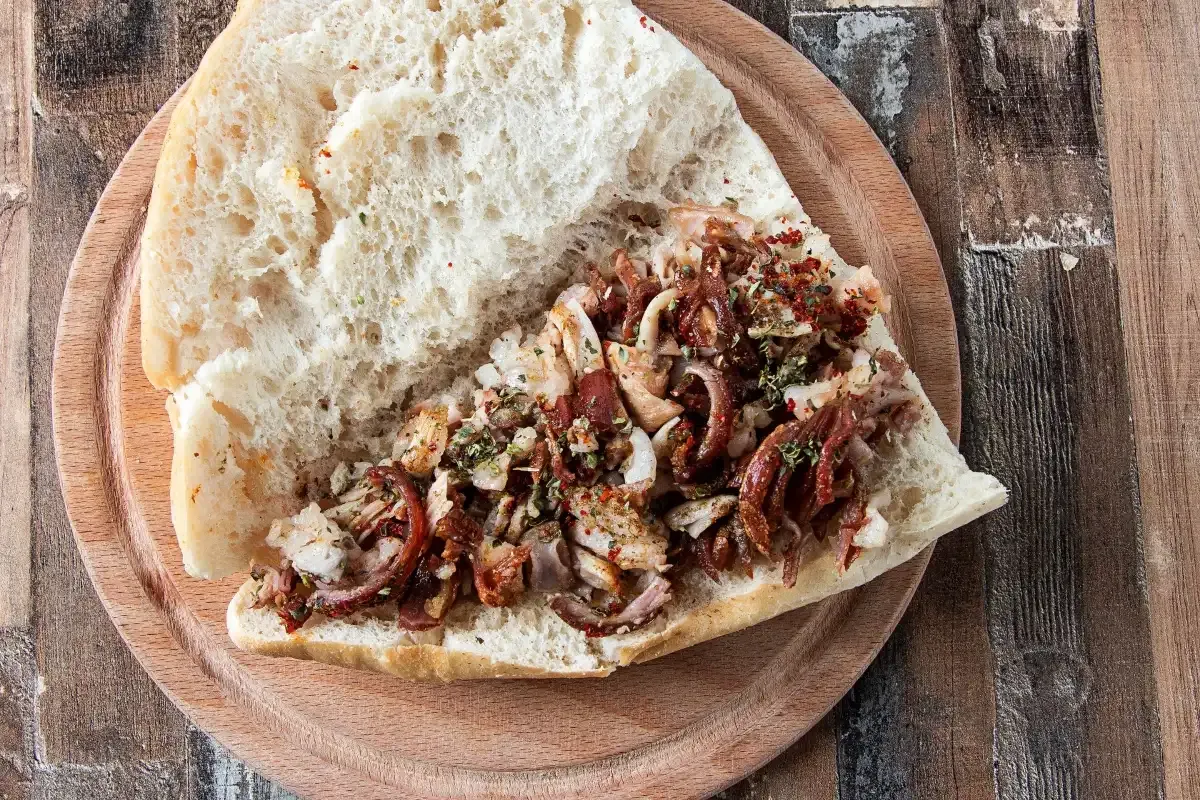 Best Kokoreç in Istanbul The offal dish worth being brave for, and where it is done well.
 -
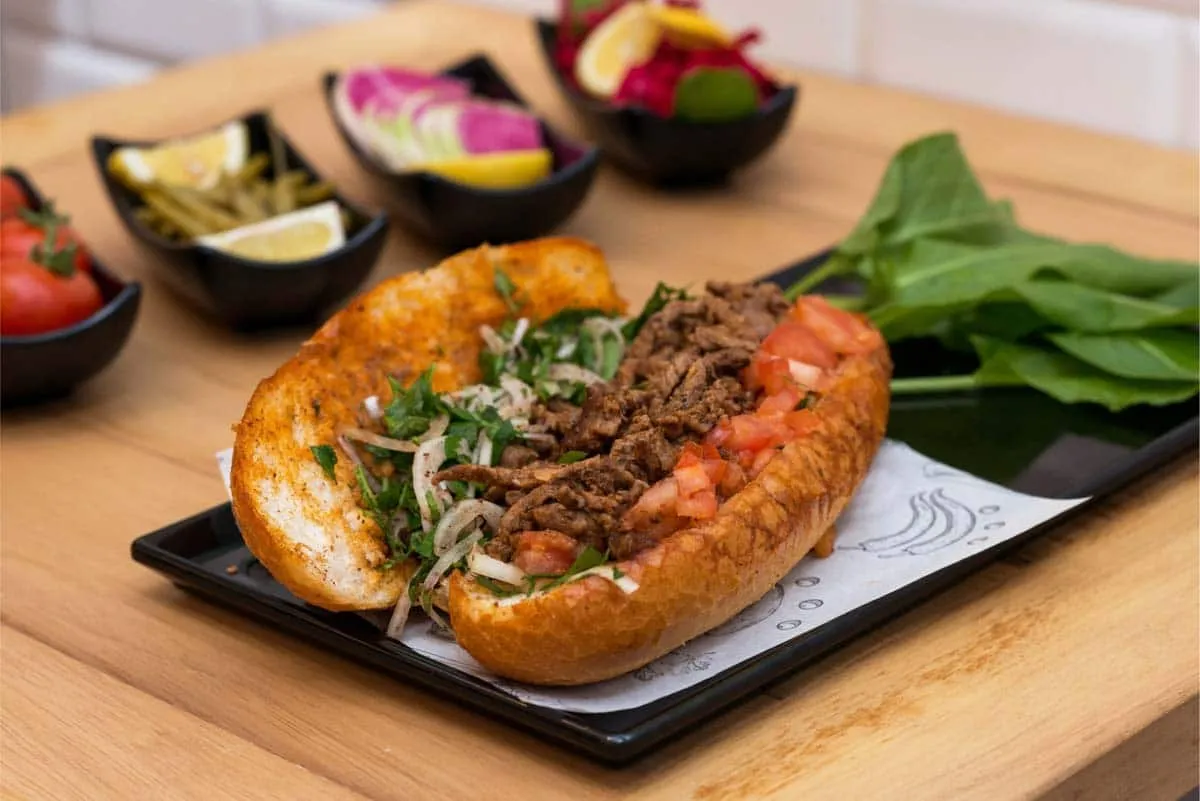 Best Tantuni in Istanbul Mersin's cumin-spiced wrap and its Istanbul outposts.
 -
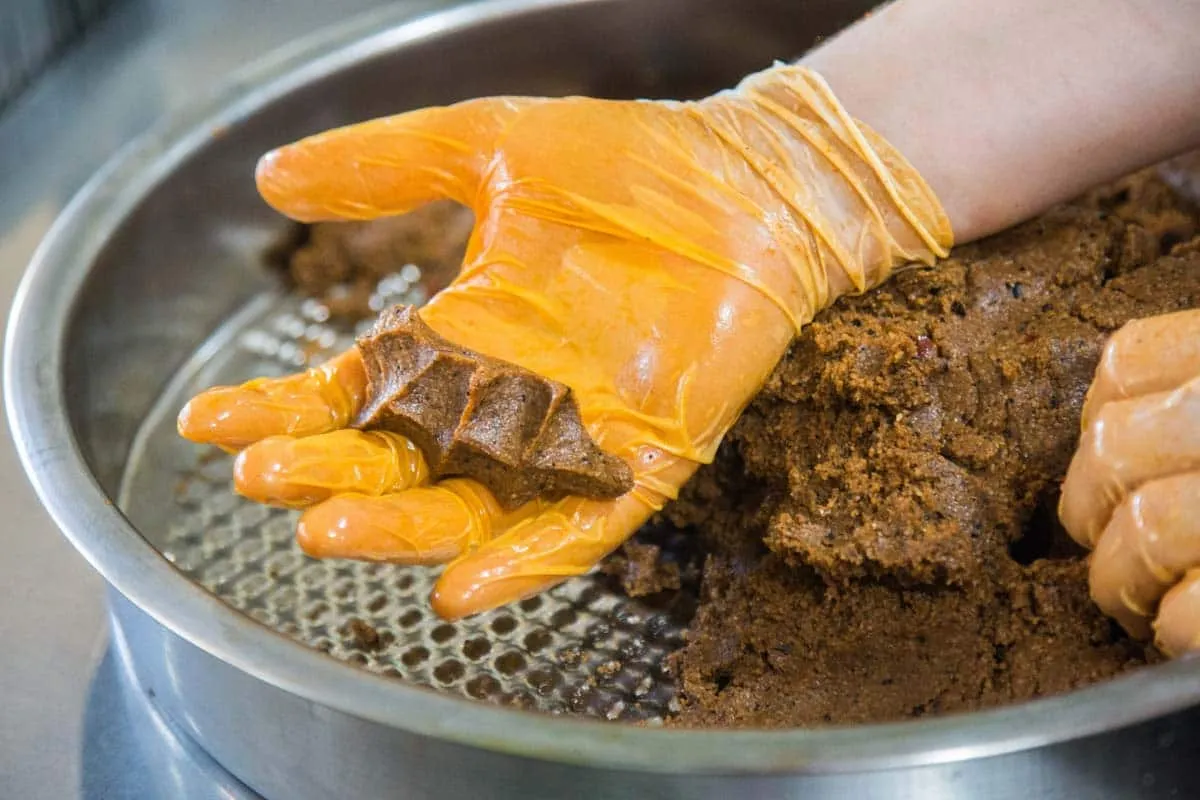 Çiğ Köfte, Explained How a raw-meat dish became a meatless street staple.
The kebab map: Adana to Iskender
The kebab family tree, and how to tell one from another before you order.
-
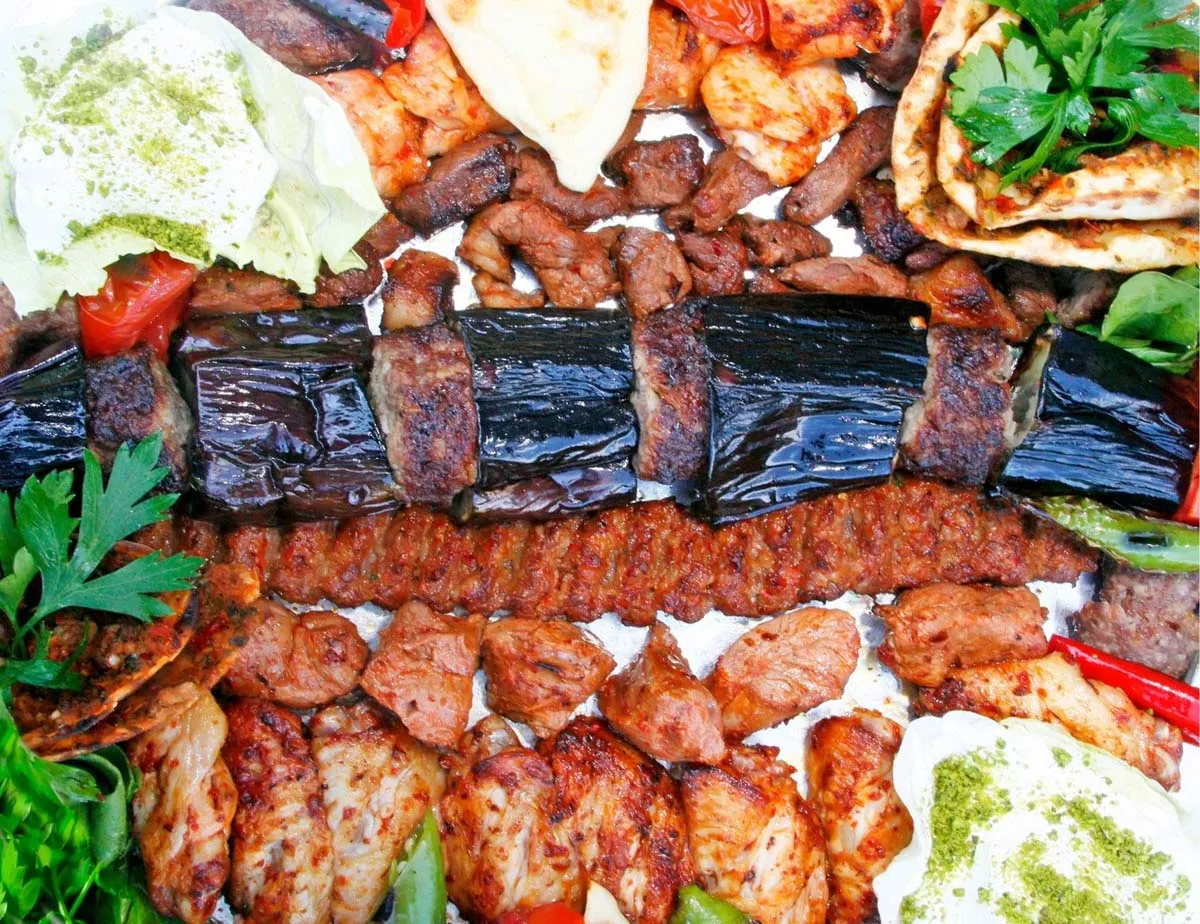 Best Kebab in Istanbul: Top 12 The ranked list across every style.
 -
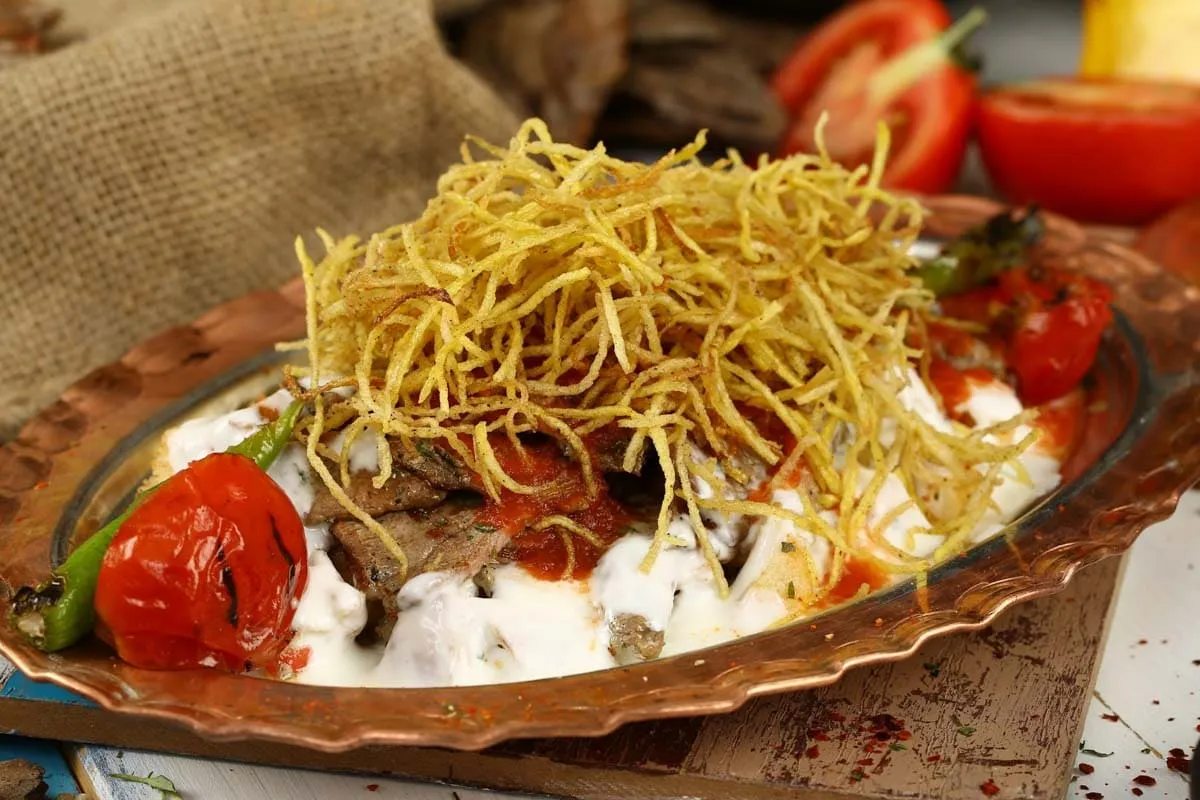 The Kebab Family, Explained Every major type and how to tell them apart.
 -
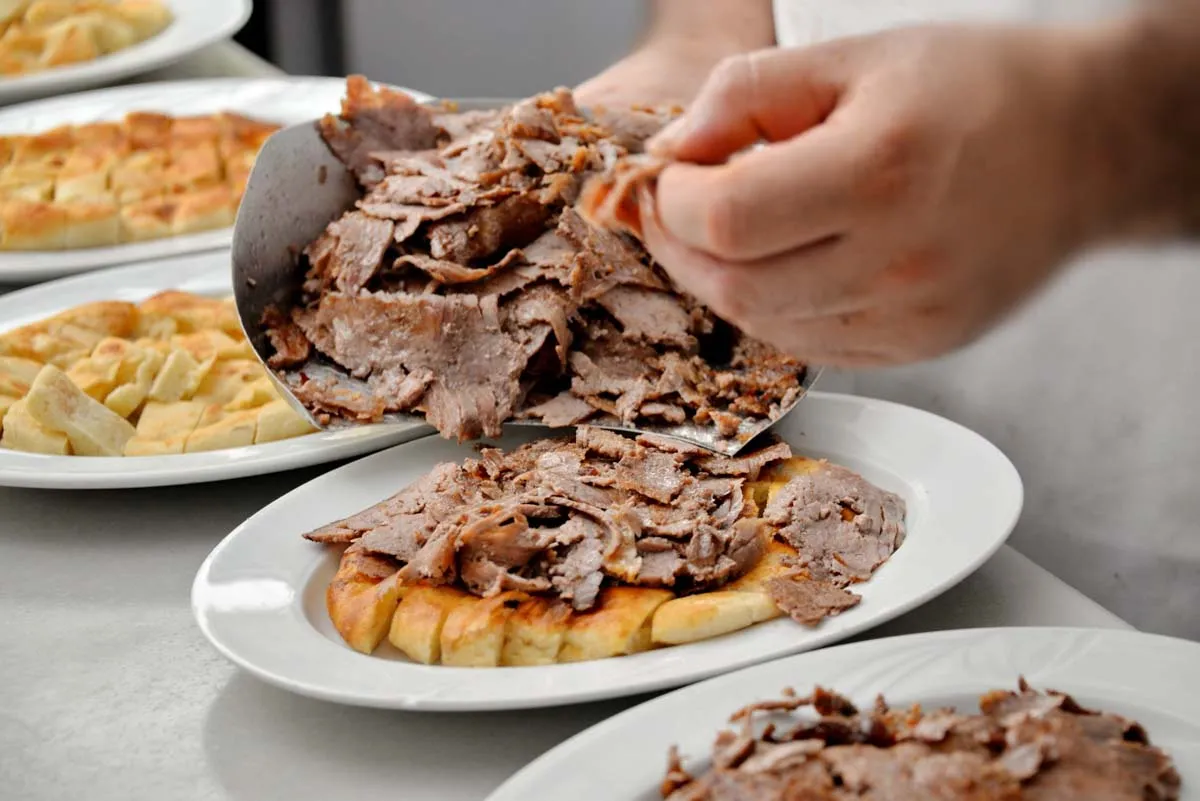 İskender Kebab The butter-soaked Bursa classic and where Istanbul does it justice.
 -
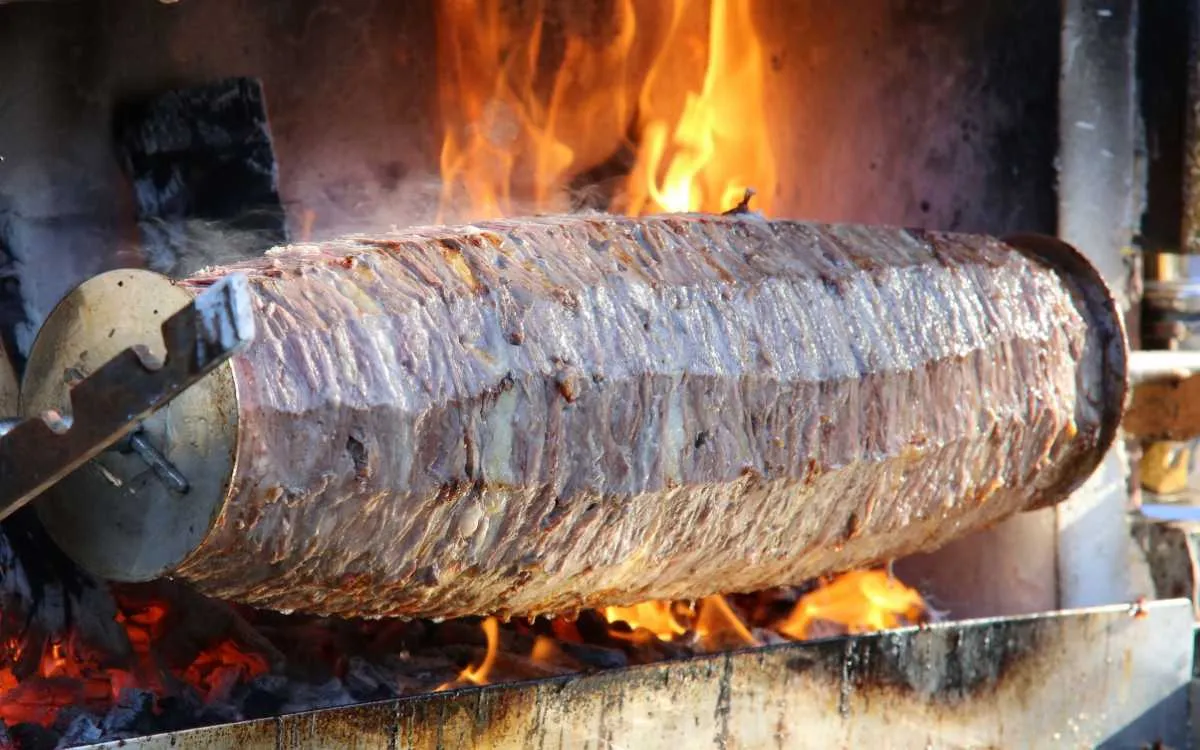 Cağ Kebab in Istanbul The horizontal spit from Erzurum, worth seeking out.
 -
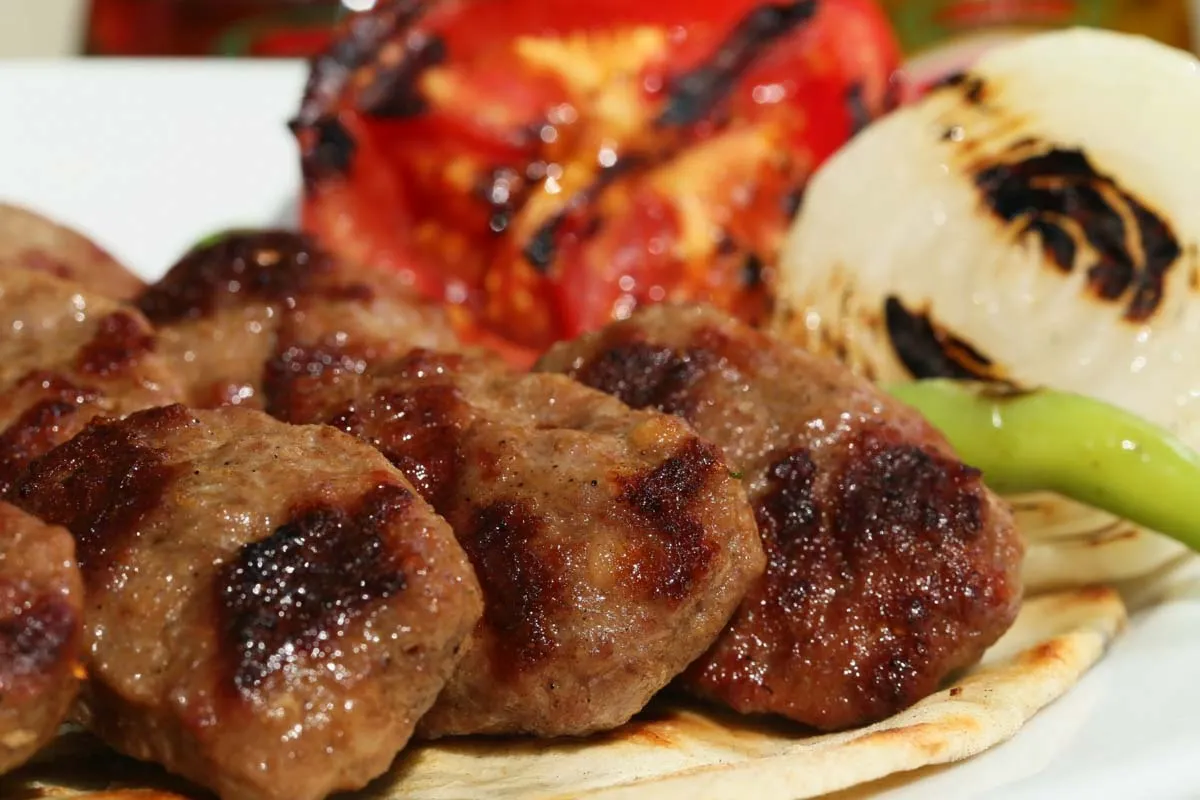 Best Köfte in Istanbul The grilled meatball institutions, some a century old.
 -
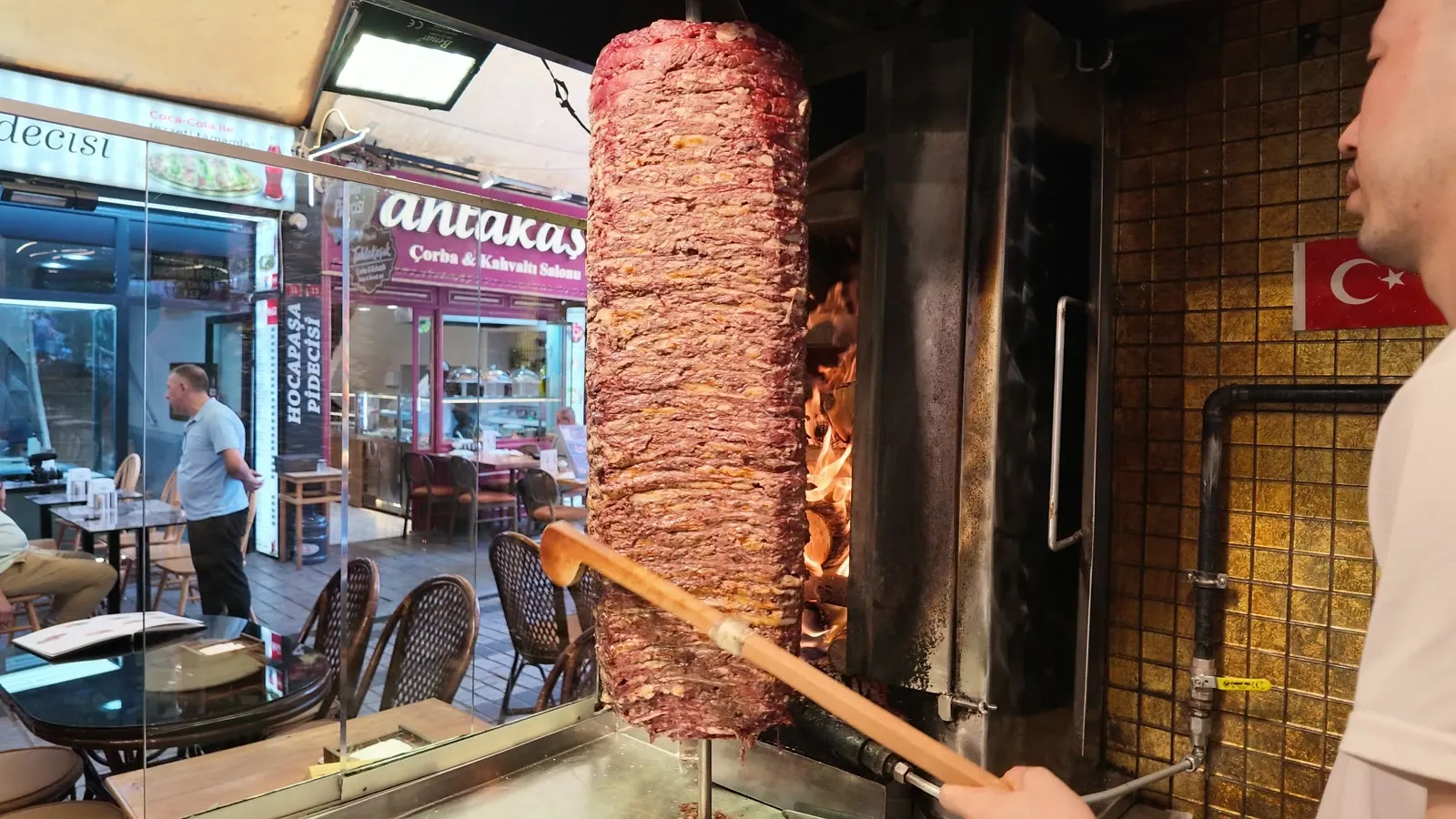 Doner vs Shawarma vs Gyro Same vertical spit, three traditions. What actually separates them, and why in Istanbul you order doner.
Dough and the oven: pide, lahmacun, mantı
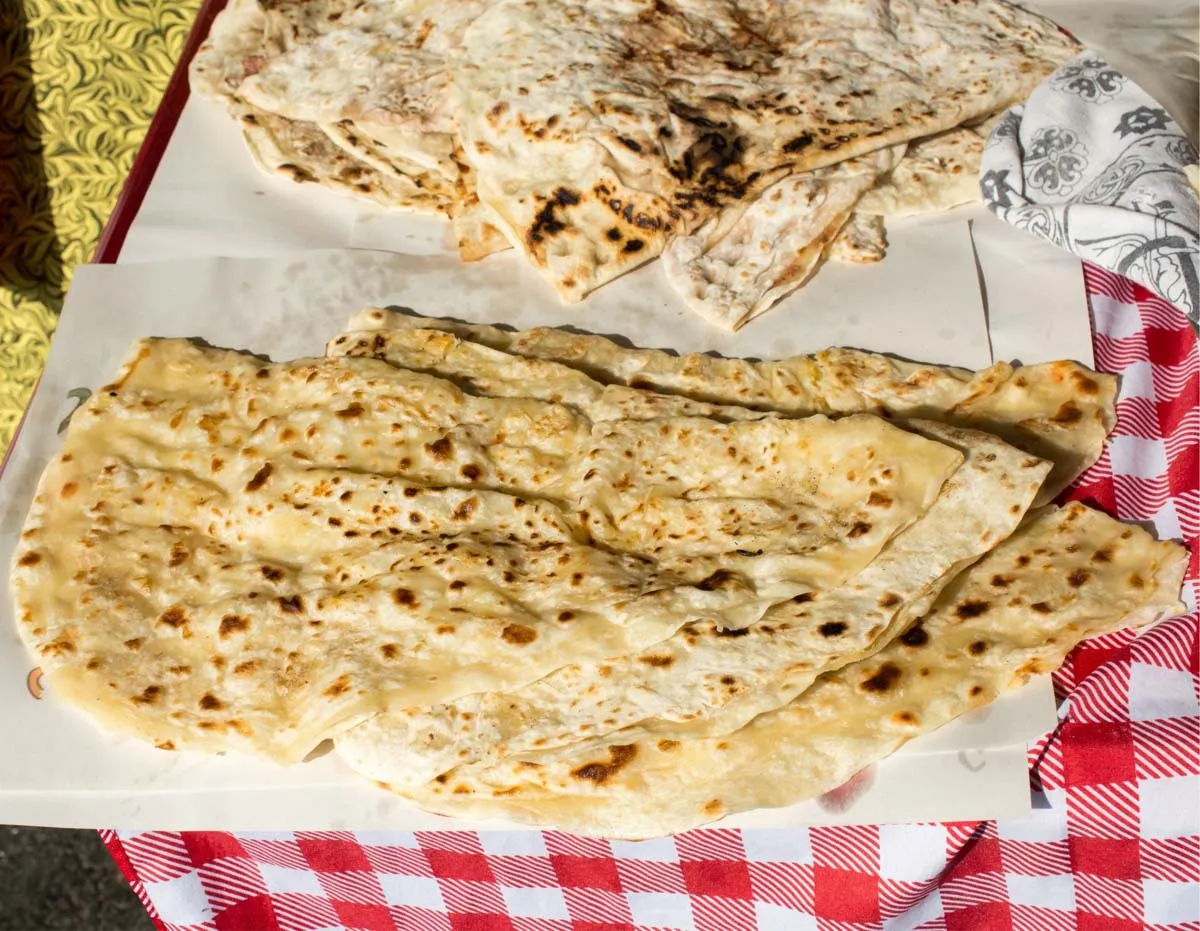
The oven canon: pide, lahmacun, mantı and their kin.
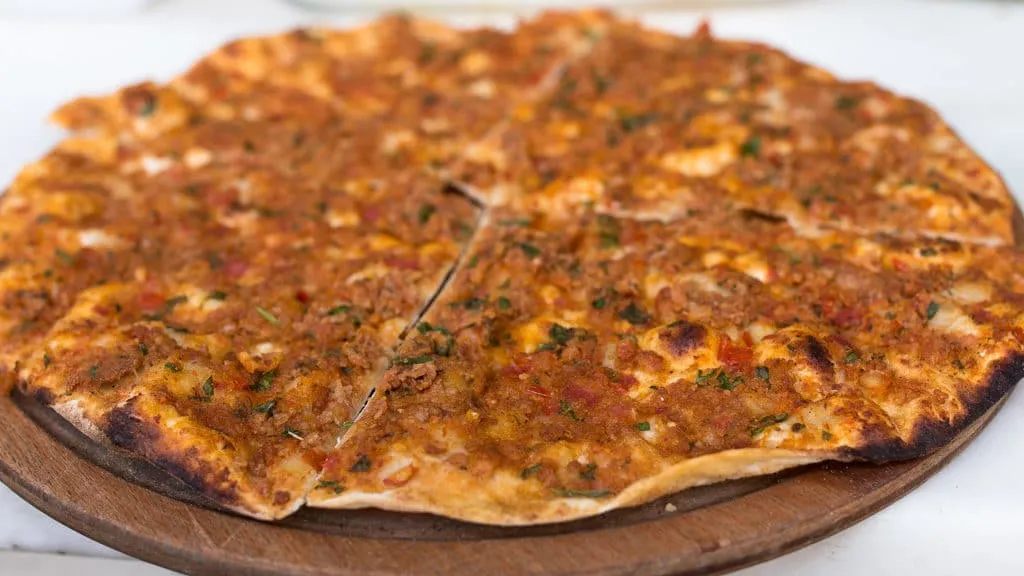
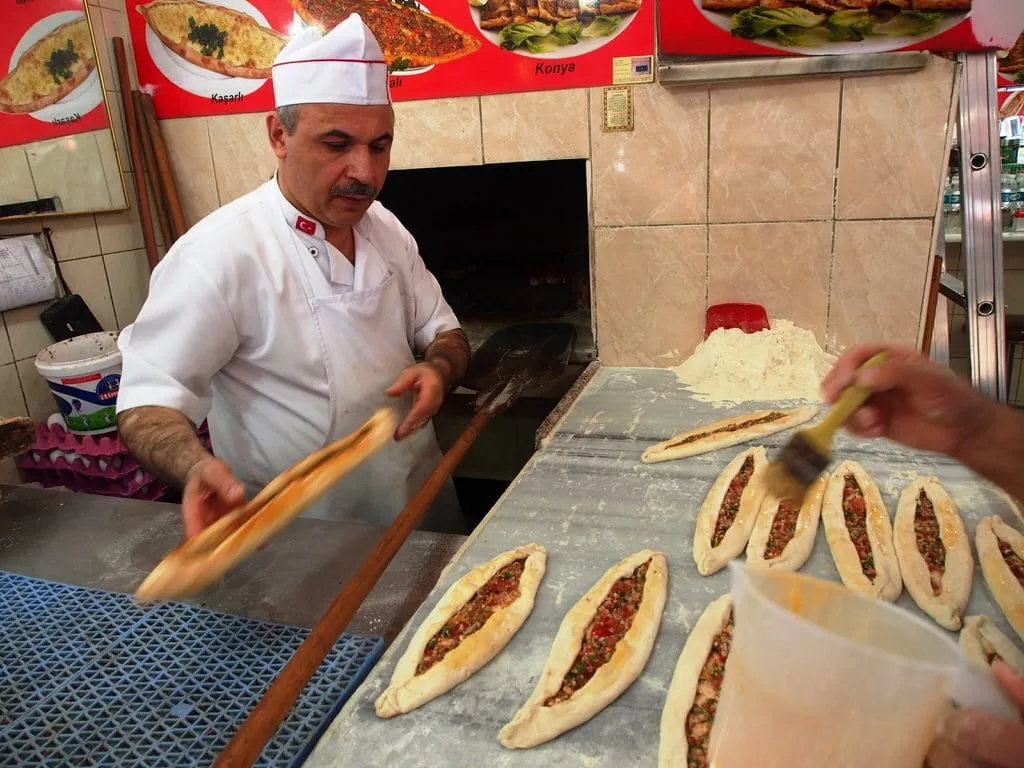
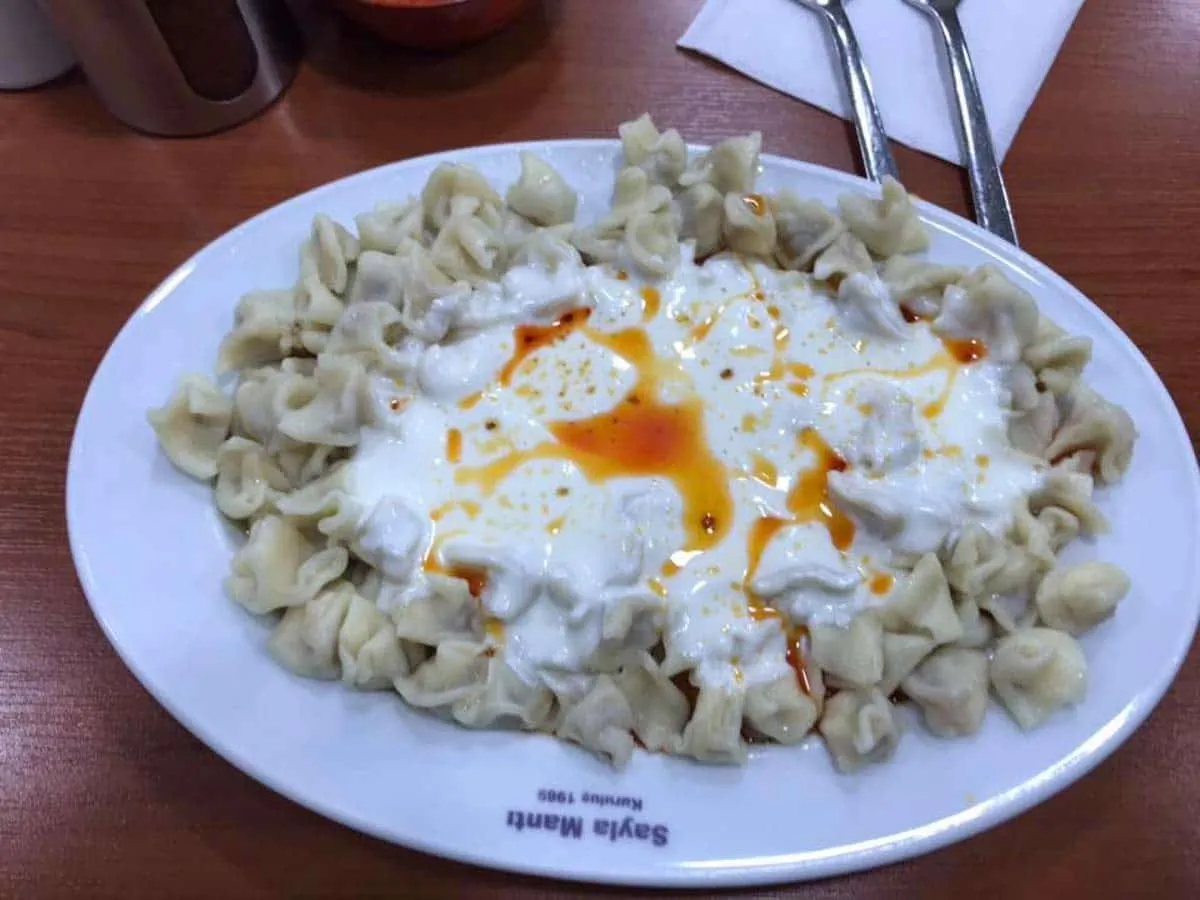
The meze table, and what to drink with it
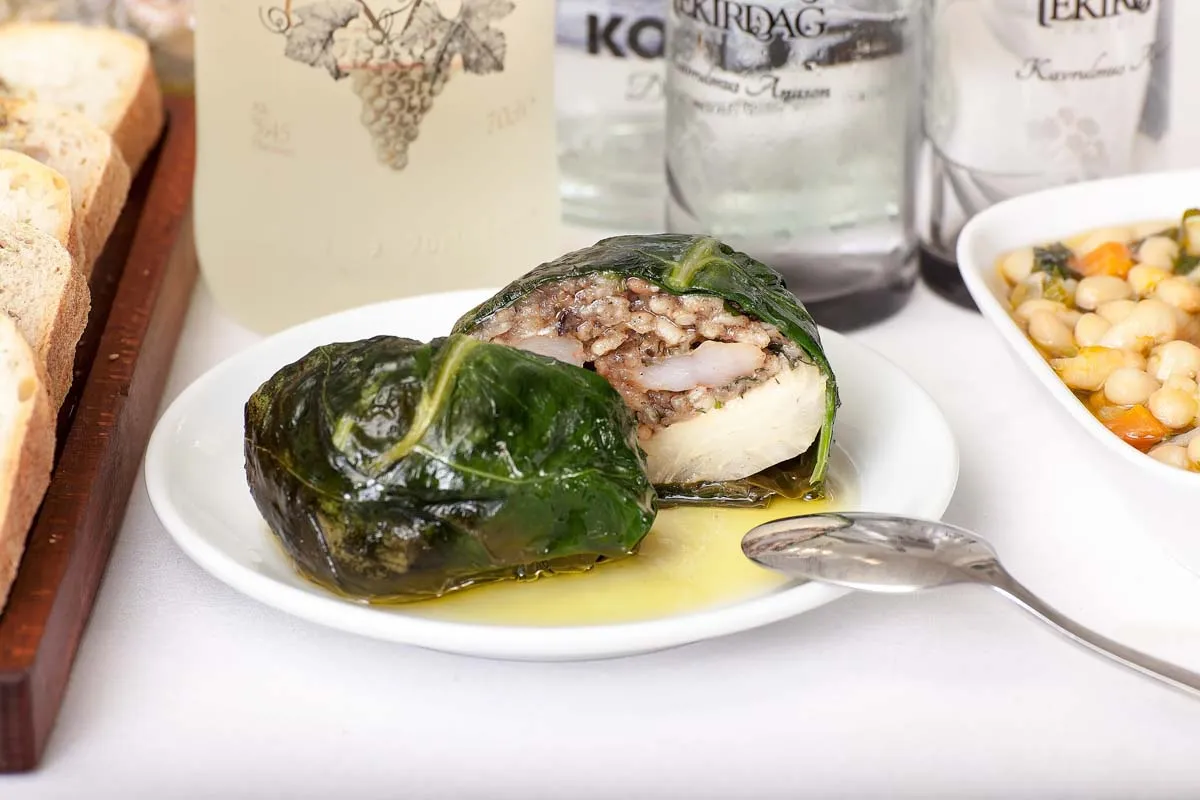
How the meze evening works, and what gets poured beside it.
-
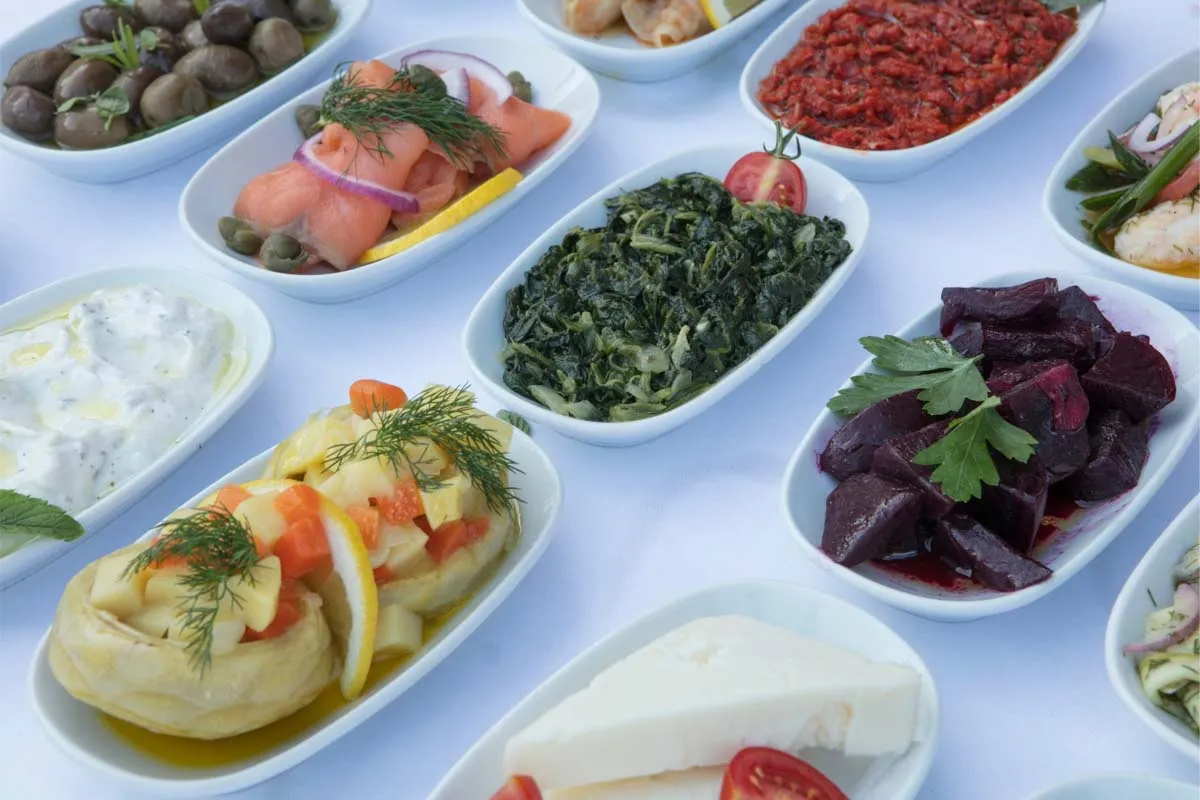 12 Most Delicious Turkish Mezes The plates to know so you can order without pointing.
 -
 10 Istanbul Meze Restaurants Where the meyhane evening actually happens.
 -
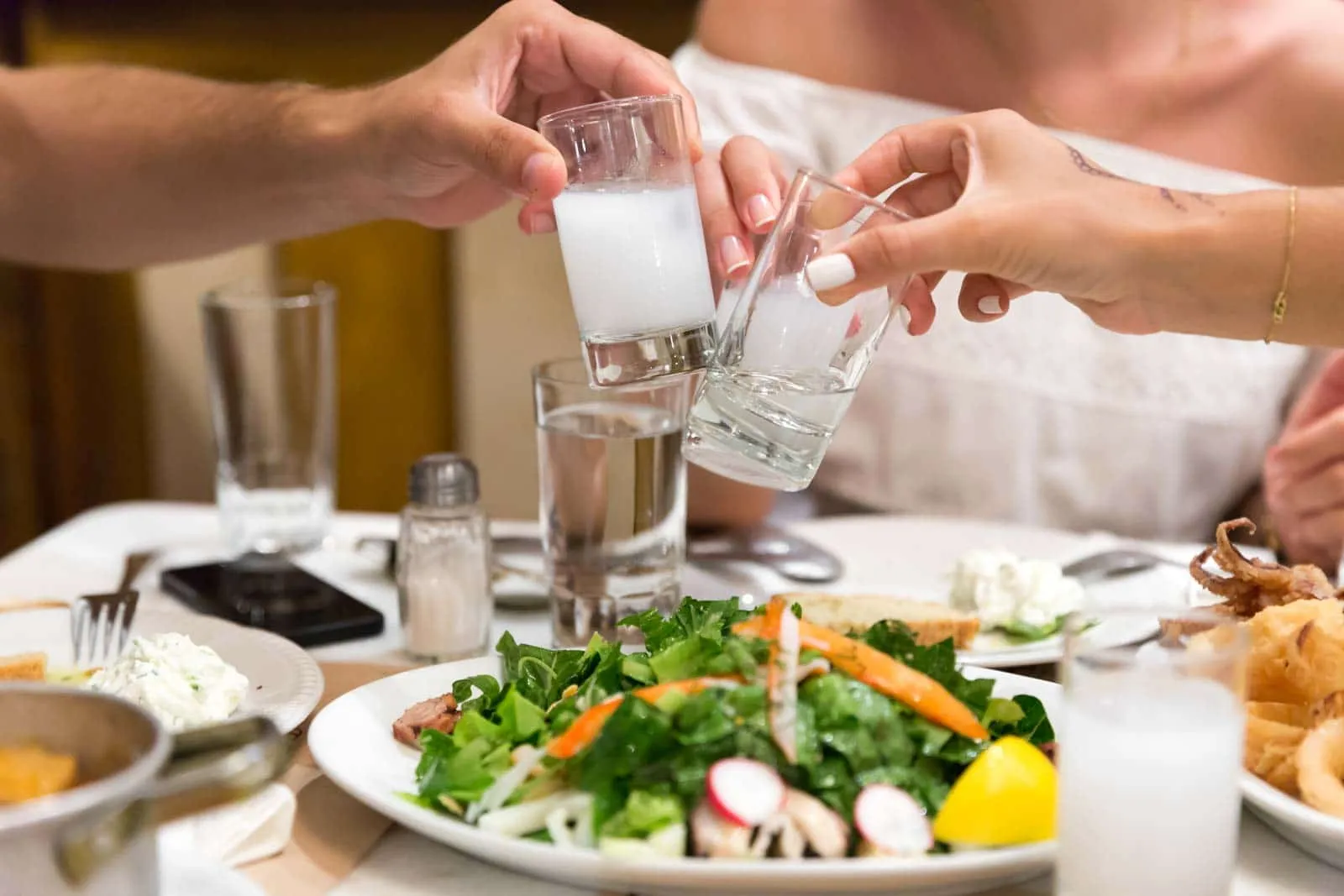 Turkish Rakı: A Beginner's Guide Dilution, pacing, and what belongs alongside it.
 -
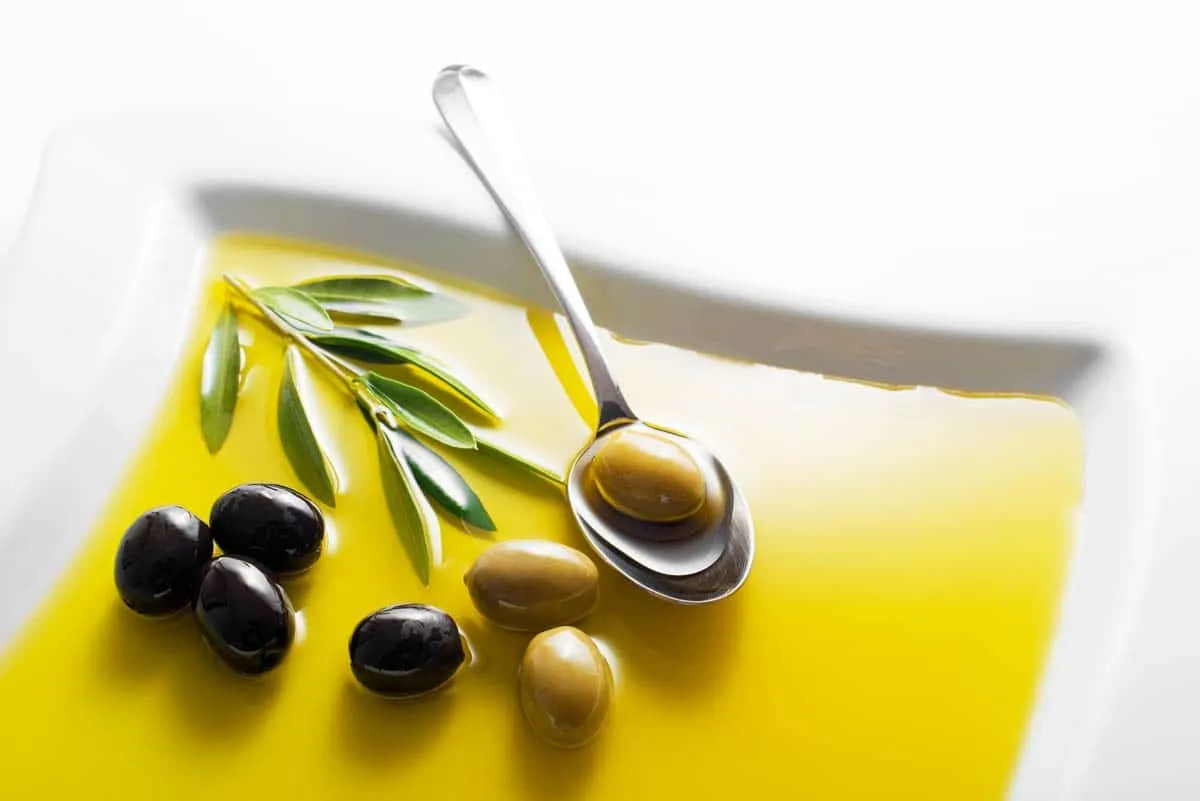 Zeytinyağlı: Vegetables in Olive Oil The cold olive-oil dishes that anchor every meze table.
Sweet endings: the three dessert families
The three dessert families: syrup, milk and dough.
-
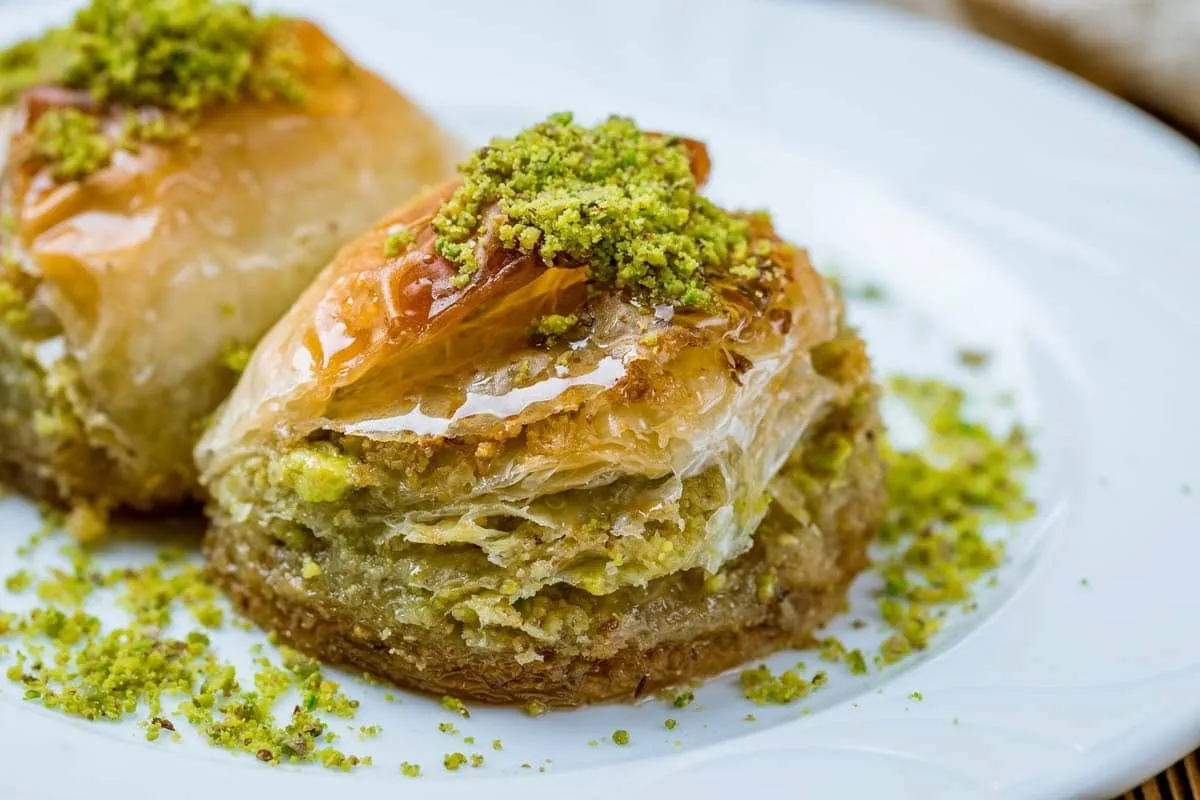 Turkish Desserts: 18 Best Sweets All 18, explained.
 -
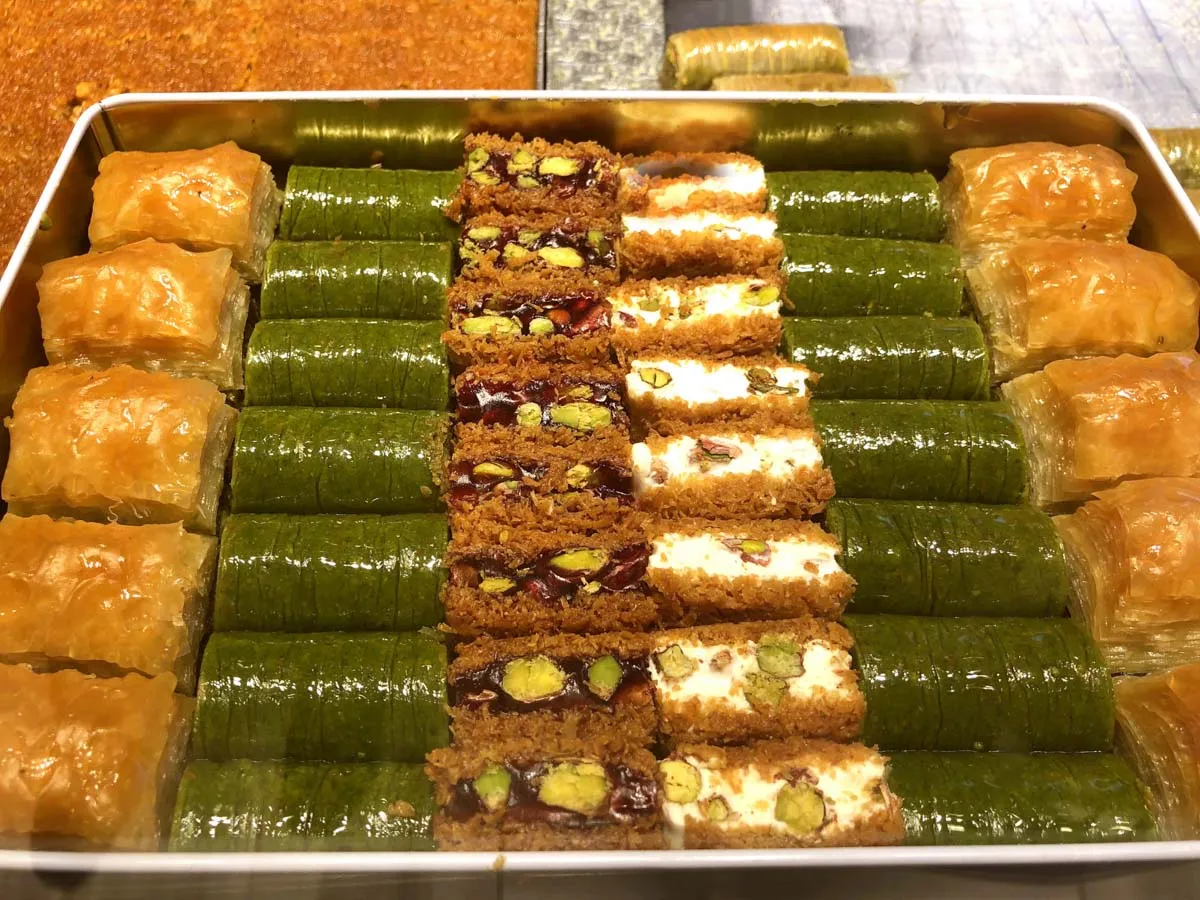 Best Baklava in Istanbul The top shops, and how to tell fresh from tired.
 -
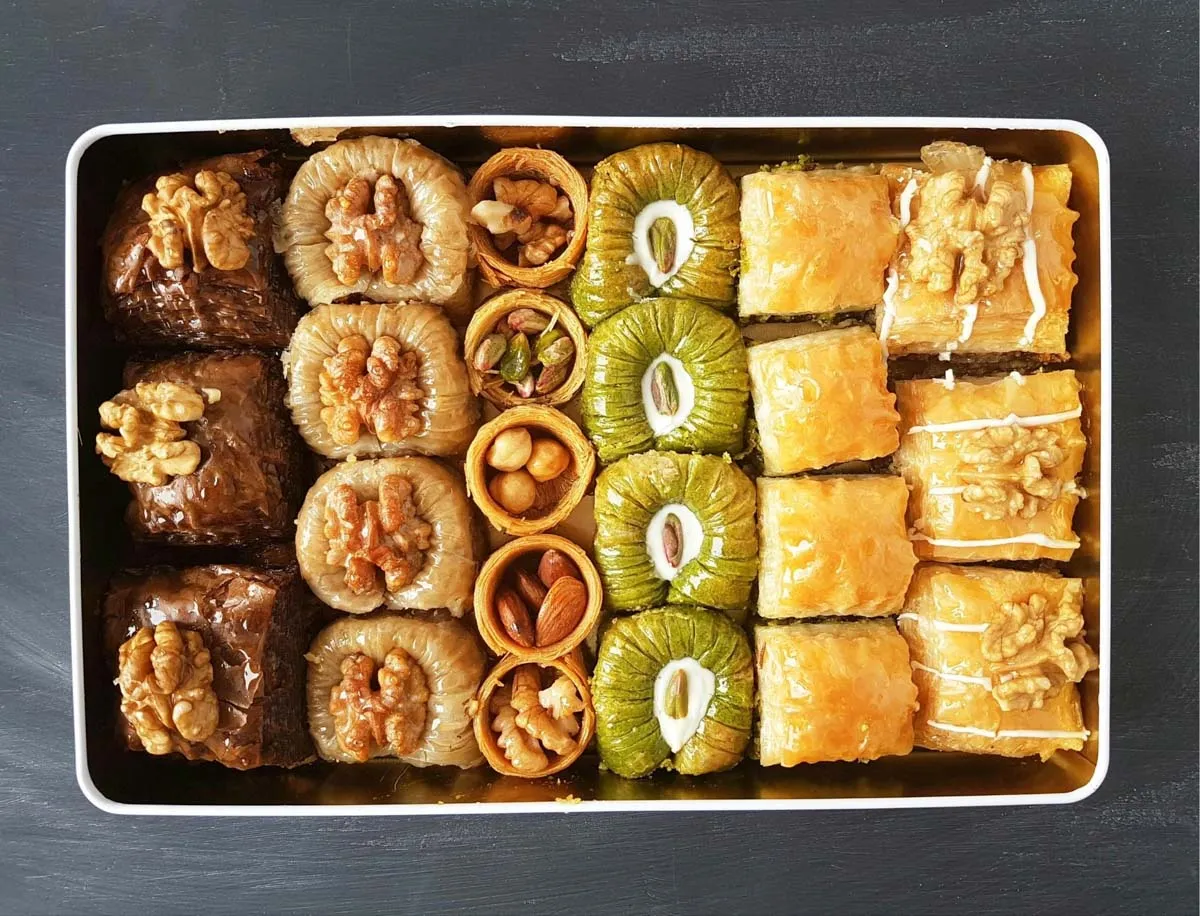 Every Type of Baklava, Explained Kuru, şöbiyet, midye and the rest of the family.
 -
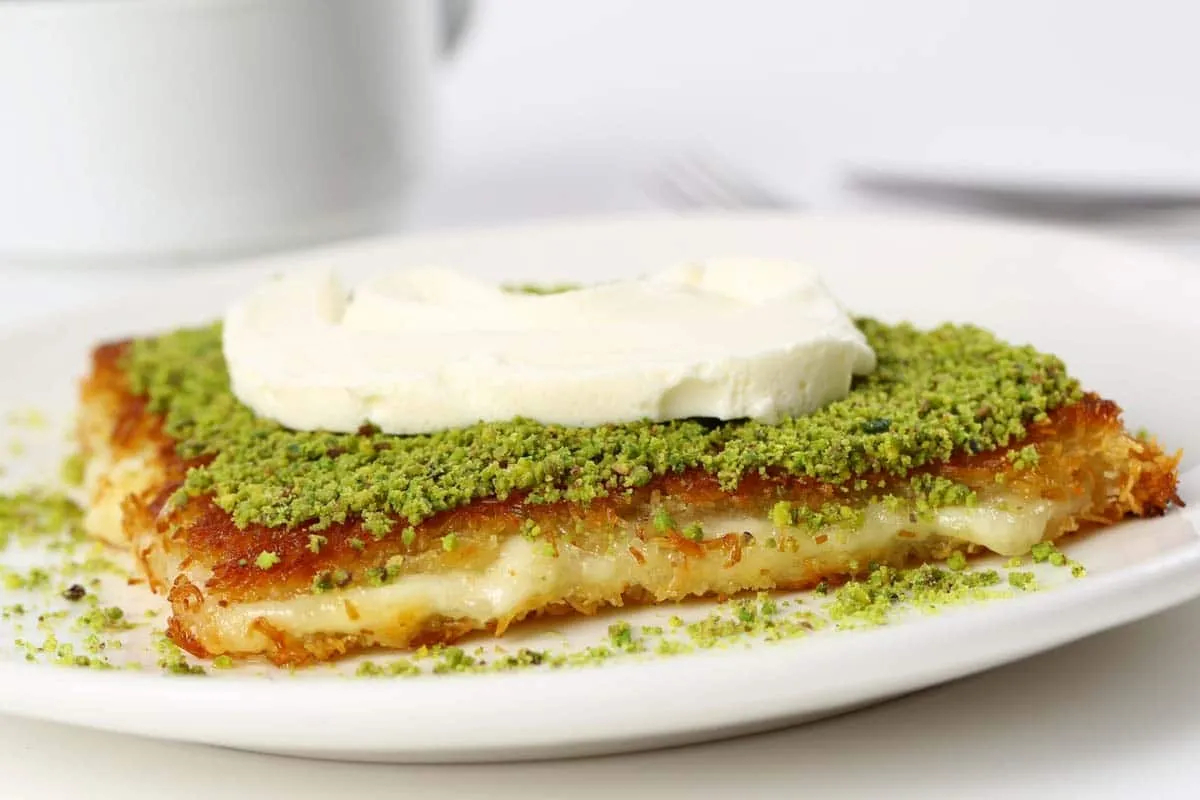 Best Künefe in Istanbul The molten cheese-and-kadayıf dessert, served sizzling.
 -
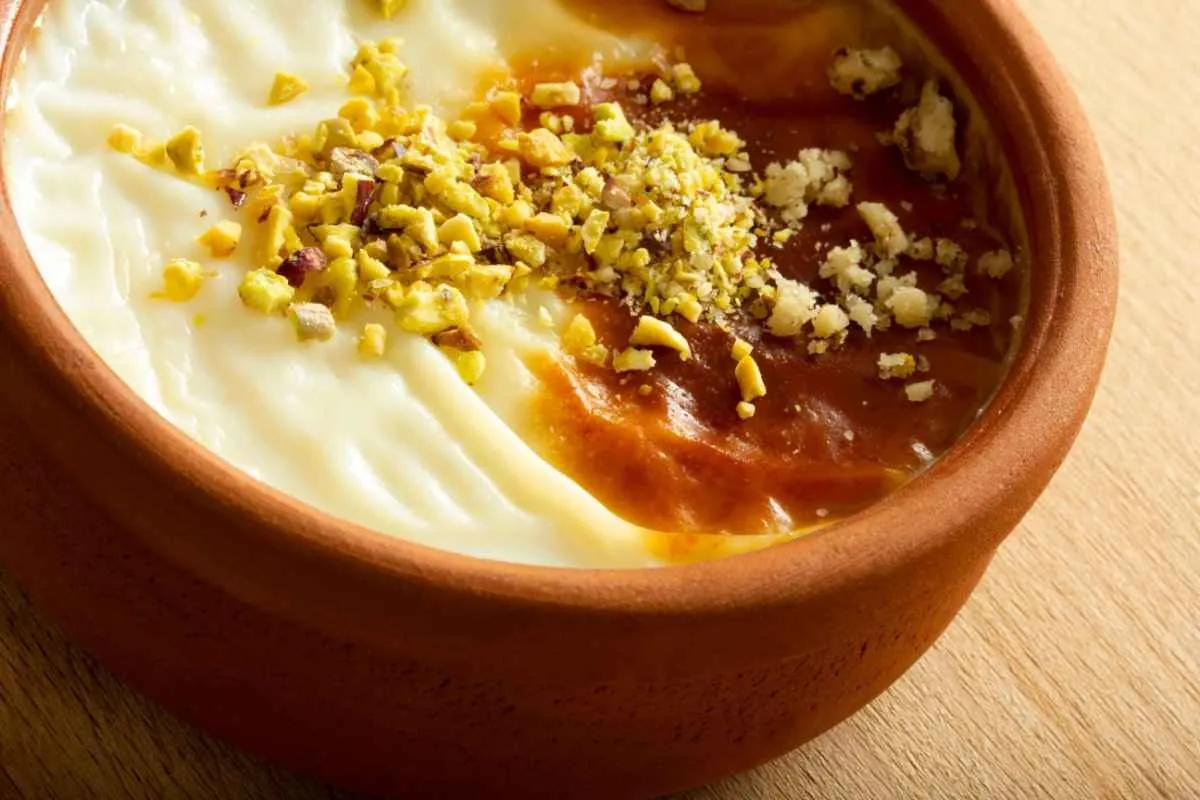 Best Sütlaç in Istanbul The baked rice pudding locals actually order.
 -
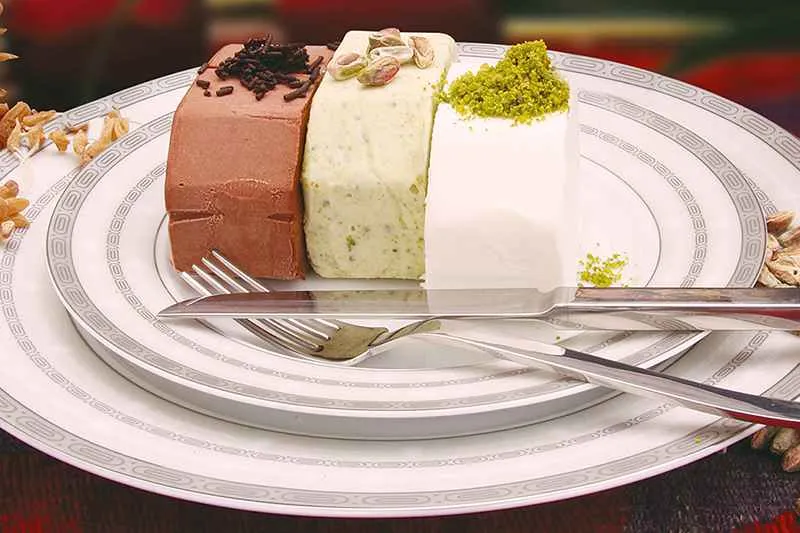 Turkish Ice Cream (Dondurma) Why it stretches, and where it is churned properly.
 -
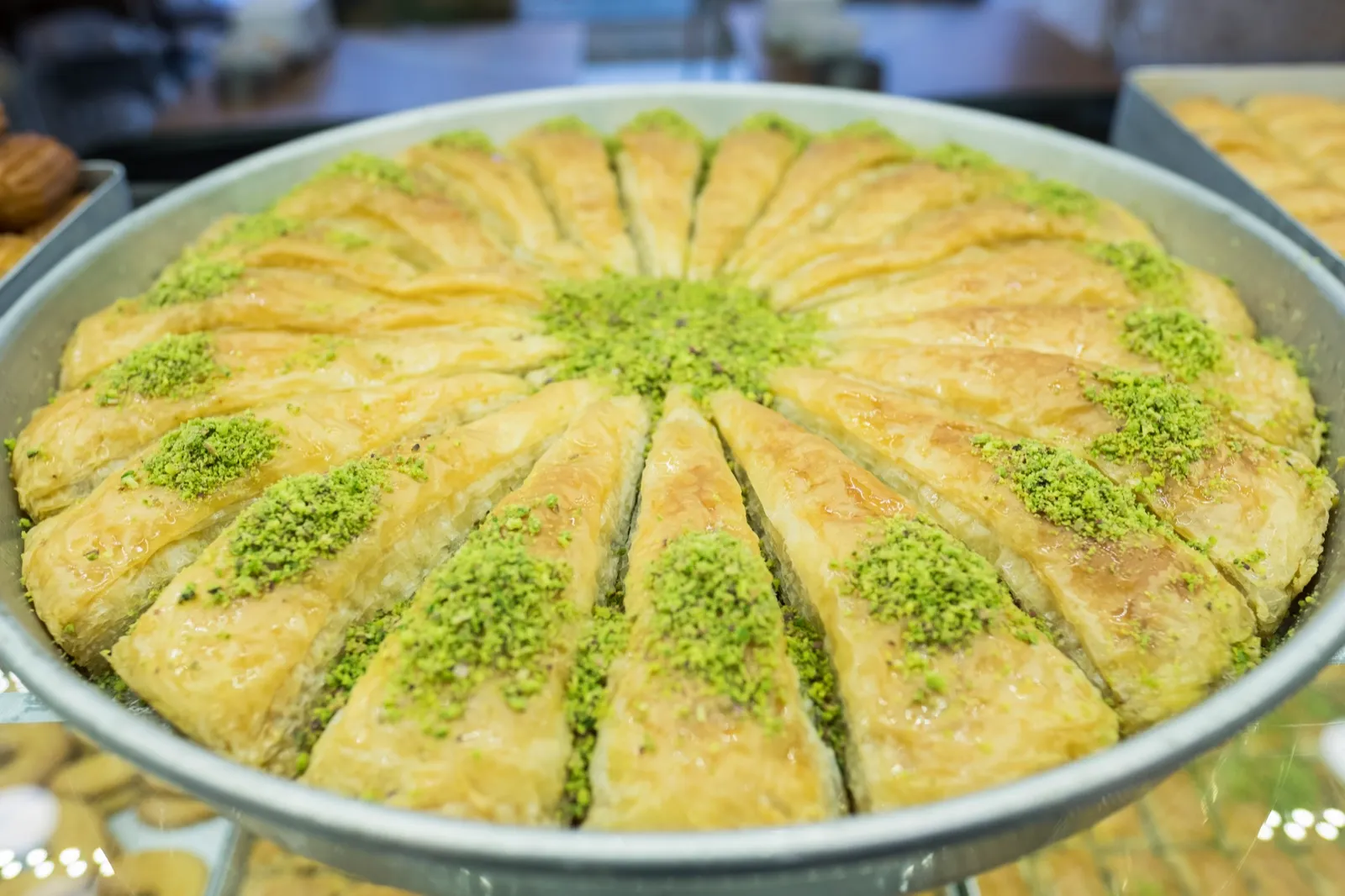 The Istanbul Dessert Crawl A half-day route that tastes all three families in the right order, from lokum to Maras dondurma.
Keep exploring Turkish food culture
Move from dish families into iconic foods, cuisine history, and specialist explainers.
-
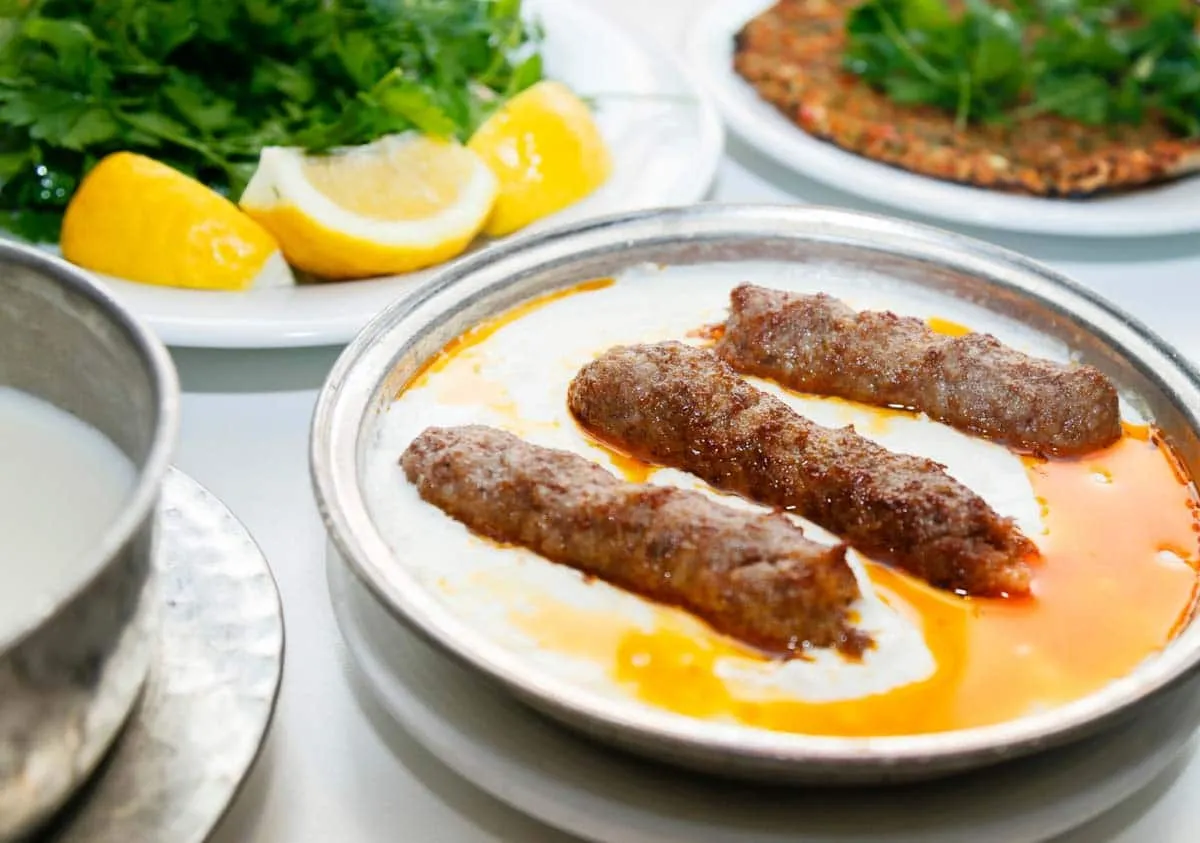 12 Most Iconic Turkish Foods The dishes to know and where to eat each one.
 -
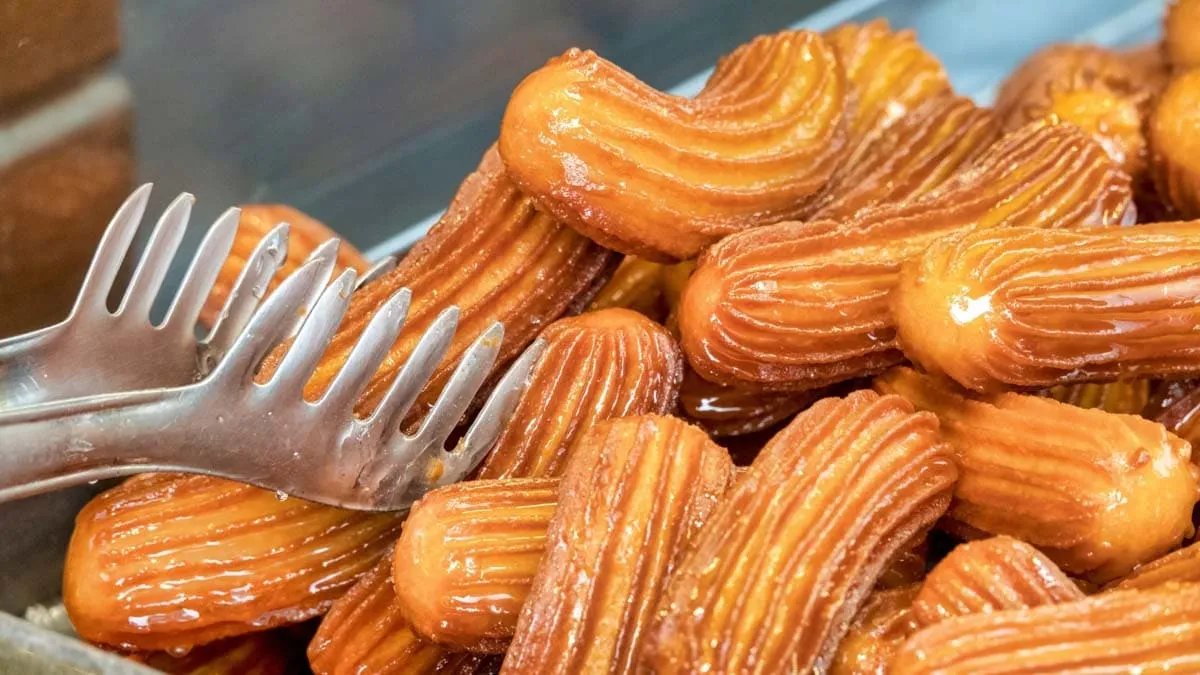 The Big Turkish Food List The wide-angle view of the whole cuisine.
 -
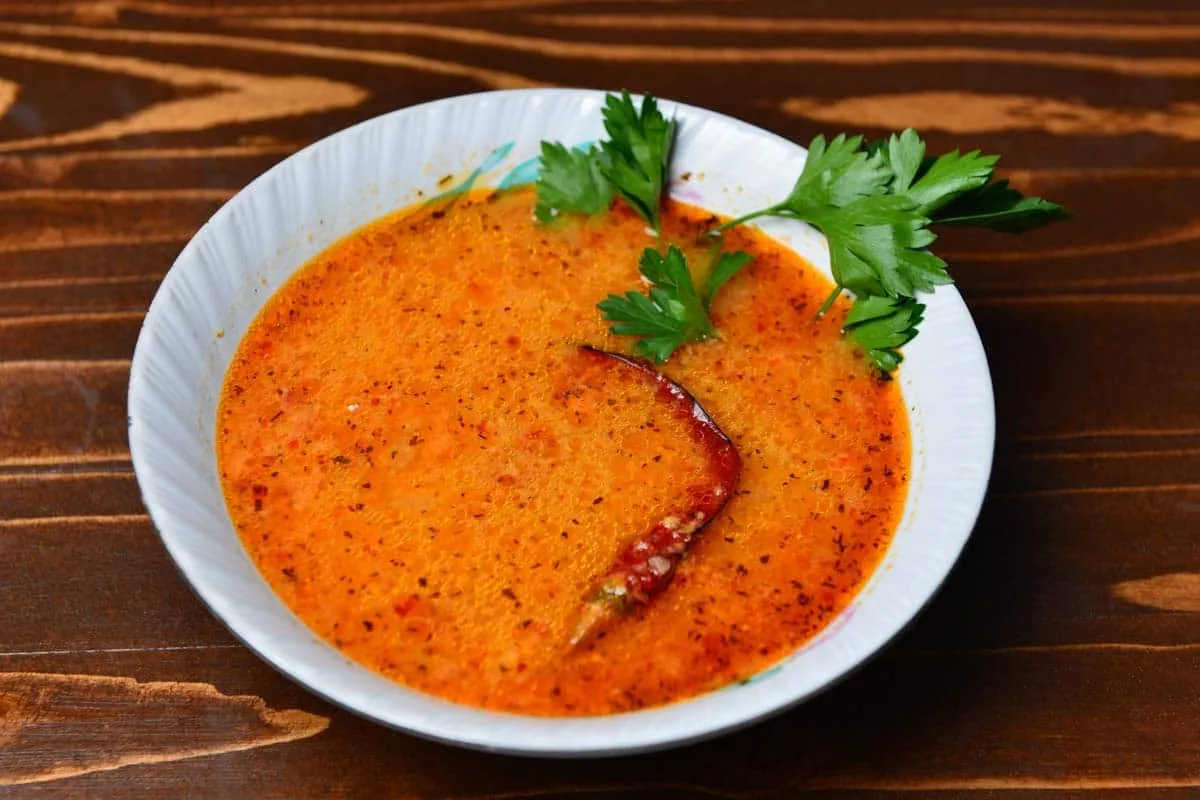 Best Soup in Istanbul The çorba culture, from lentil soup to late-night tripe soup.
 -
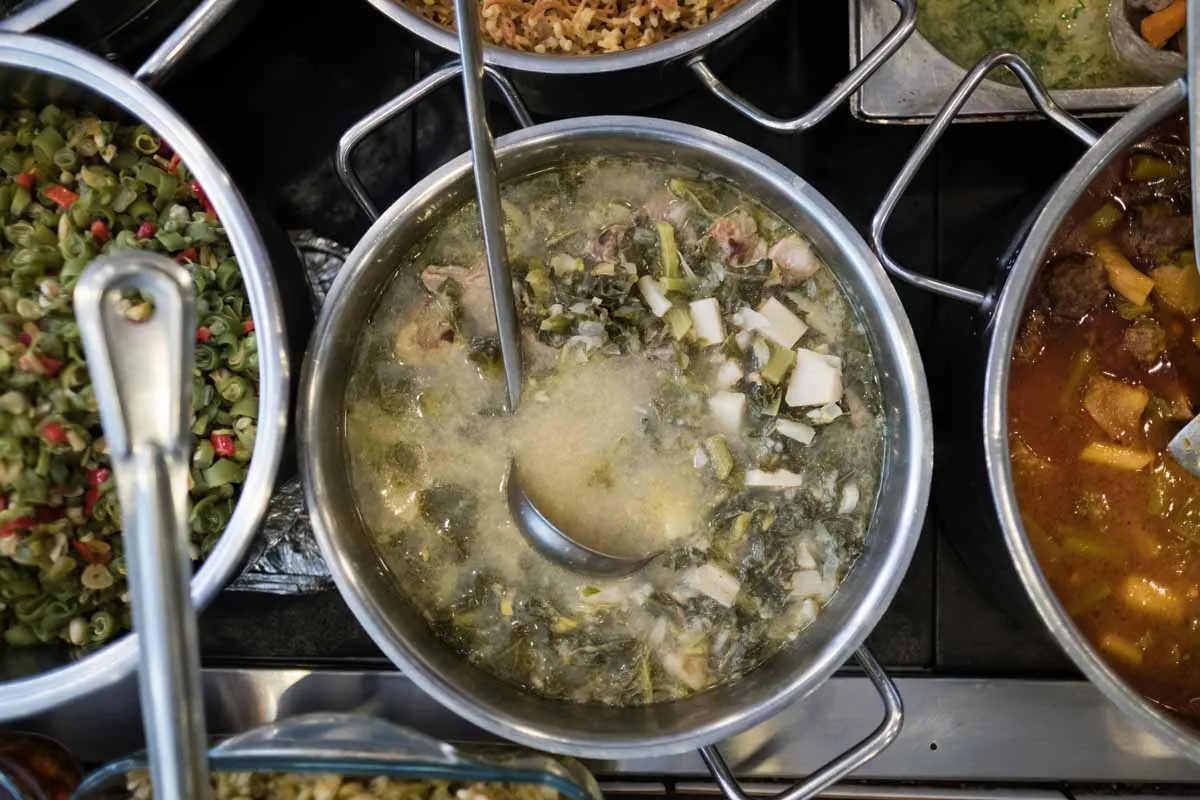 Turkish Cuisine, Explained The regions and history behind everything above.