How to Make Turkish Tea: The Two-Pot Çay Recipe, Step by Step
Turkish tea is brewed in two pots: black tea steeps in the upper pot while water boils below. Follow the traditional çay method, ratios, and serving tips.
Turkish tea is brewed with two pots: a small one holding a very strong brew, and a larger one holding plain boiled water. Each glass gets mixed from both at the moment of serving. That split is the core of the method, and it is what most homemade attempts miss.
More than a few visitors leave Turkey with the taste of Turkish tea fresh on their palates, and more than likely with a box or two in their luggage. Çay is a corner of Turkish cuisine you can recreate at home with two pots and the right leaves. Anyone can manage the steps. The tricks decide the result: they cannot rescue poor tea, and skipping them wastes good tea. For where the tea habit fits into eating your way through the city itself, start with our Istanbul food guide.
What you need at a glance
| Item | What the recipe calls for |
|---|---|
| Tea | Turkish black tea; 15 grams is the documented reference amount for 500 ml of water; weigh the leaves because teaspoon volume varies |
| Water | Fresh water, brought to a full boil in the lower pot |
| Pots | A stacked çaydanlık, with a small upper pot and a larger lower pot |
| Teapot | Metal, glass, or porcelain; the stacked method matters more than the material |
| Glasses | Small tulip-shaped glasses, with concentrate diluted to each drinker’s taste |
Which tea to buy
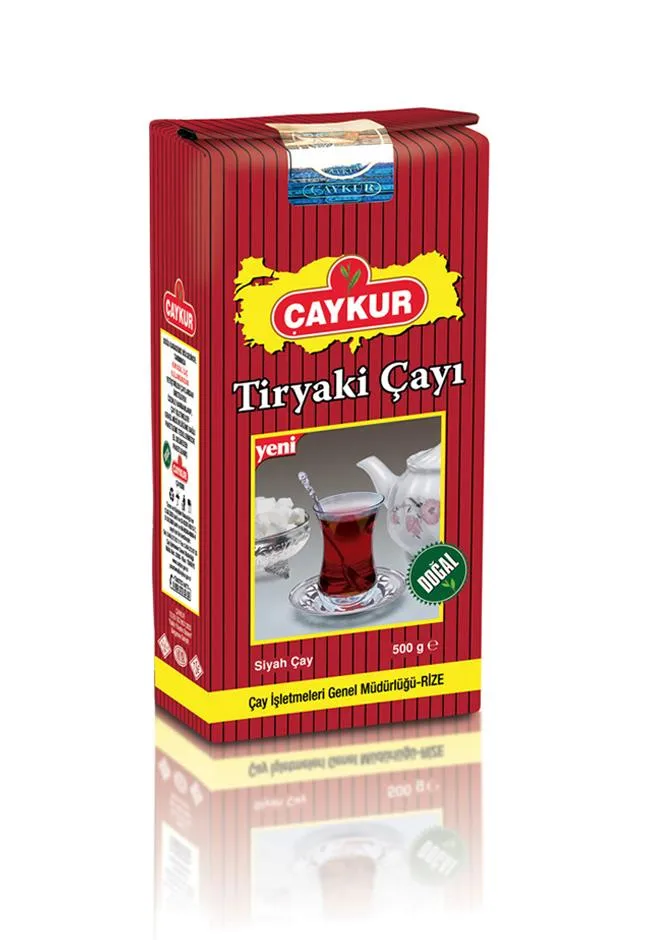
Tea is grown along Türkiye’s eastern Black Sea coast, and several brands and blends are available. Çaykur Tiryaki Çayı is one widely distributed example, but another unflavored Turkish loose-leaf black tea can work with the same method.
Why the water and the pot matter

Turkish black tea is fully oxidized and is normally brewed with freshly boiled water. Water quality can affect the taste, so use fresh water that tastes good on its own. Metal, glass, and porcelain pots can all work; controlling the heat and keeping the leaves out of a rolling boil matter more than the material.
How to make Turkish tea, step by step
The proper method takes four steps:
- Fill the lower pot with fresh water. Put the dry black tea in the empty upper pot and stack it above the lower pot.
- Bring the lower pot to a boil. Pour enough boiled water over the leaves in the upper pot to make a concentrated brew, then refill the lower pot with fresh water.
- Restack the pots. Bring the lower water back to a boil, then reduce the heat so the upper pot stays hot while the leaves steep. Start checking the brew after about 13 minutes; 15 minutes is a practical reference point.
- To serve, pour a little concentrate from the upper pot into each glass, then dilute it with hot water from the lower pot. Use more concentrate for koyu (dark or strong) tea and less for açık (light or weak) tea.
How to make Turkish tea without a çaydanlık
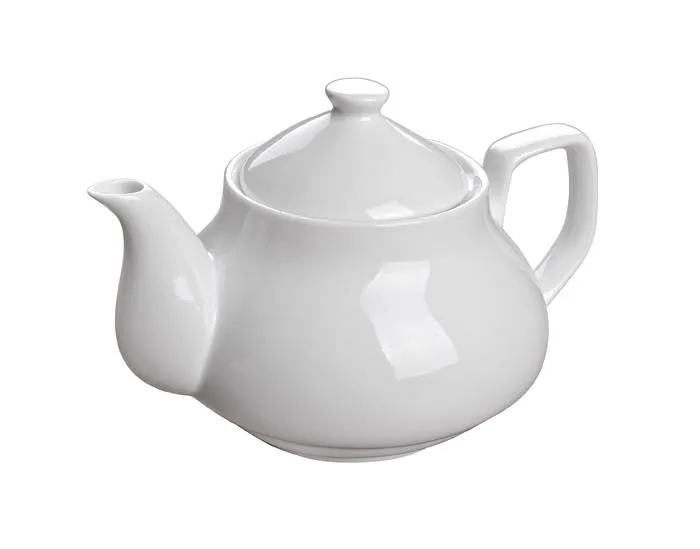
Use a heatproof teapot and a separate kettle. Put 15 grams of Turkish black tea in the teapot, boil 500 milliliters of fresh water in the kettle, and pour enough water over the leaves to make a strong concentrate. Cover the teapot and let it steep for about 13 to 15 minutes. Keep the remaining water hot, but do not put the tea leaves over direct heat.
Pour the concentrate into small glasses and dilute each one with hot water. This does not reproduce the gentle heat of a stacked çaydanlık exactly, but it keeps the two essential parts of the method: the leaves steep rather than boil, and each drinker controls the final strength.
Why Turkish tea turns bitter, weak, or cloudy
| Problem | Likely cause | What to change next time |
|---|---|---|
| Bitter or harsh | The leaves boiled, steeped too long, or sat over high heat | Keep the upper pot away from direct heat and serve once the concentrate is ready |
| Weak | Too little tea, too short a steep, or too much dilution | Use the 15 g to 500 ml reference ratio and add more concentrate to the glass |
| Cloudy | The concentrate was disturbed or held too long | Let the leaves settle, pour gently, and make a fresh batch rather than repeatedly reheating it |
| Flat aroma | Stale leaves or water that has been boiled several times | Use a freshly opened tea and fresh water |
| Leaves in the glass | The concentrate was poured before the leaves settled or the pot has no effective strainer | Let the leaves settle, pour slowly, or use a fine tea strainer |
Can Turkish tea be reheated or stored?
The lower pot can stay hot while you serve, but repeatedly reheating the upper concentrate makes it harsher. Brew only what you expect to drink in one sitting. If the concentrate has cooled or has been standing long enough to taste stewed, start again rather than boiling it back to life.
We hope the recipe sticks and the brewing continues. Once çay is part of your routine, the companion skill is how to make Turkish coffee, and the rest of the glass-and-cup lineup waits in our guide to Turkish drinks. Afiyet olsun, and enjoy your tea.