Turkish Desserts: 18 Sweets to Try, from Baklava to Katmer
The 18 Turkish desserts worth ordering: baklava, künefe, lokum, katmer, fırında sütlaç and more, with what each one is and the customs behind it.
Turkish desserts fall into three broad families: syrup-soaked pastries like baklava, künefe, and katmer; milk puddings like fırında sütlaç, keşkül, and traditionally chicken-based tavukgöğsü; and confections like lokum, helva, and pişmaniye. This guide covers all 18 worth ordering, what each one actually is, and the traditions attached to it. It is the dessert chapter of our larger guide to the best food in Istanbul. Dessert makes more sense beside the savory dishes, markets, and rituals around it, which is why many visitors choose to taste Istanbul with a local rather than hunt every sweet separately.
A quick word on who this list serves. First-time visitors can work from the top; the opening entries cover several common first choices. Vegetarians should read entry 4 before ordering anything from a pudding shop. If syrup-heavy sweets wear you out fast, skip ahead to güllaç and keşkül, two gentler options. And if you are shopping for people back home, the candies in entries 3, 11, and 14 travel well.
The 18 desserts at a glance
| Dessert | Family | Served | Dietary caution | Season or occasion | Best for |
|---|---|---|---|---|---|
| Baklava | Syrup pastry | Room temperature | Wheat, dairy, and usually pistachio or walnut | Year-round; also shared at celebrations | Eating now or buying boxed |
| Künefe | Hot cheese pastry | Hot | Dairy and wheat | Year-round | Eating immediately |
| Lokum | Confection | Room temperature | Nut varieties contain nuts; recipes vary | Year-round; served with coffee | A portable gift |
| Tavukgöğsü | Milk pudding | Cold | Dairy; traditional recipes contain chicken | Check current shop availability | An unusual local pudding |
| Fırında sütlaç | Rice pudding | Cold or warm | Dairy; some recipes use egg | Year-round | A lighter finish |
| Revani | Syrup cake | Room temperature | Wheat, egg, and dairy are common | Home meals and celebrations | Semolina-cake fans |
| Tulumba | Fried syrup pastry | Room temperature | Wheat; fried in shared oil | Year-round, common during Ramadan | A very sweet street snack |
| Un helvası | Flour helva | Warm or room temperature | Wheat and dairy | Memorial gatherings; also served after fish | Toasted, buttery flavors |
| Aşure | Grain and fruit pudding | Cold or room temperature | Contains wheat and often nuts | The month of Muharram | A fruit-and-grain dessert |
| Ayva tatlısı | Poached fruit | Cold or room temperature | Often served with dairy and nuts | Quince season, mainly fall and winter | A fruit-led dessert |
| Cevizli sucuk | Grape-and-walnut confection | Room temperature | Walnuts; the coating may contain wheat flour | Year-round | Carrying or sharing later |
| Dondurma | Ice cream | Cold | Dairy; salep is standard in Maraş-style versions | Especially popular in warm weather | A chewy frozen dessert |
| Güllaç | Milk dessert | Cold | Dairy and often nuts | Ramadan | A delicate milk dessert |
| Pişmaniye | Pulled sugar confection | Room temperature | Wheat and dairy are common | Year-round | A boxed gift |
| Helva | Tahini or semolina sweet | Varies | Sesame in tahini helva; wheat and dairy in semolina helva | Celebrations and memorial gatherings | Dense, nutty sweetness |
| Lokma | Fried syrup dough | Warm or room temperature | Wheat; fried in shared oil | Sometimes distributed at memorials | A bite-size syrup sweet |
| Katmer | Layered pistachio pastry | Warm | Wheat, dairy, and pistachio | Often eaten at breakfast in Gaziantep | Sharing fresh from the oven |
| Keşkül | Almond milk pudding | Cold | Dairy and almond | Year-round | A gentle pudding-shop order |
Cross-contact and recipes vary by shop. If an allergy matters, ask about the specific batch rather than relying on the dessert name alone.
Which Turkish dessert should you order first?
- Crisp and syrupy: start with pistachio baklava. Choose tulumba or lokma when you want the fried-dough version of the same sweet contrast.
- Hot and cheesy: order künefe and eat it as soon as it reaches the table. Katmer is the flaky, pistachio-heavy alternative without the cheese pull.
- Light and milky: choose fırında sütlaç, keşkül, or güllaç. Güllaç is easiest to find during Ramadan.
- Easy to carry: choose a sealed box of lokum or pişmaniye, or a wrapped length of cevizli sucuk. For named counters and shops, use our separate guide to dessert shops in Istanbul.
1. Baklava
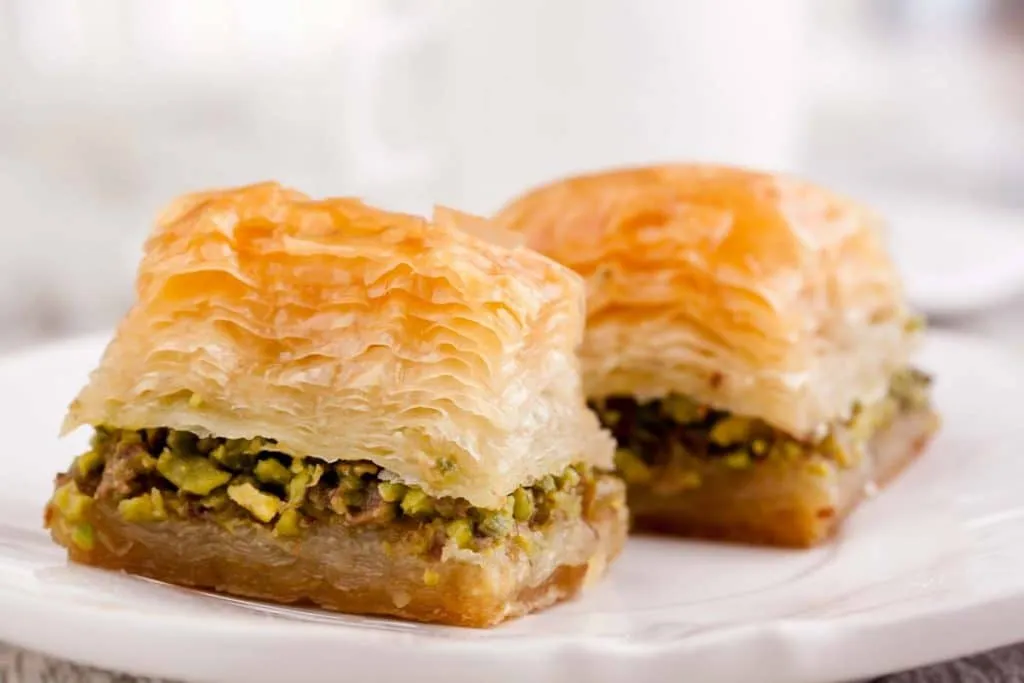
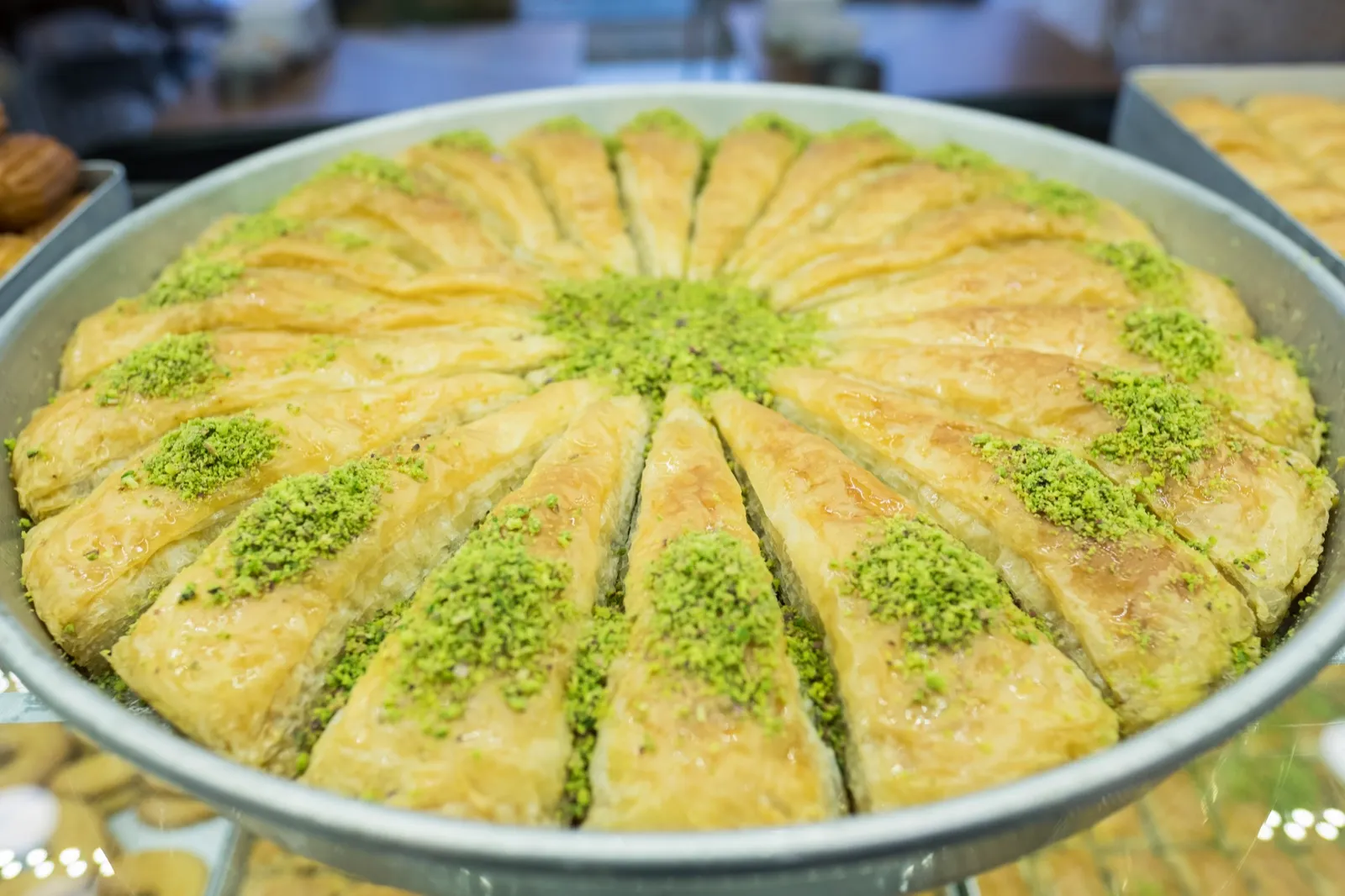
The pinnacle of Turkish desserts. Crisp layers of phyllo dough are packed with ground pistachios, baked, then drenched in a honey-like sugar syrup infused with lemon. Each piece crunches, then turns buttery. You can hear a good baklava before you taste it.
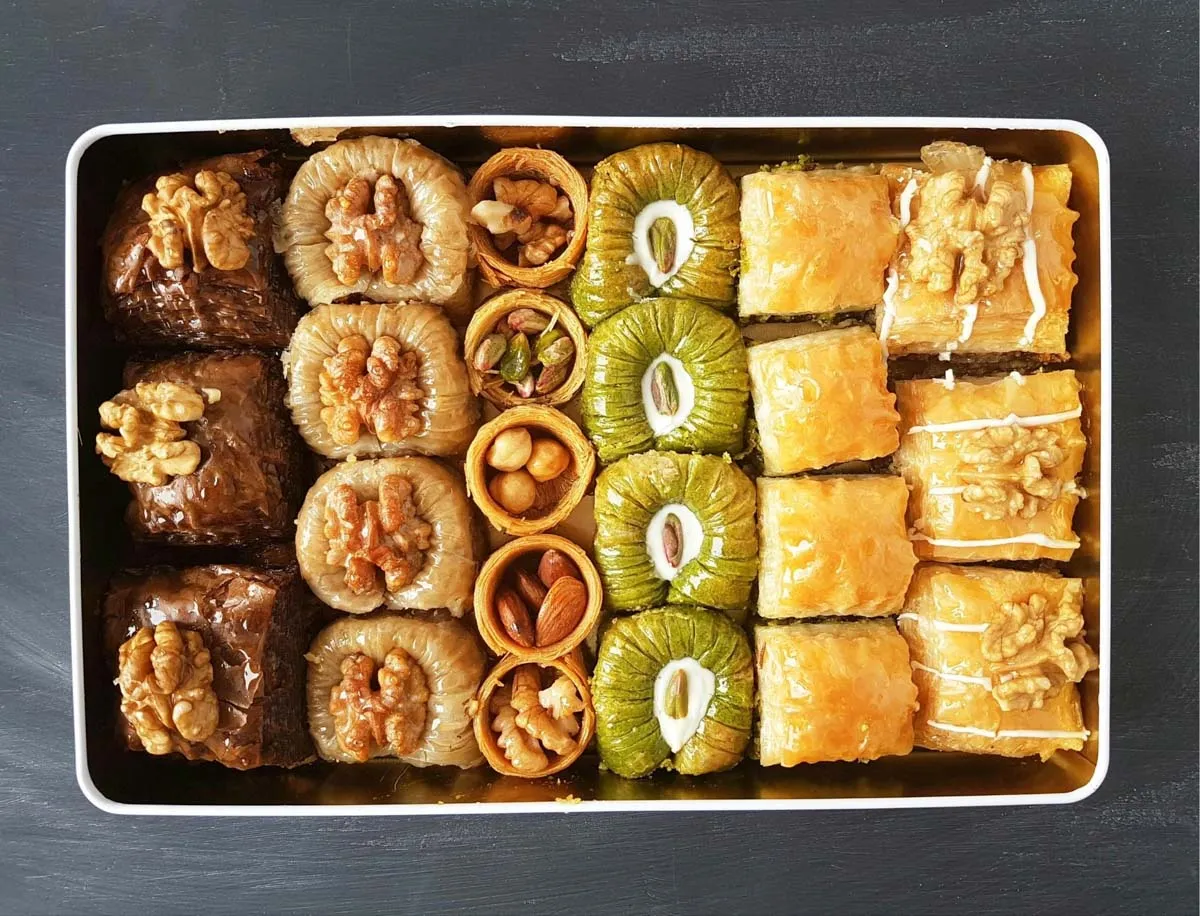
The craft is strongest in the southeastern city of Gaziantep, and Antep baklava is registered with the European Commission as a Protected Geographical Indication. Baklava was also part of Ottoman palace cooking, though reducing its long regional history to a single palace origin is too neat. Pistachio is the classic in Gaziantep, while walnut, almond, hazelnut, clotted cream, and chocolate versions also exist; we count the full range in our guide to baklava types. When you are ready to taste rather than read, here is where to find the best baklava in Istanbul.
2. Künefe
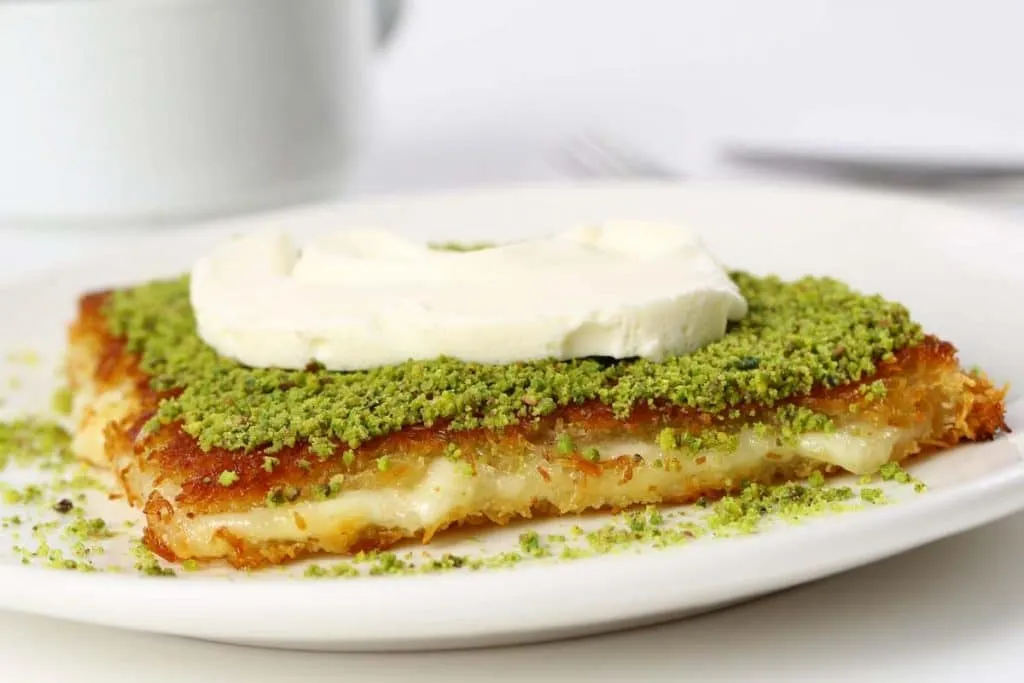
Known as knafeh to Arabic speakers, künefe has been around for centuries. Shredded kadayıf pastry is soaked in sugar syrup, which sounds familiar until you hit the center: creamy, unsalted cheese. The contrast of sweet crisp threads and mild cheese is the whole point. The version associated with Hatay is widely served in Istanbul; we keep a running list of the best künefe in Istanbul.
3. Lokum (Turkish Delight)
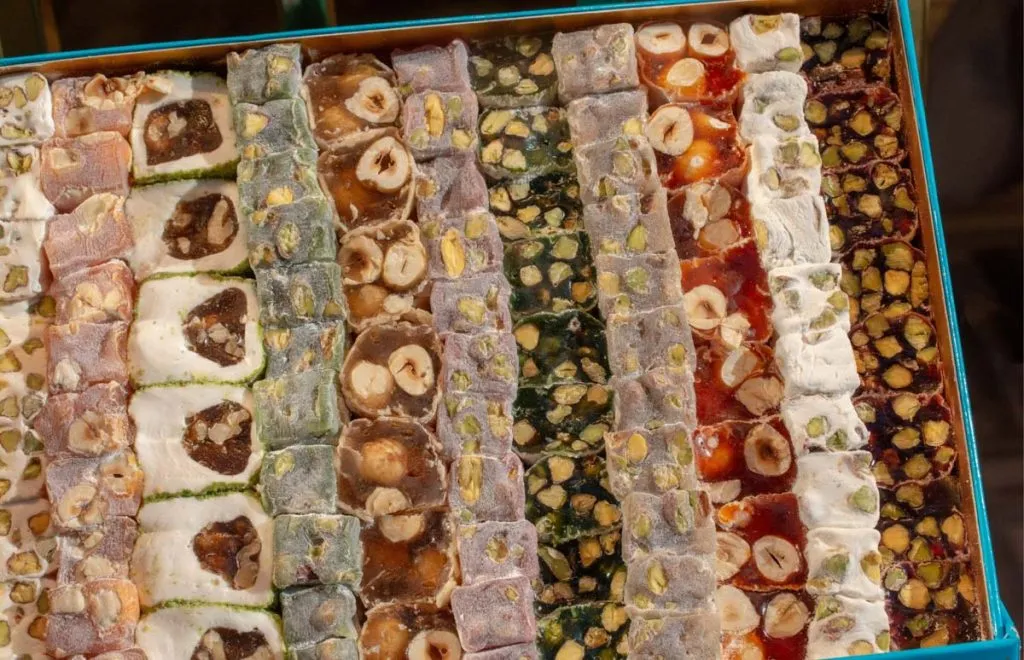
The candy is famous enough that C.S. Lewis used it as a bribe in “The Lion, the Witch and the Wardrobe.” One older name, rahatü’l-hulkum, is commonly translated as “comfort of the throat.” Modern lokum comes in many shapes, flavors, and fillings.
Freshness and recipe affect lokum’s texture. Look for a dense, springy bite and check whether the pieces contain nuts, shredded coconut, fruit, or rose flavoring. It is often served beside a cup of Turkish coffee.
4. Tavukgöğsü (chicken pudding)
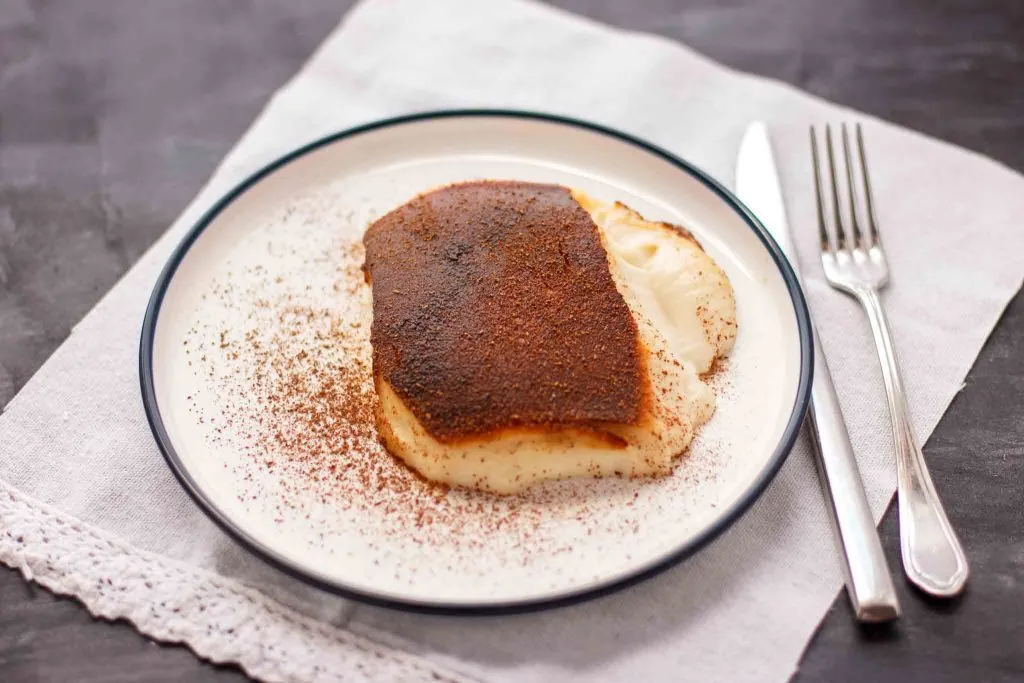
Tavukgöğsü translates as “chicken breast.” Traditional recipes combine finely shredded chicken with a thick milk pudding, although modern shop versions vary. It is associated with Ottoman cooking and is often served with cinnamon. It also appears in our guide to traditional Turkish dishes.
5. Fırında sütlaç
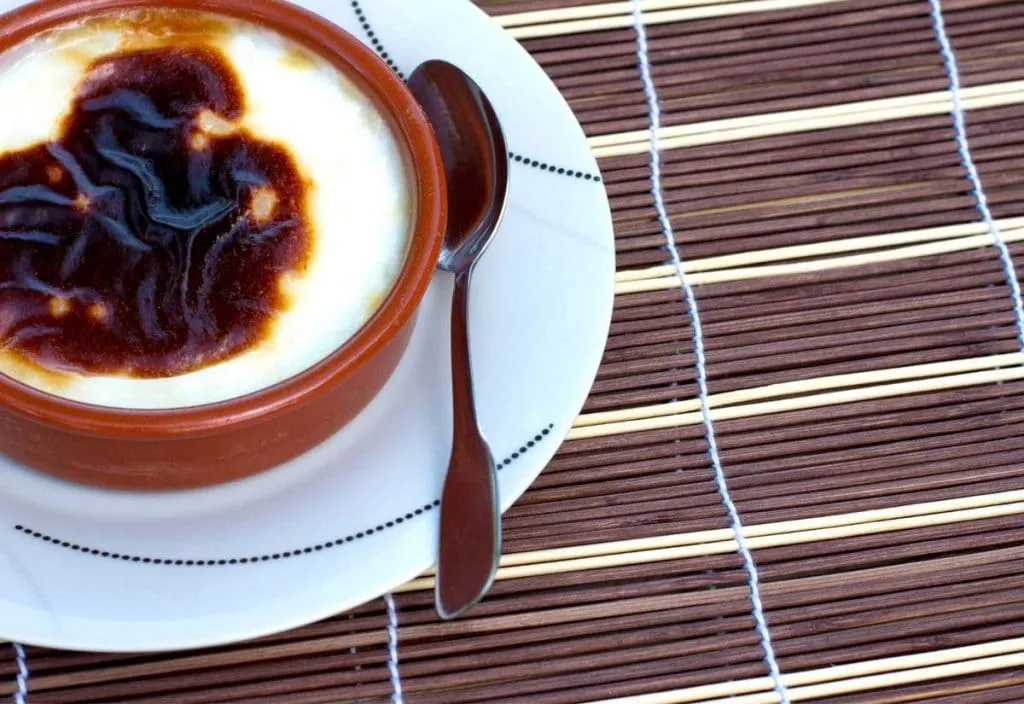
There are rice puddings, and then there is fırında sütlaç. The idea is simple: bake the rice pudding. The Maillard reaction does the rest, building a caramel-colored top and a deeper sweetness underneath. Somewhere between rice pudding, souffle, and custard, it is usually served cold but holds up warm. This is comfort food in the strictest sense.
Once you know what to look for, we have ranked the best sütlaç in Istanbul bowl by bowl.
6. Revani
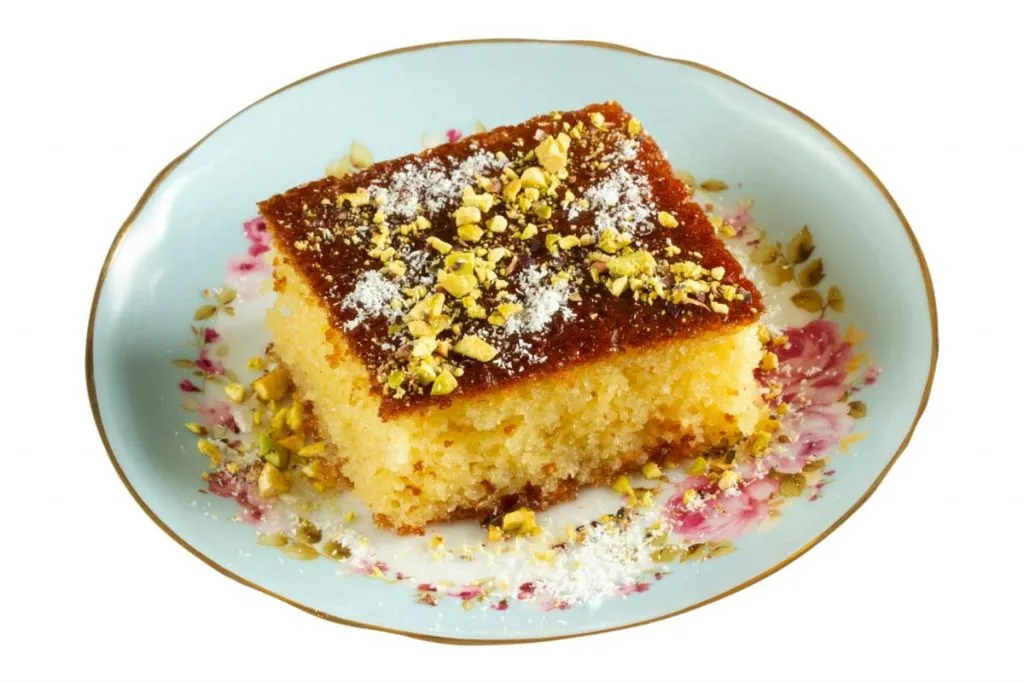
Revani is a semolina cake soaked in syrup and often flavored with citrus. Recipes vary across Türkiye and neighboring cuisines, with differences in texture, flavoring, and garnish. It has a semolina-based relative worth knowing: irmik helvası.
7. Tulumba
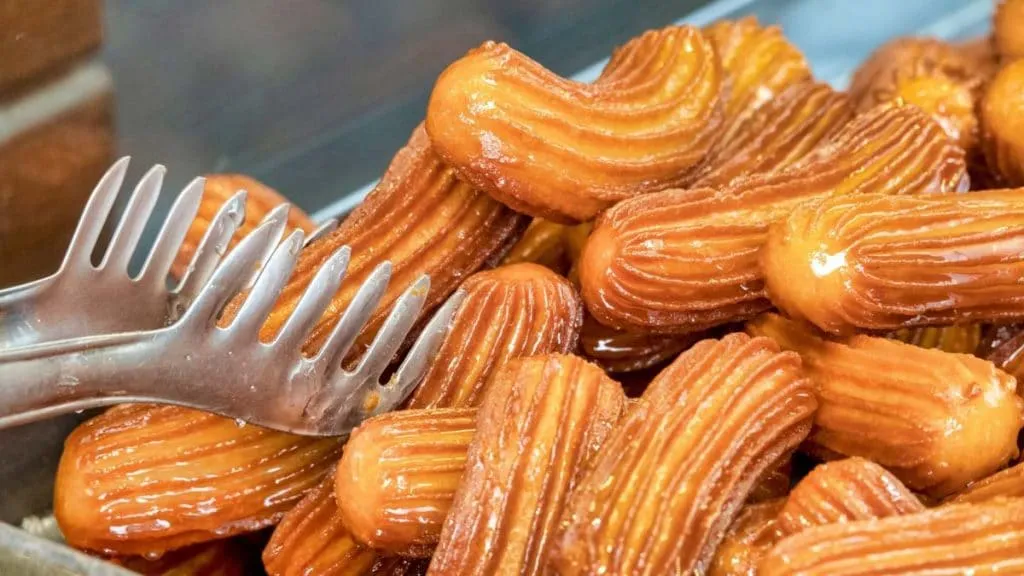
If you love jalebi or churros, this is your branch of the family tree. Picture the juiciest doughnut you have ever eaten, then double the moisture. Ridged lengths of dough are deep-fried, then bathed in syrup, and somehow the result stays crisp outside while soaking through inside. Tulumba is associated with Ramadan but sold year-round, and it is a fixture of Istanbul street food.
8. Un helvası
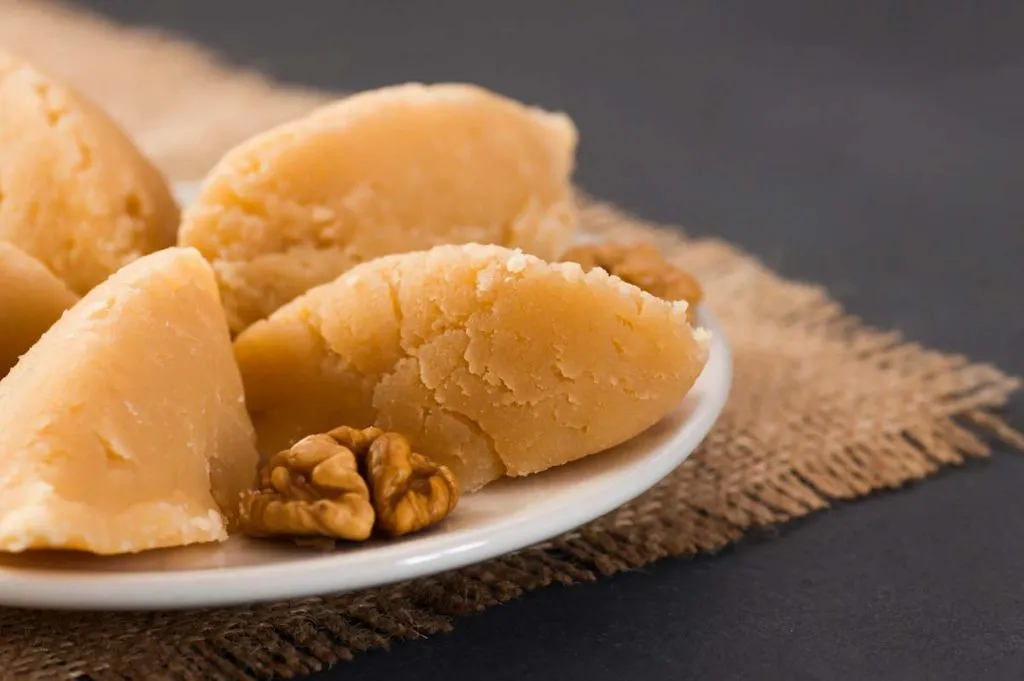
Helva spans the Balkans, Africa, and Asia, and Turkey alone has a whole catalog of versions. Un helvası, the flour helva, is typically shaped like small cookies. Flour roasted slowly in butter gives it a silky texture that dissolves on the tongue, which makes it a natural partner for bitter tea or coffee.
Flour and semolina helvas appear in several social traditions. Some diners serve helva after fish, and families may prepare and share it at memorial gatherings. Customs vary by region and household.
9. Aşure
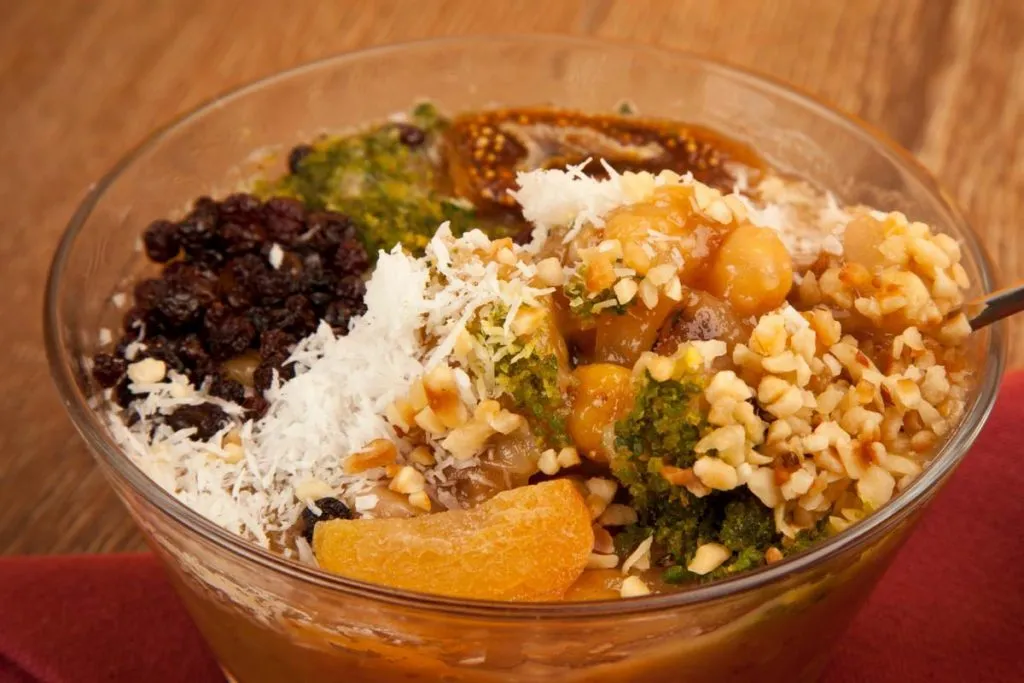
Also called Noah’s pudding. One traditional story says that when the ark came to rest, a pudding was improvised from the supplies that remained. Aşure is still commonly prepared in quantity and shared with neighbors during Muharram.
There is no fixed recipe. Somewhere between pudding and porridge, a bowl might hold grains, nuts, dried fruits, and pine nuts, often twelve or more ingredients in total. Many versions are made without animal products, but recipes and shared kitchens vary, so plant-based eaters should still ask.
10. Ayva tatlısı
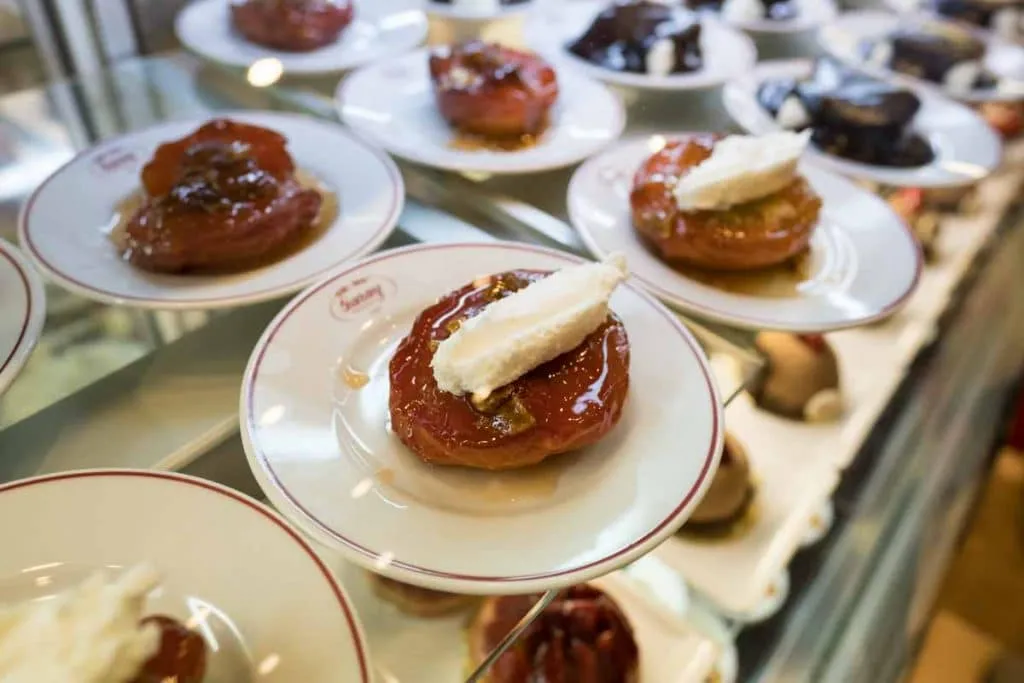
The quintessential quince dessert, and a winter ritual. Quince is poached in sugared water with spices like clove and cinnamon, then thickened with pectin until soft and glossy. Along the way the pale yellow fruit turns a deep pomegranate pink. It usually arrives with a spoonful of cream and a scatter of nuts. If your visit lands in the cold months, order it.
11. Cevizli sucuk
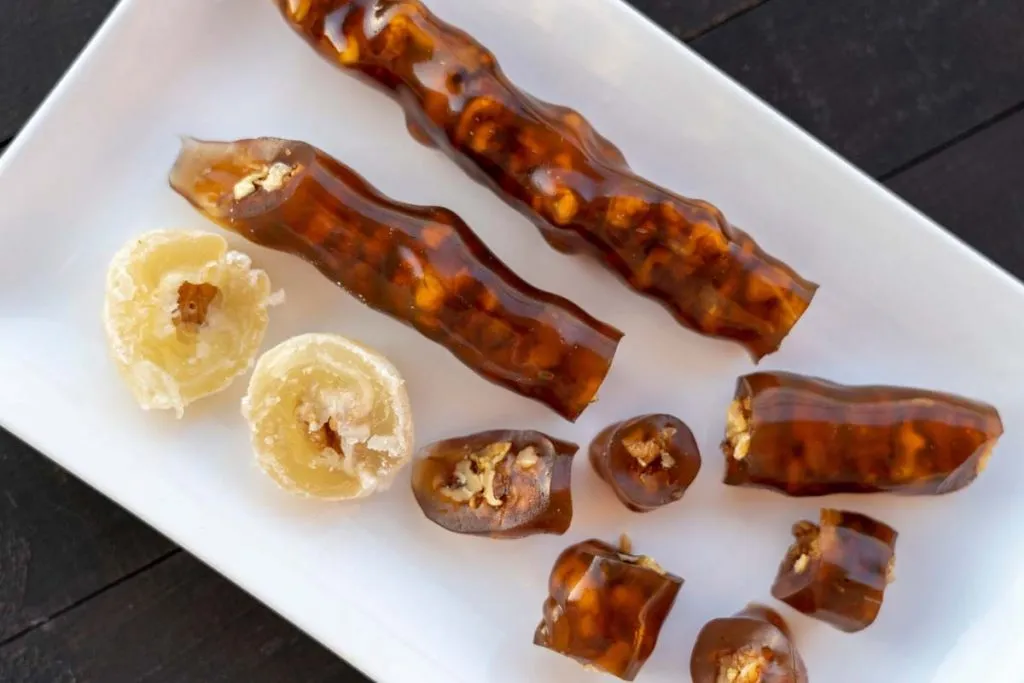
Named for its resemblance to sucuk, the Turkish sausage, though the confection itself contains no meat. Walnuts are threaded on a string and dipped repeatedly in thickened grape must until coated. Some recipes use flour to thicken that coating, so anyone avoiding gluten should ask before ordering. The result is chewy, nutty, and less syrupy than most sweets on this list.
12. Dondurma
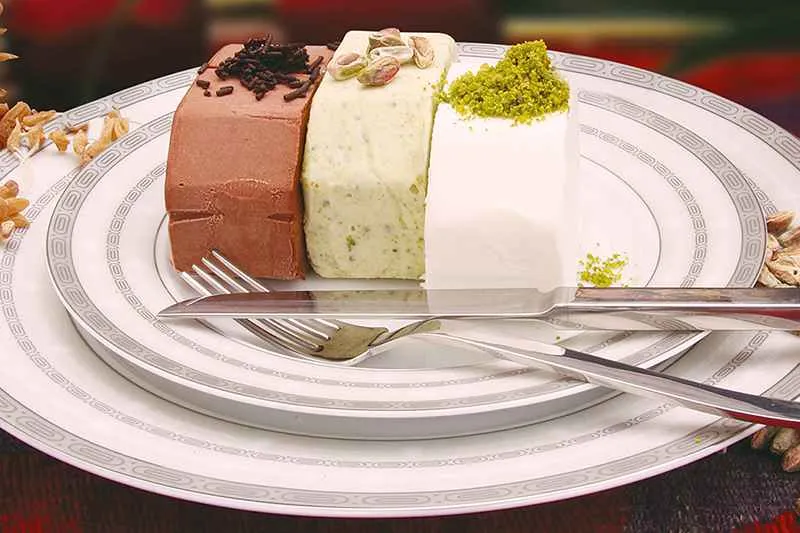
Turkish ice cream plays by its own rules. The famous style comes from the city of Maraş and gets its character from salep, ground orchid tubers, which make it thick, chewy, elastic, and slow to melt. Dense versions can be cut with a knife and fork. Street vendors are also known for stretching the ice cream and teasing customers with the cone before handing it over.
13. Güllaç
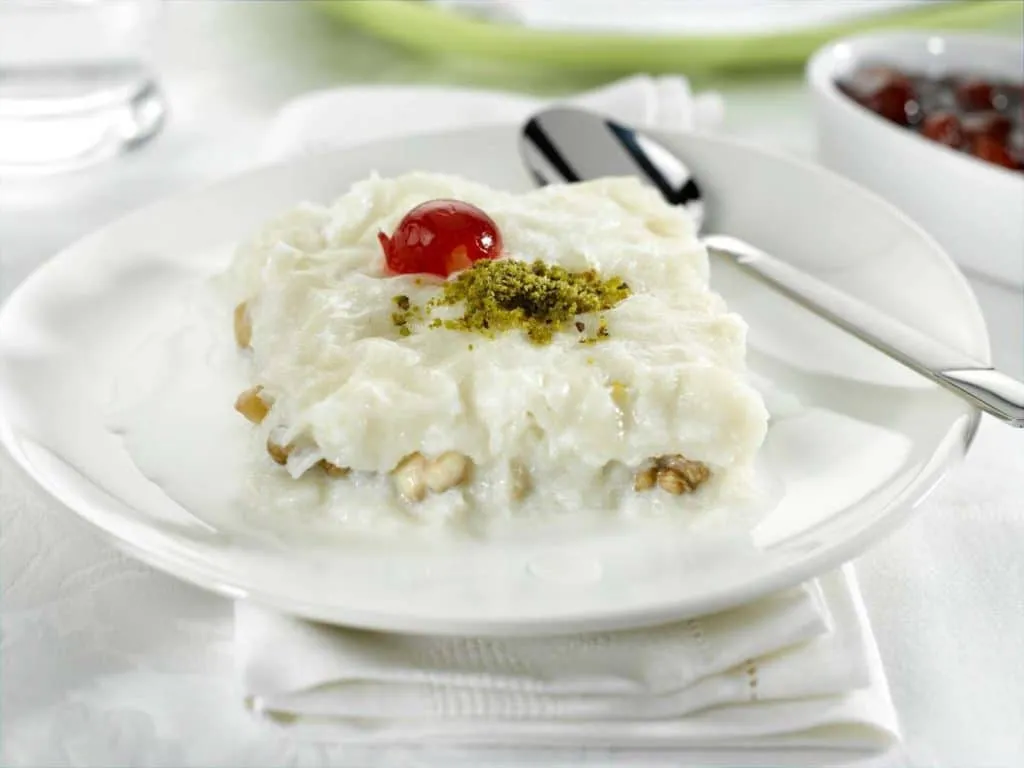
Güllaç is made by soaking thin starch sheets in sweetened milk, often scented with rose water, then finishing the layers with nuts or pomegranate seeds. The dessert is strongly associated with Ramadan and has a soft, delicate texture.
If baklava’s sweetness flattens you, güllaç is the answer: gentler, lighter, almost restrained. The dried sheets are sold in shops during Ramadan, packaged with instructions, which is also when you will find the finished dessert most easily.
14. Pişmaniye
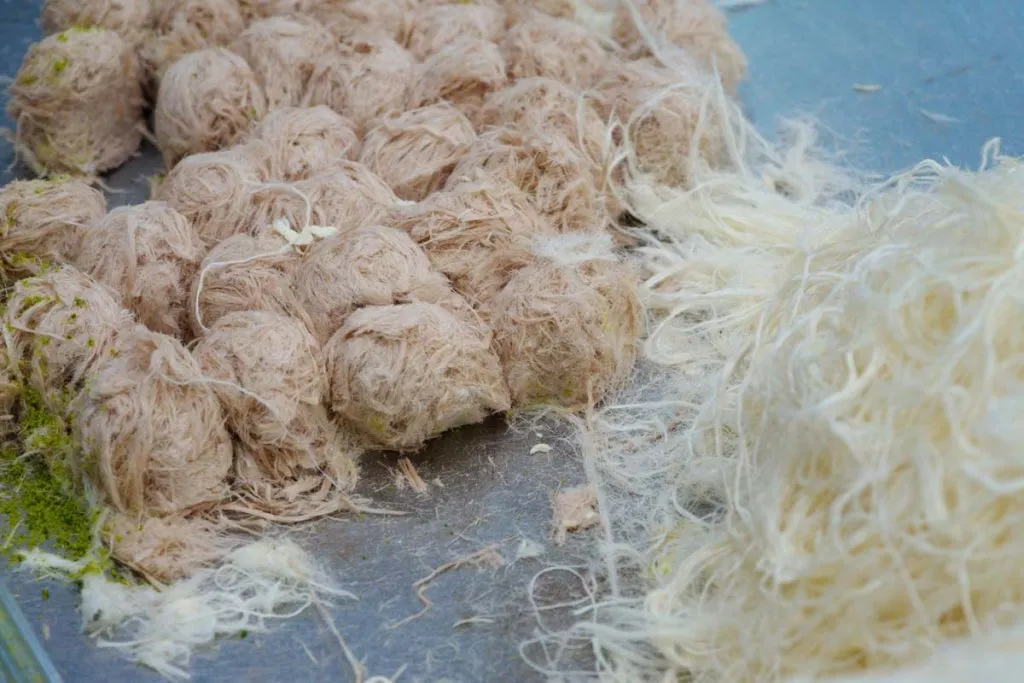
Often translated as Turkish cotton candy, which undersells it. Where cotton candy is airy sugar, pişmaniye is buttery, dense, and wool-soft, closer to its Asian sibling Dragon Beard candy with a deeper flavor. You will spot it in gift shops in plain and chocolate versions, and it makes a reliable souvenir. Its twin, saray helvası, is a worthy substitute.
Stories connect the name with the Turkish word pişman, meaning regret, but its etymology is debated. What matters at the counter is freshness: the fine strands should separate easily and melt on the tongue.
15. Helva
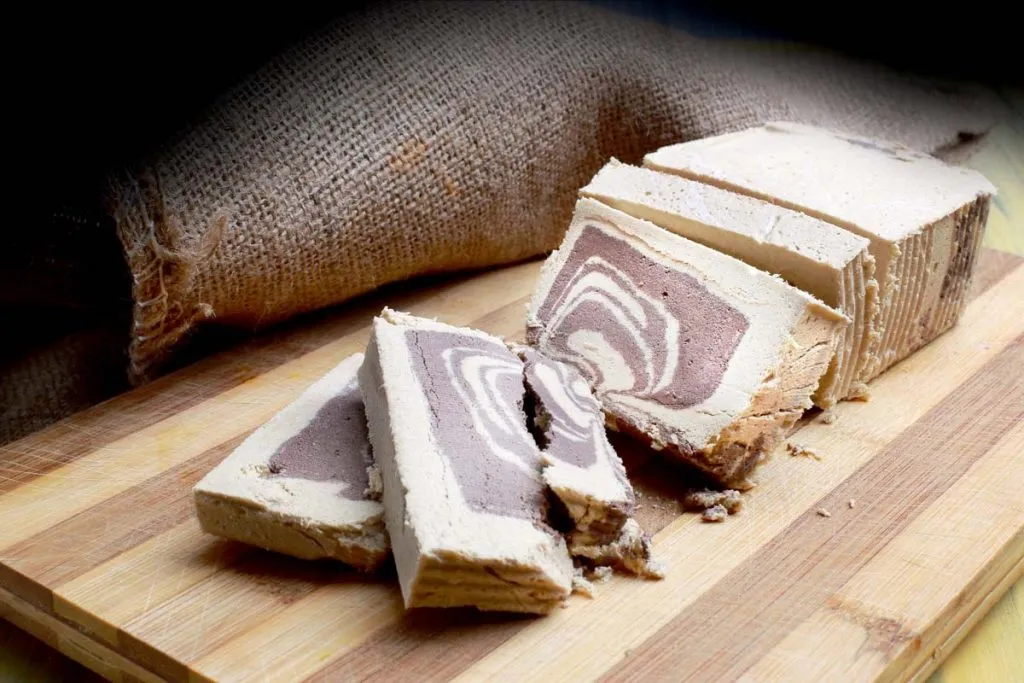
An international staple with a distinctly Turkish range, helva can refer to very different sweets. The warm semolina version is soft and spoonable. The cold tahini block is crumbly yet tender, with a nougat-like consistency. When you wander the bazaars of Istanbul, look for stacked blocks studded with nuts, fruit, and other fillings.
16. Lokma
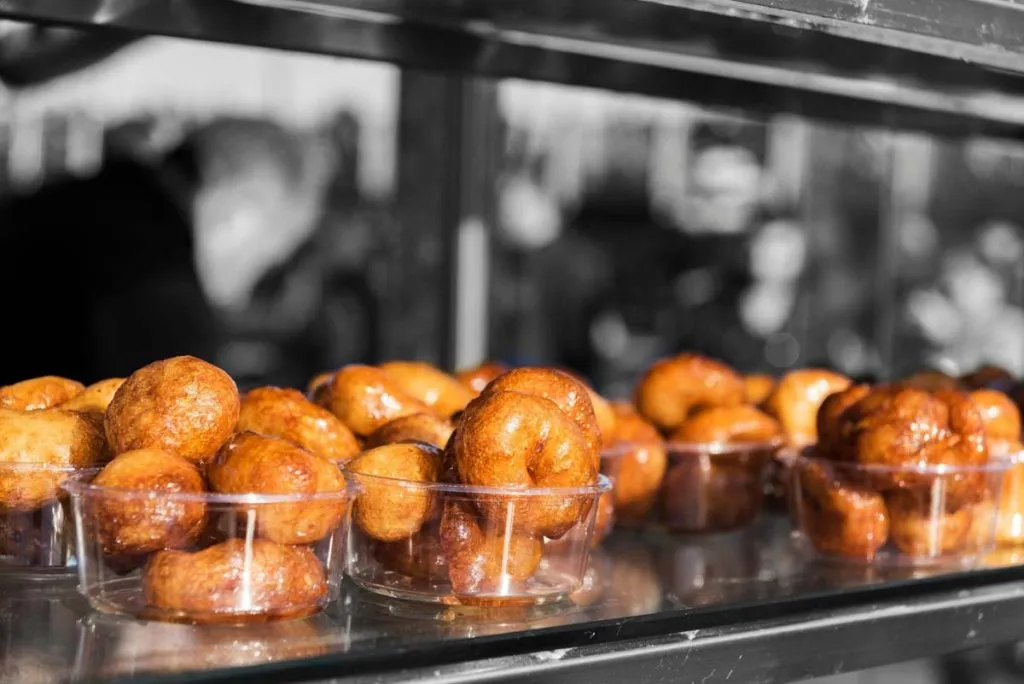
The name means “bite” or “morsel.” These small rounds of deep-fried dough come coated in syrup or honey, sometimes with cinnamon or other toppings. Families may also prepare and share lokma at memorial gatherings; the exact custom varies by community.
17. Katmer
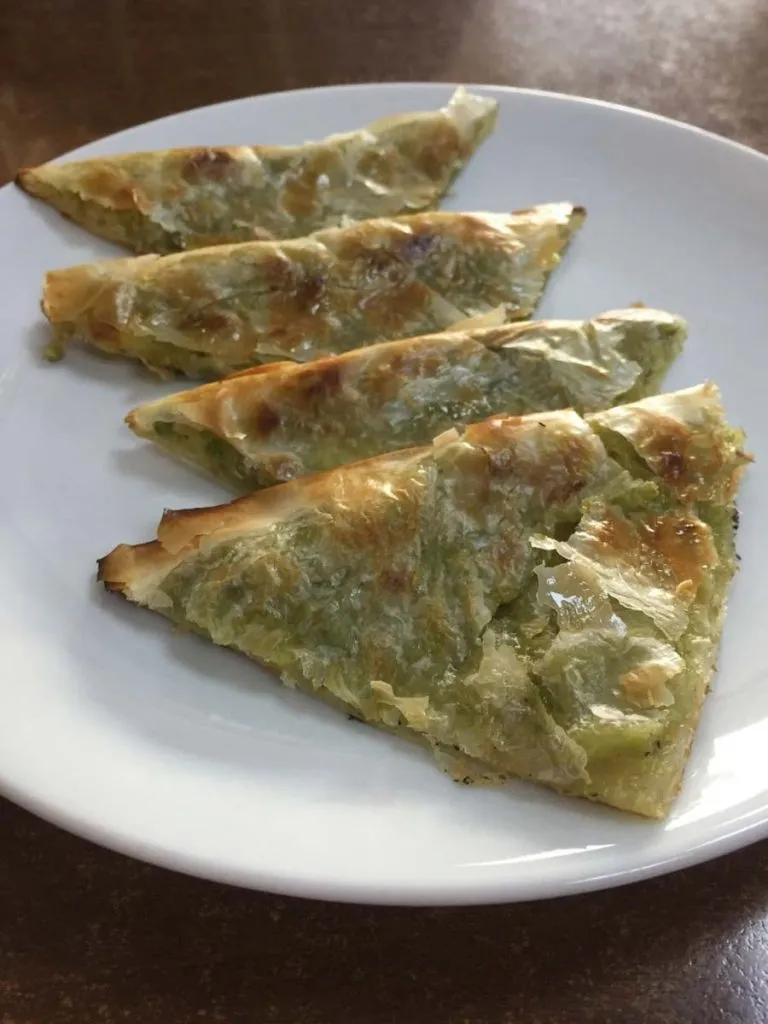
In Gaziantep, katmer is associated with breakfast and wedding traditions, including versions sometimes called “groom katmer.” The pastry is made from thin layered dough with pistachio, sugar, and cream, then cooked until crisp.
18. Keşkül
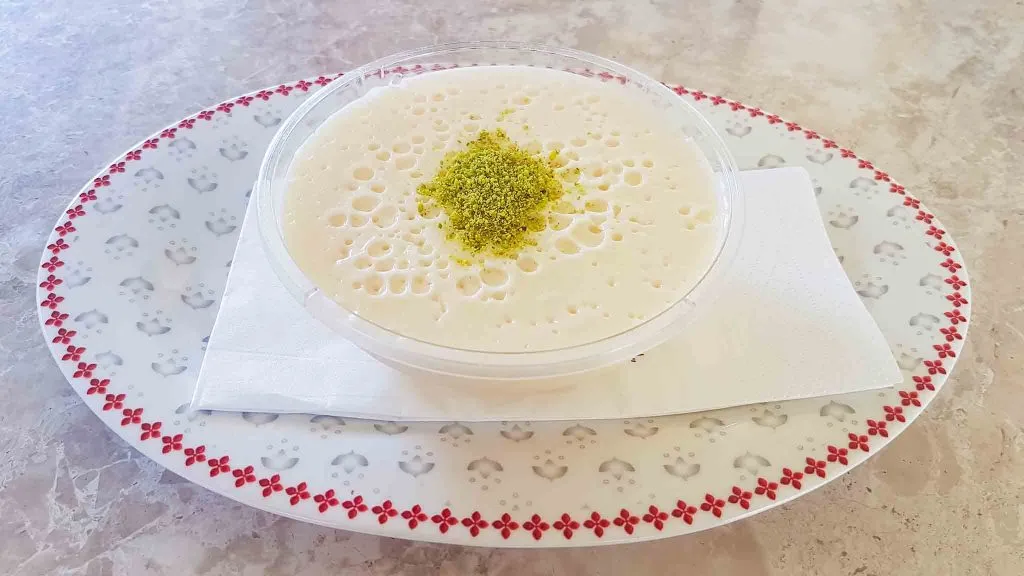
Keşkül is a smooth milk pudding flavored with almonds and often topped with shredded coconut or pistachios. It appears in some muhallebici pudding shops and patisseries, although availability varies.
Where to eat all of this
Knowing the desserts is half the work; the other half is finding the right counter. Our guide to the best dessert shops in Istanbul covers exactly that, shop by shop.