20 Best Markets and Bazaars in Istanbul, From the Grand Bazaar to Flea Markets
The 20 markets and bazaars in Istanbul worth your time: the Grand Bazaar and Spice Bazaar, weekly clothes pazars, antique streets, and Sunday flea markets.
Istanbul shops at its markets. Locals buy the week’s produce at the neighborhood pazar, trade gold inside the Grand Bazaar, and hunt for chandeliers in seven-floor antique buildings. This guide covers 20 of them, grouped into six types: historic bazaars, everyday street markets, weekly food and clothes pazars, farmers markets, antique markets, and flea markets.
Markets are also where you eat well between errands, so keep our Istanbul food guide open alongside this one.
The 20 markets at a glance
| Market | Area | Market day | Known for |
|---|---|---|---|
| Spice Bazaar | Eminönü, Fatih | Permanent | Spices, Turkish delight, cheaper streets outside |
| Grand Bazaar | Beyazıt, Fatih | Permanent | 3,600 shops, kilims, gold and silver trade |
| Arasta Bazaar | Sultanahmet | Permanent | Smaller, quieter, behind the Blue Mosque |
| Kadıköy Market | Kadıköy | Permanent | Produce and lower Asian-side prices |
| Beyazıt Book Market | Beyazıt, Fatih | Permanent | Second-hand books in a historic courtyard |
| Tahtakale streets | Eminönü, Fatih | Permanent | Wood, brass, porcelain, glass; wholesale lanes |
| Fatih Women’s Bazaar | Zeyrek, Fatih | Permanent | Honey, dried fruit, nuts, butchers |
| Beyoğlu Fish Market | İstiklal, Beyoğlu | Permanent | Fresh fish and 19th-century arcades |
| Kadıköy Tuesday Market | Hasanpaşa, Kadıköy | Tuesday | Cheap clothes and serious haggling |
| Ortaköy Sosyete Pazarı | Beşiktaş | Thursday and Sunday | Fashion, textiles, cosmetics |
| Yeşilköy Bazaar | Bakırköy | Wednesday | Around 2,000 indoor stalls, open 12 hours |
| Beşiktaş Saturday Market | Yıldız, Beşiktaş | Saturday | Clothes, with gözleme nearby |
| Feriköy Organic Bazaar | Şişli | Weekly | Organic seasonal produce under awnings |
| Inebolu Village Bazaar | Kasımpaşa | Sunday | Village food brought in from Kastamonu |
| Cihangir and Çukurcuma | Beyoğlu | Permanent | Antique shops spread across a neighborhood |
| Horhor Antique Market | Fatih | Permanent | 7 floors, more than 200 antique shops |
| Kadıköy Antikacılar Sokağı | Caferağa, Kadıköy | Permanent | A handful of antique shops on one of the oldest streets in town |
| Feriköy Antique Market | Şişli | Sunday | More affordable antiques under one roof |
| Dolapdere Flea Market | Dolapdere | Sunday morning | Finds from past eras, early start |
| Küçükpazar Flea Market | Fatih | Saturday morning | Flea stalls 20 minutes from the Spice Bazaar |
How to shop Istanbul’s bazaars
Prices at the famous bazaars start high, and Turks treat negotiation as a refined art. Make a counteroffer. Crowds are part of the deal, and so is a certain amount of theater from the shopkeepers; walk out if you feel pressured, because the next shop sells the same thing.
Historic markets in Istanbul
These are the oldest and most famous markets in the city, and the most touristed. Enough local character survives in and around them to reward a visit.
All 20 markets on one map
From the Grand Bazaar to Sunday flea markets. Open the map to see which markets share a morning.
- Spice Bazaar Rüstem Paşa
- Grand Bazaar Beyazıt
- Arasta Bazaar Sultan Ahmet
- Kadıköy Market Güneşli Bahçe street
- Beyazıt Book Market Mollafenari
- Tahtakale streets Hasırcılar street
- Fatih Women's Bazaar Zeyrek
- Beyoğlu Fish Market Sahne street on Istikl
- Kadıköy Tuesday Market Hasanpaşa
- Ortaköy High Society Bazaar Levazım Mahallesi
- Yeşilköy Bazaar Yeşilköy Mahallesi
- Beşiktaş Saturday Market Muradiye Mahallesi
- Feriköy Organic Bazaar Cumhuriyet
- Historic Inebolu Village Bazaar Fişekhane Deresi Cd. T
- Antique shops of Cihangir and Çukurcuma Cihangir
- Horhor Antique Sellers Market İskenderpaşa
- Kadıköy Antikacılar Sokağı Tellalzade street
- Feriköy Antika Pazarı Cumhuriyet
- Dolapdere Flea Market Yenişehir Mah. Hacı İl
- Küçükpazar Flea Market Küçükpazar
1. Spice Bazaar (Mısır Çarşısı)
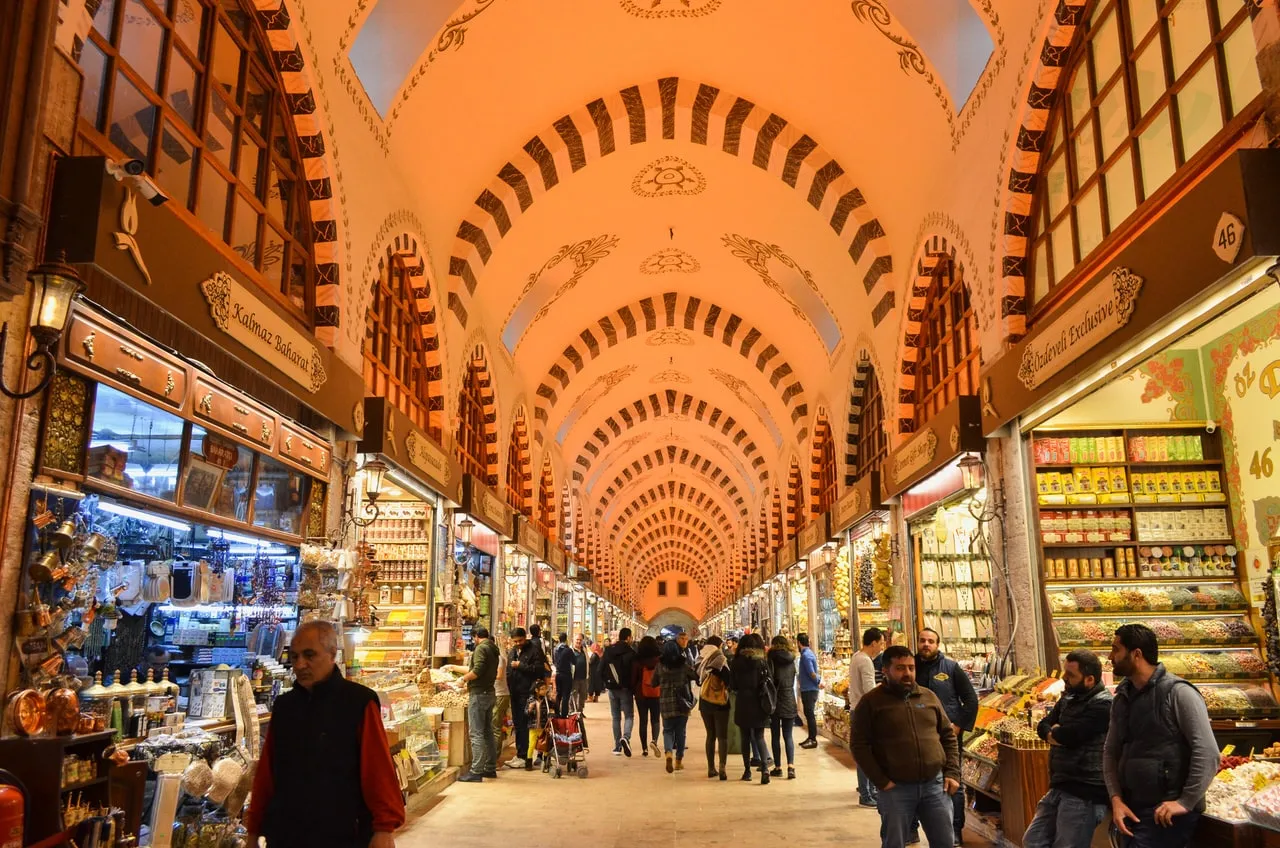
Also known as the Egyptian Bazaar, it was built after the Great Fire in 1660 and stocked with spices arriving from Egypt. The aroma from each of the 85 stalls pulls you in; the colors keep you there. Shopkeepers hand out samples of goods like rose-flavored Turkish delight, and the shelves run past food into cosmetics like pure henna powder.
When Istanbul locals hear the name Mısır Çarşısı today, they think of the streets lining and behind the building rather than the building itself, which leans touristy. Vendors along the exterior walls cater to locals: a small fish market on one side, and on the other, shops devoted to gardening, hardware, pet food, fish tank supplies, even pet birds. The streets around this 17th-century bazaar sell many of the same products at lower prices.
Address: Rüstem Paşa, Erzak Ambarı Sok. No:92, Fatih
2. Grand Bazaar (Kapalı Çarşı)
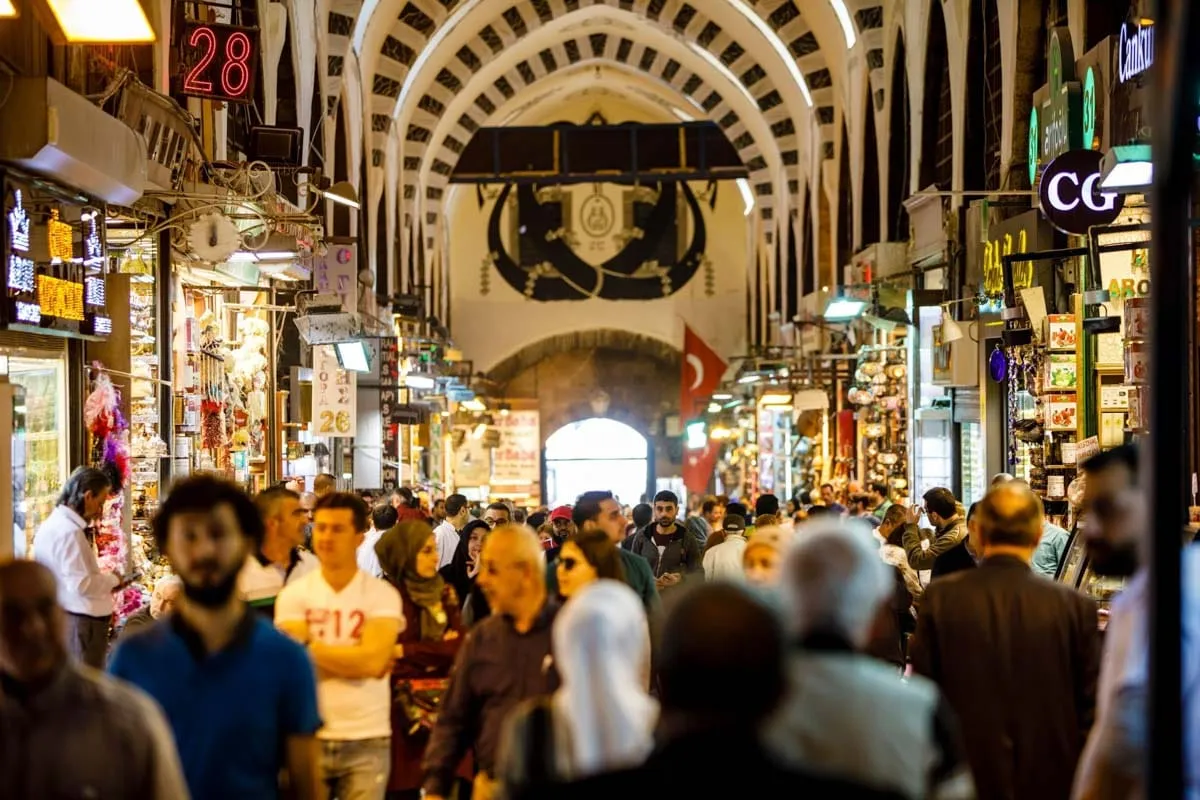
One of the largest and oldest bazaars anywhere, with more than 60 narrow streets and 3,600 shops. Even people with a good sense of direction get lost here, and getting lost is half the point. You could visit every day for a year and still get turned around. Turkey’s famous exports are all here, including the kilim, a high-quality handwoven carpet.
Locals shop at the Grand Bazaar too, especially for gold; this is where Istanbul’s gold and silver buying and selling happens. Our separate Grand Bazaar guide covers how to shop it without losing a whole day.
Address: Beyazıt, Kalpakçılar Cd. No:22, Fatih
3. Arasta Bazaar (Arasta Çarşısı)
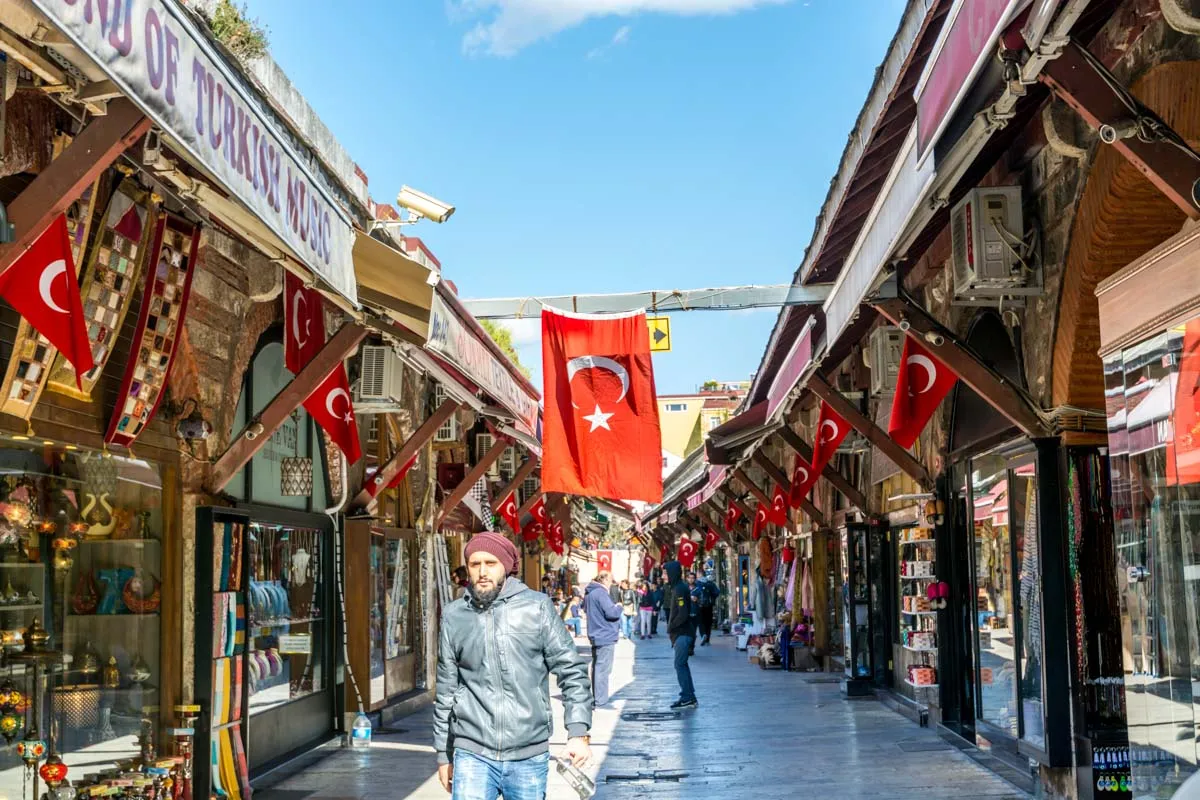
Tucked behind the Blue Mosque in Sultanahmet, the Arasta Bazaar works as a petite version of the Grand Bazaar. The salespeople push less, the streets stay quieter, and the handcrafts and clothing reward slow browsing. If crowds wear you down quickly, this is the historic bazaar to pick.
The Grand Palace Mosaic Museum sits a stone’s throw away.
Address: Sultan Ahmet, Mimar Mehmet Ağa Cd. No:2, Fatih
Everyday street markets in Istanbul
Unlike the historic bazaars, these are packed with locals carrying full shopping bags.
4. Kadıköy Market (Kadıköy Çarşısı)
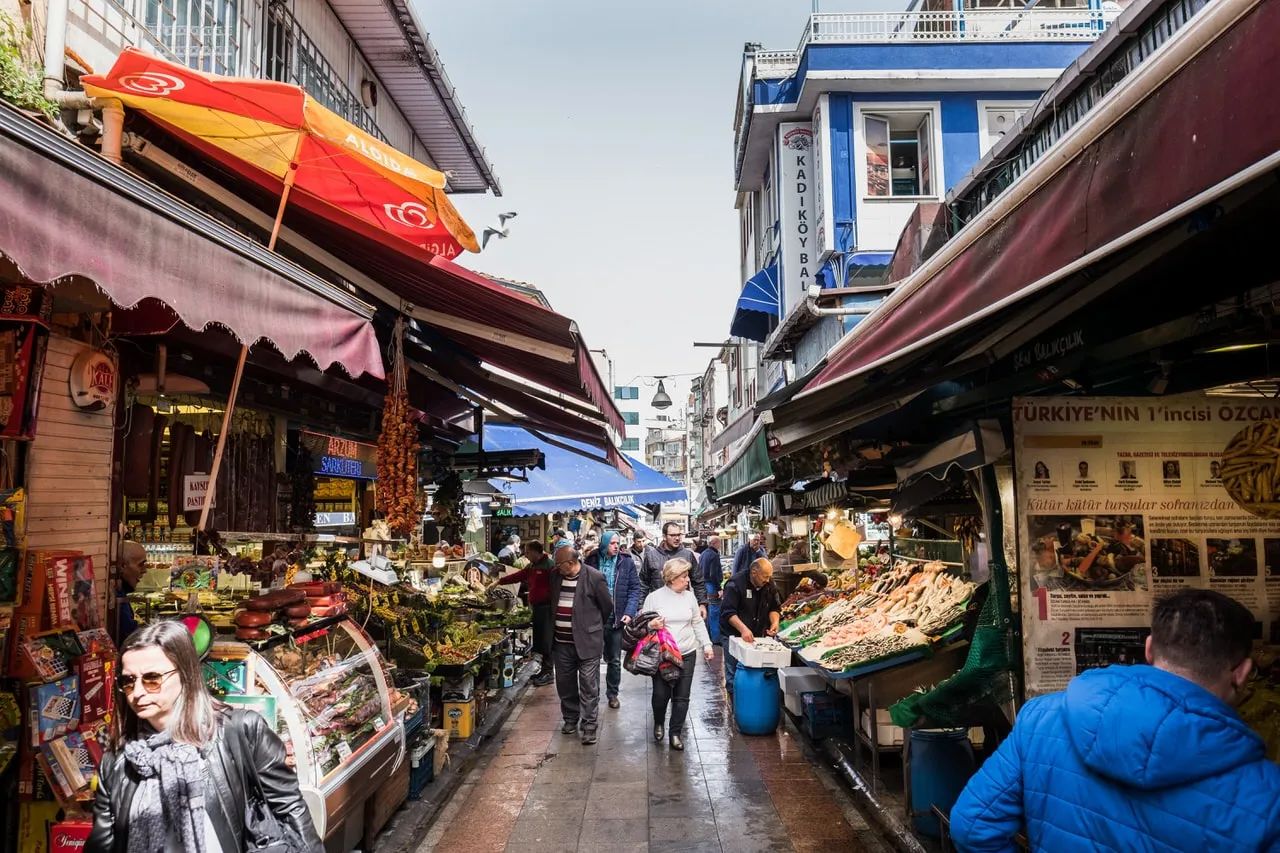
If you’re staying on the European side, this market is your reason to cross to the Asian side. The ferry ride over is its own reward, and it lands you in a more personable part of the city.
Kadıköy Çarşısı shows a more realistic slice of Istanbul. Wander the fruit and vegetable stalls, or pick up a bargain at the clothes and shoe stands. Locals shop here for a simple reason: prices run lower than on the European side. When you want to sit down for a quick bite, the surrounding streets hold some of the best restaurants in Kadıköy.
Address: Güneşli Bahçe street, Yağlıkçı İsmail street and surrounding streets
5. Beyazıt Book Market (Beyazıt Sahaflar Çarşısı)
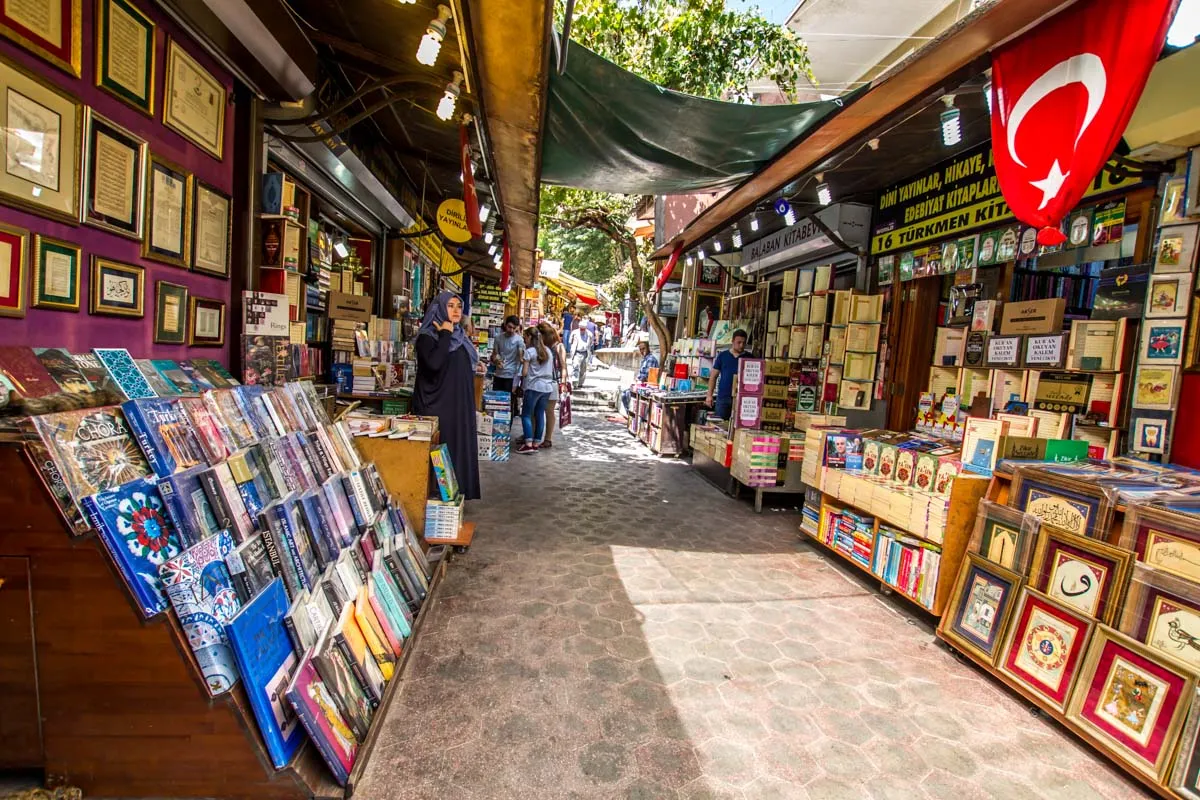
A market built for readers. The stalls sell second-hand books, a great majority of them religious titles, and you can track down antiquated editions here that surface nowhere else.
The bookstores also carry prayer beads, Middle Eastern scented perfume, bookmarks, and paintings. All of it sits inside a historic courtyard that invites lingering.
Address: Mollafenari, No:, Medrese Çk. No:4, 34120 Fatih
6. Tahtakale streets
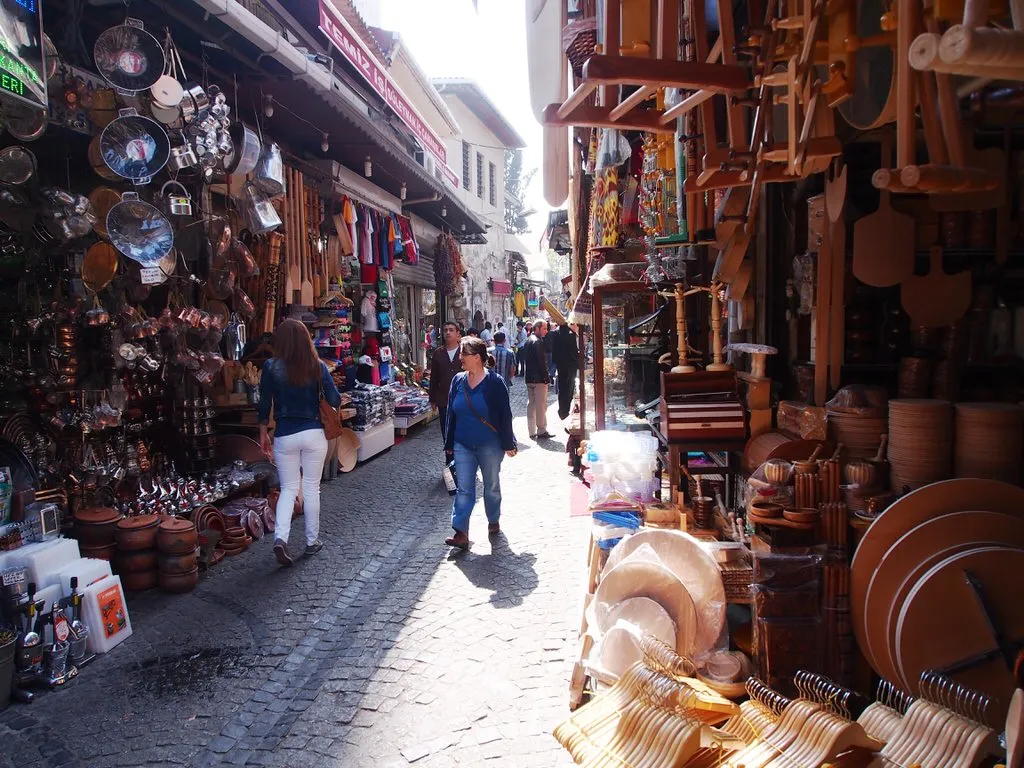
Prices here stay affordable for a bazaar on the touristic European side. The shops stock items in wood, brass, porcelain, glass, and seemingly every other material, the kind of selection that makes you wish you’d packed empty luggage.
The backstreets of Tahtakale work as a wholesaler market, useful if you import and export. No import business? The main streets will keep you busy. The Rüstem Pasha Mosque nearby is also worth a look.
Address: Hasırcılar street, Kantarcılar street and surrounding backstreets
7. Fatih Women’s Bazaar (Fatih Kadınlar Pazarı)
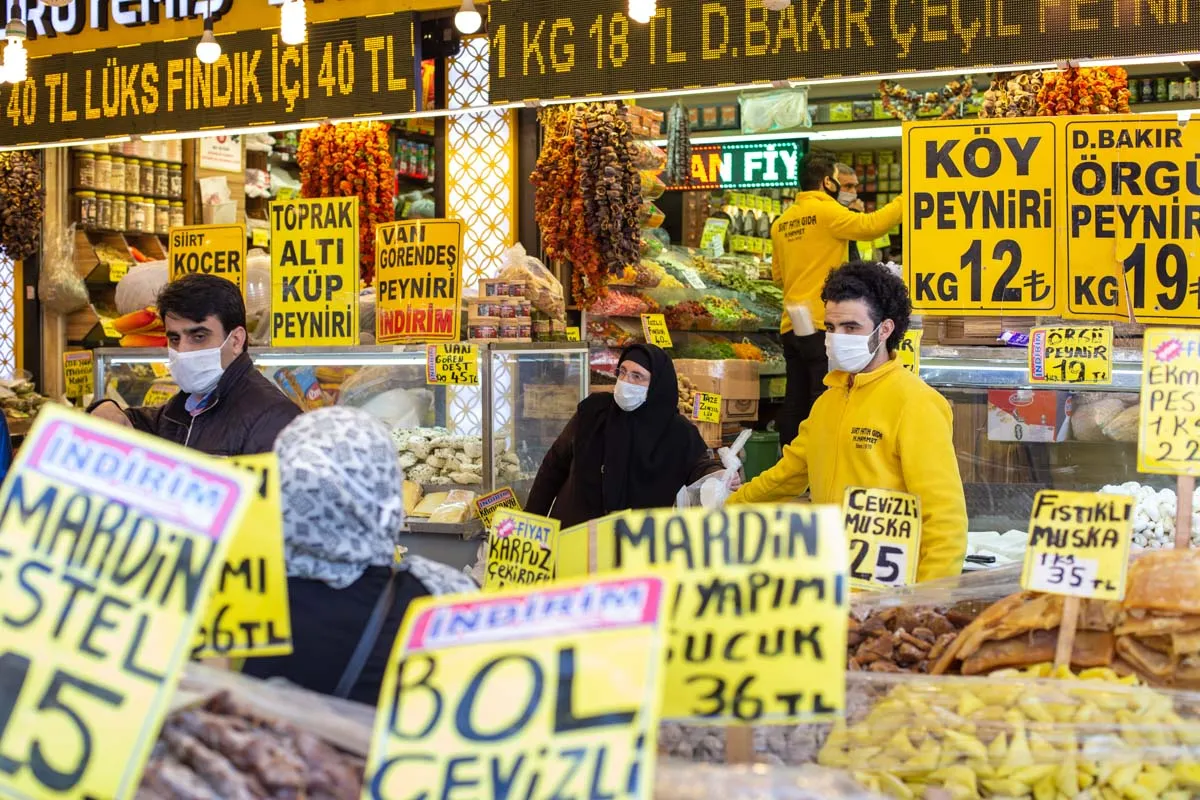
Off the beaten path and famous for honey, dried fruits, and nuts. The market has been a food bazaar from the start: women once gathered fruit deemed unsellable to the rich at the Eminönü market and brought it here to sell to other women.
The market also holds several authentic butchers selling any cut of meat you can name; no portion of the animal goes to waste here. Prices stay low, and the restaurants surrounding the bazaar make it easy to turn a shopping run into lunch.
Address: The area where İtfaiye street and Tezgahçılar street meet in Zeyrek/Fatih
8. Beyoğlu Fish Market (Beyoğlu Balık Pazarı)
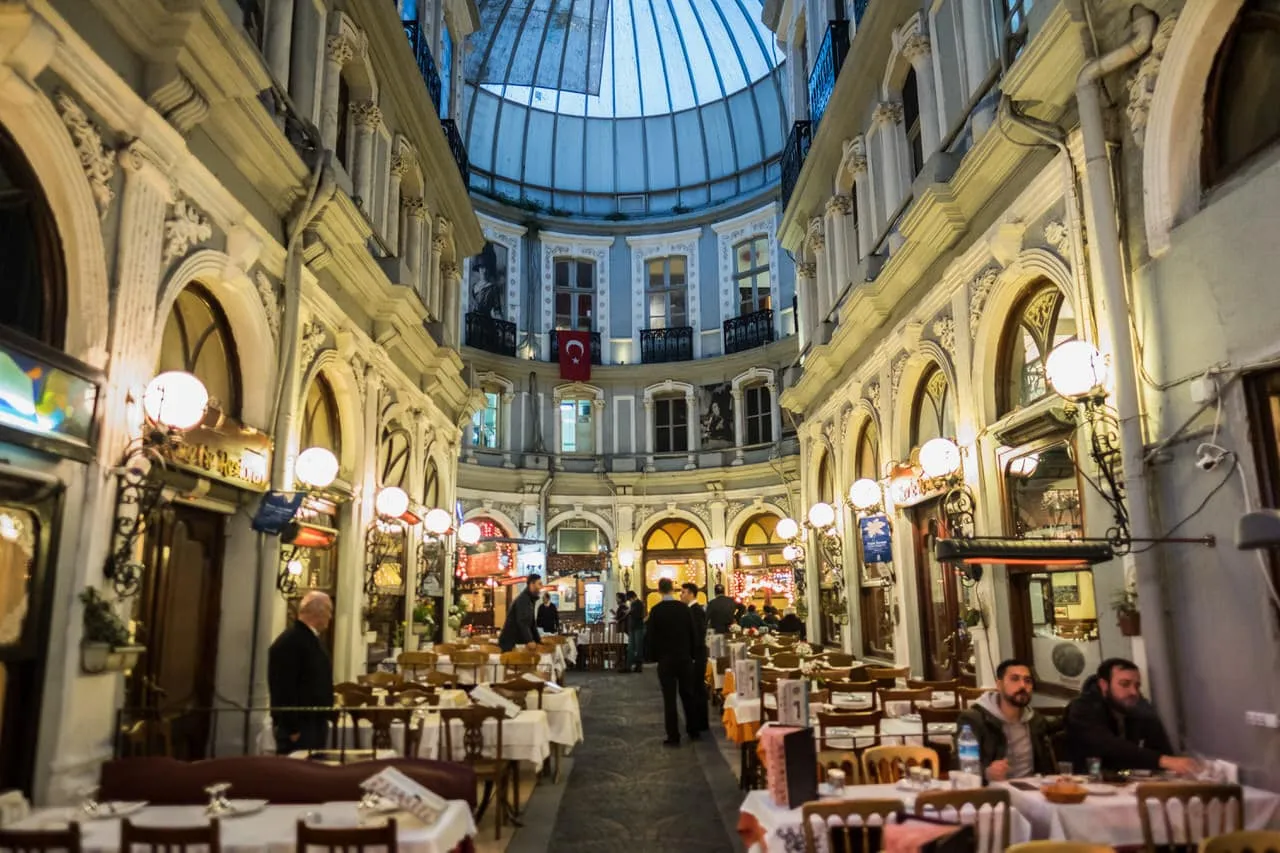
Sitting beside Çiçek Pasajı and Avrupa Pasajı, the Beyoğlu Fish Market is a street with five or six fresh fish shops and many seafood restaurants. The name undersells it; you’ll find all sorts of goods here.
Avrupa Pasajı deserves a look of its own, an attractive 19th-century arcade packed with little colorful shops.
Çiçek Pasajı is reserved for restaurants, but see the building even if you aren’t hungry.
Nevizade street, a few doors down from the fish market, holds a strip of pubs and bars. It’s your best bet for joining locals over Turkish rakı or an Efes beer.
Address: Sahne street on Istiklal avenue
Weekly food and clothes markets in Istanbul
Locals adore these weekly pazars. Each runs on a specific day of the week and sells everything for the household: fruits, vegetables, dairy, clothing, toys, carpets, underwear, handbags, towels, shoes, and more.
9. Kadıköy Tuesday Market (Kadıköy Salı Pazarı)
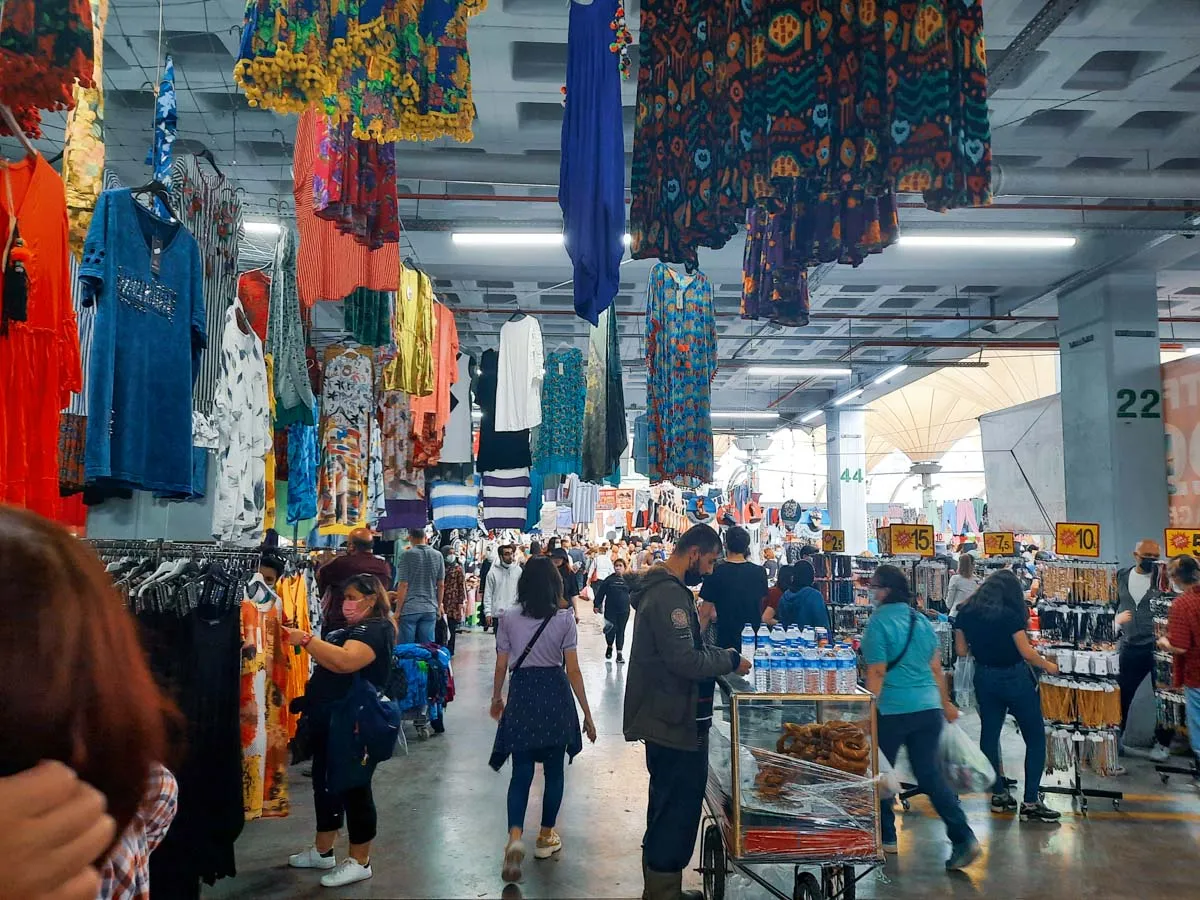
As the name says, come on a Tuesday. Dress down, act like a local, and haggle; the bargains follow. Clothing quality runs below what Turkish chain stores carry, and many styles lean sportswear, but it’s a cheap way to pad out a wardrobe.
Address: Hasanpaşa, Mandıra Cd. No:1, Kadıköy
10. Ortaköy High Society Bazaar (Ortaköy Sosyete Pazarı)
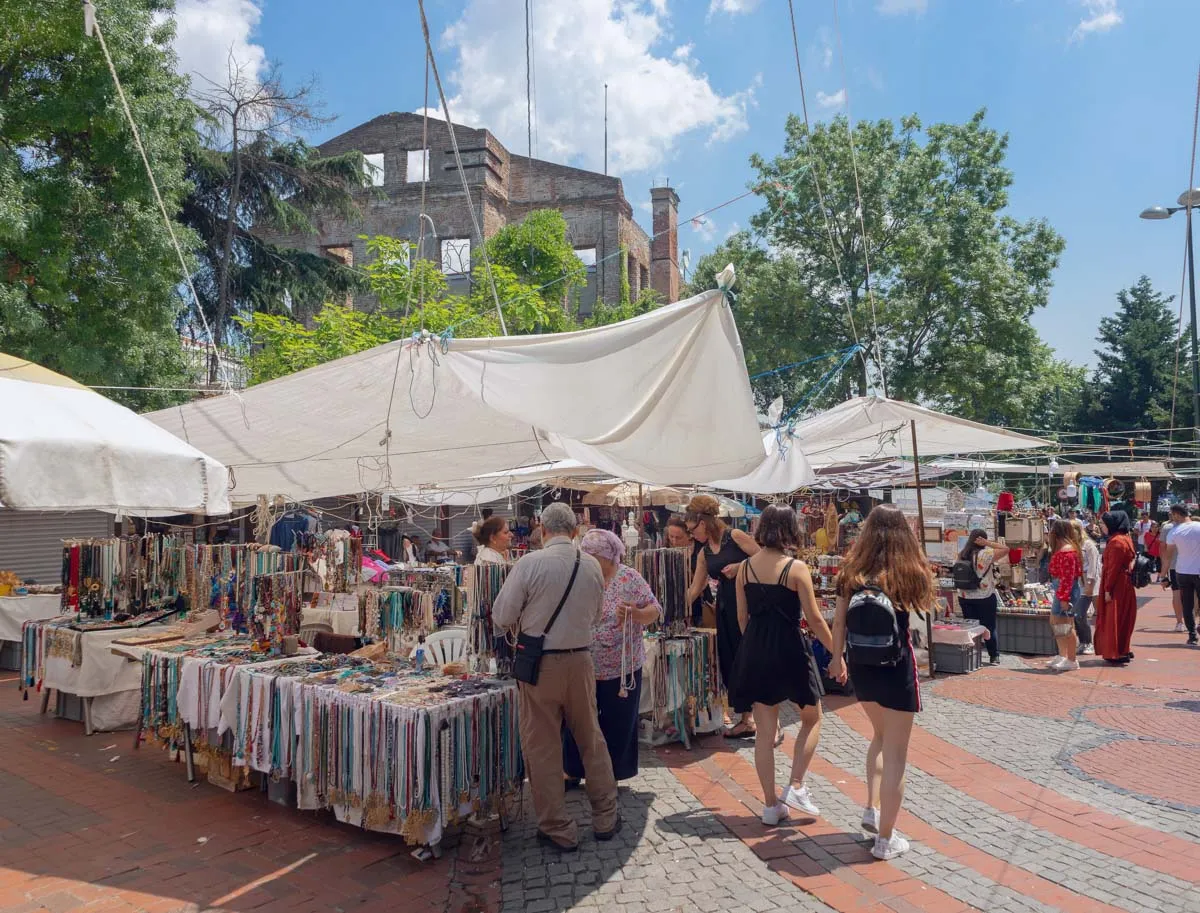
Even millionaires in Turkey shop the weekly markets, and Ortaköy Sosyete Pazarı is one of the most popular. Unlike most pazars, the focus here is fashion, textiles, apparel, and cosmetics rather than fruit and vegetables.
The market takes security seriously: plain-clothed police officers work the aisles, and an ambulance stands by. It runs every Thursday and Sunday.
Address: Levazım Mahallesi, Çayır Sk. No:4, Beşiktaş
11. Yeşilköy Bazaar (Yeşilköy Pazarı)
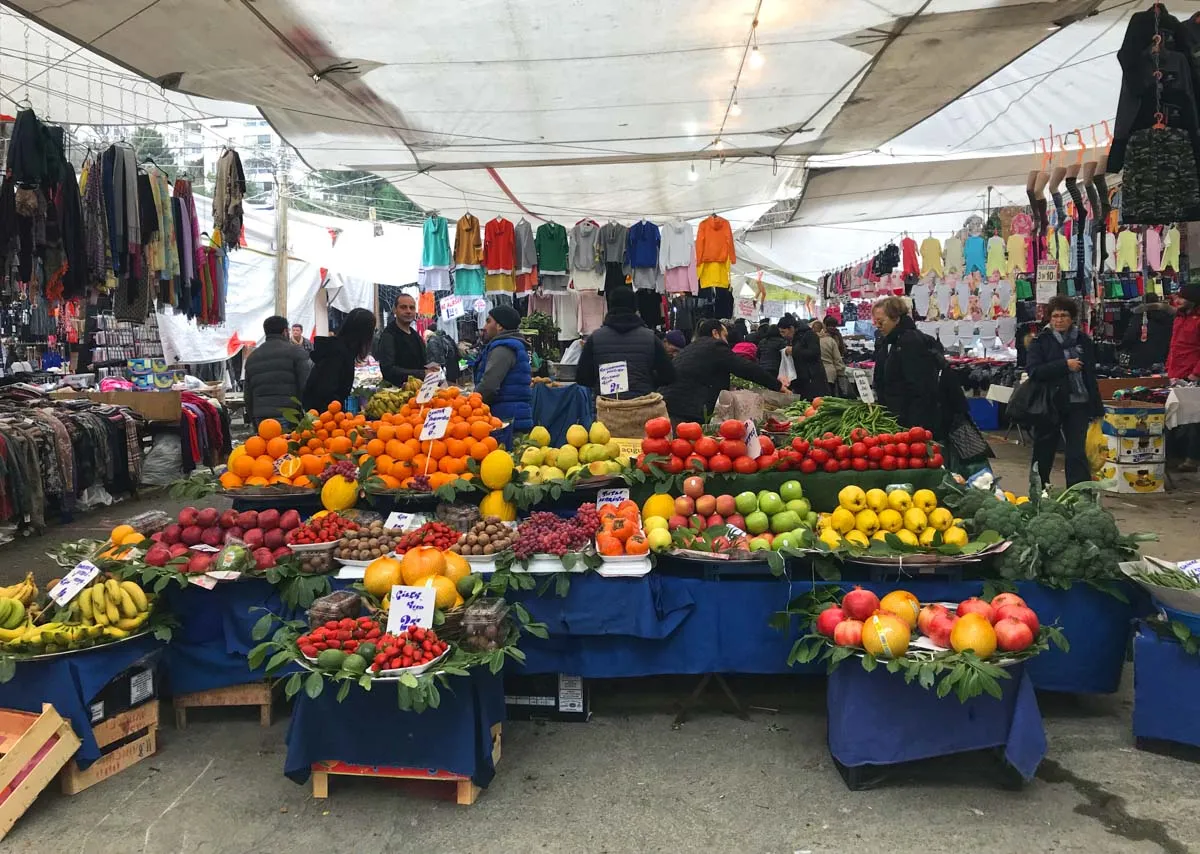
Cheap but high-quality clothing, makeup, and accessories, housed indoors at a permanent location. Yeşilköy Bazaar opens for 12 hours every Wednesday, from 8 am to 8 pm, and with around 2,000 stalls you may need all 12 of them. Prices run a touch higher than at open-air pazars, but some stall owners accept cards, which most weekly markets do not.
Address: Yeşilköy Mahallesi, Hamdullah Suphi Tanrıöver Sk. No:35, Bakırköy
12. Beşiktaş Saturday Market (Beşiktaş Cumartesi Pazarı)
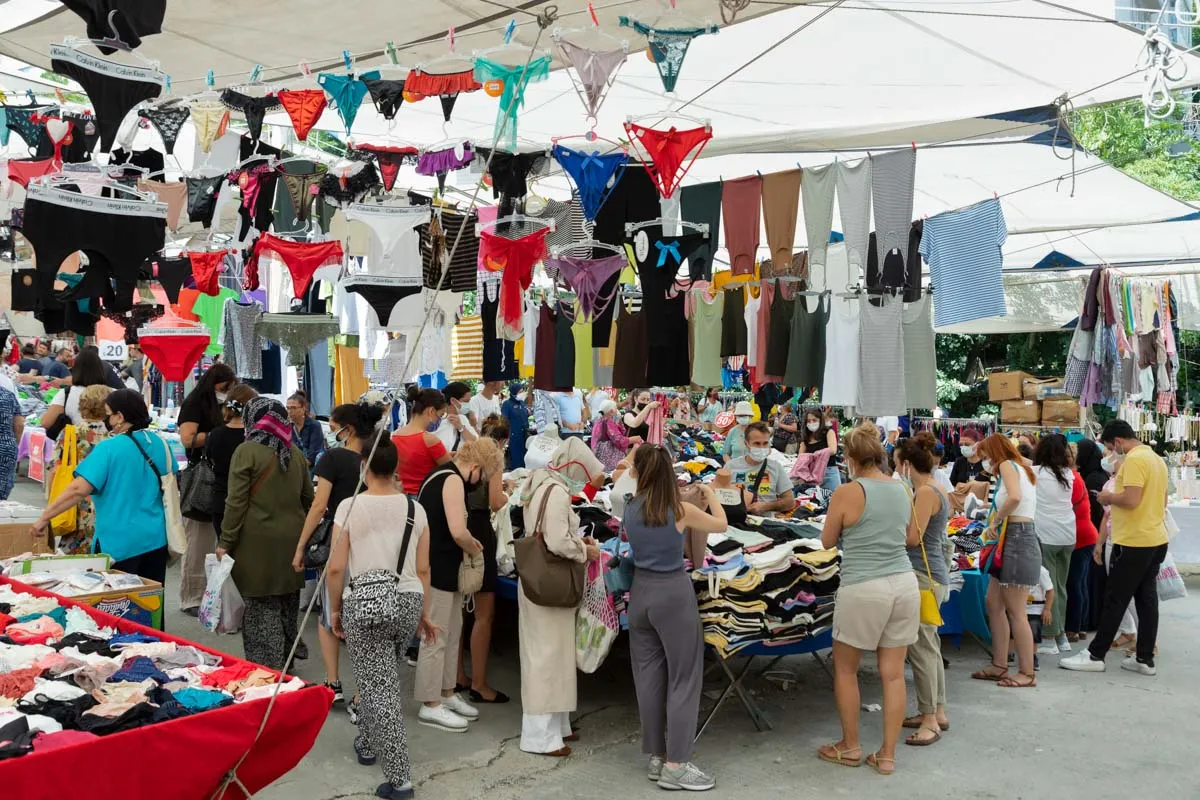
A dawn-to-dusk Saturday market with clothes as the main draw, though the stalls range well beyond them. When you tire of shopping, the local eateries around the market are another spot where the gözleme comes highly recommended; our guide to the best gözleme in Istanbul covers where else to find it.
Address: Muradiye Mahallesi, Nüzhetiye Caddesi, Deryadil Sokak, Yıldız/Beşiktaş
Farmers markets in Istanbul
Also weekly markets, but stocked with fruit and vegetables only.
13. Feriköy Organic Bazaar (Feriköy Ekolojik Pazar)
Organic fruit and vegetables in season. Talk to a vendor about healthy food and the conversation can run for hours. Awnings shield shoppers from whatever mood the weather is in.
Get there early and start with breakfast: a gözleme, organic of course, the warm Turkish flatbread cooked at the market. Parking is limited, so take public transport.
Address: Cumhuriyet, Semt Pazarı No:8, Şişli
14. Historic Inebolu Village Bazaar (Tarihi Inebolu Köy Pazarı)
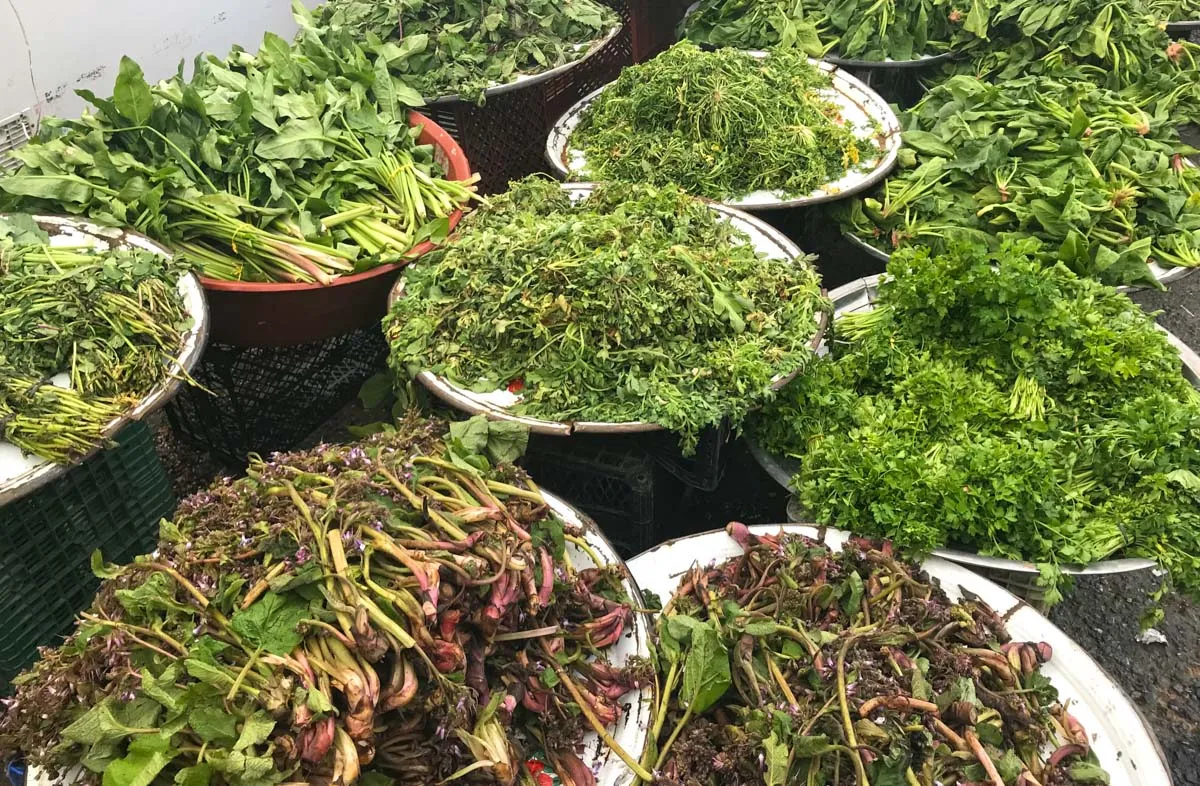
Every Sunday, villagers from Kastamonu travel to this food market to sell what they grow and make. The stalls hold fresh village eggs, homemade jams, bread and cheese, butter, wild mushrooms, and heirloom fruits and vegetables, plus handmade goods like apple cider vinegar and yogurt products you never knew existed. Ask for strained yogurt by name: “süzme yoğurt” (souze-may yoo-ourt).
The quality is high enough that there’s a race for the best produce early in the morning, so set an alarm.
Address: Fişekhane Deresi Cd. Toprak Tabya Sk. Kasımpaşa
Antique markets in Istanbul
Antique collecting grows more popular in Istanbul every year, and the number of dealers has grown with it. These are the four most popular places in the city to shop for antiques, relics, heirlooms, and collector’s items.
15. Antique shops of Cihangir and Çukurcuma
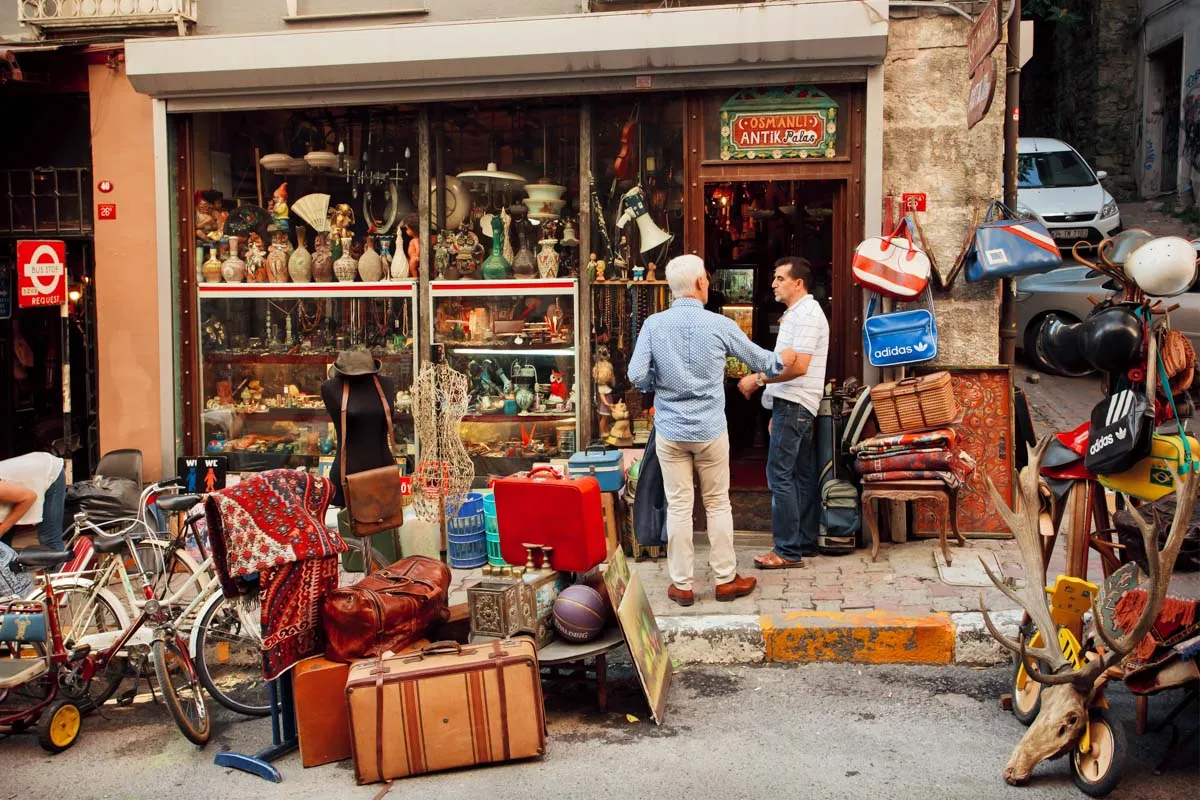
If you have all day and something specific in mind, work through the neighborhoods of Cihangir and Çukurcuma. Fuel up at the local cafes; with this many shops, time slips away fast.
The antique shops spread evenly across Çukurcuma, with clusters on Ağa Hamam street, Çukur Cuma street, Sadri Alışık street, and Faik Paşa street.
16. Horhor Antique Sellers Market (Horhor Antikacılar Çarşısı)
Seven floors and more than 200 antique shops make Horhor Antikacılar Çarşısı one of the biggest antique markets in the world. Some pieces are priced in US dollars and euros, and a few precious artifacts carry serious price tags, but great finds exist for every budget.
Chandeliers, furniture, mirrors, safes, tile stoves, sculptures, coffee tables, armchairs, cabinets, vases, lampshades, telephones, tall trays, gramophones, typewriters: whatever you’re after, someone here sells it.
Address: İskenderpaşa, Kırma Tulumba Sk. No:1 D:140, Fatih
17. Kadıköy Antikacılar Sokağı
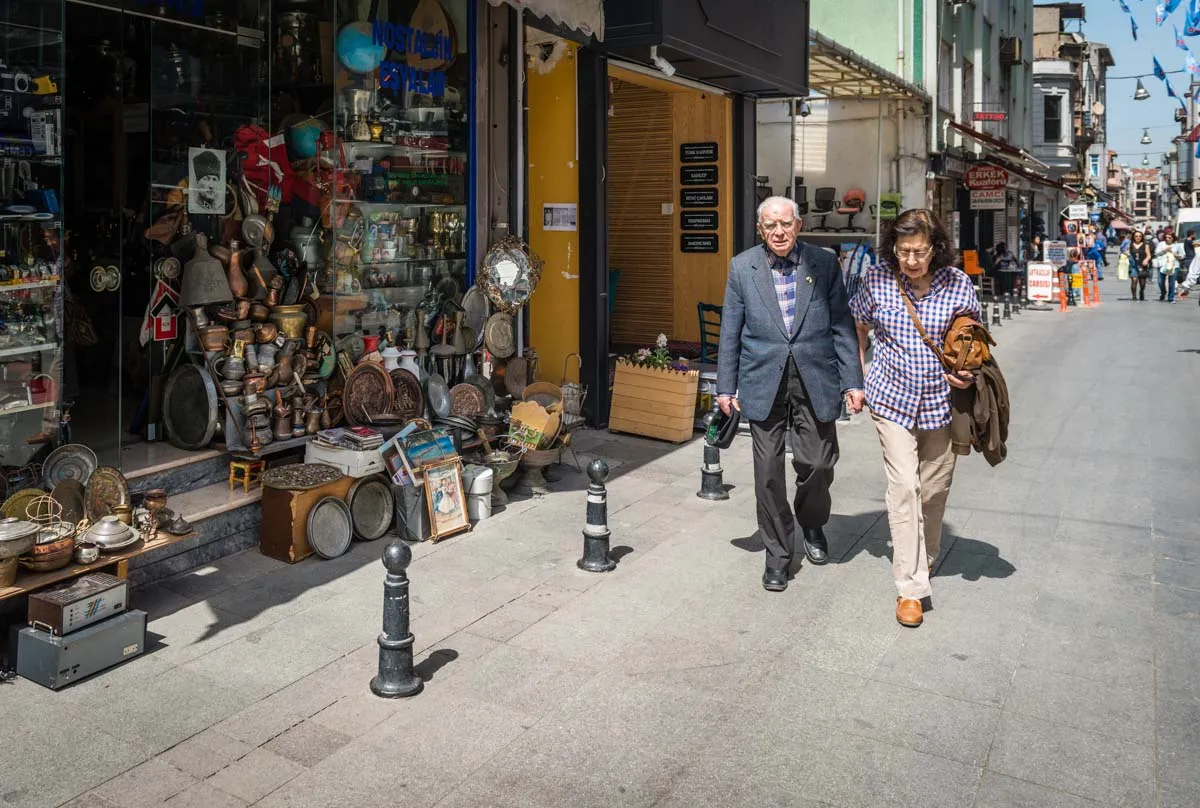
A short stop while you’re in Kadıköy, on one of the oldest streets in town. The street has seen livelier days, but four to five antique shops still trade here, and they’re worth a browse between market errands.
Address: Tellalzade street, Caferağa/Kadıköy
18. Feriköy Antika Pazarı (Feriköy Antique Market)
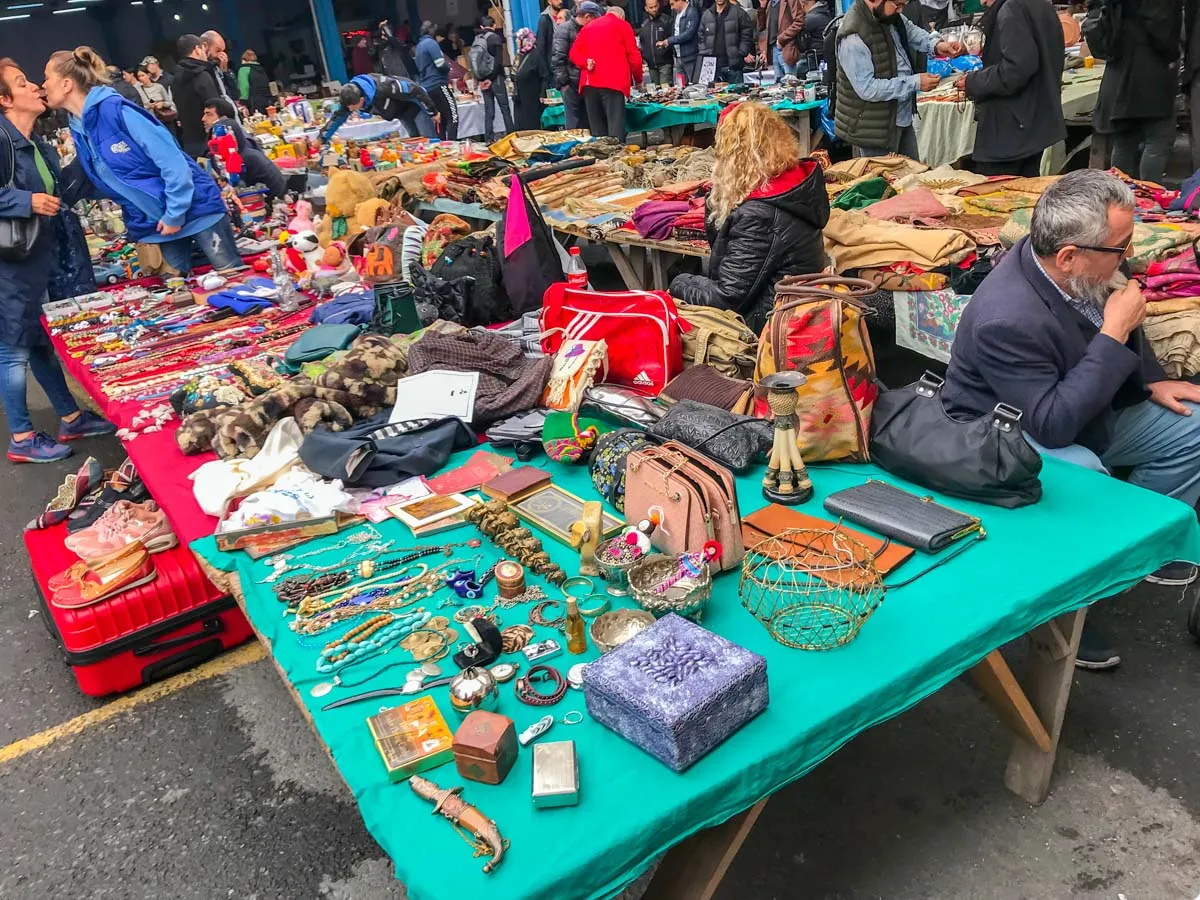
The market has a roof but no walls, so wrap up warm. Inside, the stalls stretch further than the eye can make out, and the antiques here run more affordable than at the dealer districts. It runs on Sundays only, at the same address as the organic bazaar.
Address: Cumhuriyet, Semt Pazarı No:8, Şişli
Flea markets in Istanbul
Heads up: most locals don’t know these flea markets exist, and many who do would steer around them. They aren’t dangerous to visit, though they aren’t the safest corners of Istanbul either.
Most sellers depart around noon, so go early in the morning.
19. Dolapdere Flea Market (Dolapdere Bit Pazarı)
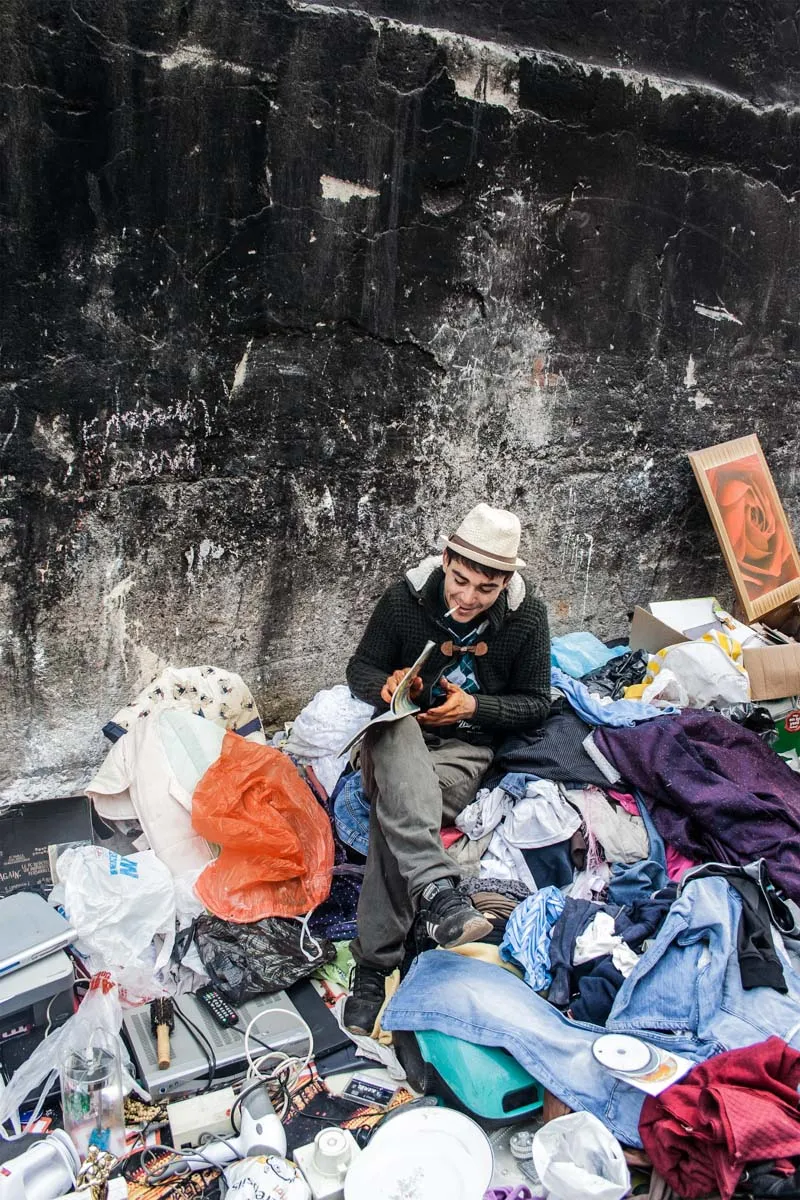
Around every corner sits something unexpected, sold by characters as interesting as the goods. This differs from the second-hand markets back home: items from eras past wait here for a new owner.
Come early on Sunday morning to leave with a bargain worth bragging about. Visiting in winter? Layer up, because the wind cuts through the market.
Address: Yenişehir Mah. Hacı İlbey Sok. No:13 Dolapdere
20. Küçükpazar Flea Market (Küçükpazar Bit Pazarı)
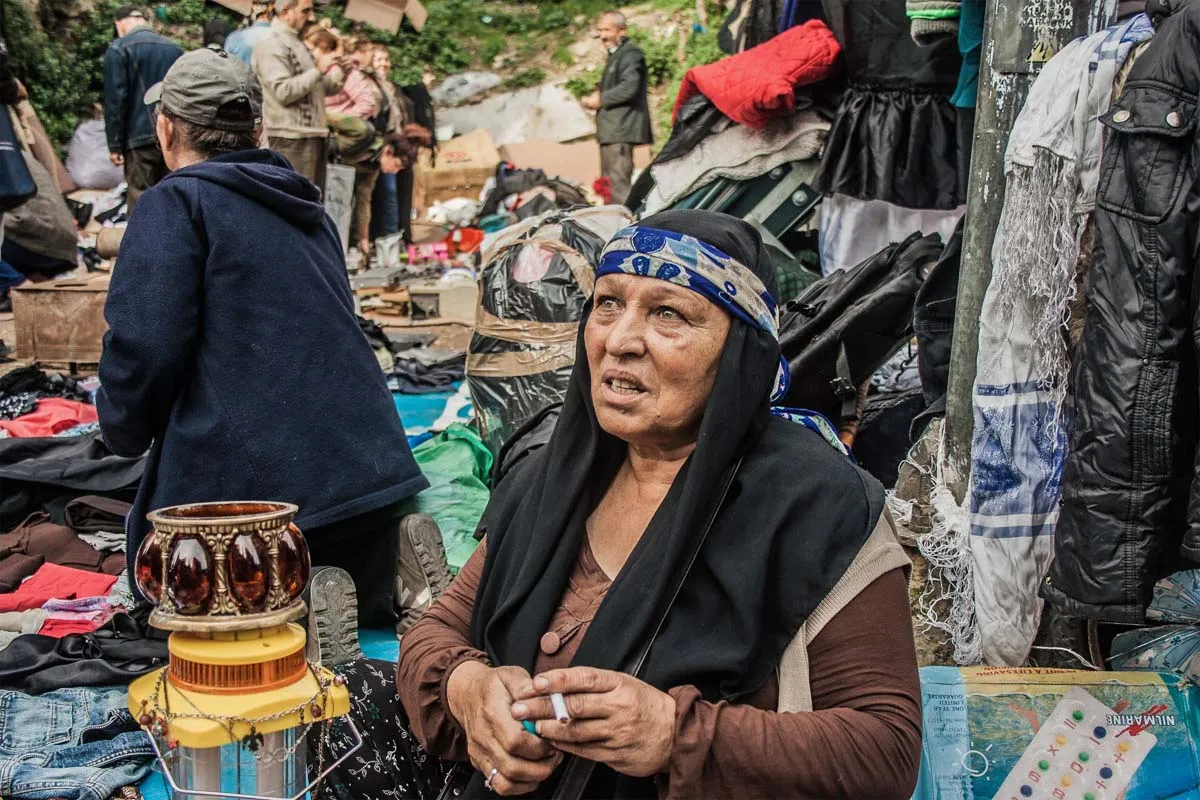
Only a 20-minute walk from the Spice Market, in a neighborhood that’s coming up but remains one of the poorer sections of Istanbul. The streets have stories, and so do the items spread out for sale. The market runs every Saturday, early in the morning.
Address: Adjacent streets to Küçükpazar street, Yavuz Sinan/Fatih
Final words
These 20 markets are where you hear the heartbeat of daily life in Istanbul, whether you leave with an affordable souvenir or a handmade Turkish carpet. If your trip continues beyond the city, our guide to the best bazaars and markets in Turkey picks up where this one ends.
And if you’d rather eat your way through the bazaars than shop them, our food tours pair the market streets with a scenic Bosphorus ferry ride and traditional Turkish food at local restaurants. Start with Taste of Two Continents.