Grand Bazaar Istanbul: 17 Best Shops and What to Buy
What to buy at Istanbul's Grand Bazaar and exactly where: 17 trusted shops for carpets, ceramics, jewelry, leather, and textiles, plus 4 places to eat.
The Grand Bazaar runs to 64 streets, more than 4,000 shops, and 26,000 employees, and nobody covers it in a day. This guide narrows it down to 17 shops worth finding, sorted by what you want to carry home: carpets, ceramics, jewelry, leather, textiles, and antiques. Four restaurants made the list too, because bazaar shopping is hungry work.
Built in 1461 to stimulate the economy, the covered market caught the imagination of Europe’s romantic-era writers, Edmondo de Amicis and Théophile Gautier among them. One English writer claimed in 1870 that a tour around the inner Bedesten could ruin a few Rothschild families. Theft stayed rare all the same, even when merchants left their shops unlocked.
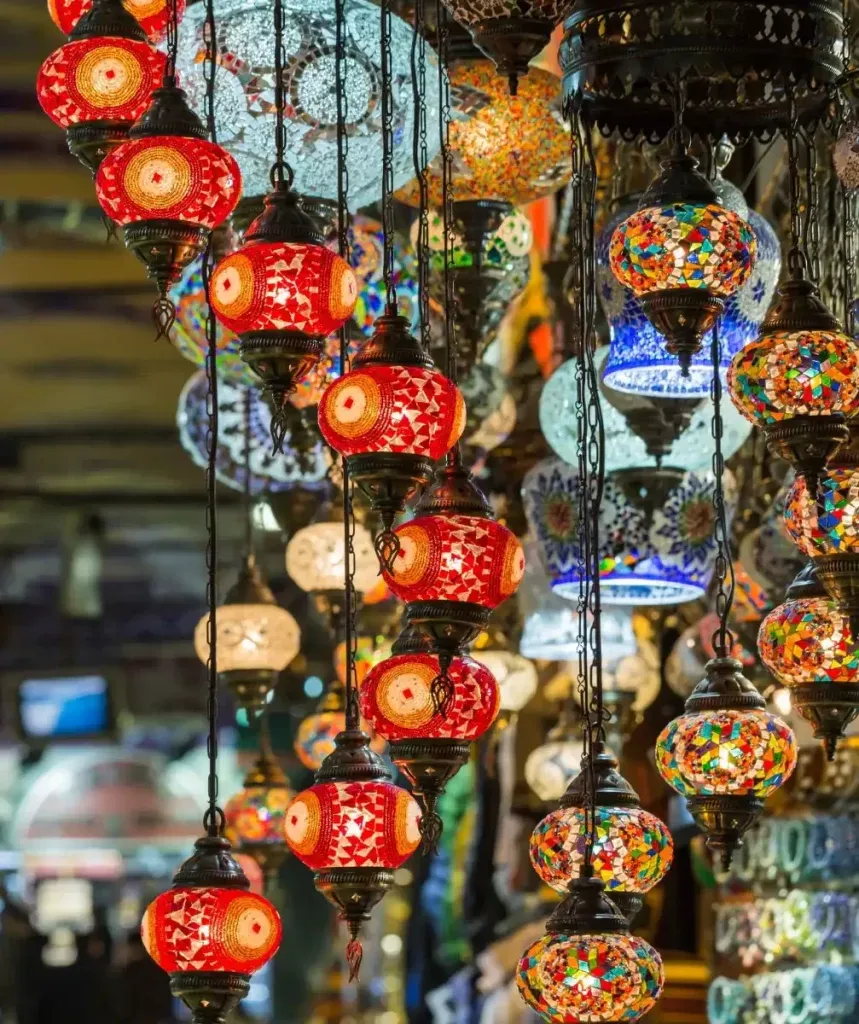
The bazaar opens its doors Monday through Saturday from 08:30, and the shops inside trade from about 09:00 to 19:00. Sundays it stays shut. Often called the world’s oldest shopping mall, it hands photographers a frame on every corner, and getting lost in the maze of streets is part of the charm. Plan for it. If one market only whets your appetite, our guide to Istanbul’s markets and bazaars covers the rest of the city.
Plan your Grand Bazaar visit
The covered bazaar generally opens Monday through Saturday and closes on Sundays, with most trading taking place between roughly 09:00 and 19:00. Public holidays can change that pattern, and individual shops may keep shorter hours. Confirm directly before crossing the city for one business.
| If your priority is | Useful approach |
|---|---|
| Carpets, textiles, or antiques | Enter with the shop name and address saved, because these categories are spread across different streets and hans |
| Jewelry and the central bedestens | Nuruosmaniye Gate is a useful approach from the Sultanahmet side |
| The easiest tram connection | Use the T1 line to Beyazıt-Kapalıçarşı and approach from the Beyazıt side |
| A short first visit | Allow about 90 minutes for one category rather than trying to cover the whole market |
| A broad browse | Allow half a day, wear comfortable shoes, and expect to retrace a few streets |
Bargaining is common in many independent shops, but it is not a rule for every item or seller. Ask whether the quoted price is fixed before negotiating. For a significant purchase, request a detailed receipt that identifies the seller and the item. Discuss shipping, insurance, returns, and responsibility for damage in writing before paying; the bazaar itself does not provide one universal policy for thousands of independent businesses.
The 17 shops at a glance
| Shop | Buy | Worth knowing |
|---|---|---|
| Şişko Osman | Carpets and kilims | Carpets shown at the Metropolitan Museum of Art |
| Şengör Halıları | Carpets and kilims | Founded 1918, run by the sixth generation |
| Dhoku | Carpets and kilims | Contemporary and vintage rugs |
| Recep Karaduman Kilim | Kilims | Coffee and stories; one merchant has given a TED talk |
| Iznik-Art | Ceramics | Ottoman recreations exhibited at the British Museum |
| Iznik Works Ceramics | Ceramics | Fifth-generation traders, techniques from the 8th century |
| Nick’s Calligraphy | Calligraphy on leaves | Detailed calligraphy on dried leaves |
| Sevan Bıçakçı | Jewelry | Started at age 12; the Hagia Sofia collection |
| Kafkas Jewelry | Jewelry | Est. 1950; exhibited from Hong Kong to Las Vegas |
| Güner Liman | Brass jewelry | Well-known craftsman of Ottoman-style brass pieces |
| Koç Deri | Leather clothes | Family-run leather specialist |
| Abdulla | Towels and soaps | Peshtemals and village-spice soaps since the late 90s |
| Ottoamano | Cashmere | Hand-made cashmere since 1986 |
| Sivaslı Istanbul Yazmacısı | Scarves and fabric | Traditional Turkish scarves, upholstery to clothing |
| Muhlis Günbattı | Vintage textiles | Suzani, kaftans, and Ottoman dowry pieces |
| Derviş | Hamam textiles | Chemical-free soaps and hand-printed peshtemals |
| Minyatür Nautical Antiques | Antiques | Clocks, telescopes, and old cameras in Cevahir Bedesten |
Carpets and Kilims
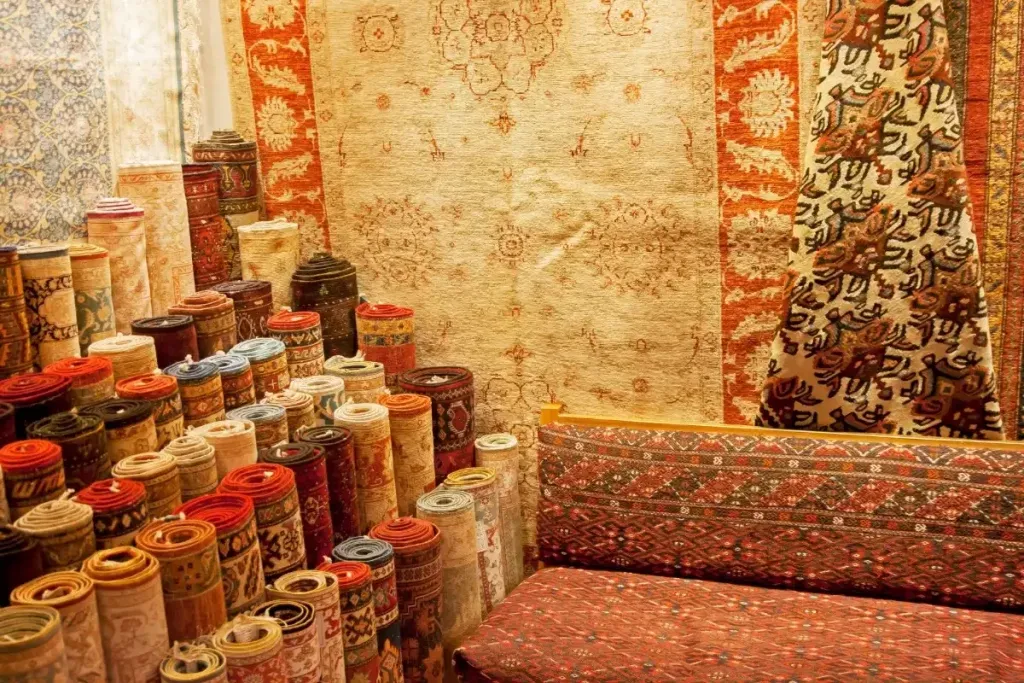
European buyers were obsessed with Turkish carpets long before the Victorians. Weaving traditions and motifs differ by region, material, and workshop. If you are no expert, buy the piece you love, ask the seller to identify its origin and materials on the receipt, and compare more than one shop before making a significant purchase.
Mapped shops and restaurants from this guide
The covered market spans dozens of streets. Open the map for the entries with dependable map coordinates, and save the written address for the others.
- Şişko Osman Taya Hatun Mah.
- Şengör Halıları Beyazıt
- Dhoku Beyazıt
- Recep Karaduman Kilim Beyazıt
- Iznik-Art Beyazıt
- Iznik Works Ceramics Beyazıt
- Nick's Calligraphy Beyazıt
- Sevan Bıçakçı Mollafenari
- Kafkas Jewelry Kalpakçılarbaşı Cad. N
- Güner Liman Beyazıt
- Koç Deri Grand Bazaar
- Abdulla Mollafenari
- Ottoamano Beyazıt
- Sivaslı Istanbul Yazmacısı Beyazıt
- Muhlis Günbattı Beyazıt
- Minyatür Nautical Antiques Beyazıt
- Havuzlu Restaurant Beyazıt
- Şeyhmuz Kebap Salonu Mollafenari
- Nusr-Et Steakhouse Sandal Bedesteni Beyazıt
1. Şişko Osman
The name means chubby Osman, and the approach is serious. This family can read every carpet they sell, and their pieces have been shown at the Metropolitan Museum of Art in New York. Shop in-store, or order online and collect.
Address: Taya Hatun Mah., Acı Çeşme Sok. Kapalı Çarşı Zincirli Han D:15
2. Şengör Halıları
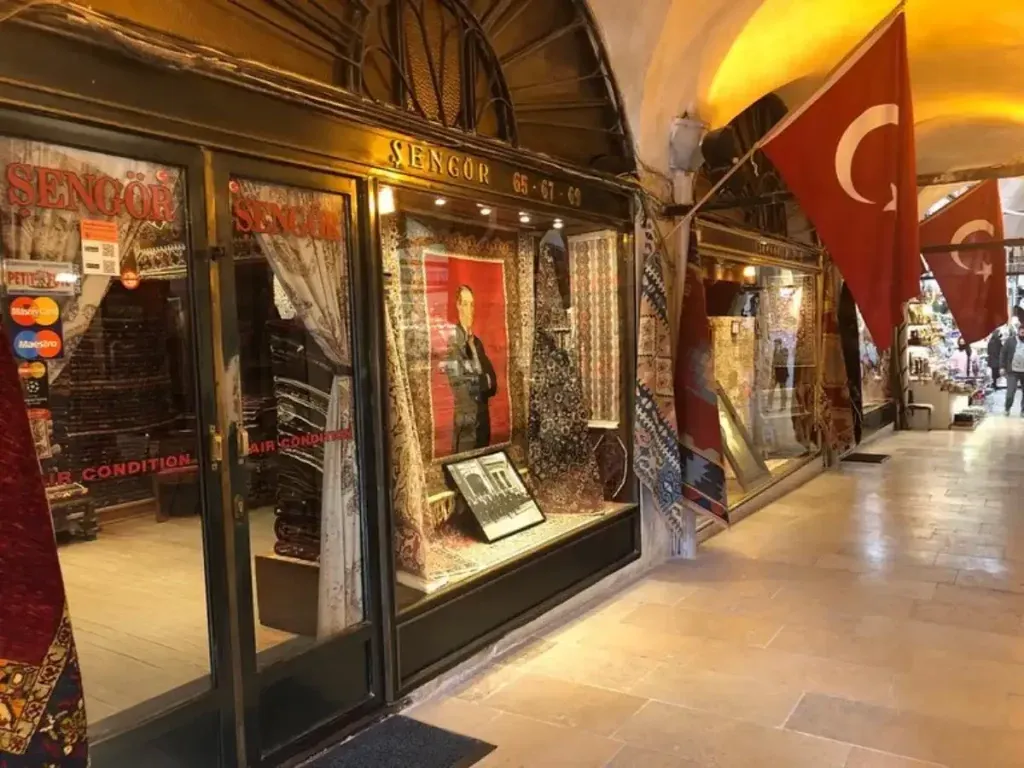
Founded in 1918 and now run by the sixth generation, who will happily pull out rug after rug until something fits your home. They will also show you a few unexpected ways to use the piece you settle on.
Address: Beyazıt, Takkeciler Sk. 65/75/83
3. Dhoku
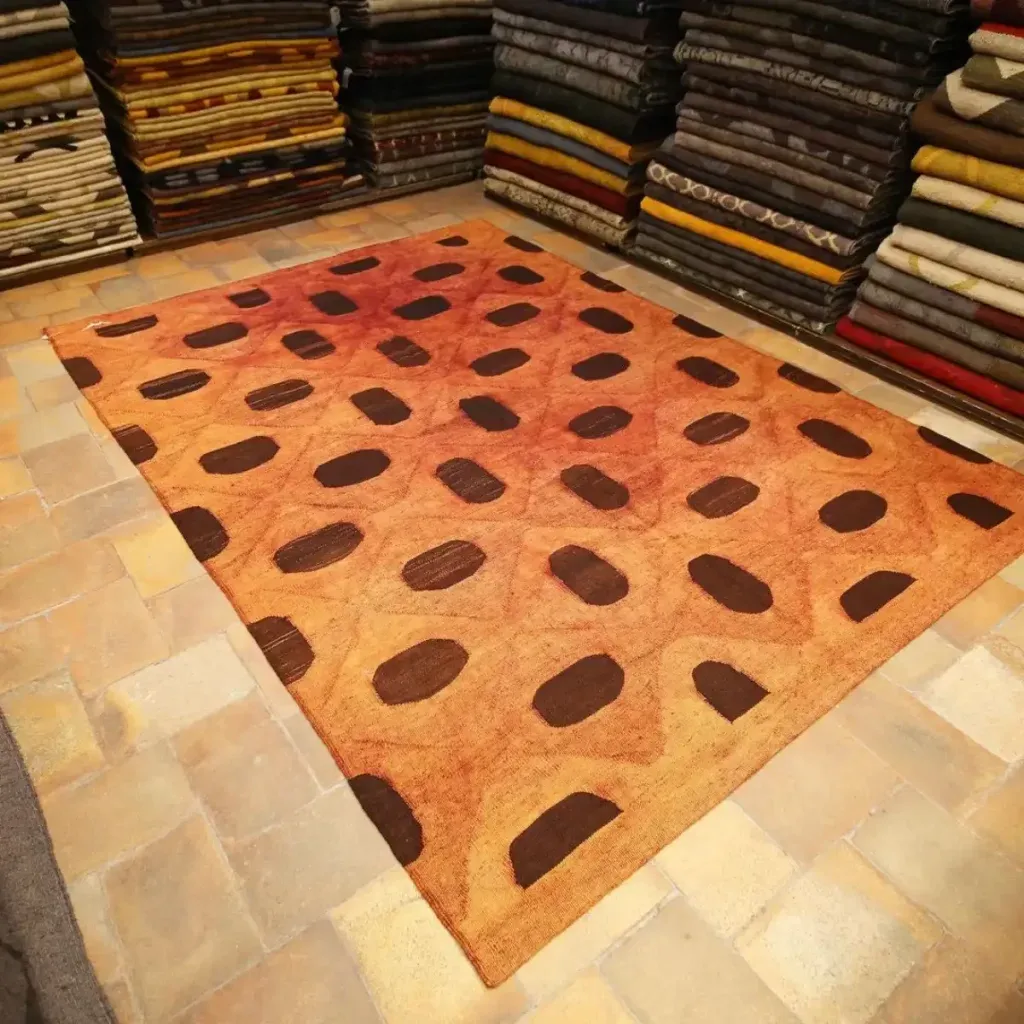
The shop focuses on contemporary and vintage rugs. Ask for the current price, dimensions, materials, and origin in writing; sales and pricing policies can change.
Address: Beyazıt, Takkeciler Sk. 51-53
4. Recep Karaduman Kilim
Sit down with a Turkish coffee or an apple tea and listen to the story behind each kilim. These merchants have a reputation for honesty; one of them has even given a TED talk.
Address: Beyazıt, Takkeciler Sk. No:54
Ceramics
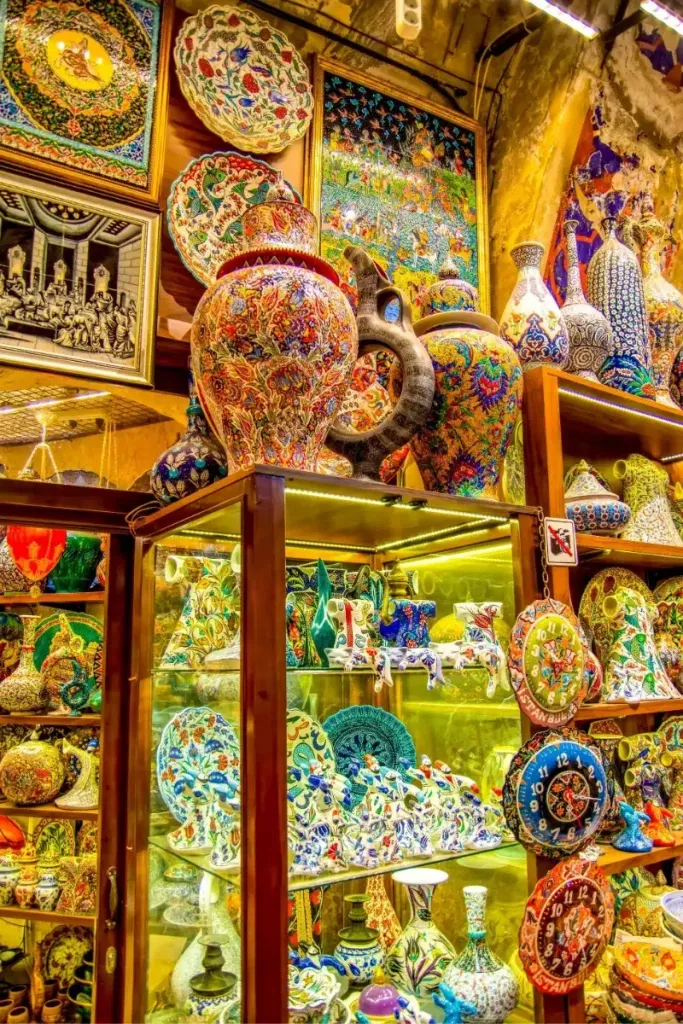
Iznik and Kütahya are the towns celebrated for Turkish ceramics, and their wares are sold right here in the bazaar. Whether you want plates that hold their own at a dinner party, tiles for a splash of color, or a decanter for the wine you carried home, these three shops pack everything securely, so fragility stops being your worry.
1. Iznik-Art
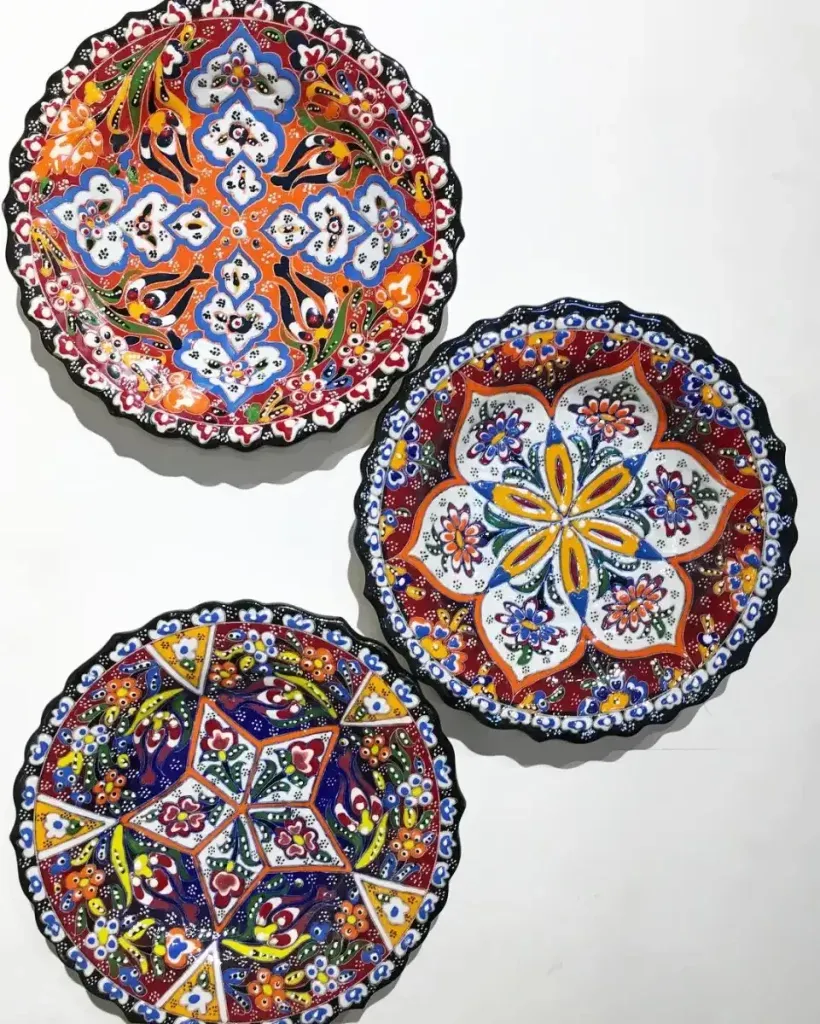
If you have stood in Topkapı Palace wishing you could hold the Ottoman ceramics in your hand, Ismail Yiğit recreates pieces of that caliber. He has shown work internationally since the 1990s, including the Focus on Turkey exhibition at the British Museum, and keeps a contemporary line for anyone whose taste runs away from Ottoman motifs. The website takes appointments and reservations on individual works.
Address: Beyazıt, Orta Kazaslar Cad. No:64
2. Iznik Works Ceramics
Founded in 2010 by a fifth generation of traders, the shop sticks to traditional Turkish techniques that date back to the 8th century. Alongside the standard range sit limited editions you will see nowhere else. Customer service is a strength: everything gets wrapped securely, and if a piece still arrives home with an issue, contact them and they will sort it out. They also take online orders and video-call appointments.
Address: Beyazıt, Takkeciler Sk. 41-43
3. Nick’s Calligraphy
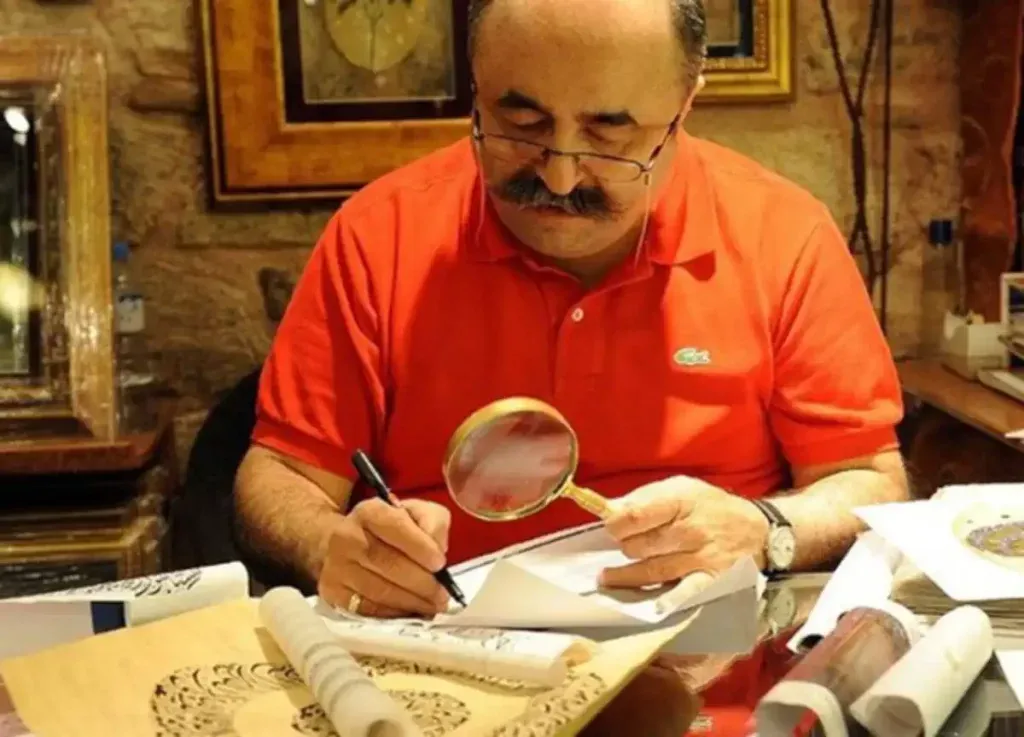
Nick has been creating designs on plant leaves since 1968. Yes, actual leaves. The process is delicate and takes months per piece, which is why he does not negotiate on price, and it would be unfair to press an artist on that anyway. His inspiration comes from the Abrahamic religions, his theme is love, tolerance, and peace, and he is a warm host who keeps kids entertained while the adults browse.
Address: Beyazıt, Şerif Ağa Sk. D:24
Jewelry
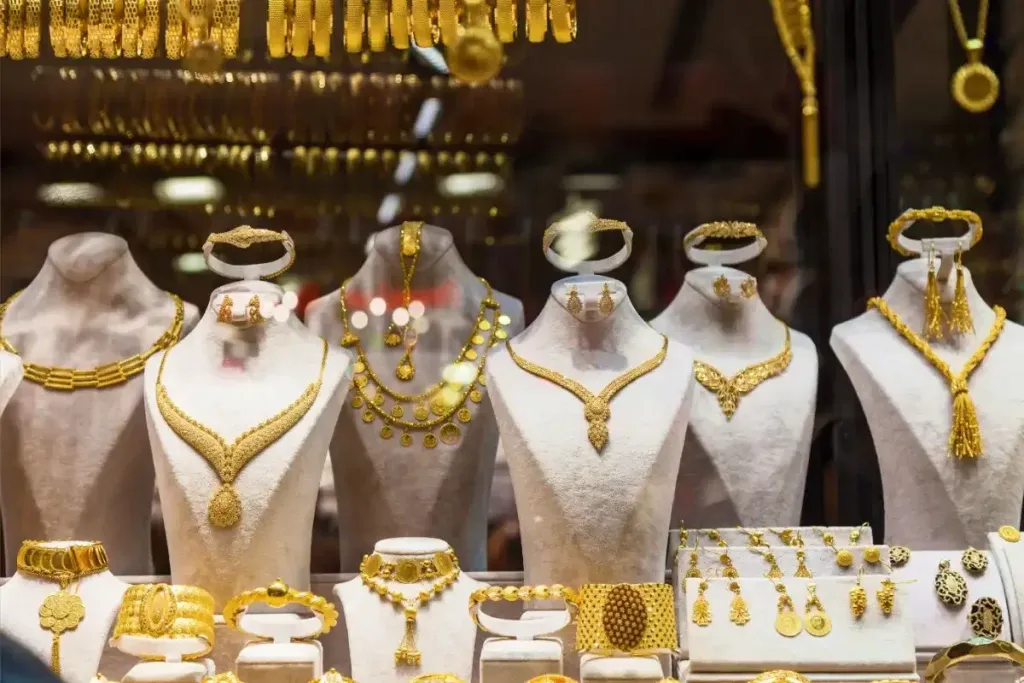
Interest in Turkish jewelry has climbed since the TV series Magnificent Century put Hürrem Sultan on screens worldwide. Turkey also has precious and semi-precious stones of its own: blue chalcedony, zultanite, adamite, and purple jade. These three reputable stores cover everything from museum-grade artistry to everyday brass.
1. Sevan Bıçakçı
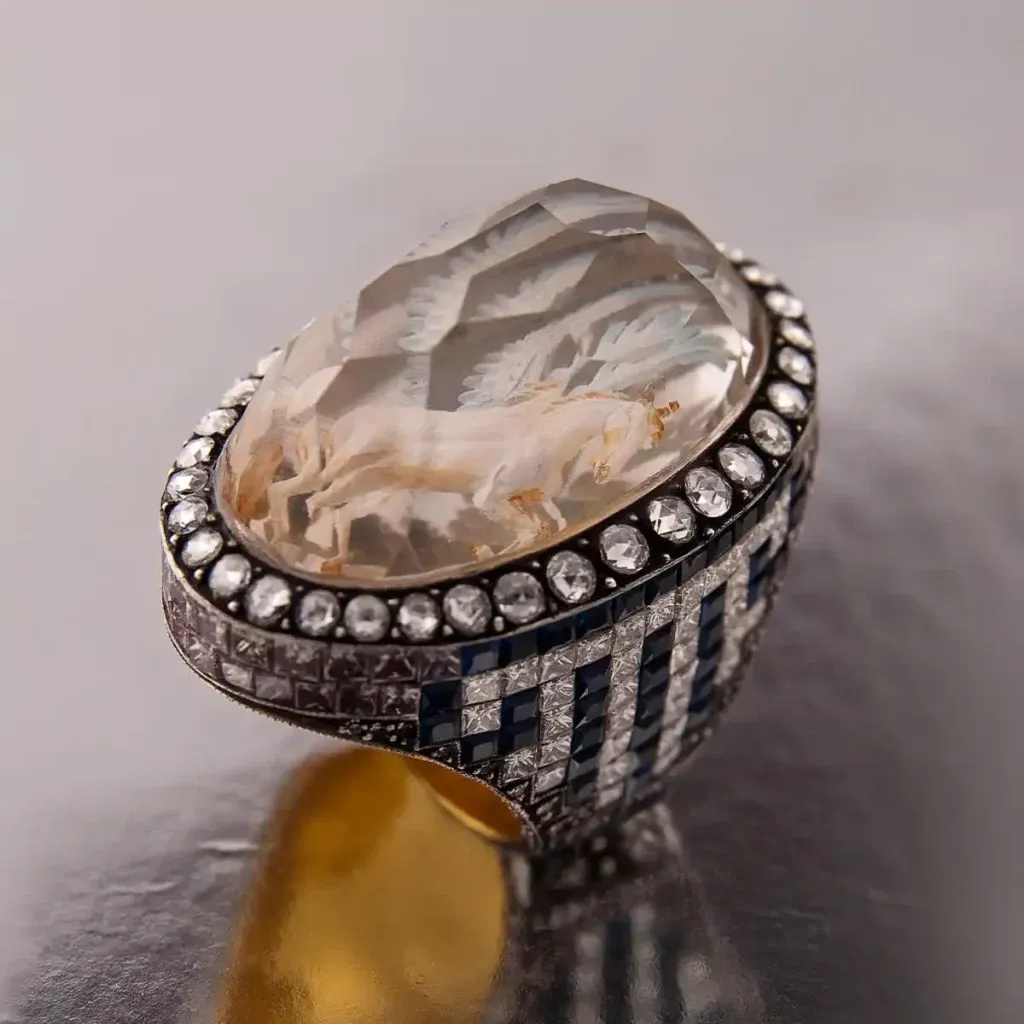
Sevan Bıçakçı entered the trade at 12 years old and now runs one of the most imaginative jewelry houses in the city. His pieces capture monuments, palaces, mosques, sultans, women of the harem, and mythological legends; the Hagia Sofia collection alone justifies the detour, and the nature and calligraphy lines carry real heirloom weight. The craftsmanship is obsessive, down to touches invisible to the naked eye.
Visit Sevan Bıçakçı’s website here.
Address: Mollafenari, Gazi Sinan Paşa Sk. No:12
2. Kafkas Jewelry
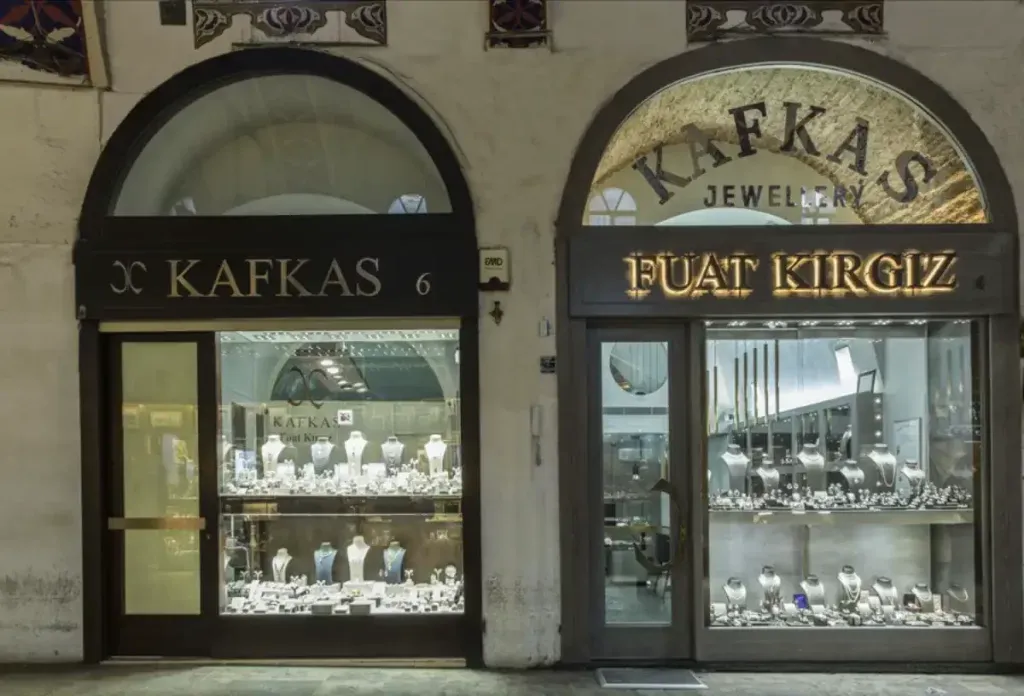
Established in 1950, with craftsmanship handed down through the generations and exhibitions everywhere from Hong Kong to Las Vegas. The range covers wedding jewelry, diamonds, specially crafted designs, and polychromatic stones, and they take custom commissions. They have appeared in magazines, and even Paris Hilton seems to be a fan of their designs.
Address: Kalpakçılarbaşı Cad. No: 4-6
3. Güner Liman
Güner Liman is a well-known name in Turkish brass jewelry, and his shop is the place for Ottoman-style pieces worked in brass.
Address: Beyazıt, Çadırcılar Cad, Lütfullah Sk. No:24
Leather clothes
Italian leather gets the press, yet Turkey is a leather powerhouse in its own right, with a serious export business to back that up. Inside the bazaar, one shop is all you need.
1. Koç Deri
Mr. Koç spent his youth learning leather in Vienna, then founded this family-run fashion house in 1968 and pushed the trade forward with new styles and colors. Every item is handcrafted; quality has always mattered more here than volume, and the pieces are built to last.
The shop specializes in leather clothing and can explain storage and cleaning. Ask for the current care, alteration, and return terms in writing before paying, especially for a customized item.
Textiles, towels, and fashion accessories
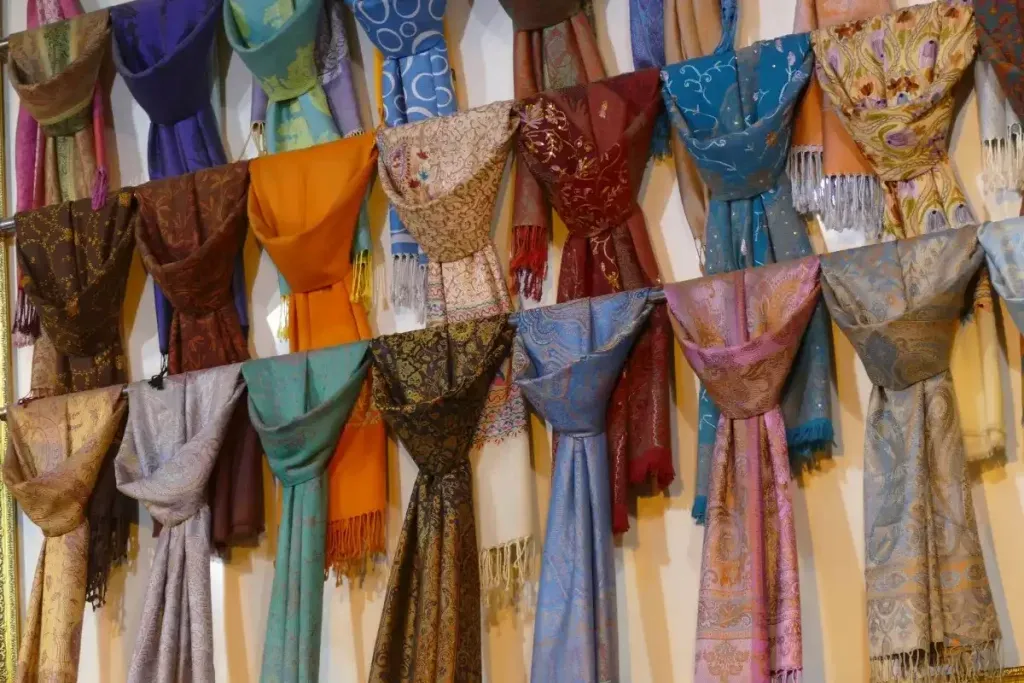
Towels, t-shirts, dresses, cashmere, scarves: whatever fabric you are after, the bazaar stocks it. The best known of all Turkish textiles is the symbol of the hamam, the colorful peshtemal towel. Made from 100% cotton, peshtemals earned their place as an easy-to-carry way of keeping your privacy in a Turkish bath, then won lasting fans for being highly absorbent and quick to dry. Turkish cotton explains both. Its fibers are long and narrow, which packs more threads into every square inch, and unlike Egyptian cotton it gets thicker and fluffier with use and washing.
1. Abdulla
The mystical decoration in this shop, founded in the late 90s, makes you feel like you stepped into another world. Peshtemals and fluffy towels share shelves with hamam goods and natural products, including soaps made the traditional way with village spices. Hang one in the house or tuck it into your laundry for the scent.
Address: Mollafenari, Ali Baba Türbe Sk. No:15
2. Ottoamano
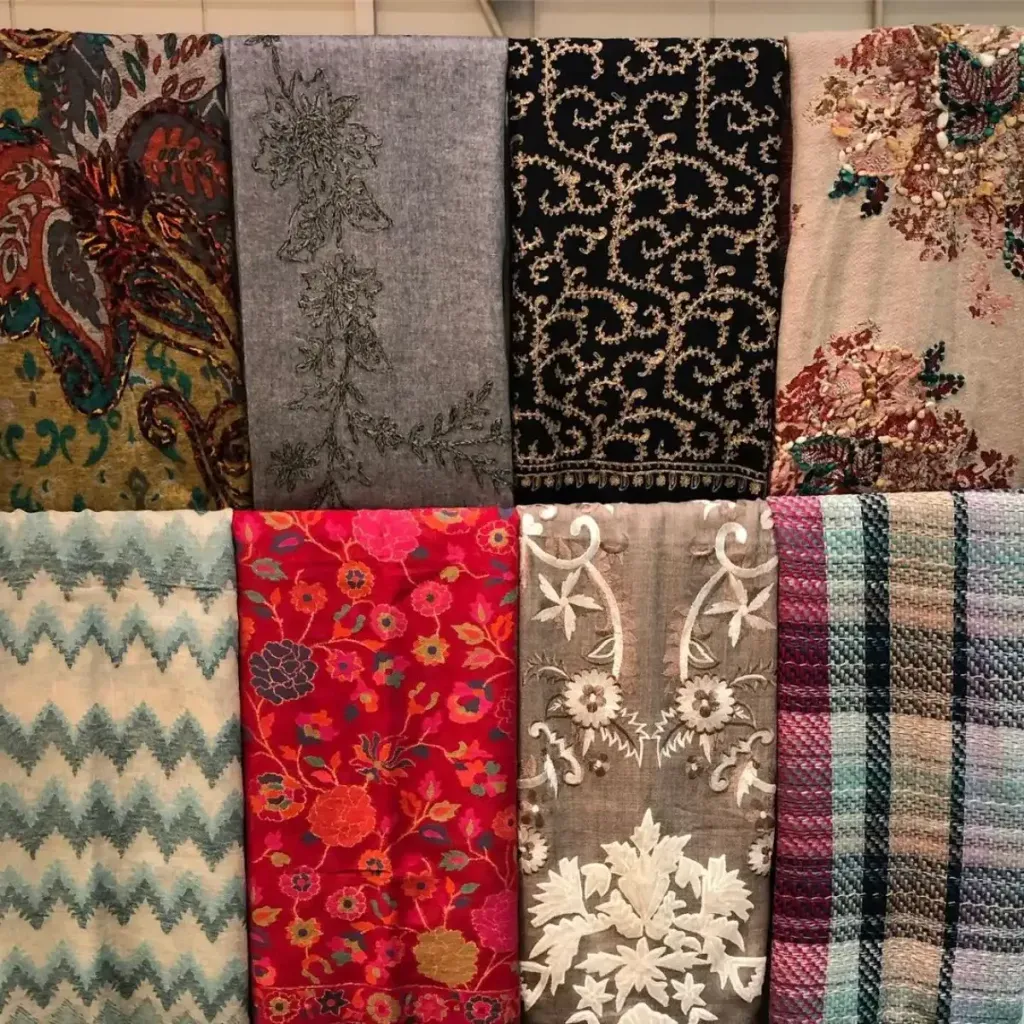
Through the Kapalıçarşı Kılıççılar Kapısı (Swordsman’s Bazaar Gate), styled to look like the doors of an Ottoman palace, this spot has sold hand-made cashmere since 1986. Subdued or vibrant, pop in and find your pattern.
Address: Beyazıt, Sandal Bedesteni Sk, No:36
3. Sivaslı Istanbul Yazmacısı
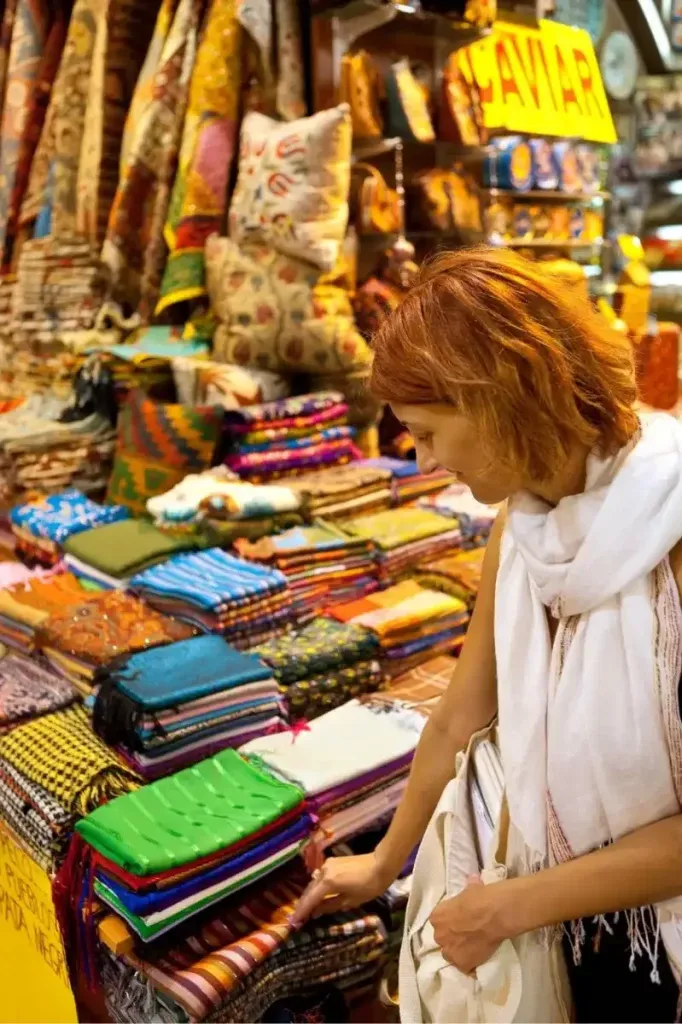
The selection of traditional Turkish scarves here reads like a daydream of color. Scarves anchor the stock, and the shelves run through every Turkish fabric you might want, from upholstery to clothing.
Address: Beyazıt, Yağlıkcılar Sok. No:57
4. Muhlis Günbattı
Vintage textiles are the draw here, above all the suzani: a large, hand-embroidered textile that hangs brilliantly on a wall. Originally a protective wrap for belongings, a suzani was traditionally gifted by the bride to the groom on their wedding day to celebrate the joining of two families. If you know someone about to be married, a cotton or silk suzani carries wishes of luck, health, long life, and fertility. The shop also stocks traditional outfits, Ottoman dowry pieces, kaftans, and needlework scarves.
Address: Beyazıt, Perdahçılar Sk. No:48
5. Derviş
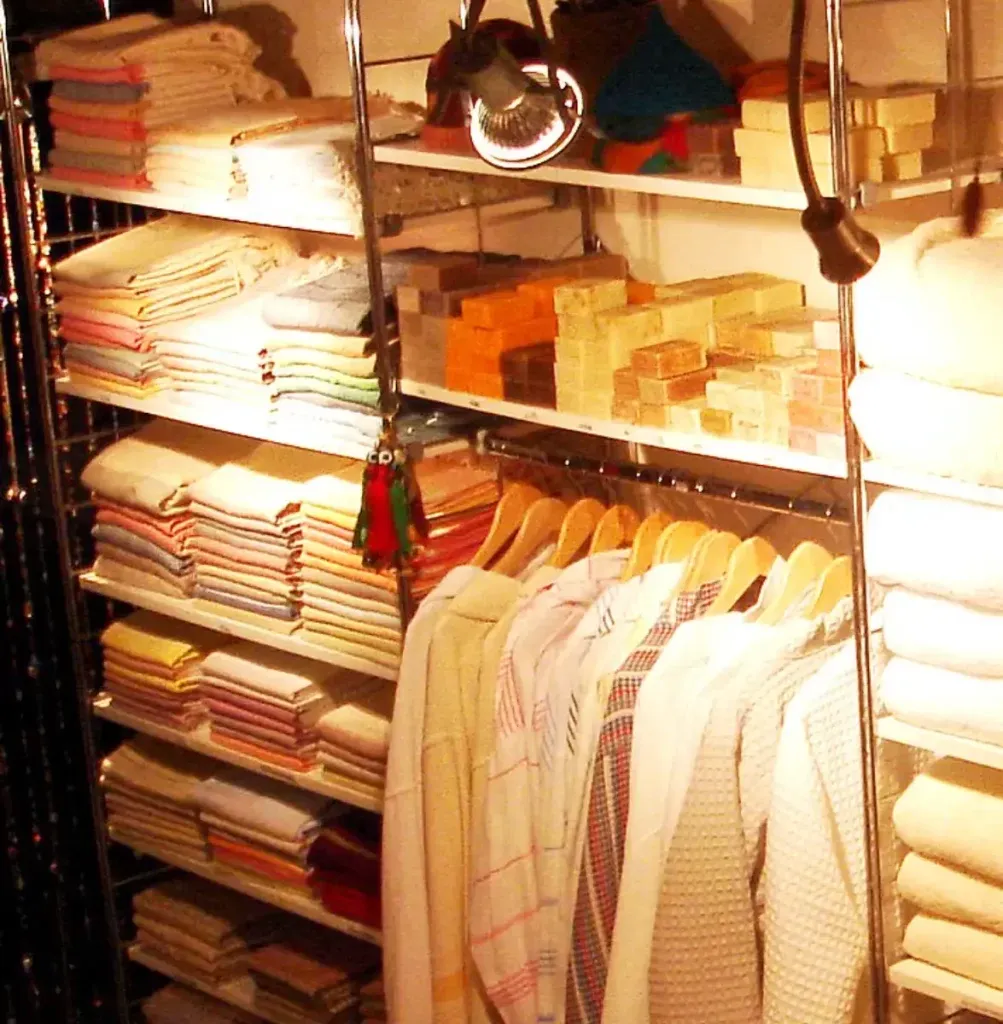
Another hamam-themed shop with carved soaps, wool and cotton scarves, handkerchiefs, colorful towels, combs, and printed peshtemals. Check the ingredient label before using any soap on sensitive skin; “natural” or “handmade” is not an allergy guarantee.
Address: Yağlıkçılar Caddesi İç Cebeci Han No:15
Antiques
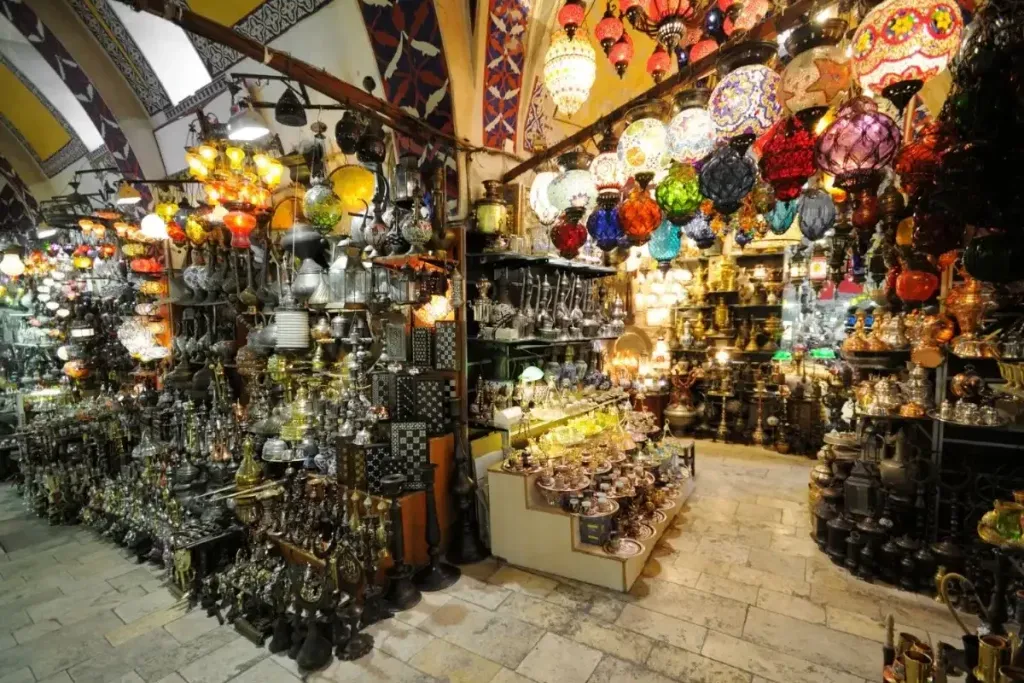
Objects from east and west have always passed through Istanbul, which makes the city dangerous territory for any antiquarian’s budget. The bazaar holds its own share of dealers, and one tiny shop stands out.
1. Minyatür Nautical Antiques
Tourists have made a small ritual of photographing the quiet shopkeeper before stepping inside. The amount of history packed into this tiny shop can overwhelm: clocks from another era, musical instruments with a tale to tell, old cameras for the cinephile, telescopes, and a few objects you will struggle to name. It is a golden treasure cave, no password required.
Address: Beyazıt, Cevahir Bedesten No:240
Restaurants in Grand Bazaar
After a full day among the stalls, your stomach will make itself heard. The four entries below sit inside or close to the market, but restaurant hours and menus need checking before a special trip. For eating beyond the bazaar walls, start with our full Istanbul food guide.
1. Havuzlu Restaurant
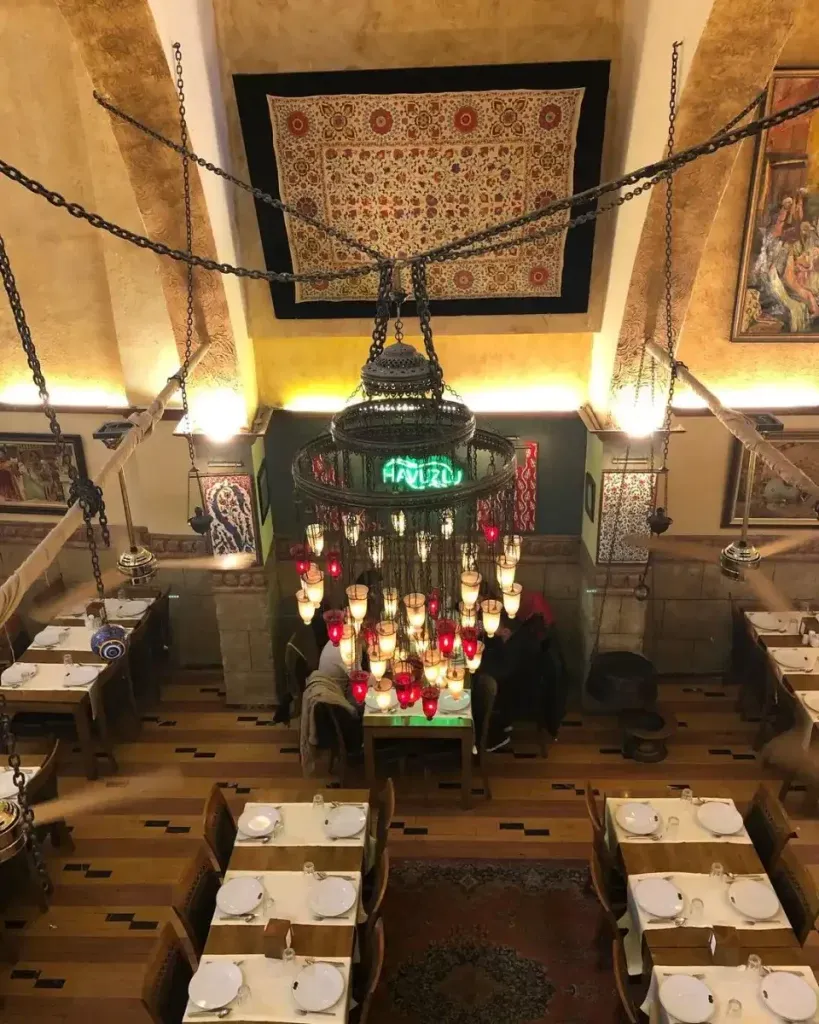
A fountain stands outside, and the sound of dripping water keeps your meal company. Beyond the traditional Turkish dishes there are plenty of vegetarian and gluten-free options, like peas and potatoes in a tomato sauce.
If mantı, small dumplings served with yogurt, red sauce, and sumac, is on the current menu and wins you over, our guide to the best mantı in Istanbul maps out where to keep eating it. Daily dishes can change, so check the counter before ordering.
Address: Beyazıt, Gani Çelebi Sk. Kapalıçarşı No:3
2. Şeyhmuz Kebap Salonu
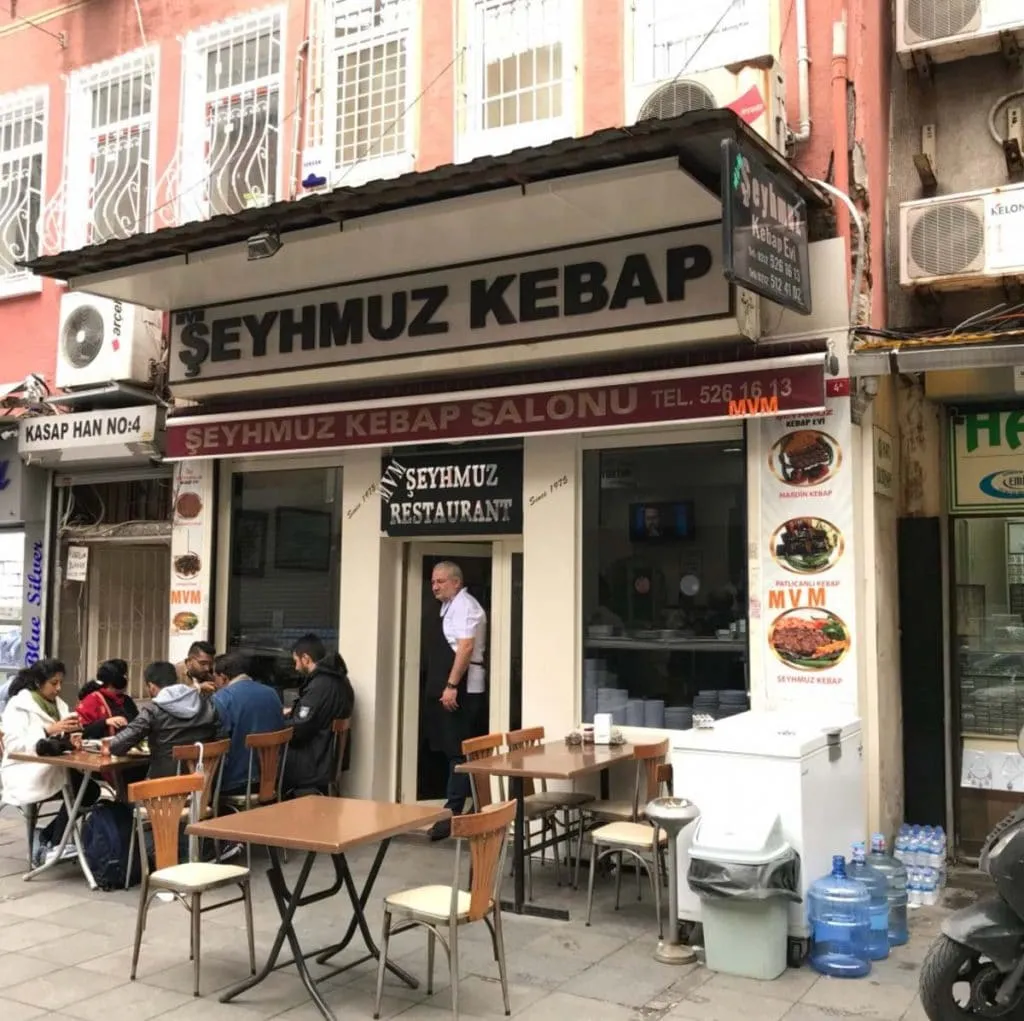
A humble kebab spot that punches well above its decor. The bread is remarkable for its softness, and every dish arrives with colorful salads and grilled vegetables on the side. The lahmacun and the eggplant kebab are both safe bets.
Address: Mollafenari, Atik Alipaşa Medresesi Sokak 4/A
3. Nusr-Et Steakhouse Sandal Bedesteni
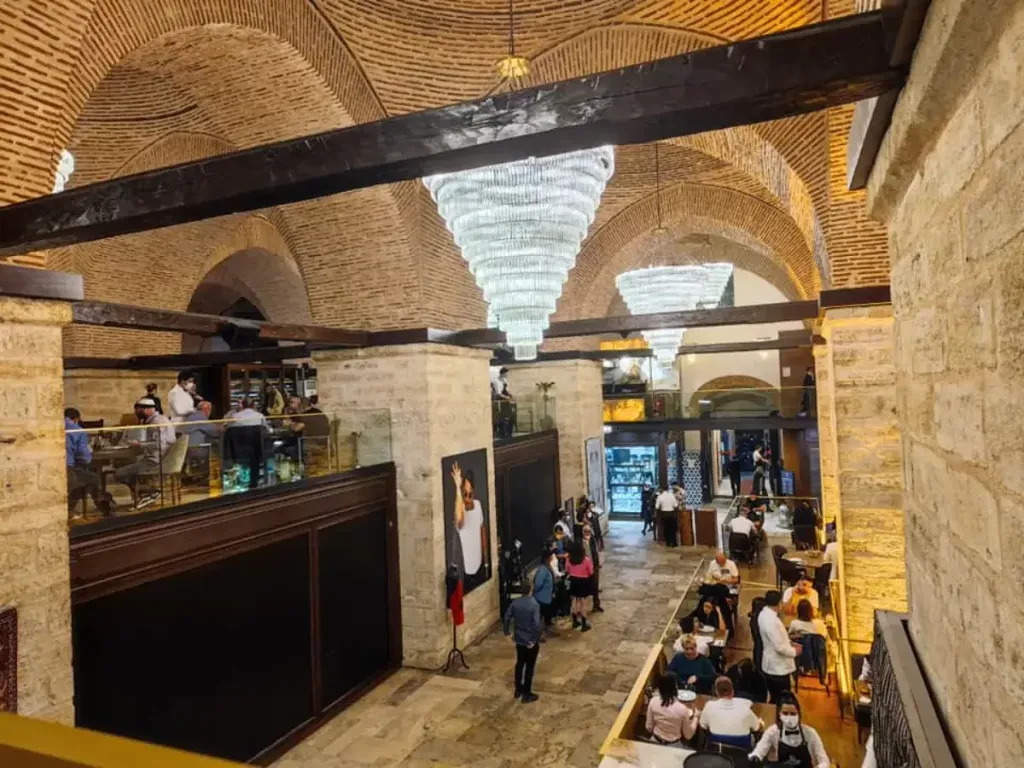
One of the many homes of Salt Bae, with a comfy cabin-in-the-woods feel. The salads run long and colorful: the Mediterranean with its olives and feta, a creamy avocado, a Tulum cheese option for cheese fiends, and the spoon salad, a sweet, crunchy, flavorful mess. If steak is beside the point for you, the cheesy heart-shaped meatballs land well, and the sushi and grilled shrimp work as appetizers. The mocktail list is long and intriguing, from the Fire of Ottoman to the Rassbasil; the Nusr-Et special blends fresh pineapple juice, passion fruit sauce, watermelon syrup, and cream.
Address: Beyazıt, Çarşıkapı Nur-u Osmaniye Sk. Sandal Bedesteni Çarşısı
4. Bahar Restaurant
This small lokanta is tucked inside the bazaar area. Its operating pattern and daily dishes can change, so check before making it the anchor of your visit. If the walnut-and-dried-fig dessert is available, it is worth considering.
Address: Beyazıt Mah., Nuri Osmaniye Cad. Yağcı Han D:4
Final words
The Grand Bazaar rewards a short list and comfortable shoes. Seventeen shops and four restaurants will fill a day without trying, and whatever you miss gives you a reason to come back. When you are ready to trade shopping for eating, see the current route and availability for our Taste of Two Continents tour.