15 Hidden Gems in Istanbul: Quiet Spots Most Visitors Miss
15 hidden gems in Istanbul: the Büyük Valide Han rooftop, Theodosius Cistern, Fener and Balat, Kanlıca yogurt, and more quiet spots most visitors walk past.
Istanbul rewards anyone willing to walk one street past the famous sights. A 1651 han rooftop where a James Bond film shot scenes, a Roman cistern that came back to light in 2010, a Bosphorus neighborhood that serves its yogurt under a layer of caster sugar: these fifteen places carry none of the crowds of the headline attractions, and most sit a short walk or ferry ride from the spots you were already going to visit.
The 15 spots at a glance
| Spot | What it is | Why go |
|---|---|---|
| Kanlıca | Bosphorus neighborhood, Asian shore | Wooden waterfront mansions; yogurt with caster sugar |
| Kadıköy Fish Market | Market, Asian side | Fish, honey, cheeses, pickles; ferry ride and street art |
| Rüstem Pasha Mosque | 16th-century mosque | Mimar Sinan design with a minimalist interior |
| Büyük Valide Han rooftop | Han from 1651 | Rooftop views; appeared in Skyfall (2012); tea in the cafe |
| Women’s Bazaar (Kadınlar Pazarı) | Market | Nuts and dried fruit; near Fener and Balat |
| Fener and Balat | UNESCO-listed neighborhoods | Churches, synagogues, antique shops, an 1890 meyhane |
| Aqueduct of Valens | 4th-century Roman aqueduct | Surrounds the Women’s Bazaar; fed the city’s cisterns |
| Otağtepe Park | Hilltop grove, Asian shore | Bosphorus views; free entry; botanical garden |
| Belgrad Forest | Protected woodland, Sarıyer | Trails, picnics, the Atatürk Arboretum |
| Çamlıca Mosque | Largest mosque in the city | Art gallery, library, and museum; designed by two women |
| Nevmekan Sahil | Library complex, Üsküdar | Room for around 100,000 books; two cafes; open 9 am to 10 pm |
| Bebek waterfront | Bosphorus neighborhood, European side | Ice cream, pudding shops, a park facing the strait |
| Theodosius Cistern | Byzantine cistern, built 443 | Found again in 2010; 10-minute projection show |
| Yeraltı Camii (Underground Mosque) | Former fortress prison | Tombs of two 7th-century martyrs; green-lit, cave-like calm |
| Zincirli Han | Han inside the Grand Bazaar | Pink shop fronts, marble fountain, craftsmen at work |
All 15 hidden gems on one map
Most of these sit far from the postcard route. Open the map to see which hide near each other, and which earn their own afternoon.
- Kanlıca neighborhood Bosphorus neighborhood
- Kadıköy Fish Market Kadıköy
- Rüstem Pasha Mosque
- Büyük Valide Han rooftop Mercan
- Women's Bazaar Zeyrek
- Fener and Balat neighborhoods Golden Horn
- Aqueduct of Valens Fatih
- Otağtepe Park Asian shore
- Belgrad Forest Sarıyer District
- Çamlıca Mosque Üsküdar
- Nevmekan Sahil Üsküdar district
- Bebek waterfront Bebek
- Theodosius Cistern Çemberlitaş
- Yeraltı Camii Karaköy
- Zincirli Han at Grand Bazaar Grand Bazaar
1. Kanlıca neighborhood
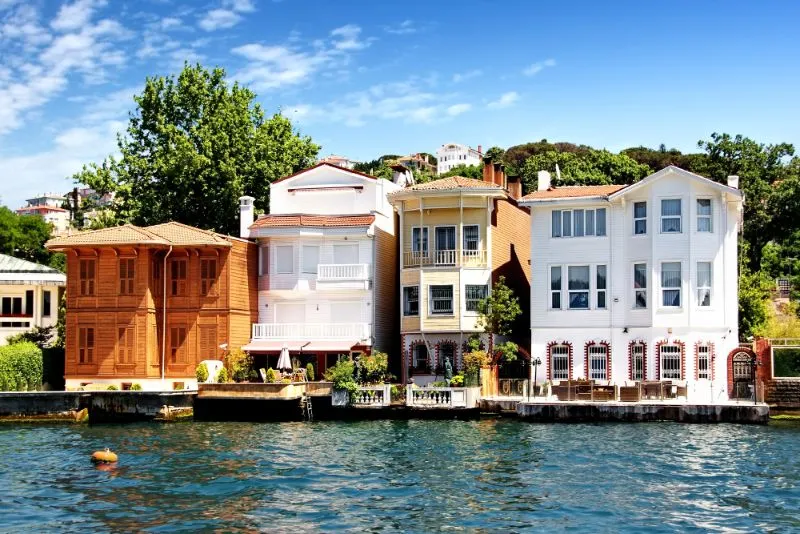
A quick ferry ride to the Asian part of Istanbul lands you in Kanlıca, a quiet escape from the busy center. The scene here: historical wooden waterfront mansions, an open water swimming event in the Bosphorus, and the lovely Mihrabat Nature Park.
2. Kadıköy Fish Market
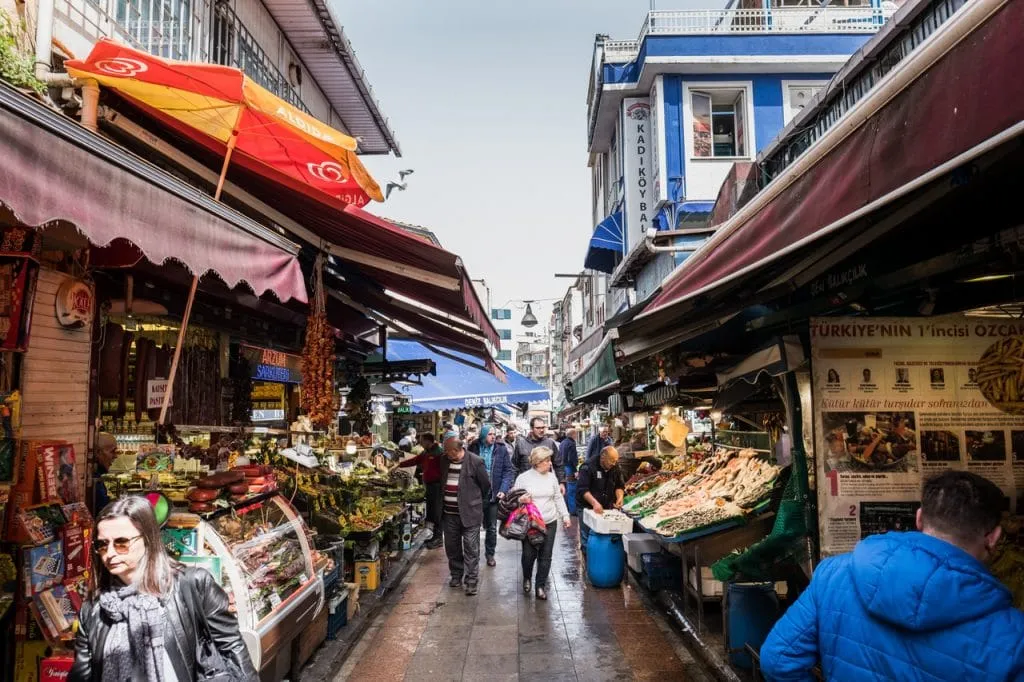
You’ll find locals picking up their ingredients at Kadıköy Market. The stalls sell fish alongside honey, cheeses, pickles, and olives. Kadıköy sits on the Asian side of Istanbul, so prices run more reasonable than on the European side.
The fish market is worth visiting for the feel of the city alone, and the trip there is half the point: cool wind on the ferry ride over, then the street art Kadıköy is famous for once you land. If the market walk leaves you hungry, our Kadıköy restaurants guide covers where to sit down. For a guided version of that ferry-and-market experience, our Istanbul food tours include routes through Kadıköy and the city’s local food streets.
3. Rüstem Pasha Mosque
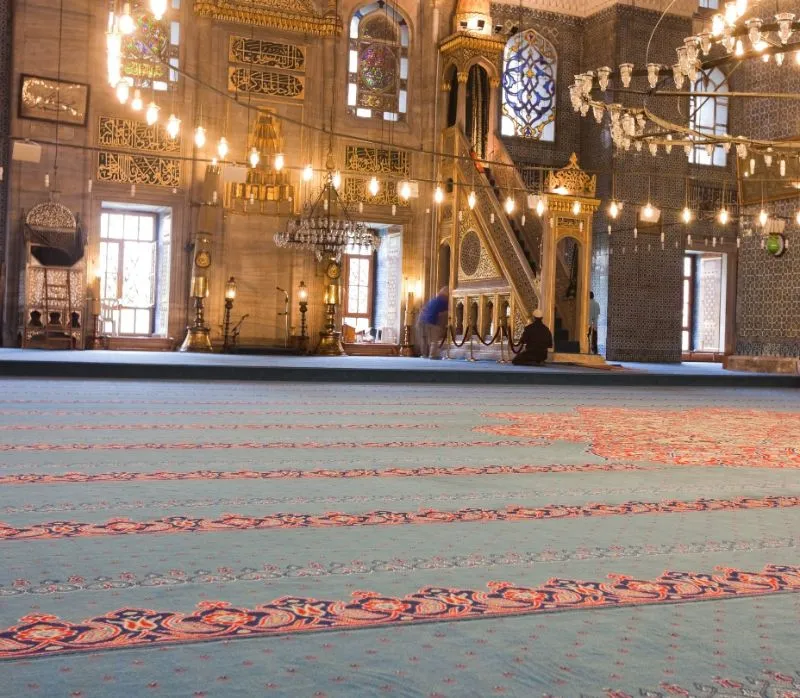
The husband of Mihrimah Sultan commissioned Mimar Sinan to build this mosque. It stands apart from other Sinan designs because the interior is minimalistic. The 16th-century building is also set to house the Carpet Museum, which hardly anyone talks about.
4. Büyük Valide Han rooftop
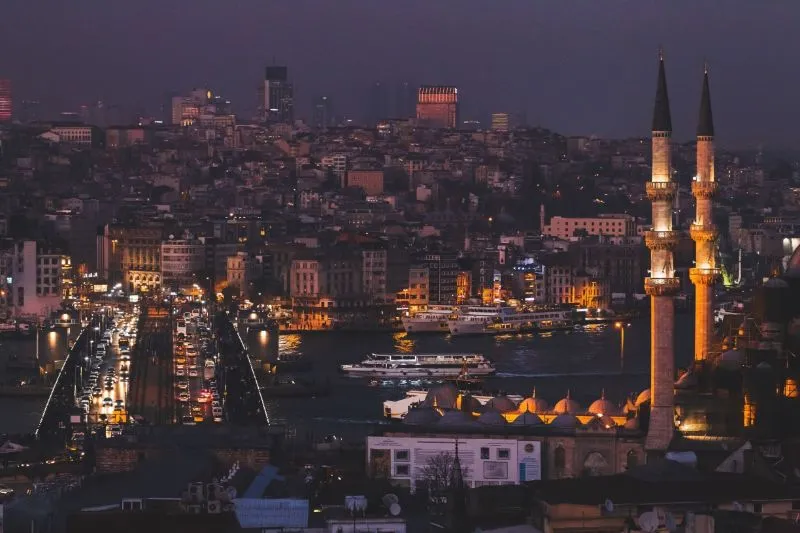
The sultan’s mother established Büyük Valide Han in 1651 as one of Istanbul’s most significant hans, the buildings that combined shops and lodging. The site carries older history too: in 1567 it held the first printing press in Istanbul. A Shi’a mosque stands in the main courtyard, and some of the most magnificent mosques in Istanbul are within walking distance: Nuruosmaniye, Beyazıt, and Hagia Sophia.
The han appeared in Skyfall, the 2012 James Bond film. Bring a camera for the views and drink tea in the cafe.
5. Women’s Bazaar (Kadınlar Pazarı)
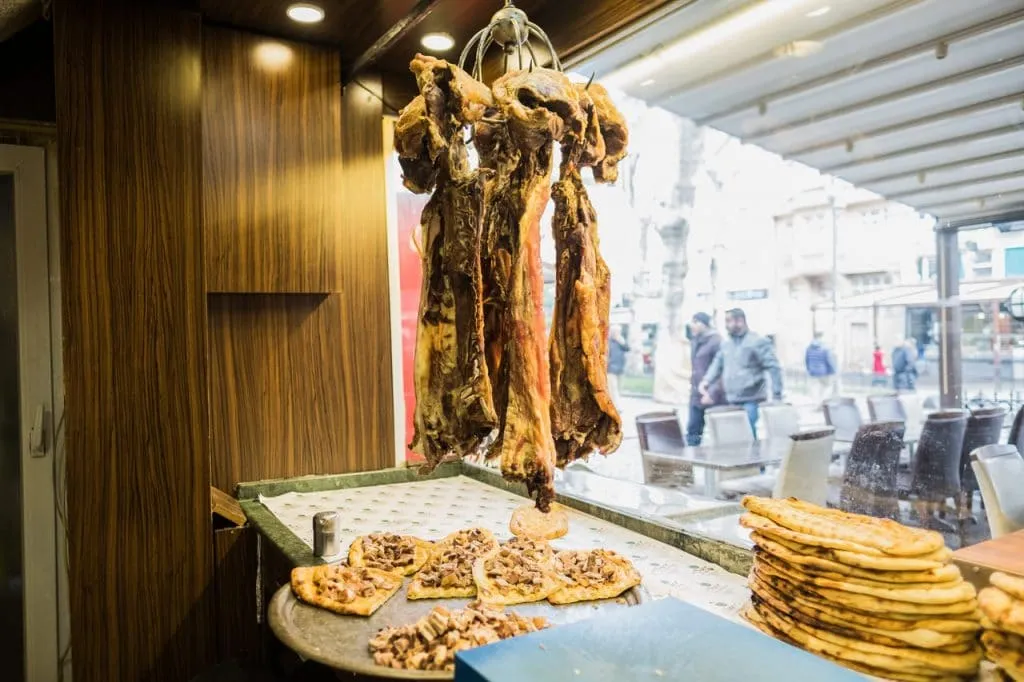
The name goes back to the Ottoman era, when women gathered the fruit deemed unsellable to the rich at the Eminönü market and brought it here to sell to other women. The stalls still carry nuts and dried fruit, so this is the place to build a trail mix or copy the hazelnut-filled Turkish delight you bought earlier. The market sits close to Fener and Balat, so it combines well with a day of sightseeing there. For the wider picture, our guide to Istanbul markets and bazaars maps the rest of the city’s stalls.
6. Fener and Balat neighborhoods
These neighborhoods joined the UNESCO World Heritage List as part of the historical old city, a listing that covers both the Balat District and the Fatih District. They sit on the western bank of the Golden Horn, and the density of overlooked buildings here outdoes anywhere else in Istanbul.
When Jewish people fled the Spanish Inquisition, many settled in this area, which is why it’s known as the Jewish Quarter of the city. As you walk around, look for the Phanar Greek Orthodox College, a private school established in 1454 and a popular school for Greek families in the Ottoman era.
Churches include:
- The Fener Greek Patriarchate
- St George Church
- The Neo-baroque Church of Our Lady of the Mongols
- St Stephen Bulgarian Iron Church (Aya Istefanos), from 1281
- The Surp Hresdagabet Armenian Church, from the 16th century
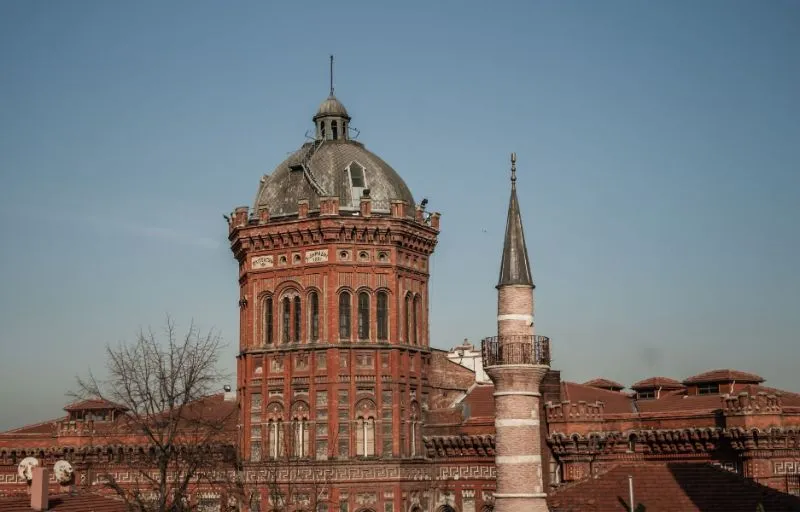
Mosques include the Balat Mosque from 1562, designed by Mimar Sinan, and the 16th-century Yavuz Selim Sultan Camii. The Chora Mosque, by the walls of Constantinople, was once a church. Two synagogues stand here as well: the Yanbol Synagogue, built in the 18th century, and the Ahrida Synagogue, built in the 1430s.
You can find rare antiques at the Antiques Auction Shop (Fener Antik Mezat) if you visit between 3 and 8 pm, and more antique shops fill Çıfıt Çarşısı (Çıfıt Bazaar). The renowned Agora Tavern (Agora Meyhanesi 1890) is in this neighborhood as well. Founded in 1890 during the Ottoman era, the historic meyhane reopened in 2014 after a long closure and still draws a loyal crowd.
The cobbled streets around the colorful Balat Houses and Çorbacı Çeşmesi street make the best photography spots in the area.
7. Aqueduct of Valens (Bozdoğan Kemeri)
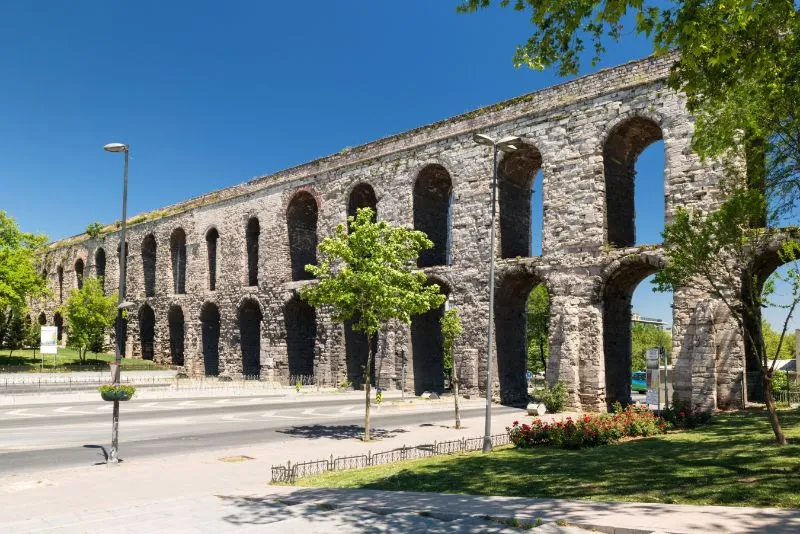
If historical buildings like the Blue Mosque are your reason for visiting, put this one on the route. Romans built the aqueduct in the 4th century, and it surrounds the Women’s Bazaar.
A distribution plant stood near Hagia Sophia. The aqueduct carried water into the city, which was then stored in underground cisterns like the Basilica Cistern. After the fall of Constantinople, Fatih Sultan Mehmed repaired the system to supply water to the imperial palaces such as Topkapı Palace.
8. Otağtepe Park
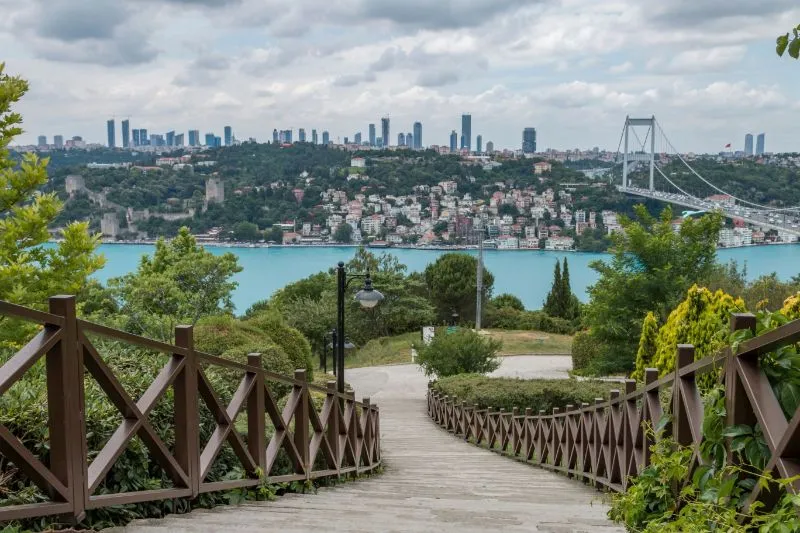
The views of the city make this grove one of the loveliest in Istanbul. The name comes from the Ottoman army forces, called otağ; tepe means hill. The story dates to the first siege of Constantinople in 1391, when the ruler wanted to see the whole of the Bosphorus from here.
Locals call it Otağtepe, but the signs use the grove’s official name, Fatih Korusu. There are no entry fees, no cafes, and no restaurants. There are children’s parks, bridges, ponds, and a botanical garden. At the far end, on the Bosphorus coast, stands the Anatolian Fortress, where you’ll find cafes.
9. Belgrad Forest
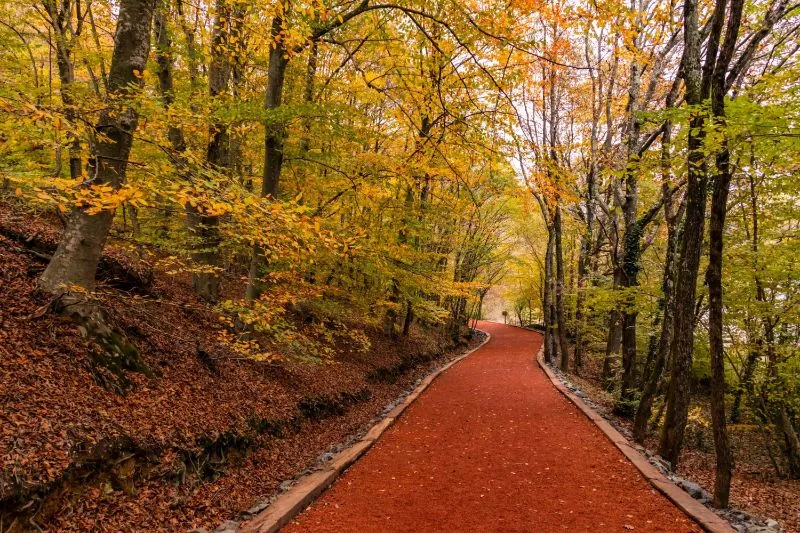
Belgrad Forest earns its place on this list for nature alone. The protected woodland sits toward the Black Sea in the Sarıyer District, and people call it the lungs of Istanbul.
You can camp, walk the trails, mountain bike, or picnic here, and a select area allows barbecue; please be careful not to start a forest fire. Nine nature parks, marshes, and historical reservoirs sit within the forest, and the Valens Aqueduct runs through it. Note that wild species live here if you choose to camp. Packing a picnic from the city’s cheap eats keeps the day inexpensive too.
Nature lovers should head for the Atatürk Arboretum. The Bahçeköy Wildlife Production Station once held endangered deer.
In spring, sit under one of the many chestnut trees with a thermos of Turkish tea and a bag of pastries.
10. Çamlıca Mosque
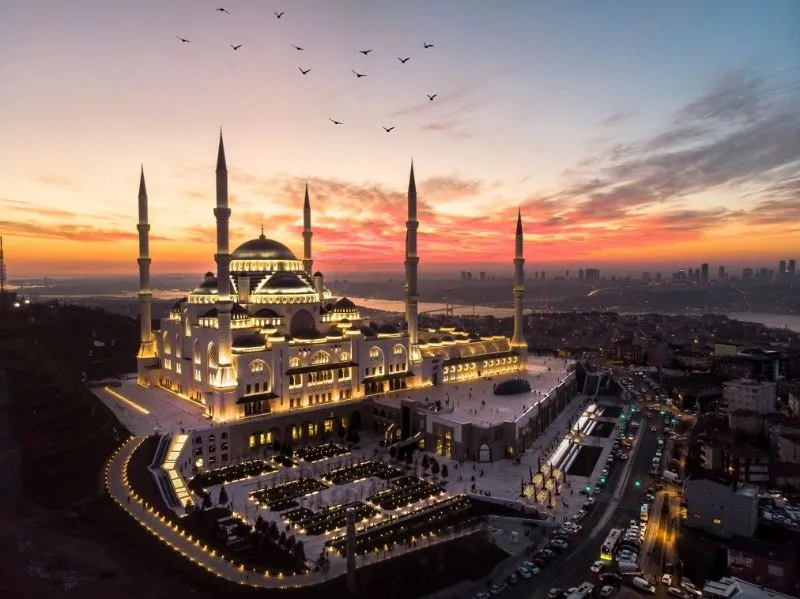
No local would call this place a secret. Tourists, though, rarely visit, which is a shame for the largest mosque in the city and one of the most beautiful in Turkey. The complex holds more than a prayer hall: an art gallery, a library, childcare sections, and a museum. It stands next to the stunning Çamlıca Hill, and two women architects designed this woman-friendly mosque. If you’re heading to the Üsküdar district anyway, add it to the day.
11. Nevmekan Sahil
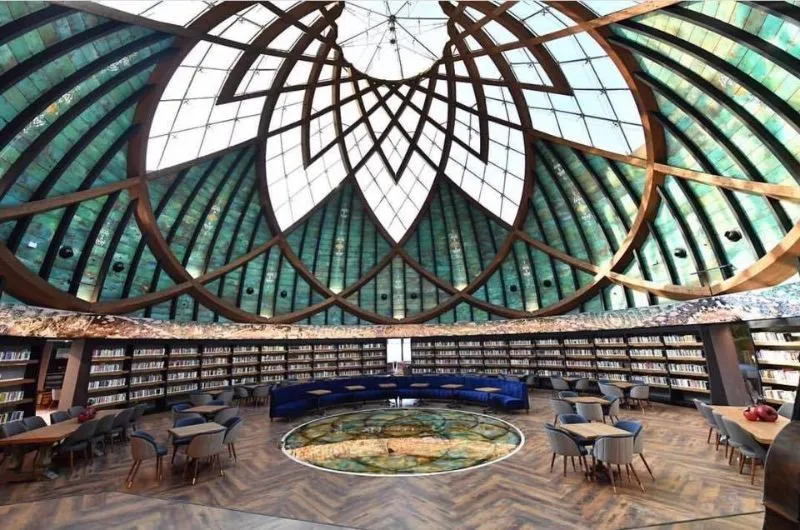
Istanbul offers more than historical buildings and museums; it’s also a fantastic city for bibliophiles. Nevmekan Sahil is a newer academic space in the Üsküdar district, known as the new library complex in Istanbul, and most visitors are locals. The library has room for around 100,000 books, split between printed volumes and electronic resources.
Contemporary art greets you at the entrance, and two cafes anchor opposite ends of the building. Lectures are in the plans, so this may become a meeting place for the city’s brightest minds. It’s open daily from 9 in the morning until 10 at night, so even after a full day of sightseeing you can still settle in here with a book.
12. Bebek waterfront
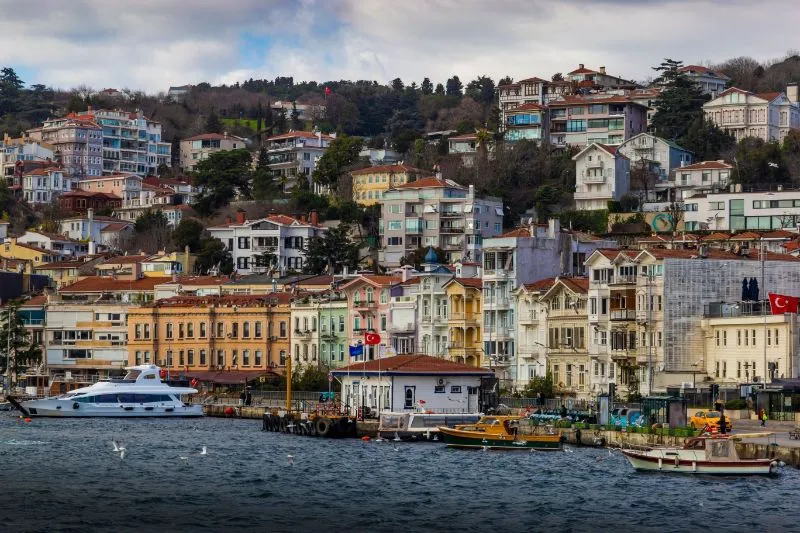
Bebek is one of the loveliest neighborhoods on Istanbul’s European side, and even locals flock here in summer. Grab an ice cream from a local shop, claim a spot in the park, and watch life go by on the Bosphorus. The food earns as much credit as the views; if you want something sweet, visit a pudding shop in this part of the city. You can thank us later.
For more ground, a quick ferry ride to the Anatolian side puts the Anatolian Fortress and Otağtepe Park within reach.
13. Theodosius Cistern
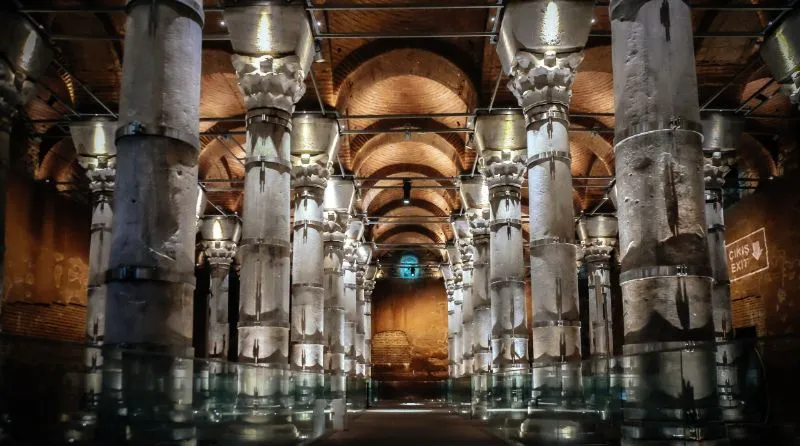
The cistern sits close to the Museum of Turkish and Islamic Art and near Topkapı Palace, with its entrance tucked into the back streets. Emperor Theodosius II ordered it built in 443, and it was found again in 2010.
This is another of the city’s Byzantine attractions, with unique flooring and preserved Corinthian decor. A 10-minute show projects 3D images onto the walls, columns, and ceilings, tracing the waterways of Istanbul. The show is short; people still spend hours down here.
14. Yeraltı Camii (Underground Mosque)
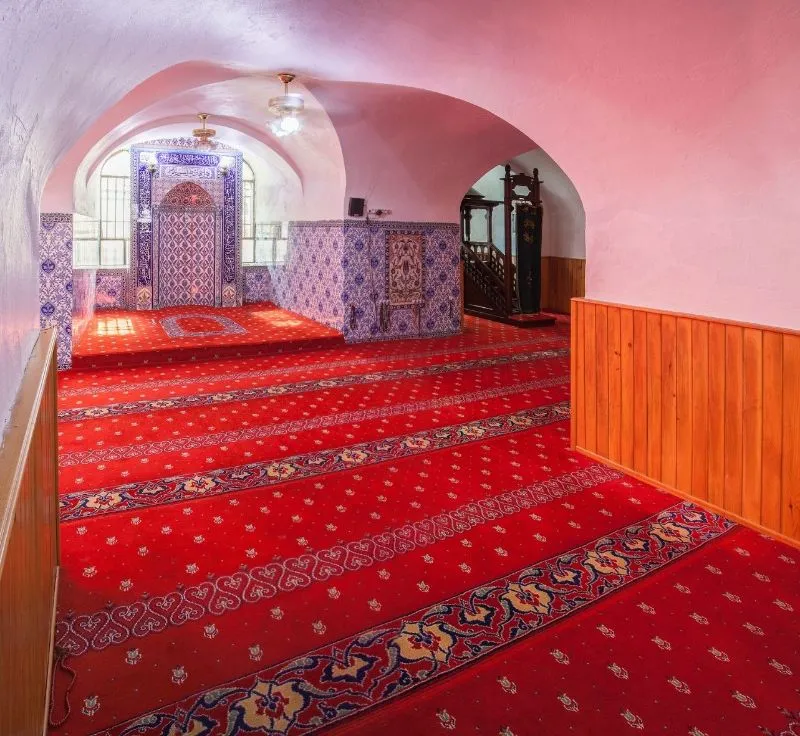
This one takes a little nerve. A Galata fortress once controlled access to the Golden Horn, and to prevent the Ottomans from invading, it held one end of a vast chain stretched across the water. The fortress is gone, and two remnants survive: the Galata Tower and this mosque. Part of the chain is displayed in the Istanbul Archeological Museum.
Yeraltı Camii has a meditative pull. It served as a prison in the former Byzantine fortress, and inside it stays quiet. Walk into the cave-like dark and you’ll reach the tomb of two Arab sainted martyrs who died in the city’s first siege in the 7th century. The eerie green lights date from when Sultan Murat IV ordered a shrine built for the martyrs.
Depending on your view, this may be the quietest attraction in the city.
15. Zincirli Han at Grand Bazaar
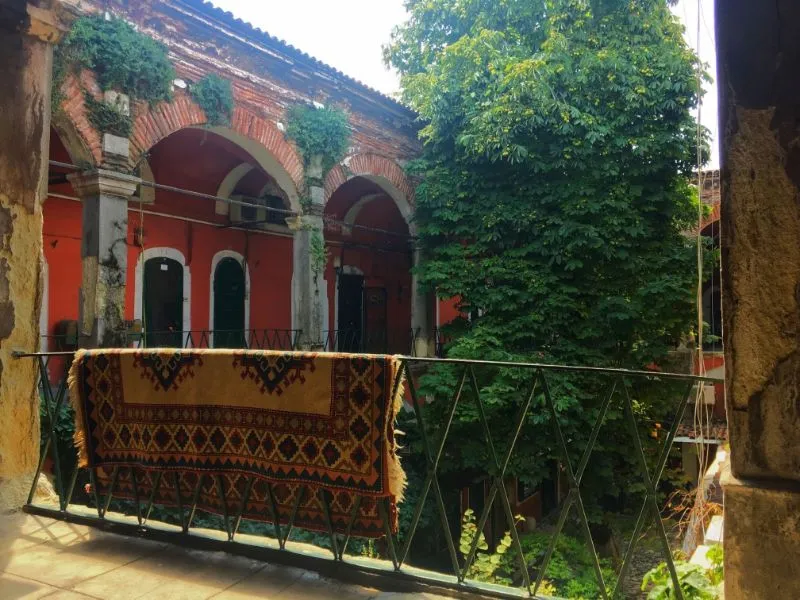
Hans, also known as caravansarais, were where merchants could rest before selling their wares, and each han was themed according to craft. These were the melting pots of merchants from around the world. Zincirli means chains, and chains are what this han traded.
Tucked inside the Grand Bazaar, the han may become your favorite corner of it. All-pink shop fronts, a marble fountain, and trees frame the cobblestones, and a charming cafe waits upstairs. Order warm Turkish tea or a freshly squeezed pomegranate juice, enjoy the view, and catch the craftsmen plying their trade. Locals tend to keep the place to themselves, and it feels like another world from the bazaar’s main lanes.
Final words
Fifteen places, and the pattern holds across all of them: walk one street past the line and Istanbul changes character. Pair the old city entries with a morning at the major sights, give Fener and Balat their own afternoon, and save the Bosphorus shore for a clear day. For the eating side of the trip, start with our Istanbul food guide and the rundown of Turkish foods worth ordering by name.
This list covers places; Turkish cuisine keeps at least as many secrets. The Taste of Two Continents tour starts with breakfast near the Spice Market before crossing by ferry to Kadıköy and Moda.