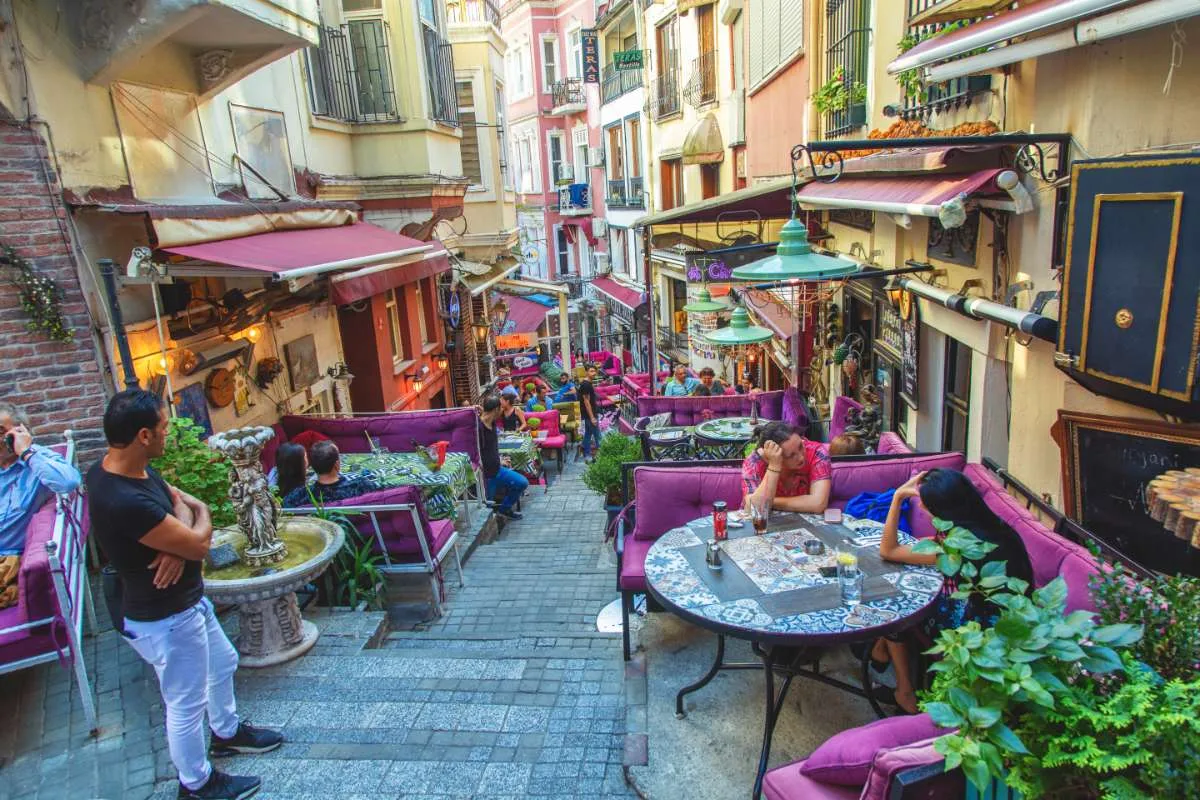
Istanbul in Winter: What to Eat and What to Do
Istanbul in winter means 40-60°F days, short lines at Hagia Sophia and Topkapı, and the warming food season: salep, boza, roasted chestnuts, and soup.
Istanbul in winter runs 5 to 15 degrees Celsius (40-60 Fahrenheit), the lines outside Hagia Sophia and Topkapı Palace shrink to minutes, and flights and hotels cost less than in summer. It is also the season when the city’s warming food comes out: roasted chestnut carts on the corners, salep and boza from street vendors, and soup carrying whole meals indoors. This guide covers both halves of a winter trip: what to eat from December through February, and what to do between meals.
What is the weather like in Istanbul in winter?
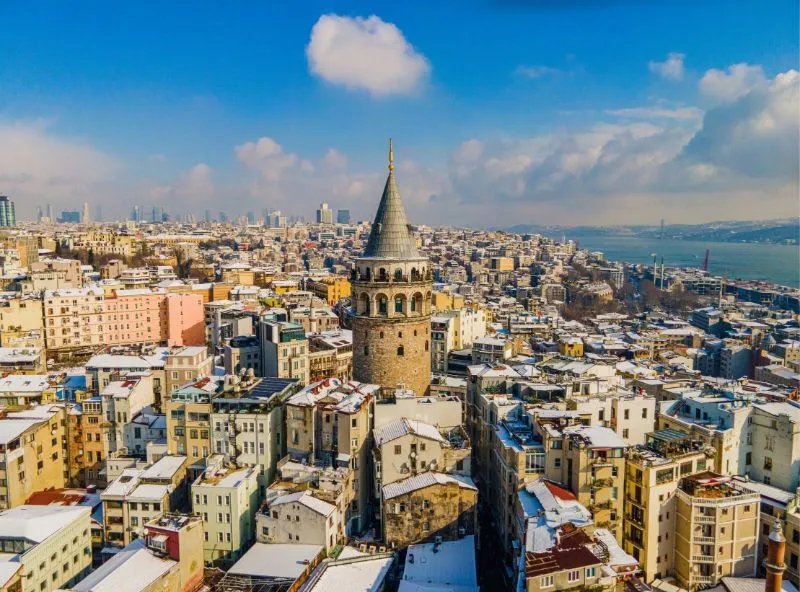
Istanbul has cold winters, with average temperatures ranging from 5-15 degrees Celsius (40-60 Fahrenheit). December, January, and February are the coldest months of the year, so pack warm clothes if you visit during this stretch.
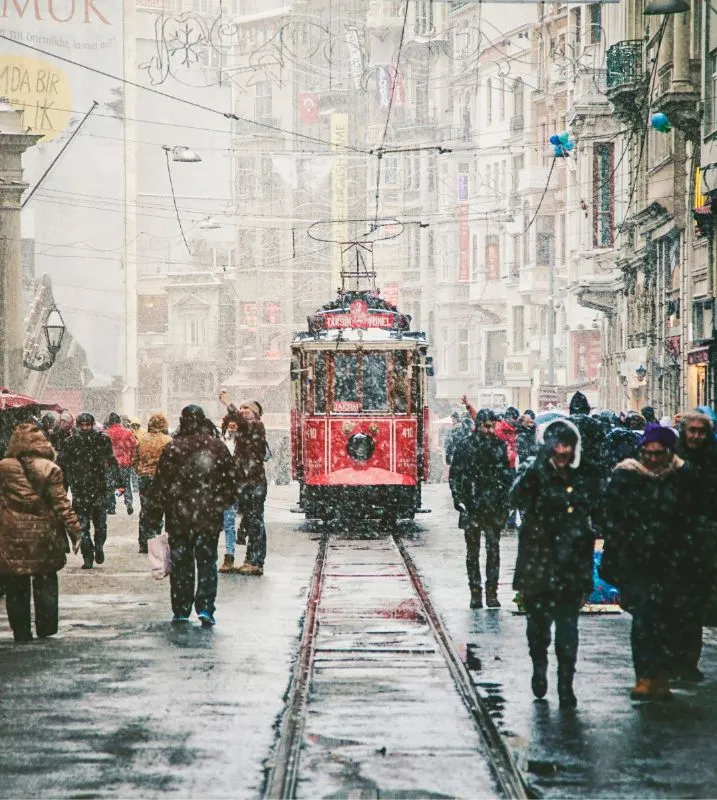
If you are hoping for snow, Istanbul still gets it. It snows less than it used to, and most winters bring at least a little.
The winters are also drier than you might expect. On average, it rains 7 days a month.
In short, winter in Istanbul is cold without being freezing, and the city stays fully open.
What to eat in Istanbul in winter
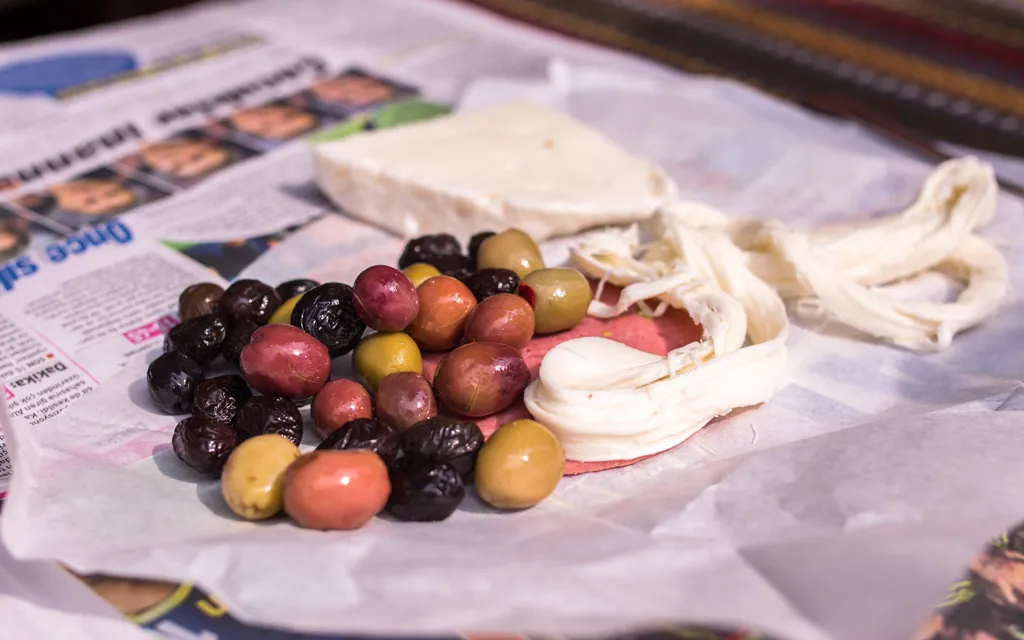
On the street, winter means roasted chestnuts, boiled corn, hot tea, and the two drinks the season is known for: salep, made from orchid root, and boza, a thick fermented grain drink. Both come dusted with cinnamon, and both get a closer look further down this page.
For sit-down meals, follow the locals indoors. Soup is the order of the season; our guide to the best soup in Istanbul lists the places worth crossing town for, and if a bowl follows you home, these Turkish soup recipes cover the classics. White bean stew is the other cold-weather standby. For dessert, there is sütlaç, the baked rice pudding.
For everything beyond the winter menu, our Istanbul food guide maps the city dish by dish.
What is Christmas in Istanbul like?
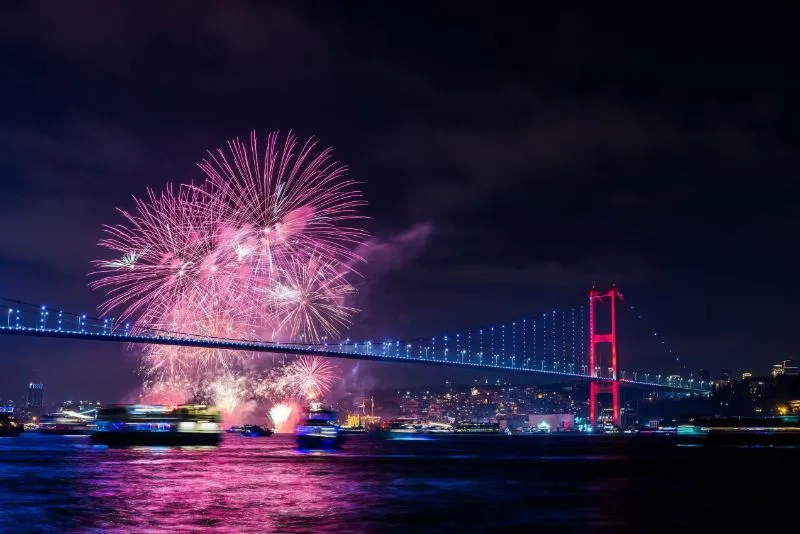
Christmas itself is not celebrated in Istanbul. New Year is, and the celebrations look familiar: in the run-up to New Year’s Eve you will find street lights and decorated trees around the city, especially in malls and the famous squares. Locals call Santa Claus “Father Noel,” and he brings gifts on New Year’s Eve.
Is it cheaper to travel to Istanbul in winter?
Food, museum tickets, and shopping cost the same all year. The savings are in getting here and staying here: if you avoid public holidays, flights and accommodation are much more affordable in winter than in summer. If you want to stretch your Turkish lira further, the Istanbul Tourist Pass can save you more.
Why is it a good idea to visit Istanbul in winter?
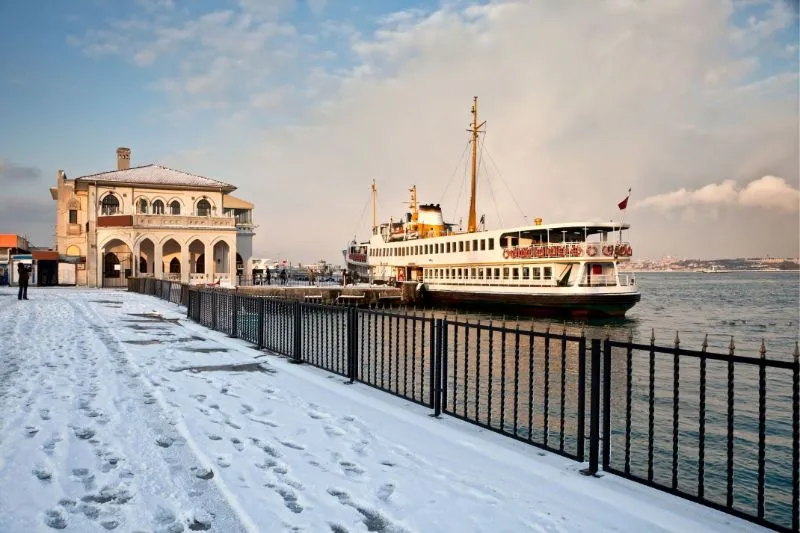
Istanbul works in every season, and winter makes its own case: the big sights without crowds, covered bazaars, warming drinks on the street, and ski slopes a few hours away. Here are the main perks. Bundle up and enjoy!
1. There are no long lines for world-famous museums and mosques
Istanbul is the world’s eighth most visited city, with 14 million visitors each year. In winter, you would hardly know it.
There are no long lines for the attractions, museums, and mosques. The city is quieter, calmer, and more subdued than in summer, when tourists and locals fill the streets together.
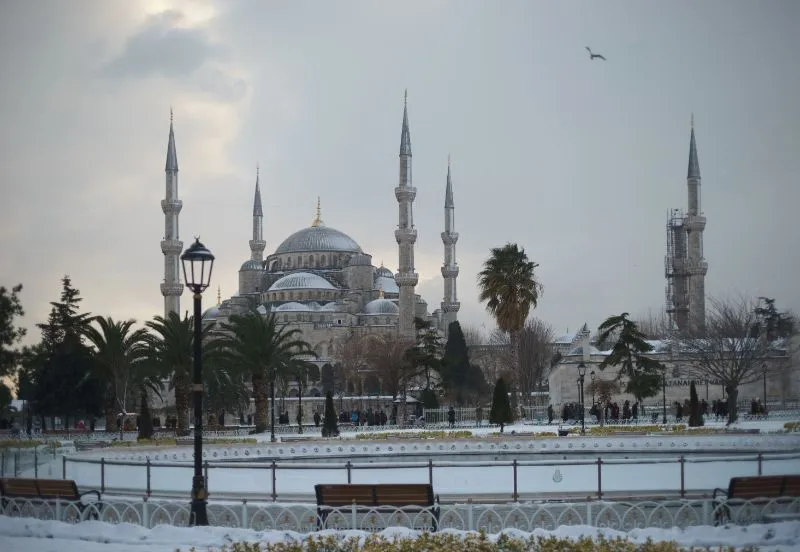
If the Blue Mosque, Topkapı Palace, and Hagia Sophia sit at the top of your list and your time is short, winter is the fastest way through all three.
2. Many popular tourist sites are indoors
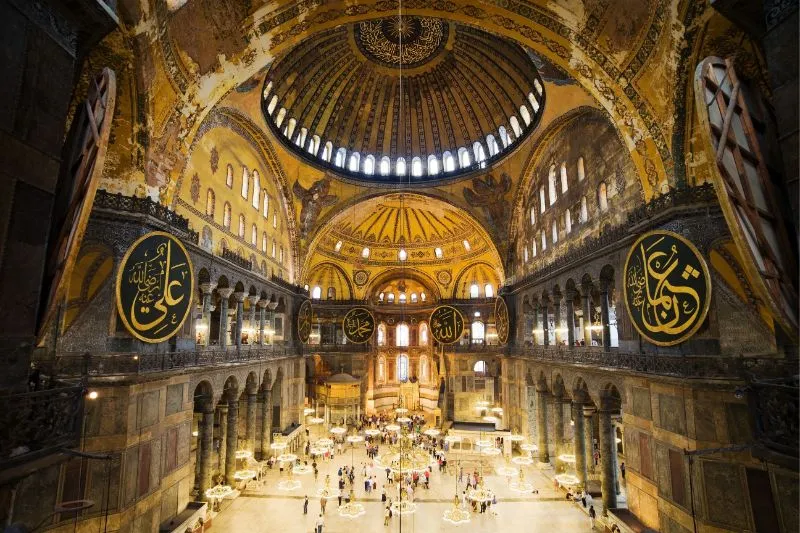
From the Basilica Cistern to Dolmabahçe Palace to Topkapı Palace, most historic sites in Istanbul are warmer inside than you would imagine. Even the Grand Bazaar and Spice Market are covered.
3. The city feels less touristy
Winter is when Istanbul behaves like itself. There is something satisfying about sipping a glass of Turkish tea and watching the locals rush to and fro.
4. Istanbul is not that cold in winter
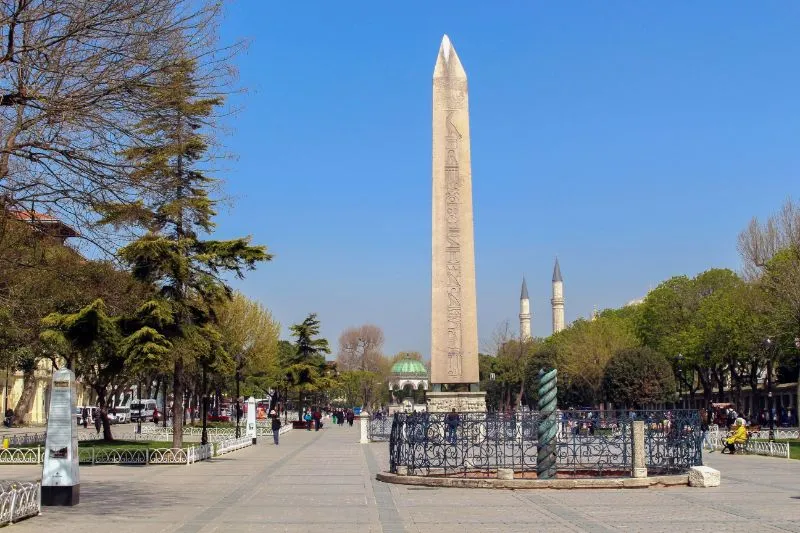
Unlike many European cities, Istanbul rarely hits freezing temperatures. The daily mean sits a few degrees above 0 Celsius, so bring a warm winter coat. If you get cold quickly, this is a chance to pick up a warm hat, warm socks, and a scarf at a bargain.
When you are out at the exposed spots, like Istiklal Street on the European side, browse the street food: roasted chestnuts, boiled corn, a cup of tea, or a salep. They keep you warm even at the top of the Galata Tower.
5. Flights and hotels are cheaper
Prices climb around the Christmas holidays and New Year celebrations; overall, winter rates run well below summer. Skip the public holidays and the discount is yours.
6. You can go skiing at Kartepe and Uludağ
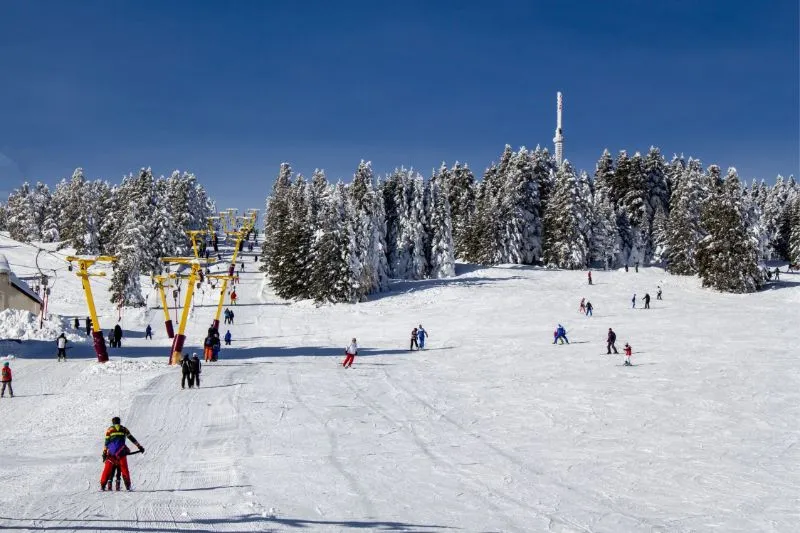
Uludağ and Kartepe are both within a few hours of Istanbul. Kartepe is a fairly new skiing area with slopes suited to beginners and intermediates, several hotels, and a cable car up to the runs.
9 best things to do in Istanbul in winter
There is plenty on offer in Istanbul in winter, indoors and out. Here are some ideas to get you started.
1. Visit indoor attractions
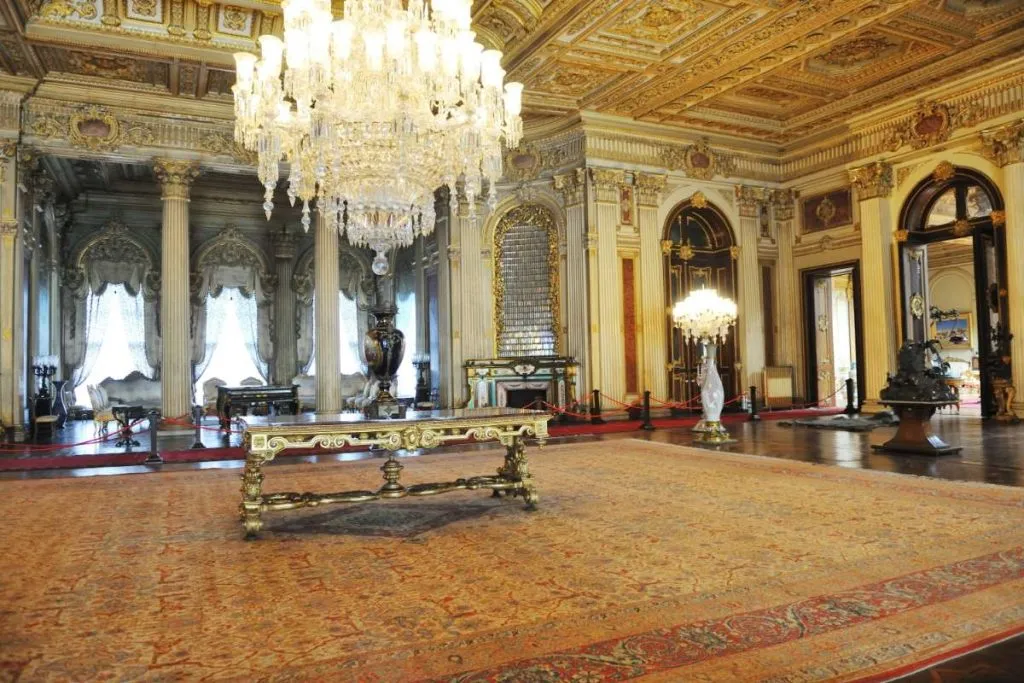
Summer is for wandering the Golden Horn and the Bosphorus. Winter is for the museums and the main attractions. You can see the exhibits at the Turkish and Islamic Arts Museum or the Military Museum without other visitors blocking the view.
Visiting in winter also means short waits. Dolmabahçe Palace, for example, draws hours-long lines in summer; in winter there is hardly any wait.
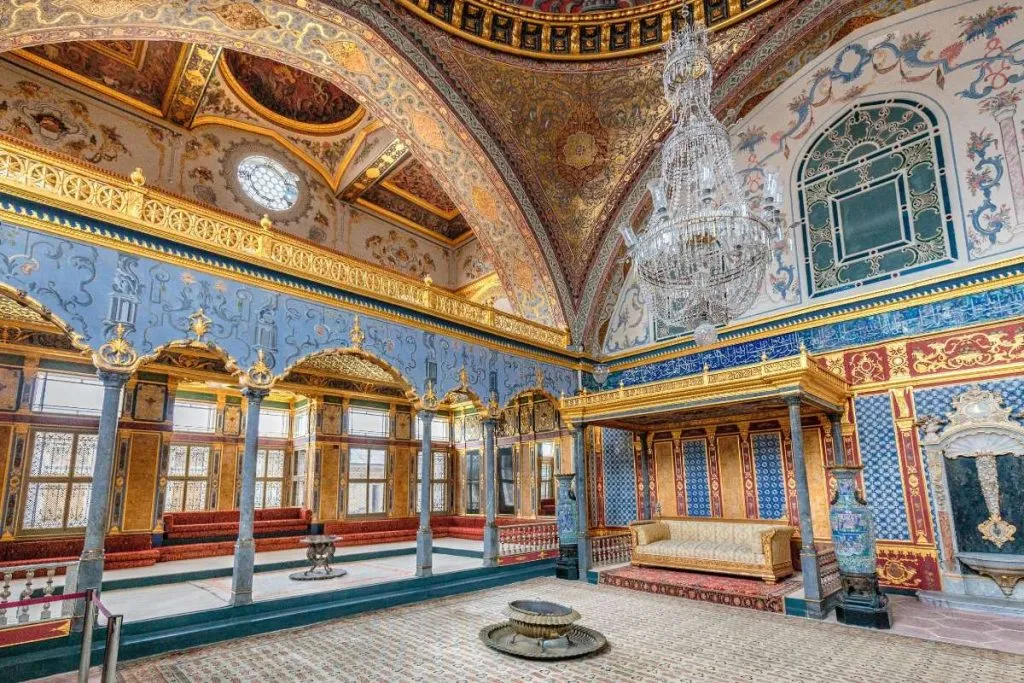
You can take a picture with the Blue Mosque in the background without being photobombed by another tourist. The Basilica Cistern, Hagia Sophia, and Chora Church are more contemplative in the winter months. If you want to see how the Ottoman sultans lived, Topkapı Palace has shorter lines too, all the way down to the souvenir shops.
If you can handle the cold, visit the Galata Tower toward evening to watch the Bosphorus Bridge light up. Another option is a Bosphorus cruise on a boat with a warm indoor section.
2. Visit a hamam
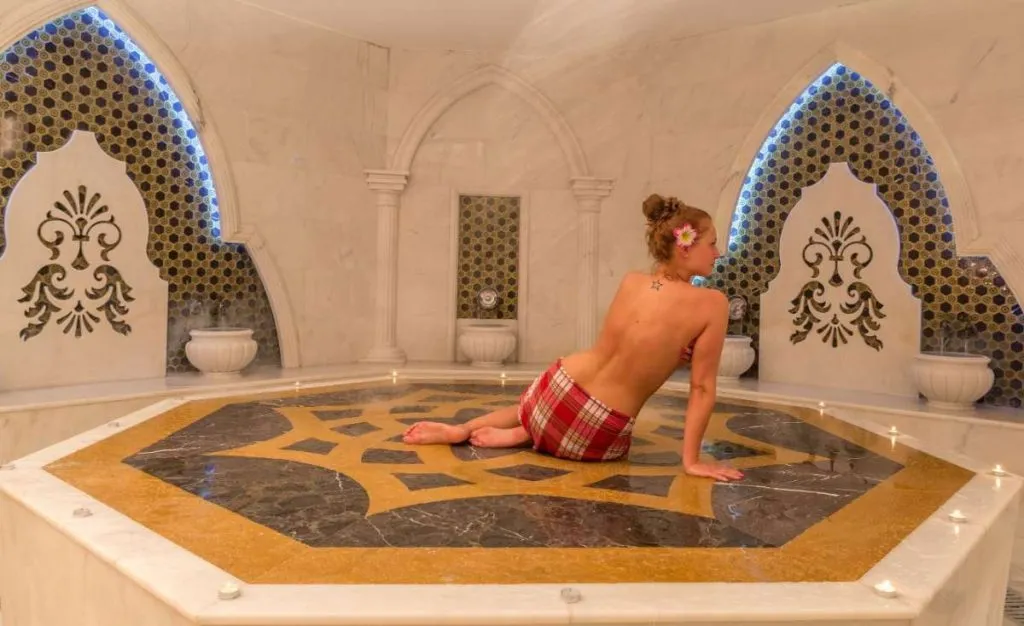
If there were ever a time to visit a historical Turkish bath in Istanbul, it is winter. There is a reason locals have been bathing publicly, especially in the cold months, since before the Ottoman Empire. Bring your winter coat for the walk out, and give yourself time to fully unwind inside.
One insider tip: lean toward the historical bath buildings over the new ones. You may pay a little extra, and the older houses usually offer snacks and refreshments like sherbet or Turkish coffee afterward, which brings your body temperature back to normal before you leave.
The older buildings have one more advantage: in the steam section you can watch the steam drift through the old stone rooms, which the modern buildings cannot match.
3. Shop in the Grand Bazaar and Spice Market
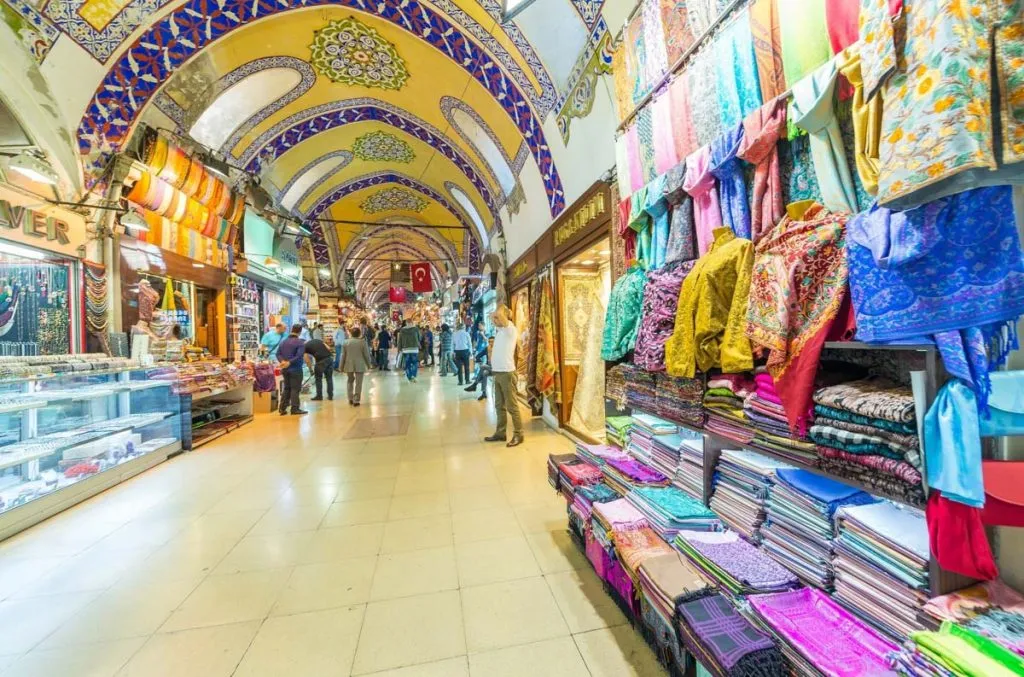
Whether you shop for sport or for history, it would be strange to visit Istanbul and skip one of the oldest covered markets in the world. Come for the Ottoman-era architecture, stay for the bargaining.
The Grand Bazaar and the Spice Bazaar are both covered and warm inside. Beyond the ingredients that go into Turkish food, both bazaars are ringed by street food stands the locals actually use. If you want to go past these two, our guide to Istanbul’s markets and bazaars goes further.
4. Visit shopping malls for winter sales
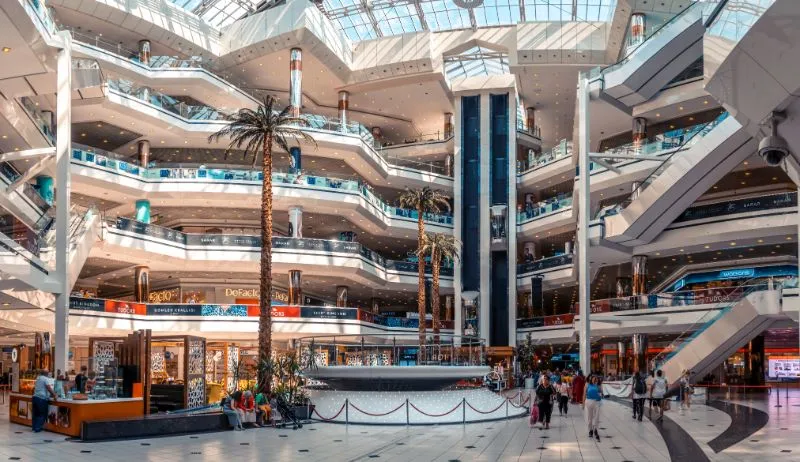
The winter sales are one of the better-kept perks of the season. While the Blue Mosque and Topkapı Palace hold the history crowd, the malls hold the deals, dressed up in holiday decorations. Locals pride themselves on their fashion sense, so the racks are reliable.
5. Visit a wine bar
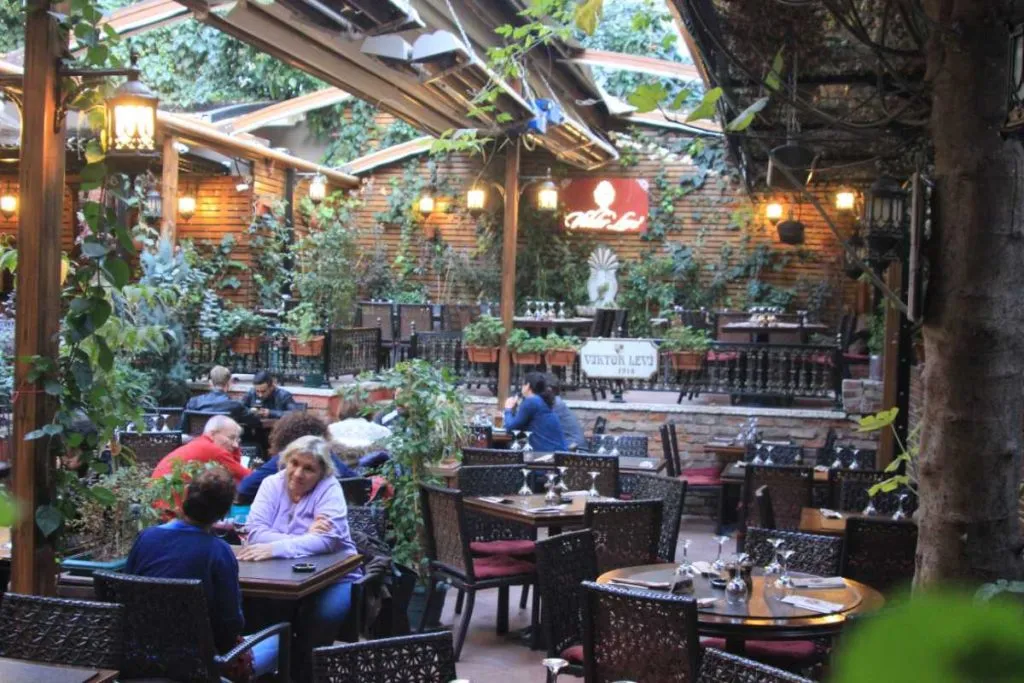
You may be forgiven for thinking Istanbul is a sober city. Turkey grows a selection of rare grapes, and some of its bottles win international awards; our guide to Turkish wines covers the ones worth knowing. If you want to warm up with a glass, Beyoğlu, where Istiklal Street runs, is popular with the drinking crowd. To get away from the city center, Viktor Levi Wine Bar is on the Asian side.
6. Drink boza and salep
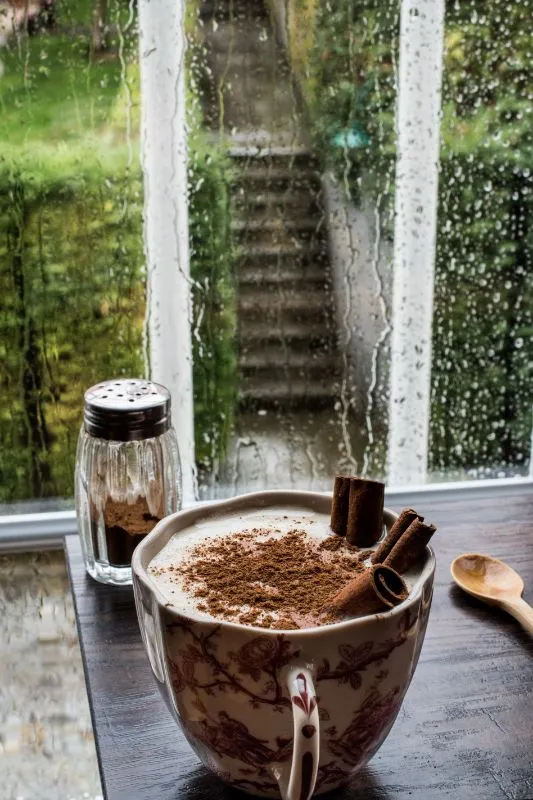
Boza is a thick, fermented beverage made from grains, sweet with a slightly acidic edge. It is such a fixture of Turkish culture, arguably more so than Turkish coffee, that it features in Orhan Pamuk’s writing: in his 2014 novel, one of the characters sells this warming winter drink.
The other winter drink is salep, made from orchid root, one of the more expensive “spices.” The root is endangered and rare, and the Turkish government has banned its export, so this warm, milky drink can only be had in Turkey. It tastes something like a chai latte without the caffeine, with a velvety undertone.
You can find both boza and salep through the winter, and both are served with cinnamon.
7. Visit Kadıköy and Nişantaşı
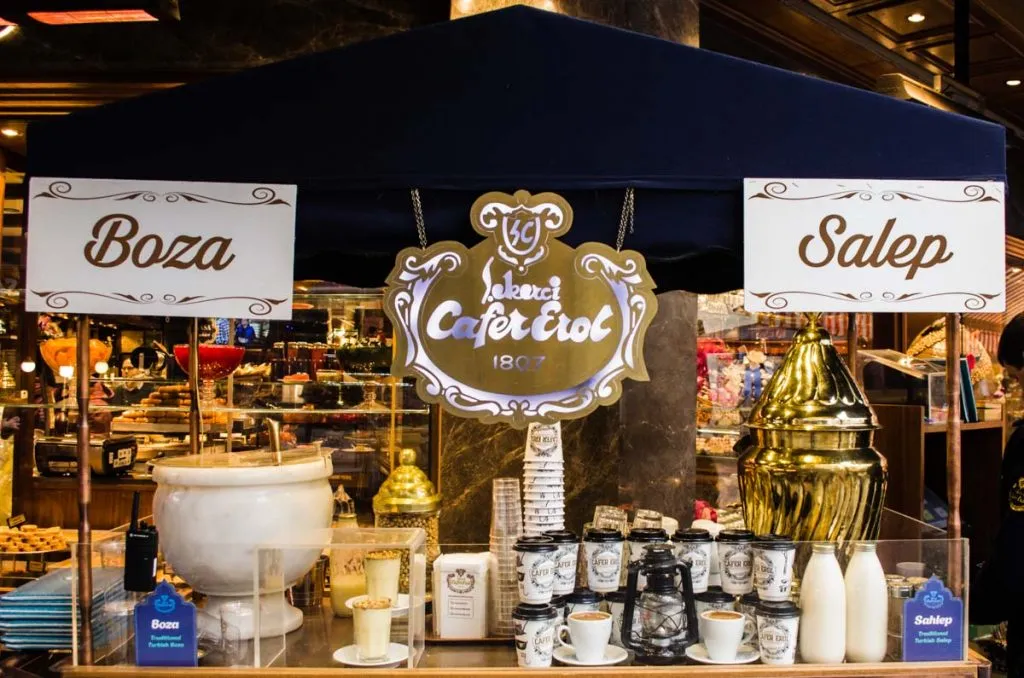
If you miss the holiday-season feel from back home, Kadıköy and Nişantaşı are aglow with lights and decorations. Shops dress their windows with fairy lights to welcome the new year, and both neighborhoods usually put up Christmas trees over the holidays.
There is a brilliant patisserie and dessert shop in Kadıköy called Şekerci Cafer Erol that always goes all out, with moving Santa figures and candy canes in the window. Pair the lights with Kadıköy’s street art and the chilly walk earns itself. Grab a salep and explore on foot; Kadıköy is also one of the best eating neighborhoods on the Asian side, and our Kadıköy restaurant guide covers it block by block.
8. Watch the whirling dervishes
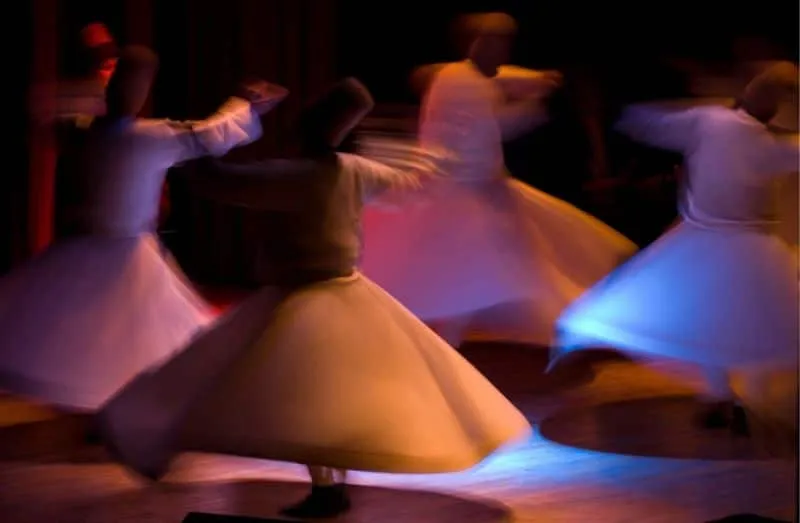
If you have ever visited Istanbul without seeing the whirling dervishes, you probably regretted it. The ceremony is an essential piece of Turkish culture and history, and it holds your attention from the first turn.
9. Visit art galleries
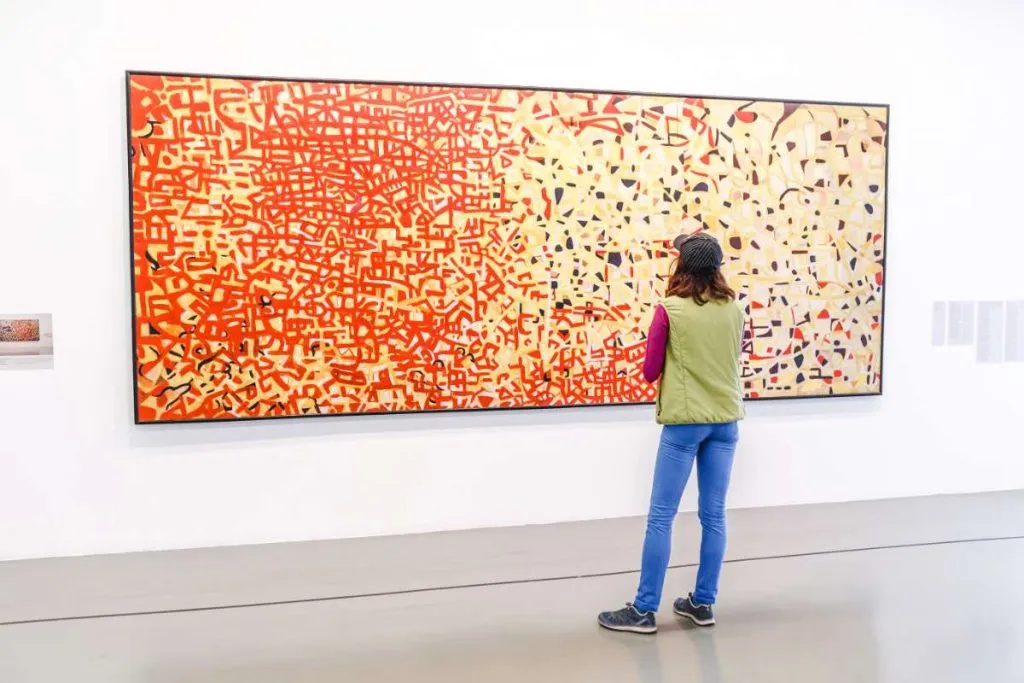
Though the Republic tried to shift the cultural hub to Ankara, Istanbul had reclaimed its place as the artistic center of Turkey by the 1980s. If you are spending winter here, set aside an afternoon for the galleries; each one has a gift shop good for souvenirs.
If you are unsure where to start or only have a few days, try the Pera Museum, Salt Galata, and Istanbul Modern. For history and religion, there is Islamic art at the Sakıp Sabancı Museum and the Turkish and Islamic Arts Museum.
To go further off the tourist track, visit the Sadberk Hanım Museum, Istanbul Contemporary Art Museum, and the National Palaces Painting Museum. They make an excellent stand-in for the street art you might skip in the cold.
Final words
Winter hands you Istanbul with short lines, covered markets, hot salep, and locals going about their day. Winter is a beautiful time to visit.