

The Istanbul food calendar: what to eat, season by season
Istanbul eats by the season, and this page is the local calendar: what each part of the year puts on the table, and what to order while it lasts.
You can also taste Istanbul with a local year-round; the guide can explain what is in season and why it belongs on the table.
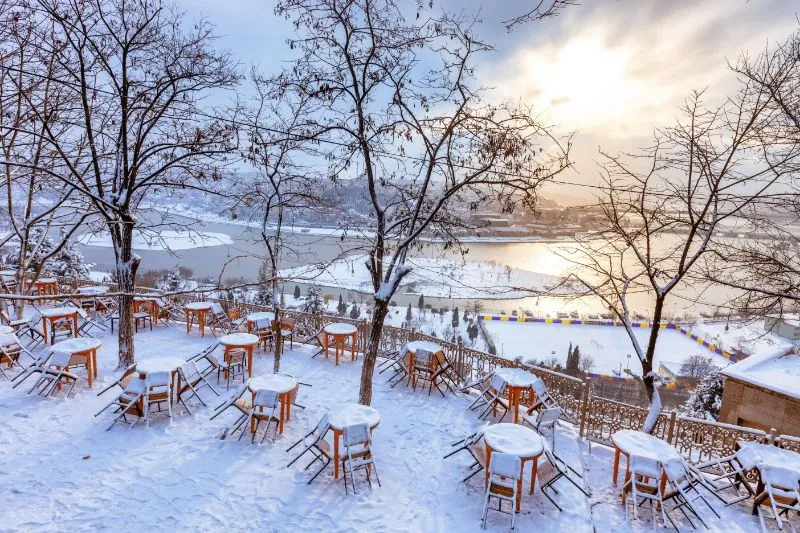
Winter (December to February): soup weather, hamsi season
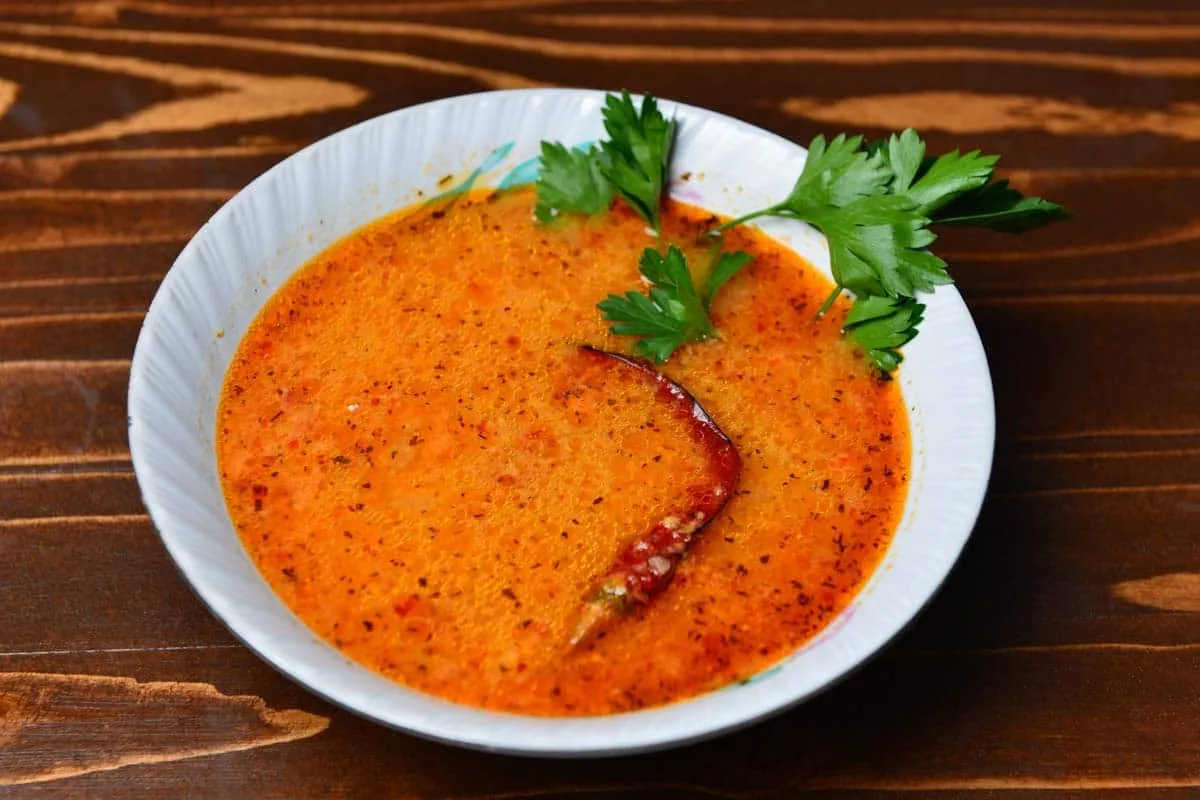
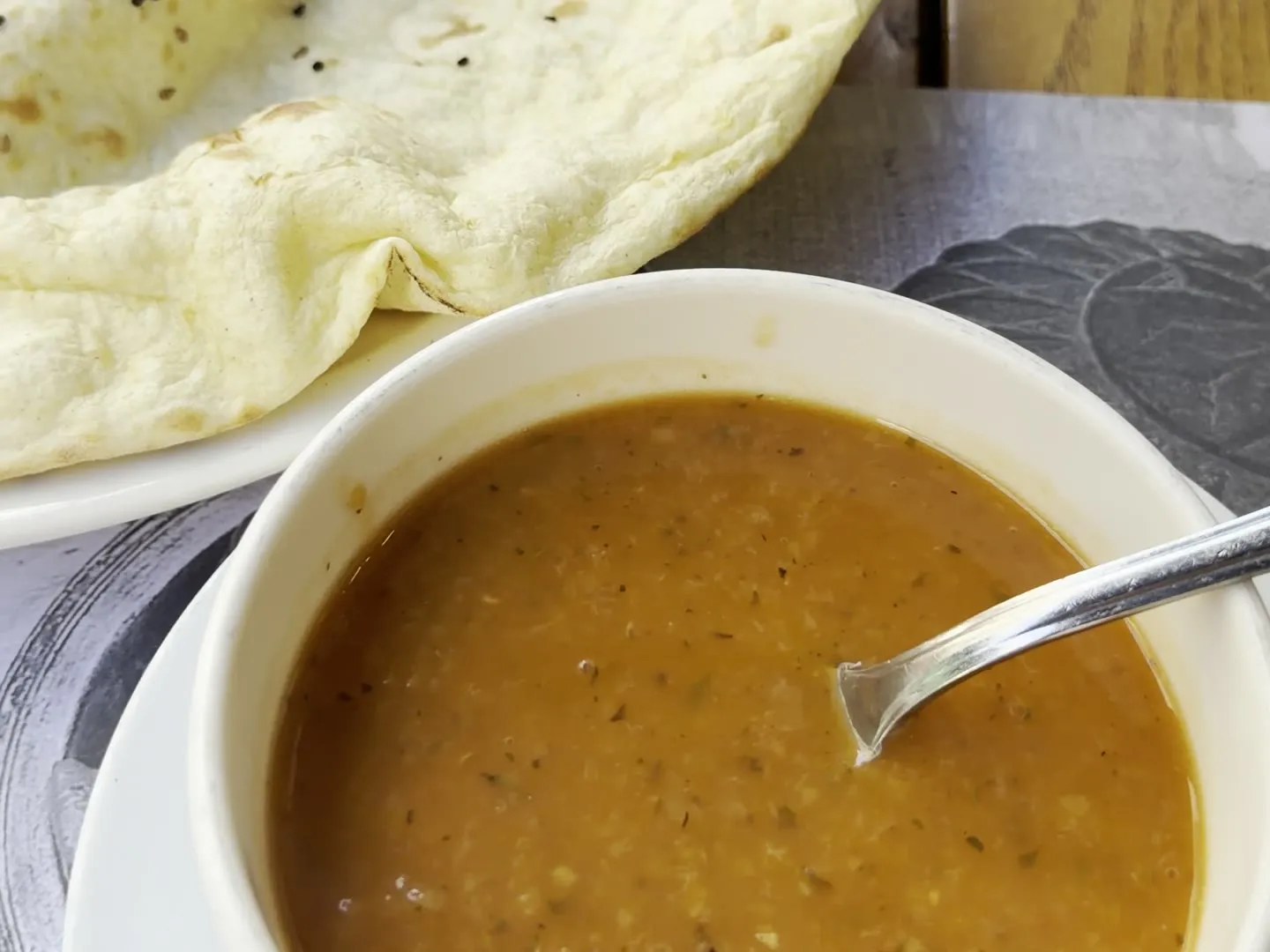
Soup weather: hamsi season, lentil-soup lunches, chestnut carts, boza and hot salep.
Spring (March to May): the green window
The green window: fresh artichokes, green almonds (çağla), sour green plums and the first strawberries.
Summer (June to August): fruit, water, ice cream
Figs and mulberries, watermelon with white cheese, balık ekmek by the water, and dondurma in season.
-
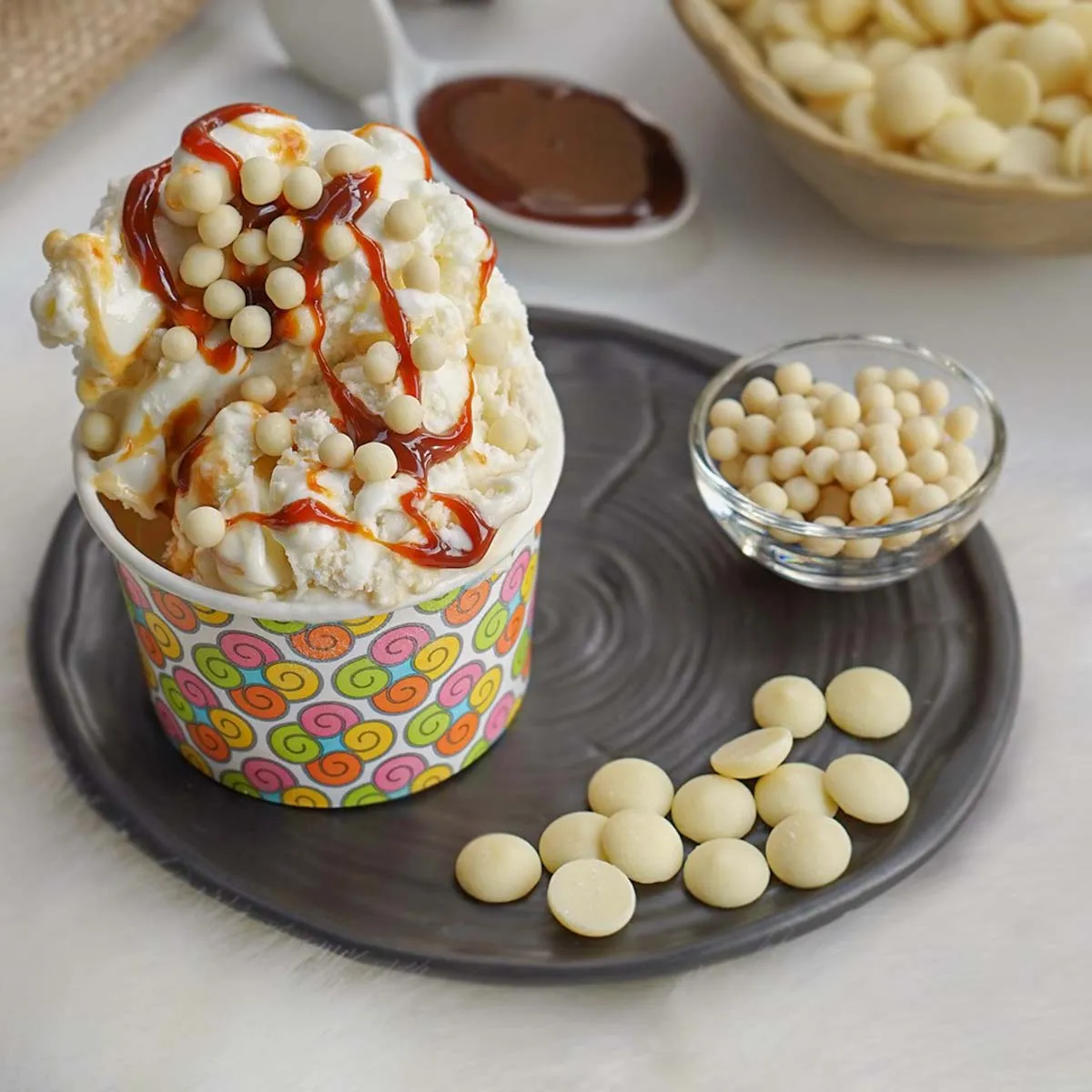 12 Best Ice Cream Shops Where the summer dondurma stop is worth it.
 -
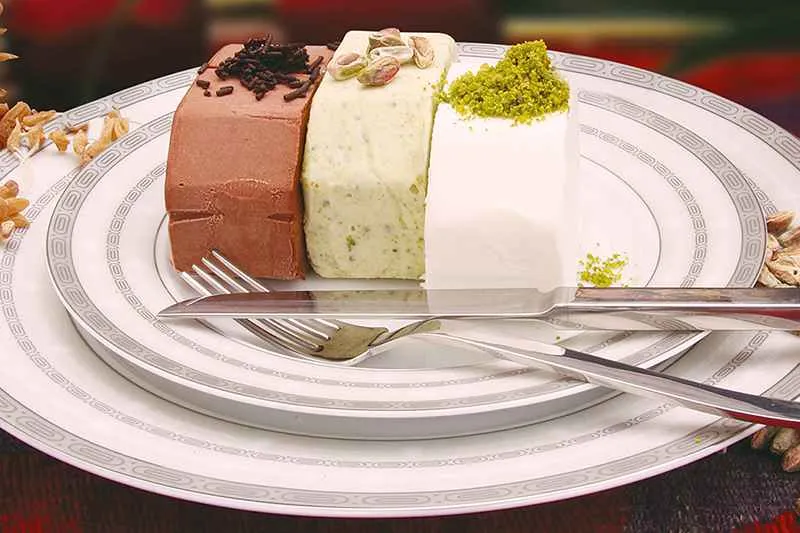 Turkish Ice Cream, Explained Why it stretches, and why it belongs to summer.
 -
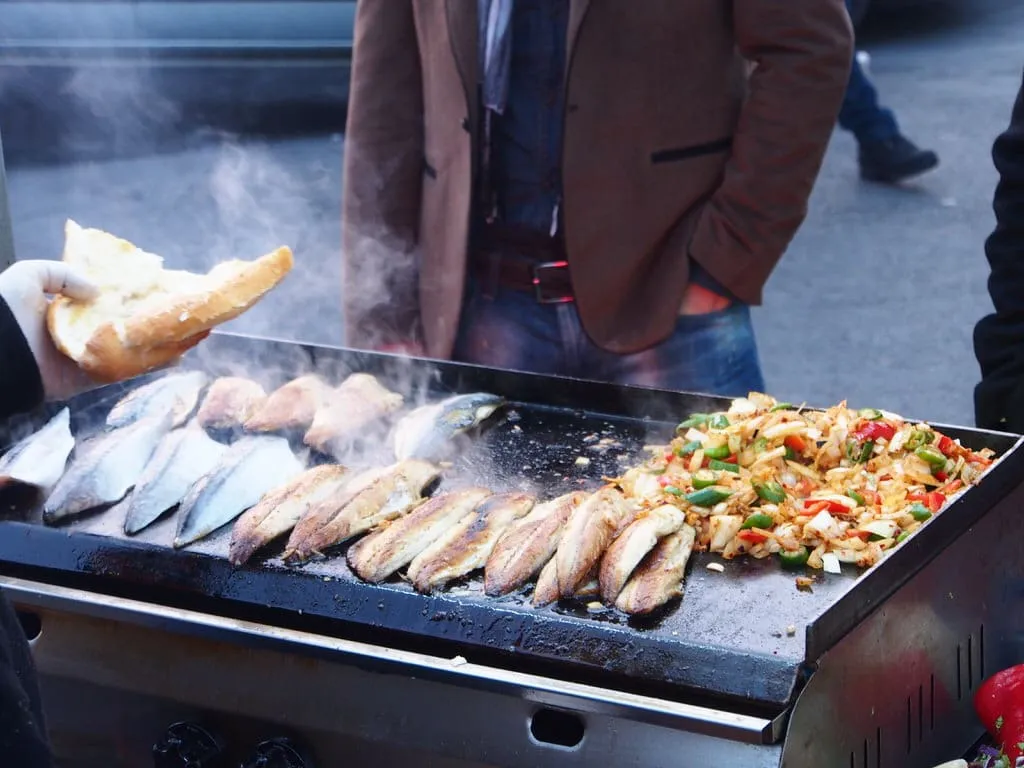 Balık Ekmek by the Water The fish sandwich at its best season.
 -
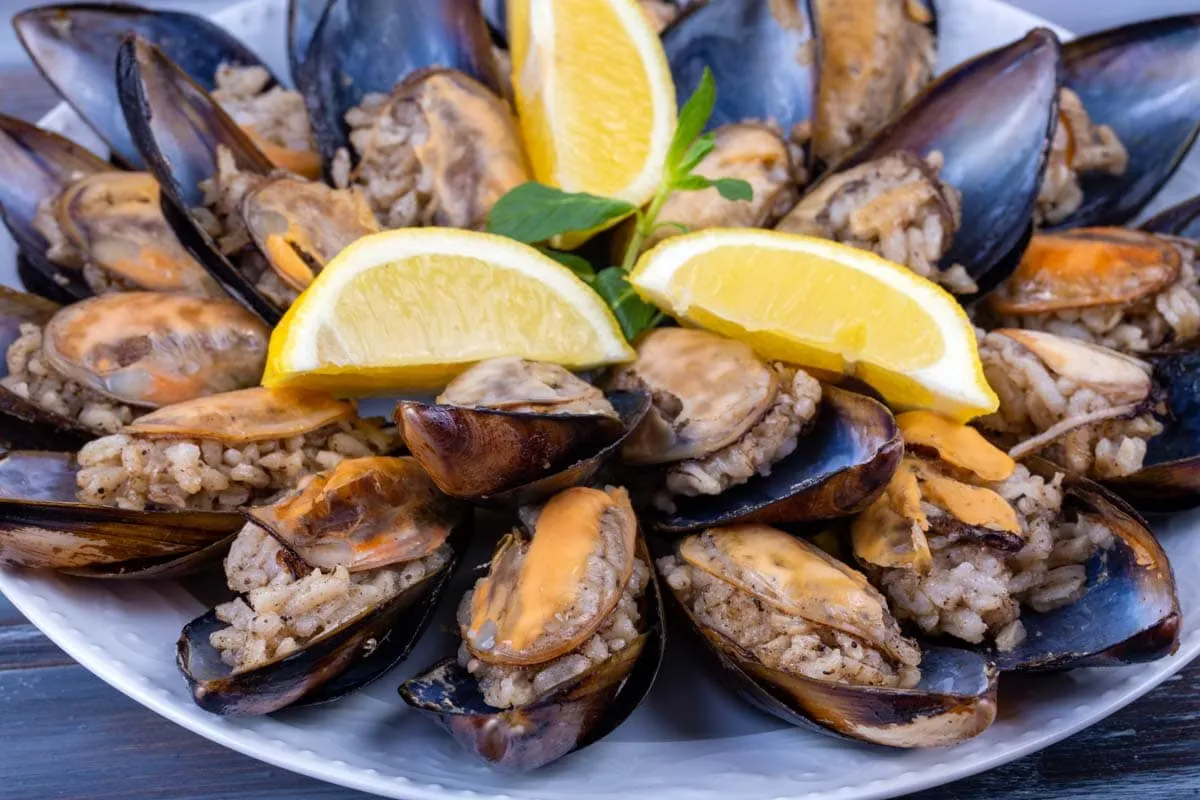 Best Stuffed Mussels (Midye Dolma) The street shellfish at its summer best, and where the tray is fresh.
 -
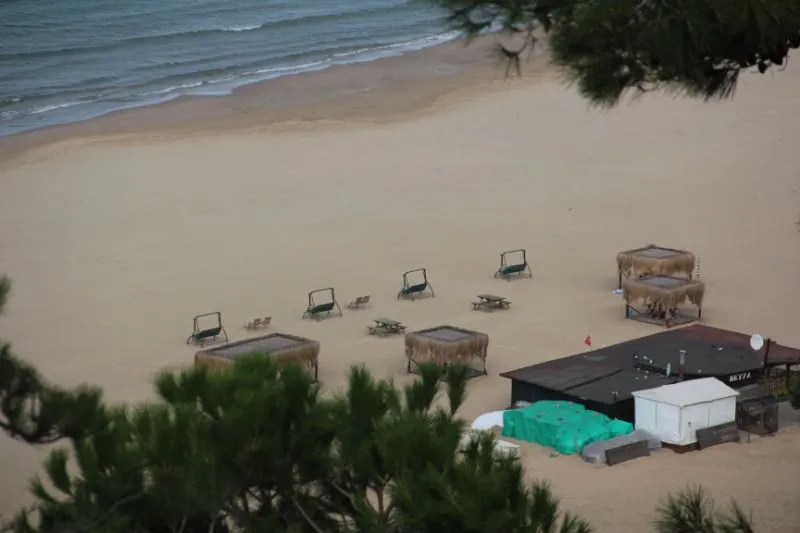 Istanbul's Beaches Where the city swims, and the seaside fish tables nearby.
Autumn (September to November): the best eating season
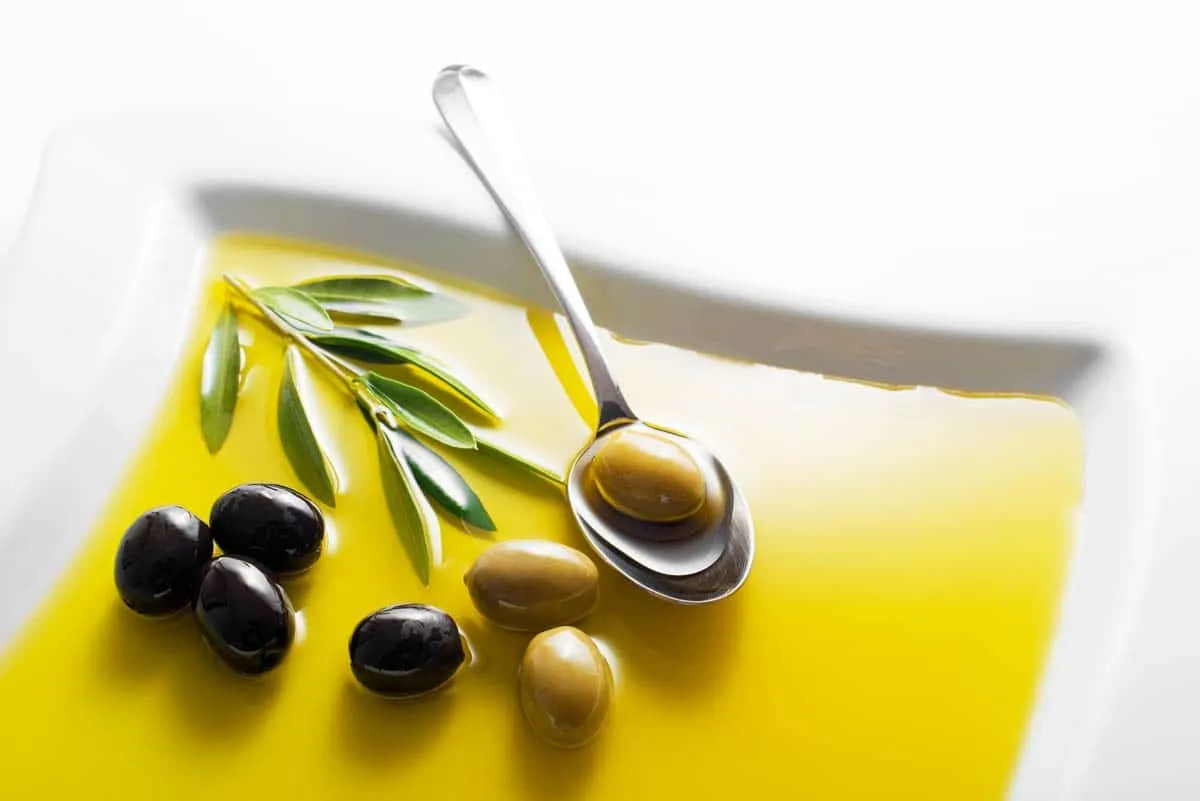
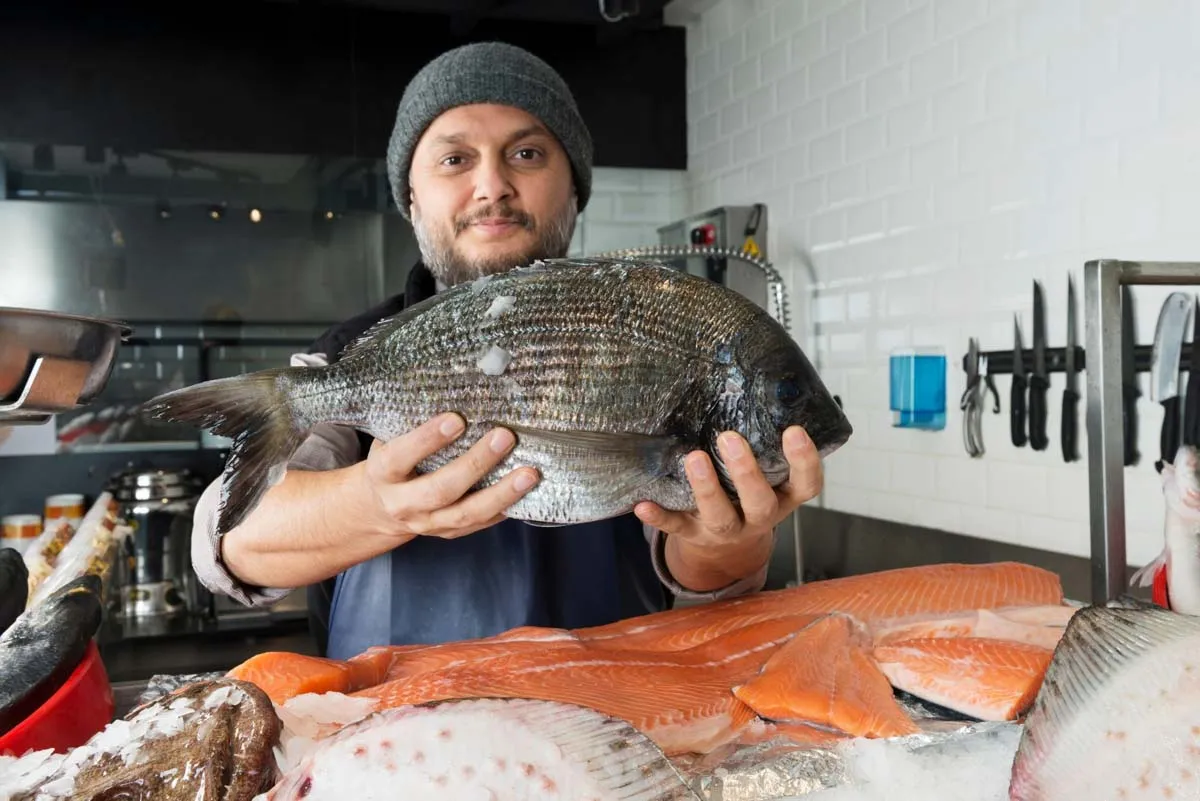
The best eating season: lüfer running the Bosphorus, quince and pumpkin desserts, and the new olive oil.
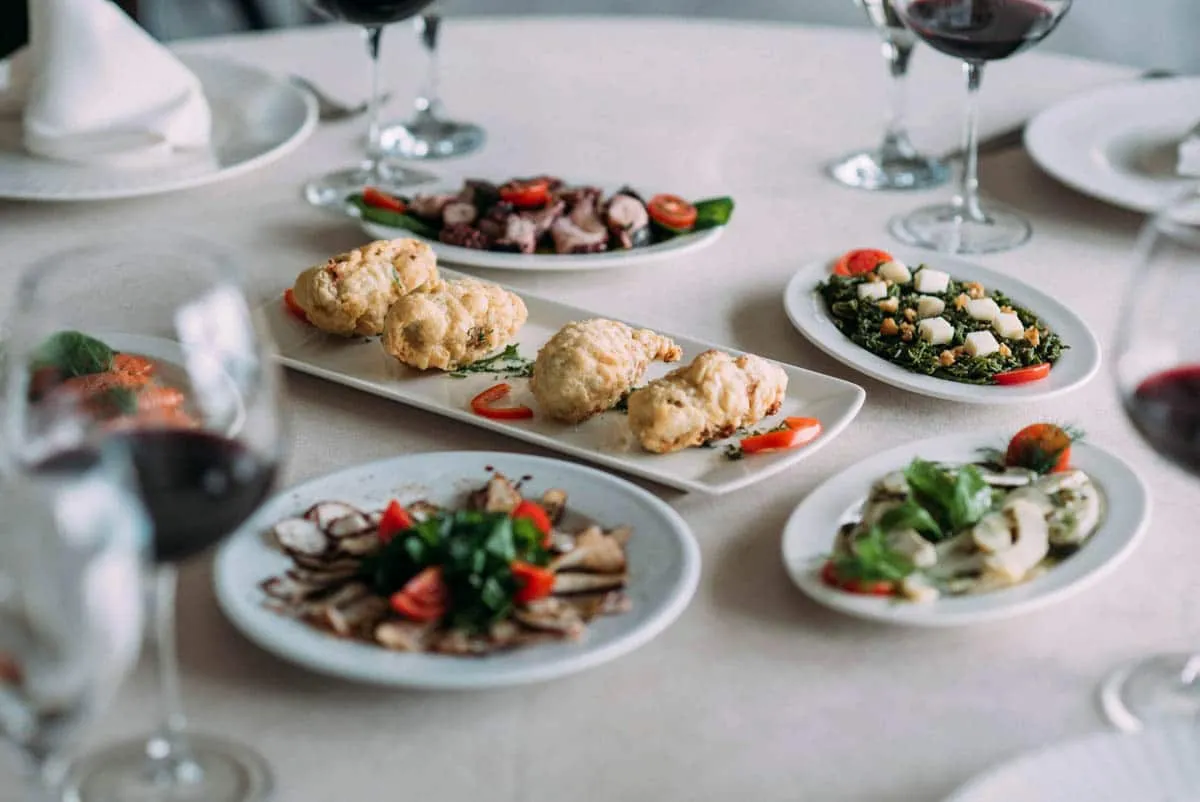
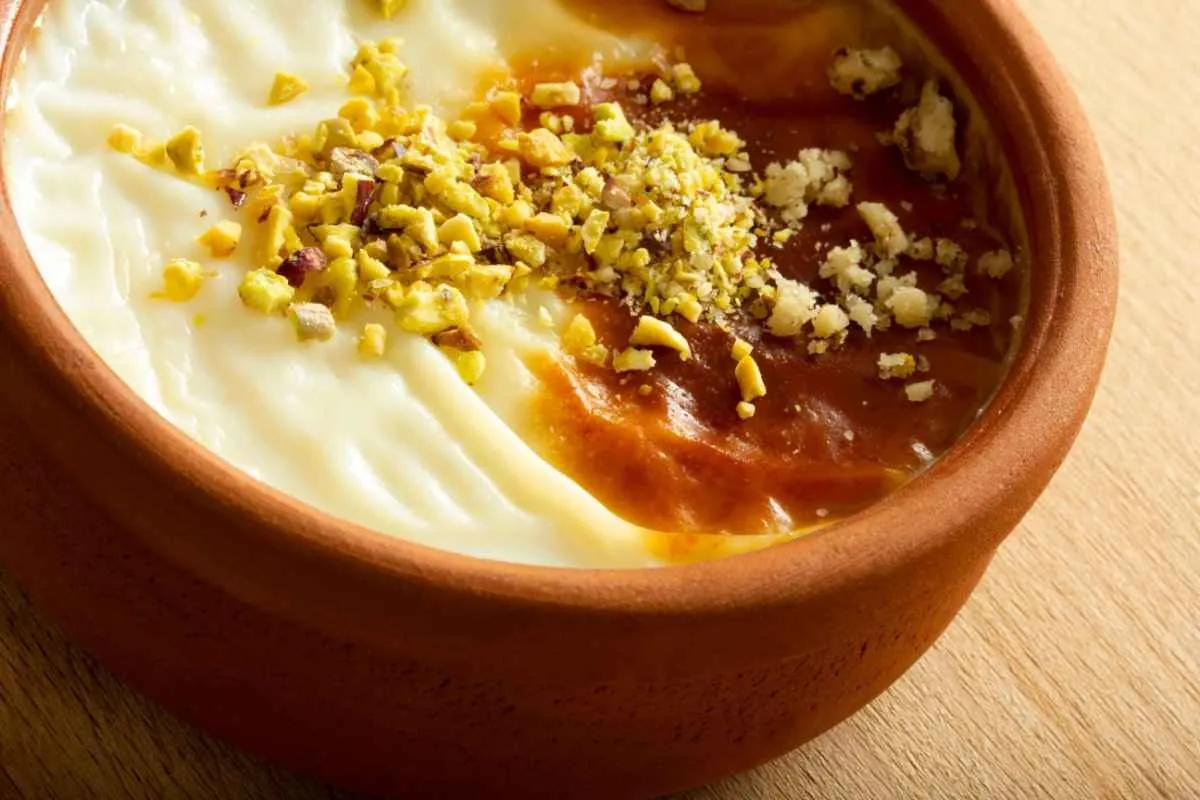
The moving feasts: Ramadan and the bayrams
The lunar dates shift each year: iftar evenings, güllaç, and the holiday sweets.
-
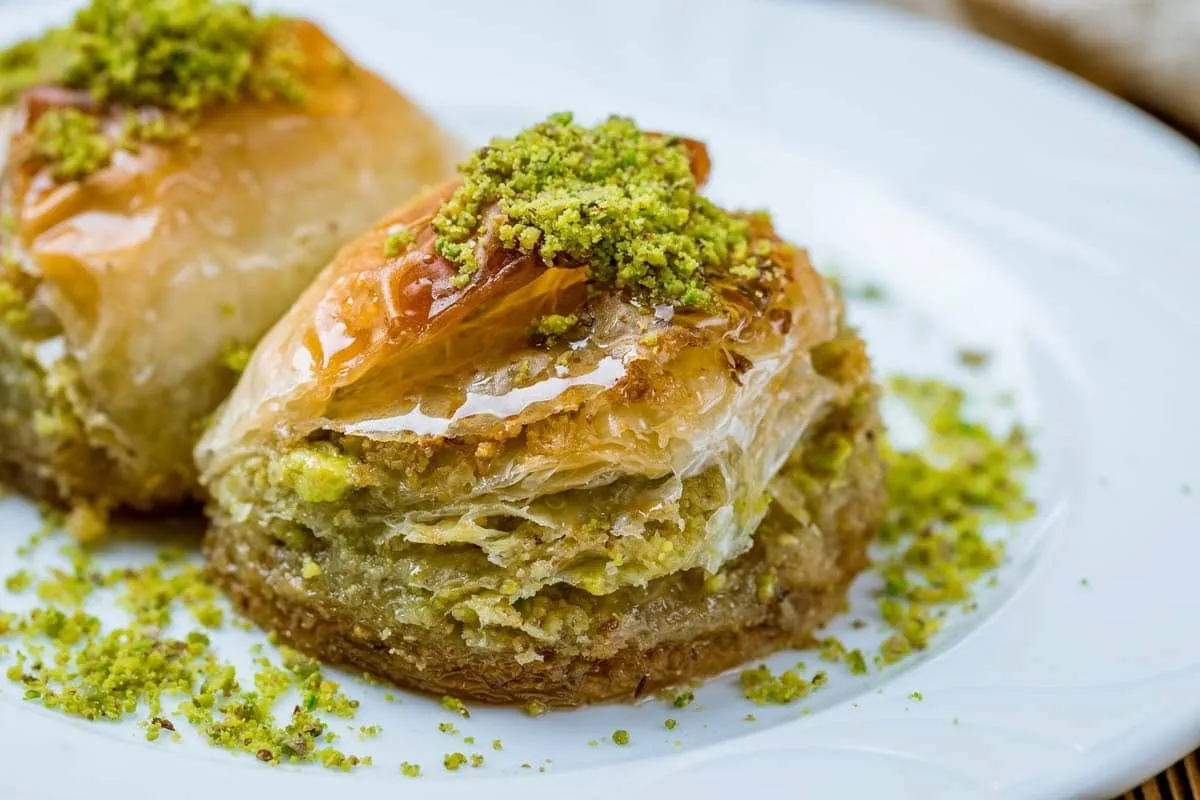 Turkish Desserts: 18 Best Sweets Güllaç, the Ramadan dessert, plus baklava and 16 more, explained.
 -
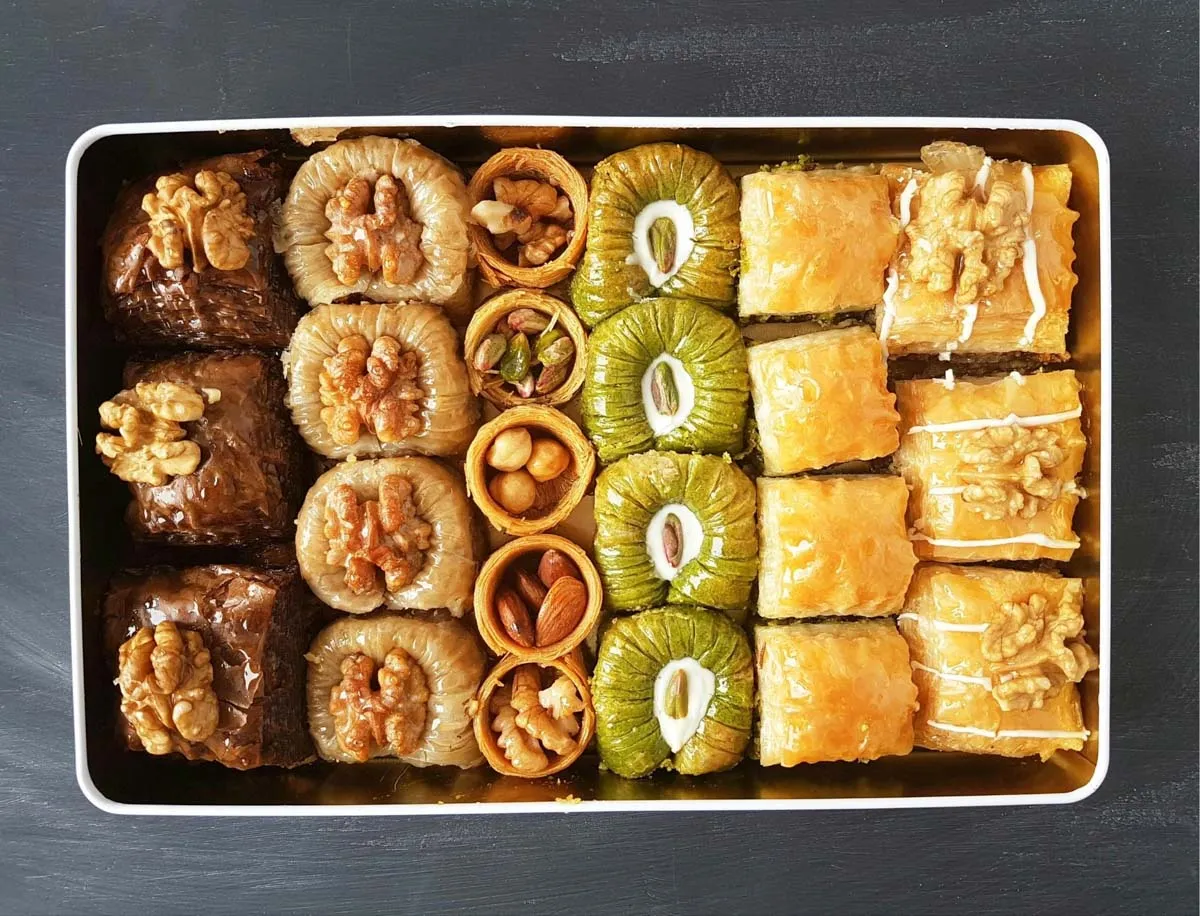 Every Type of Baklava The gift-box logic of the holiday sweet trade.
 -
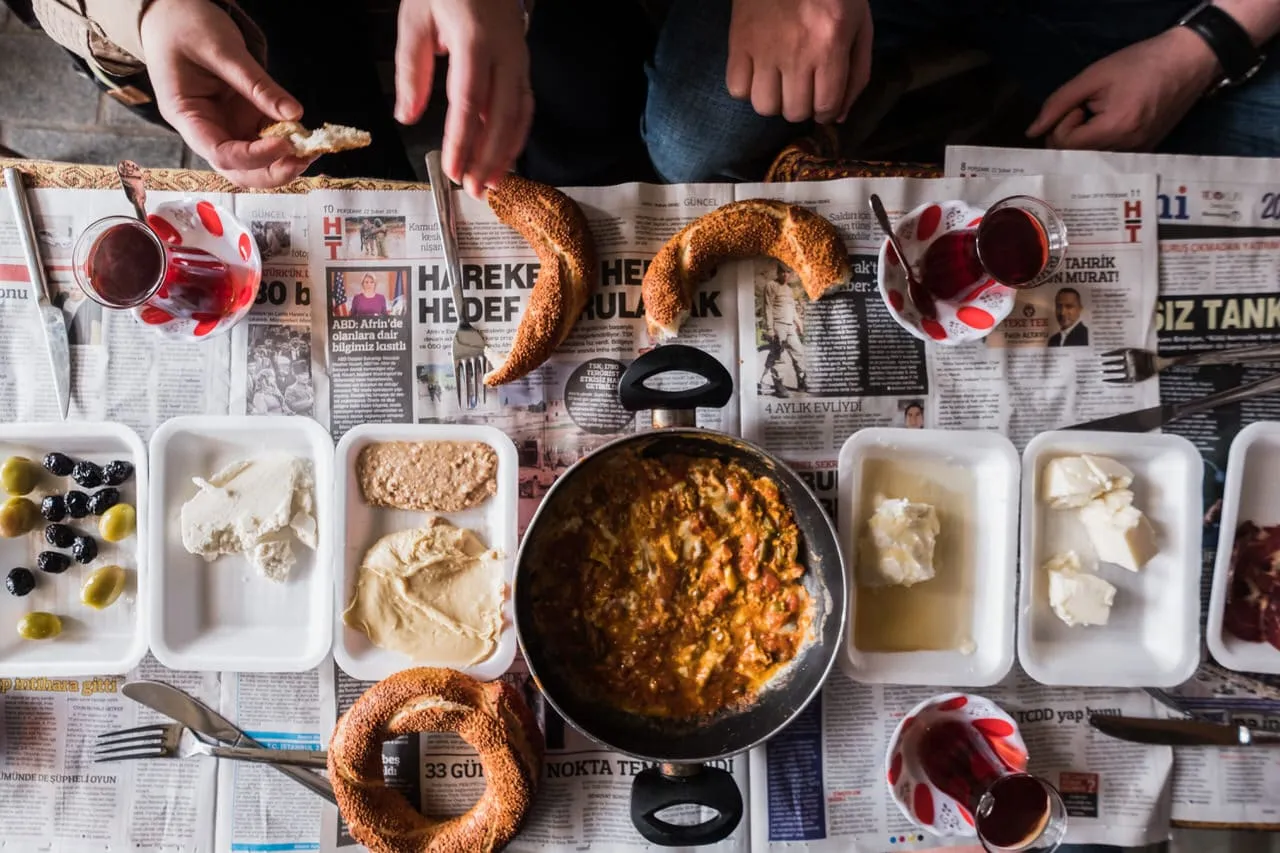 The Best Breakfast in Istanbul Where the long, slow morning table lives year-round.
 -
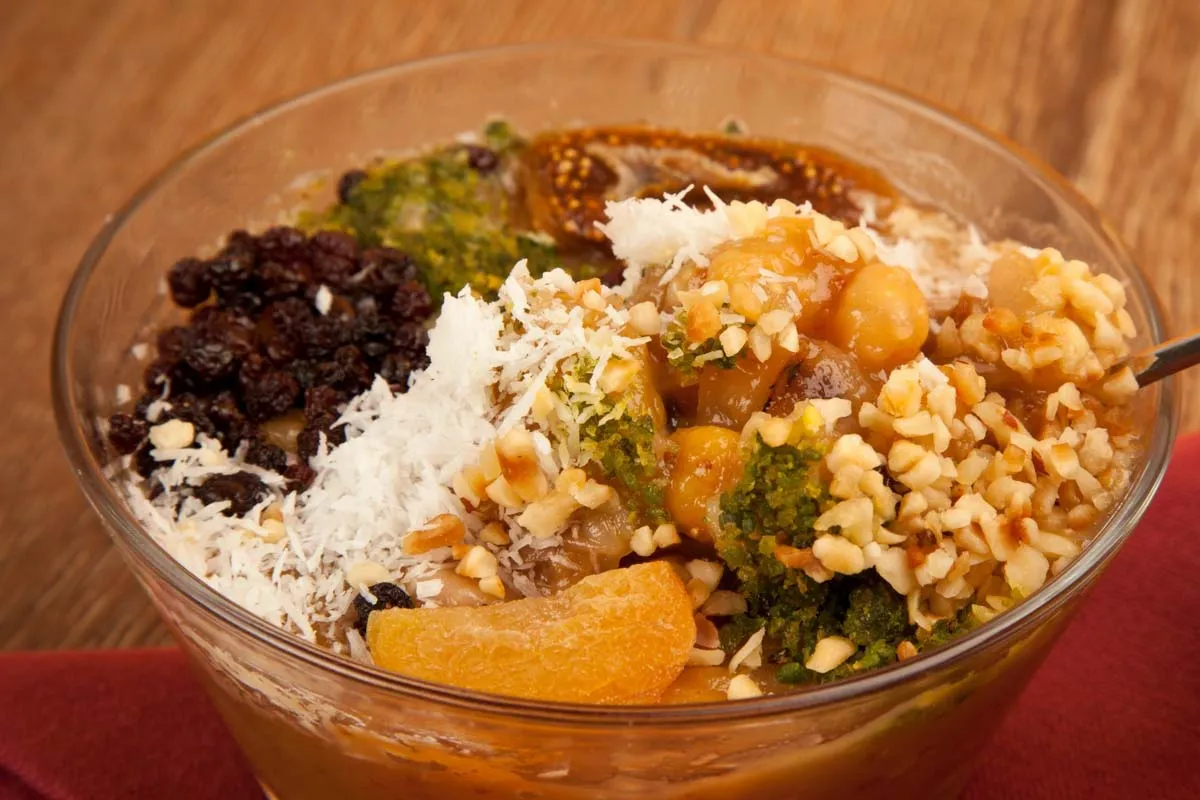 Aşure, Noah's Pudding The Muharrem-month pudding of wheat, beans and dried fruit, and the five best bowls in the city.