12 Turkish Mezes to Know: Dips, Salads, and Small Plates
A guide to 12 popular Turkish mezes, the small plates Turks share before a meal: what each one tastes like, what goes into it, and how it is served.
Meze is the spread of small plates Turks share before and around a meal: dips, cold salads, and a few hot dishes that everyone reaches into at once. It is one of the most generous parts of Turkish cuisine, and it sits at the center of any evening built around rakı.
For everything beyond the meze table, start with our guide to the best food in Istanbul. To taste a meze spread the way it is actually eaten, see our Istanbul meze restaurants guide.
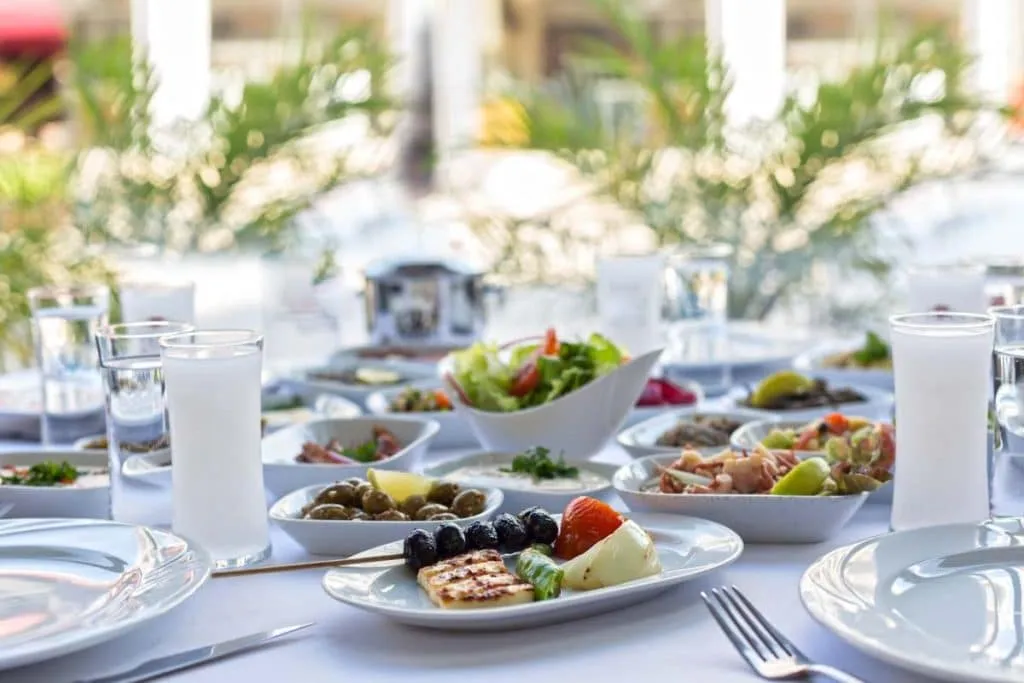
Like Spanish tapas, meze comes in both hot and cold versions. The Mediterranean style of preparation leans on olives, fried vegetables, dips made with nuts and olive oil, drizzled feta, stuffed mussels, marinated fish, and cured seasoned meat. The same plates turn up at breakfast, lunch, and dinner.
Mostly, though, meze is made for sharing. Below are 12 of the ones Turks order most, with what each tastes like, what goes into it, and whether it lands hot or cold on the table.
The 12 Turkish mezes at a glance
| Meze | Type | Main ingredient | Served | Vegan friendly |
|---|---|---|---|---|
| Fava | Bean puree | Fava beans, olive oil | Cold | Yes |
| Mercimek köftesi | Lentil patties | Red lentils, bulgur | Cold | Yes |
| Deniz börülcesi | Samphire salad | Samphire, lemon, oil | Cold | Yes |
| Muhammara | Pepper-nut dip | Red pepper, walnuts | Cold | Yes |
| Babagannuş | Eggplant dip | Smoked eggplant | Cold | Most versions |
| Haydari | Yogurt dip | Strained yogurt | Cold | No |
| Havuç tarator | Carrot yogurt | Carrot, yogurt | Cold | No |
| Humus | Chickpea dip | Chickpeas, tahini | Cold | Yes |
| Ezme | Spicy salad | Tomato, pepper, chili | Cold | Yes |
| Kısır | Bulgur salad | Bulgur, herbs | Cold | Yes |
| Şakşuka | Sauteed veg | Eggplant, tomato | Hot/cold | Yes |
| Tarama | Fish roe spread | Fish roe, olive oil | Cold | No |
1. Fava (Bean puree)
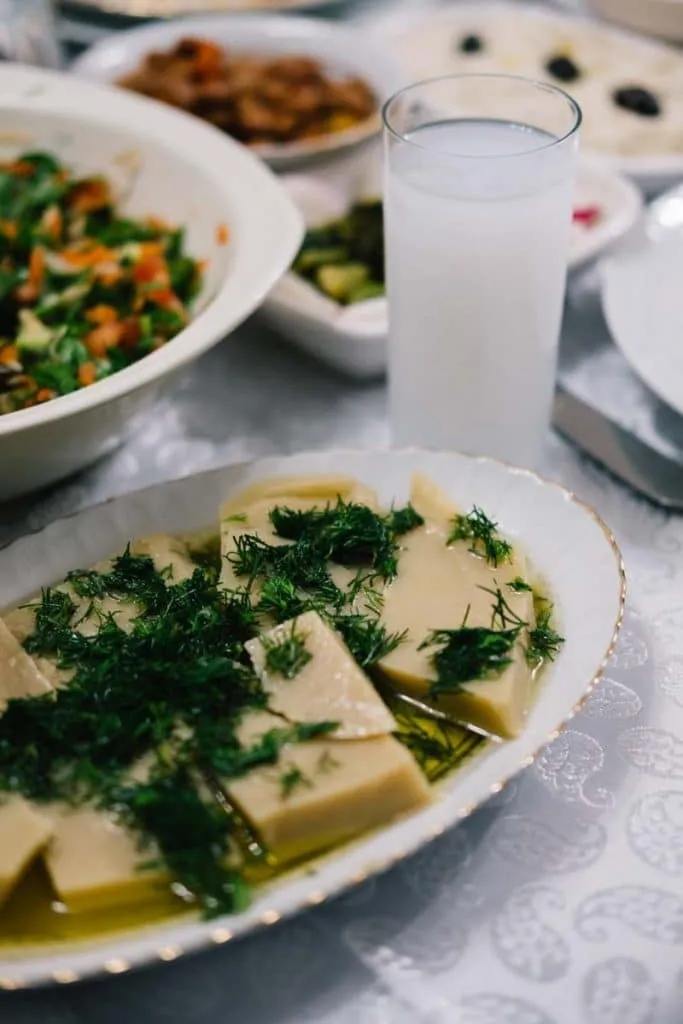
Although high in protein and nutrients, the only way to become fervent about the fava bean is to taste it meze-style. The velvety delicate, yet nutty flavor is combined with a hint of fresh olive oil and the enticing taste of onions.
The hummus-like dish is nutritious, high in fiber, and very good to eat. It is low in fat and high in omega-3s, magnesium, B-vitamins, zinc, and other minerals. It also pairs well with fish and seafood.
2. Mercimek köftesi (Red lentil patties)
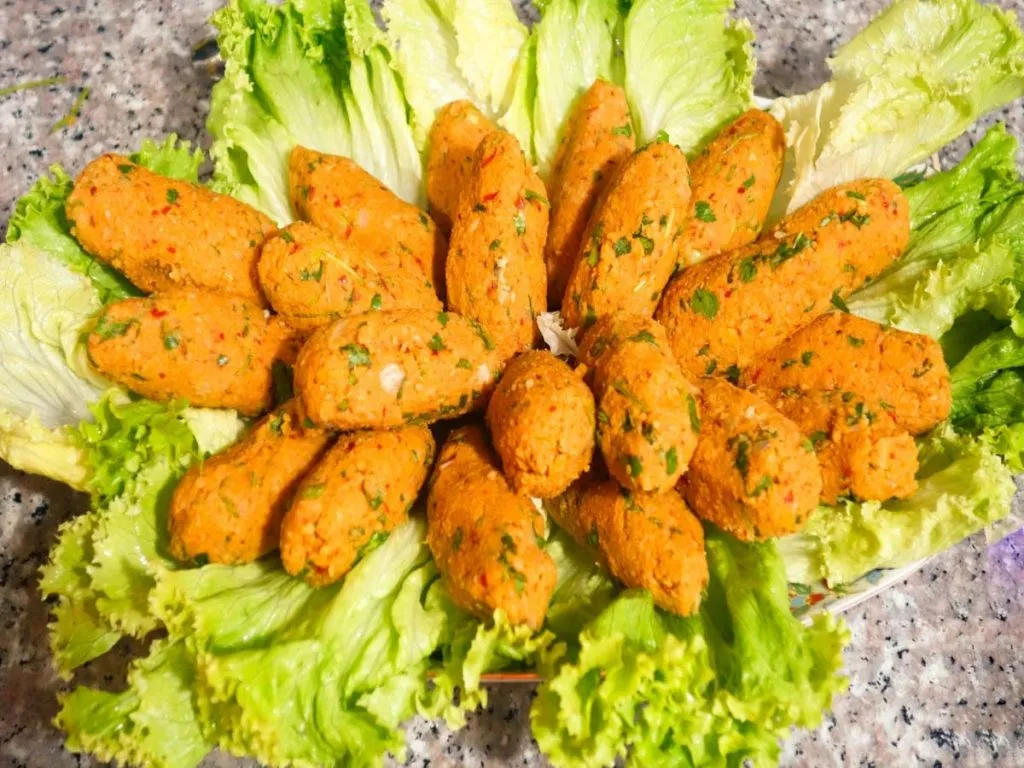
These spicy lentil ‘meatballs’ are meat-free and vegan friendly. The main ingredients are protein-packed lentils and bulgur, making this grains-based food the best friend of a vegan lifter. Although the lentils and bulgur are boiled, this dish is not cooked, and it’s usually served cold.
This is a communal dish that’s considered to be finger food. Each köfte is wrapped in a vibrant green lettuce jacket before being popped into one’s mouth. Incredibly moreish and low in calories, this picnic-friendly food will have you rooting around in the fridge late at night, scavenging for leftovers.
3. Deniz börülcesi (Samphire salad)
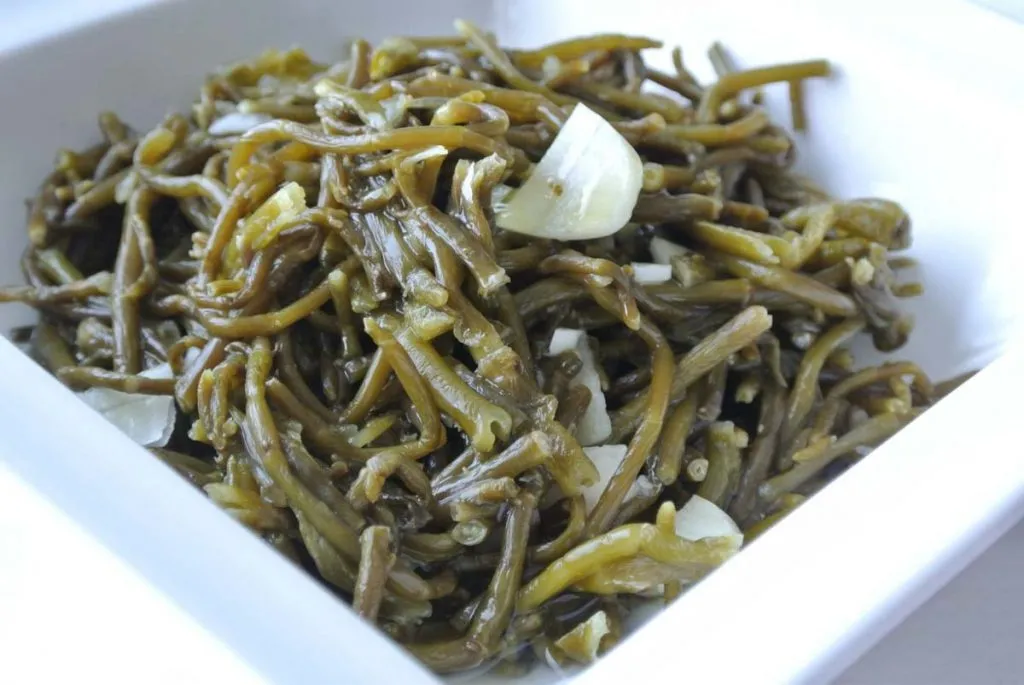
The ‘sea samphire’ is one of the less familiar mezes outside Turkey, because its main ingredient is largely unknown in the English-speaking world despite originating along the Eurasian coastline.
Also known as pickleweed or glasswort, this highly nutritious species contains iodine for those with thyroid issues and is chockful of iron for the anaemics. Usually wild, and thus organic, grown in the sea, this summer dish pairs excellently with fish and seafood. The olive oil, lemon juice, and garlic really bring out the snazzy taste if you can find it.
4. Muhammara (Roasted red pepper and walnut dip)
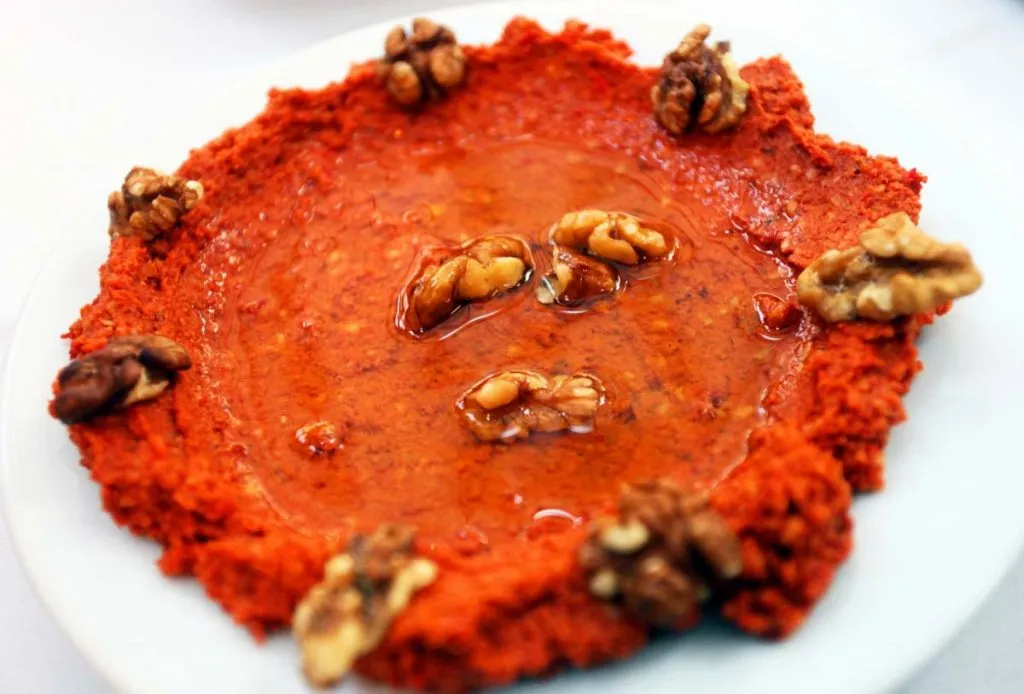
The femme fatale of the meze, this spicy red dip is borrowed from Turkey’s neighbor, Syria. Hence, it is more easily found in restaurants that serve southwestern Turkish cuisine. A mix of Aleppo pepper, ground walnuts, breadcrumbs, olive oil, garlic, salt, and pomegranate molasses, you may find a version with lemon juice and even spices like cumin.
This vibrant, burgundy dip is spicy, tangy, and sweet. If you don’t want to eat it as a meze, it can be reimagined as a dip for your chips or nachos.
5. Babagannuş (Pureed eggplant and tahini dip)
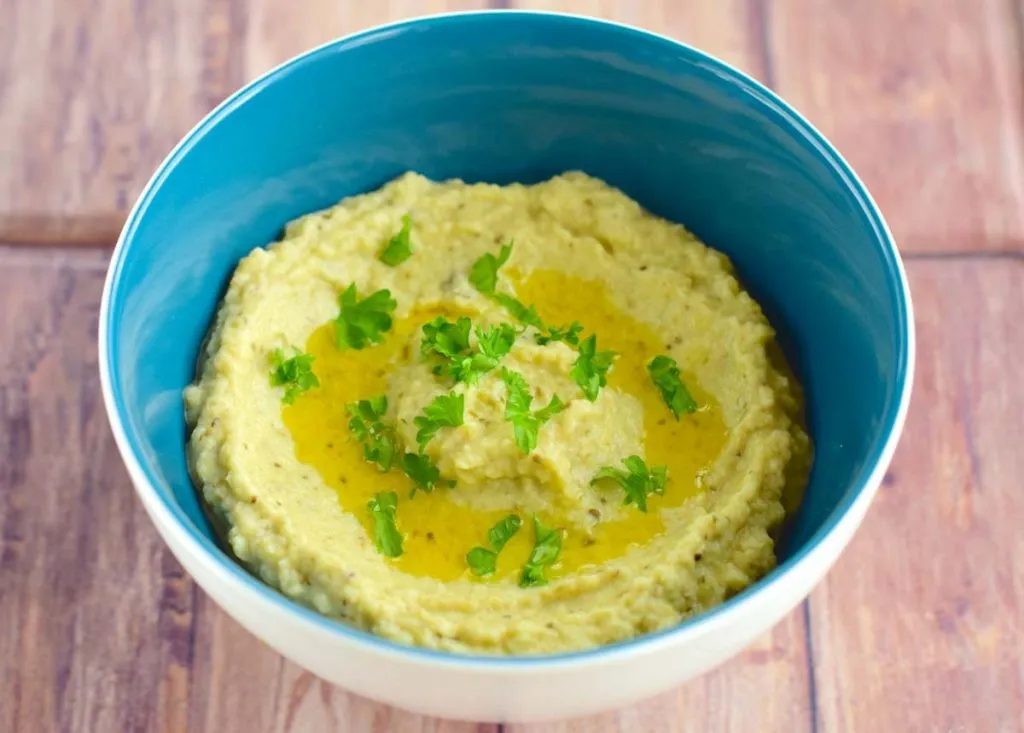
Spoil yourself with the dish that’s translated to mean ‘spoiled dad.’ The smoky taste derived from baking the eggplants over an open flame gives this creamy meze a unique touch. The eggplant is then peeled to expose the soft pulp to olive oil, lemon juice, tomatoes, onions, and sometimes pepper.
If you’re lucky, you may even find a richer version with tahini drizzled in. A flavor unique to Hatay cuisine, this cold appetizer is available in all corners of Turkey.
6. Haydari (Garlic yogurt dip)
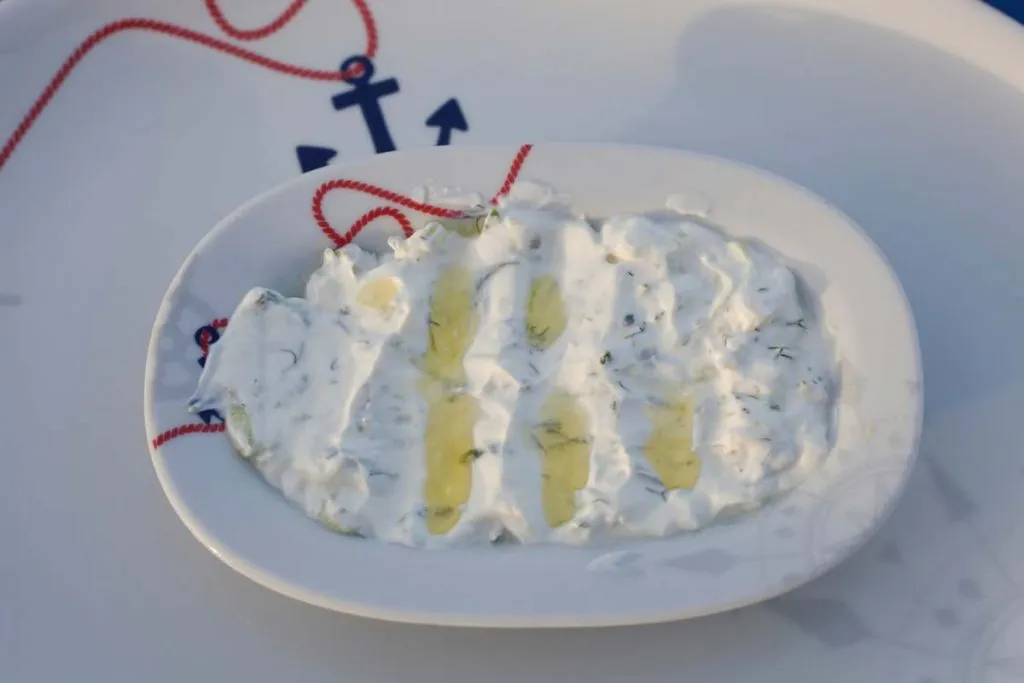
Like cacık, haydari is yogurt-based. Cacık is a fresh-tasting, watery yogurt dish. Haydari packs more of a punch, with a savory, acidic taste and the thickness of strained yogurt.
Usually accompanied by pita bread, this formidable dip would pair well with sandwiches as a healthier alternative to mayonnaise. Plus, the garlic and fresh herbs like dill, basil, mint, or even oregano will freshen up that boring chicken mayo.
7. Havuç Tarator (Carrot yogurt dip)
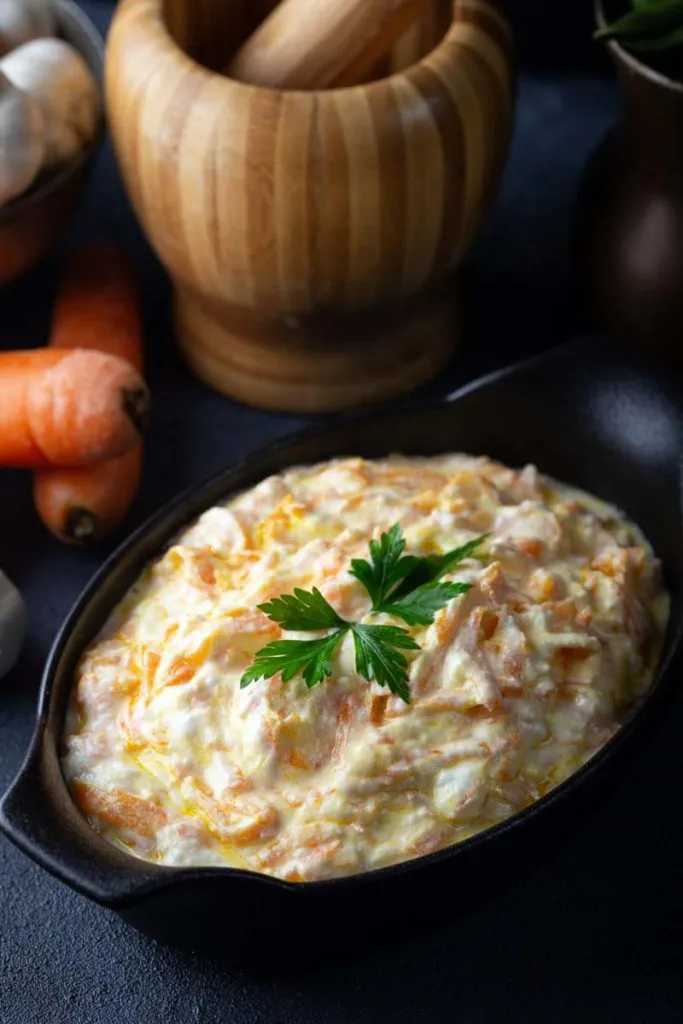
If you’re the kind of person who hates spicy food but eats it anyway, to show off perhaps, you’ll also be the kind of person to fall in love with this dish. Similar to the Tzatziki or the cacık, but made with carrots instead of cucumber, this is a lifesaver that will soothe your stomach after a particularly grueling chili session.
With a combination of water, yogurt, garlic, carrots, and walnuts, you may even find the kind of herbs that give this a fresh flavor. Popular during the summer months, if you’re feeling brave, you can ask for it to be served with ice.
8. Humus (Creamy chickpea and tahini dip)
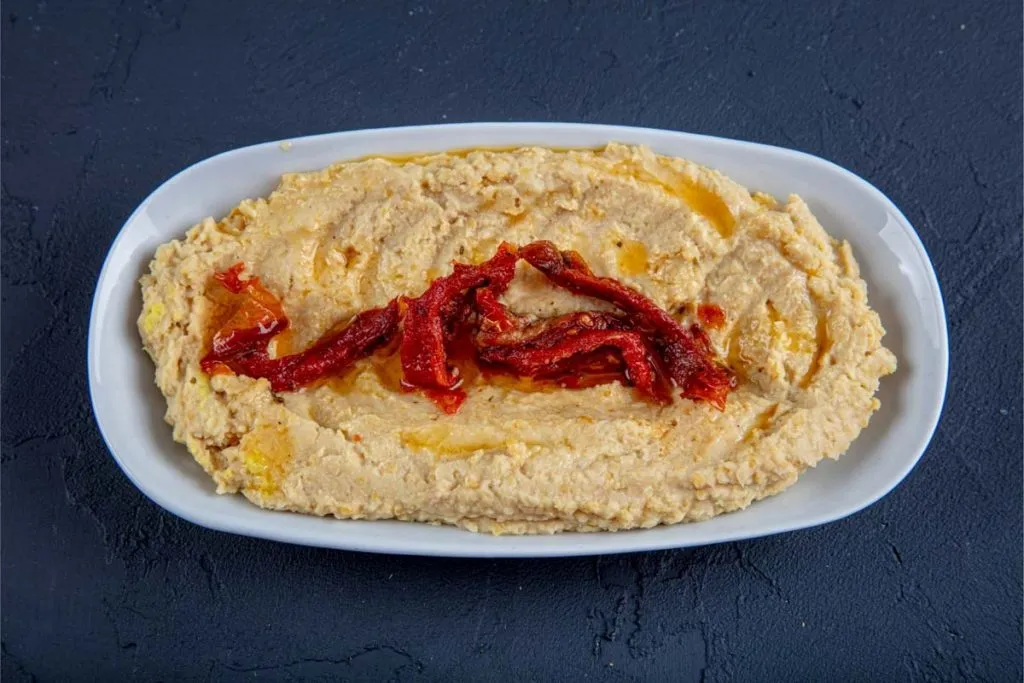
Smash some chickpeas with tahini, blend in lemon juice and garlic, and there you’ll have the shining star of the Middle Eastern world. While you’ll find this velvety dip placed on a plate, garnished with olive oil, a few chickpeas, parsley, or paprika, an experienced chef will tell you how invaluable this is to transform sandwiches too.
The luxurious flavor doesn’t seem to manifest itself quite so well in commercially produced versions. Although there’s a reason why this famous dish is caught up in a love triangle between Israel and Lebanon, the Turkish version is no less a heavyweight.
9. Ezme (Spicy tomato salad)
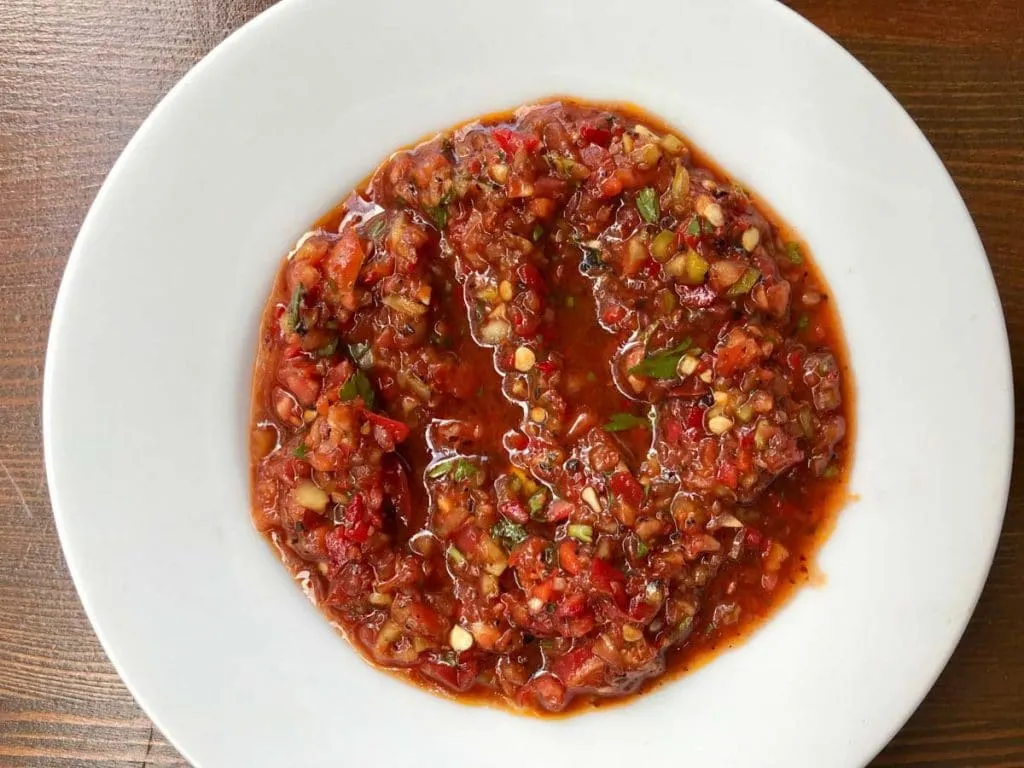
This bright scarlet, spunky dish turns up as an appetizer in nearly every Turkish restaurant. Despite being called ‘mashed’ in Turkish, the ingredients are not mashed or crushed together. Instead, the tomato, onion, garlic, parsley, and spicy red peppers are finely chopped.
Although every restaurant has its own style, this dish is nothing without the ruby-colored pepper paste and as much chili as you can handle. Richer versions add lemon juice and a hint of tart pomegranate sauce.
Like salsa, this crimson, spicy dish is a fine accompaniment to red meat. It also shows up far beyond the meze table, including on top of Istanbul’s lahmacun and kebabs.
10. Kısır (Bulgur salad)
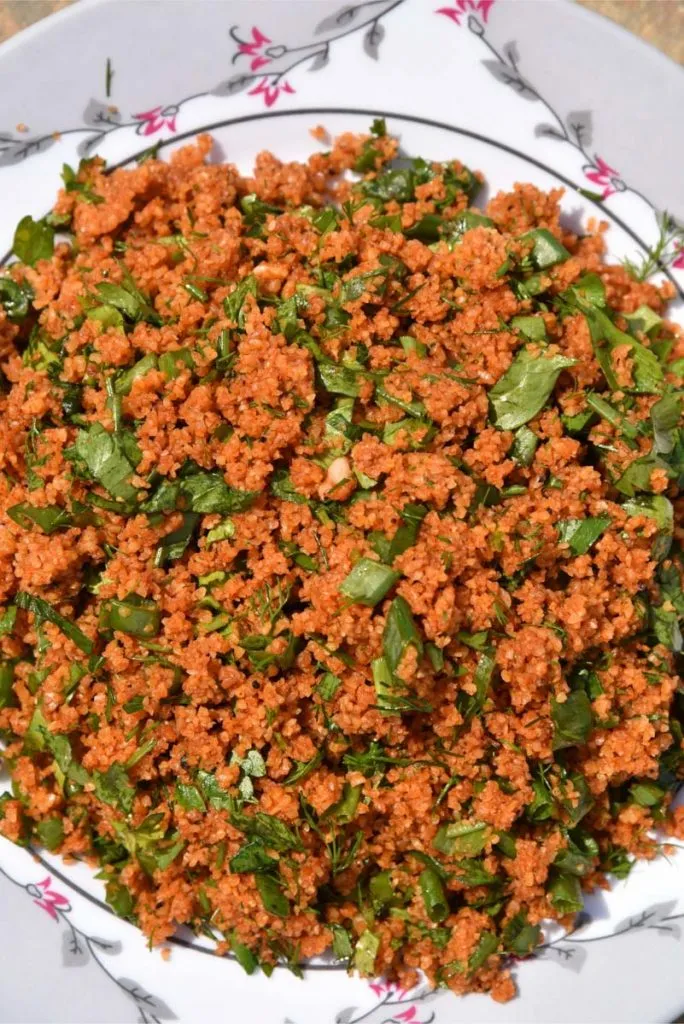
“Please, sir, can I have some more?”
If what you’re eating is kısır, the answer is absolutely yes, you may. Made from nutritious but inexpensive ingredients, this high-fiber bulgur salad is a communal dish.
A symbol of friendship and bonding, each person has their favorite version: from the north-eastern version with lemon juice to the southwestern version with tart pomegranate juice, this salad has varying amounts of onions, spices, and herbs.
What doesn’t vary is the result: this festively orange dish is usually served cold and full of nutrition, a low-calorie way to get in some whole grains.
11. Şakşuka (Sauteed vegetables)
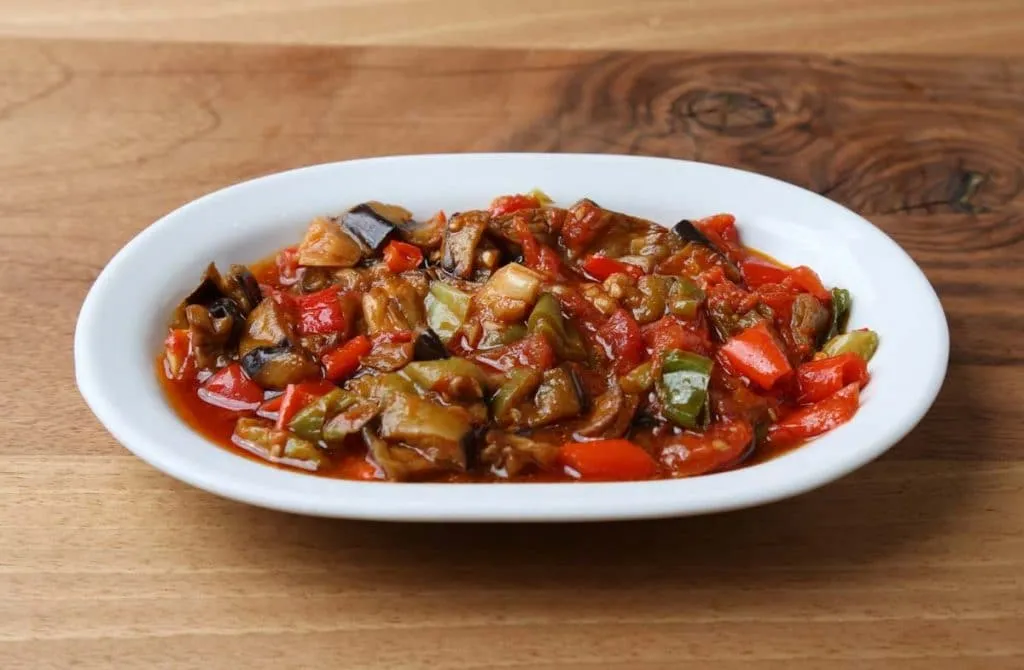
Back in 2004, an ode was written lamenting that the singer couldn’t eat this famous dip. Watch the fun video clip for the famous song here.
Although the eggplant takes center stage here, this is a dish of various sauteed vegetables nestled in a thick, garlicky tomato sauce. You’ll find zucchini, onions, and peppers folded into the mix. It can be made with almost any seasonal vegetable so long as the eggplant stays. The tangy dish can be served hot or cold.
Although it’s a fantastic addition to meat dishes, it also has that special quality that makes it excellent with crackers or even just paired white plain, white rice. In the world of the mezes, this is a celebrity.
12. Tarama (Red caviar)
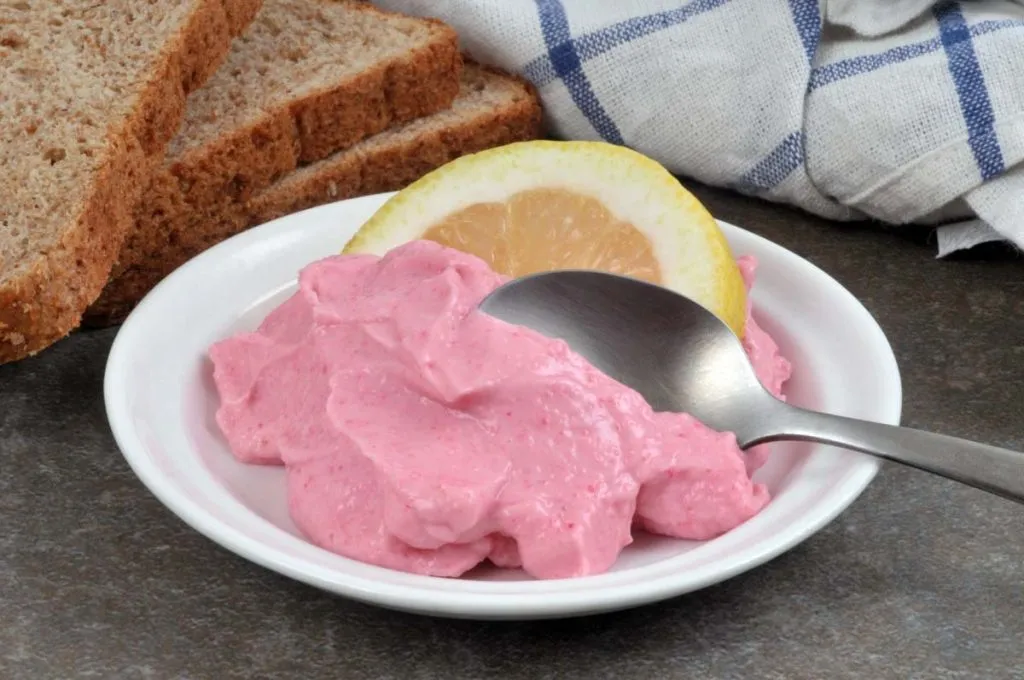
This pink meze is easy to overlook, and easy to convert to once you taste it. A simple paste of fish roe, olive oil, garlic, and lemon juice, tarama works as an alternative to mayo for anyone with an egg allergy, and it stands on its own as an elegant dish.
It is at home as an hors d’oeuvre, paired with a plain cracker and a crisp white wine. Although caviar is known for its price, tarama is usually made with inexpensive cod roe, so the cost stays low while the flavor stays rich.
Where meze fits in the wider table
Meze rarely travels alone. It shares a table with Turkish desserts at the end of the night and with grilled kebabs and other iconic Istanbul foods in between. For the full picture of what to eat across the city, our Istanbul food guide ties the dishes, neighborhoods, and markets together.
Final words
The 12 mezes here are some of the most popular small plates in Turkey, and most are easy to make at home. The best way to learn the rhythm of a meze table, though, is to sit at one. On our Istanbul evening food tour you taste meze the way Turks eat it, in a meyhane with rakı, in a group capped at 10 guests. Yummy Istanbul has run food tours since 2013, with a 4.95 out of 5 rating from more than 8,670 reviews.