Pul Biber vs Aleppo Pepper, Isot and Maraş: What's the Difference?
How pul biber, smoky Urfa isot, and fruity Maras pepper differ, how each is made and used, and how to buy real isot at Istanbul's Spice Bazaar.
Walk into any kebab house in Istanbul and look at the table. There is salt, there is sumac, sometimes dried oregano, and there is always a small dish of red pepper flakes. Black pepper is there too, paired with the salt like everywhere else. The difference is which pepper does the talking: red pepper, dried and crushed into flakes, is the default heat of Turkish cooking, and it comes in more than one form.
The labels are where travelers get lost. Pul biber, Maraş biber, isot, Urfa biber, Aleppo pepper: five labels covering one broad category and several closely related regional styles. This guide sorts them out, explains what each one does in a dish, and shows you how to buy the real thing in Istanbul. For the rest of the shelf, sumac and dried mint included, there is a separate Turkish spices guide.
The three flakes at a glance
| Pepper | Where it comes from | Color and texture | Heat | Flavor |
|---|---|---|---|---|
| Pul biber (generic) | Grown across southern Turkey | Bright red, dry flakes | Mild to medium, sold acı or tatlı | Clean pepper taste, light fruit |
| Maraş biber | Kahramanmaraş | Deep red, slightly oily, coarse flakes | Medium, builds gently | Sun-dried tomato, ripe fruit, faint salt |
| Isot (Urfa biber) | Şanlıurfa | Purplish black, moist, clumps softly | Mild to hot, arrives late | Raisin, coffee, dark chocolate, tobacco |
| Aleppo pepper | Aleppo region, Syria; today mostly grown in Turkey | Deep red, slightly oily, coarse flakes | Medium, close to Maraş | Ripe fruit, gentle salt, faint sweetness |
Published heat ratings for these peppers disagree with each other, and real-world batches vary even more, so treat the heat column as a range. None of the three plays in habanero territory.
Pul biber: the flake on every table
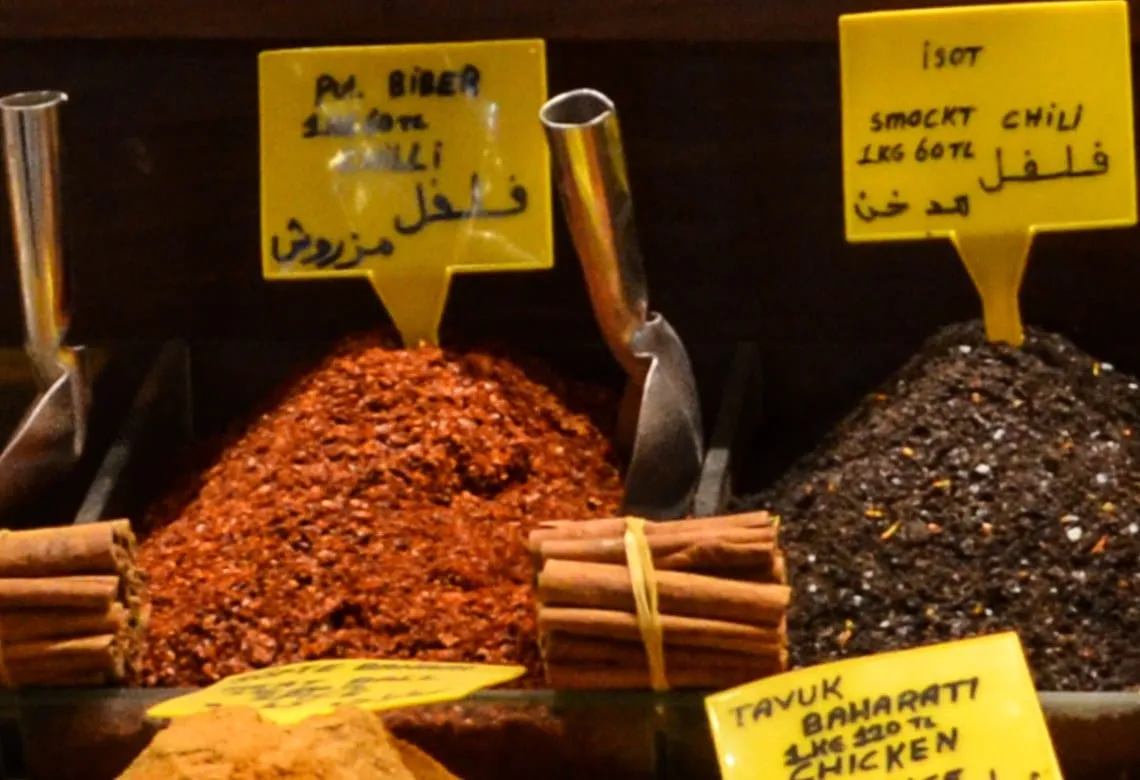
Pul means “flake” in Turkish. The same word covers a fish scale and a sequin, which tells you the shape: flat, thin, irregular flakes rather than powder. Powdered red pepper exists too and is labeled toz biber, but the flake is what sits on the table.
Buying pul biber in a Turkish supermarket, you choose between acı (hot) and tatlı (literally “sweet,” meaning mild). Both are made from ripe red peppers that are seeded, sun-dried, and crushed. The mild version works like a fruity paprika you can see and feel in the dish. The hot version is still gentler than crushed red pepper at an American pizzeria, with more flavor riding along with the heat.
This is the flake that lands on lentil soup, on rice, on eggs, and on anything grilled. At a kebab restaurant it sits next to the sumac so you can dress your raw onions yourself.
Maraş biber: the benchmark red
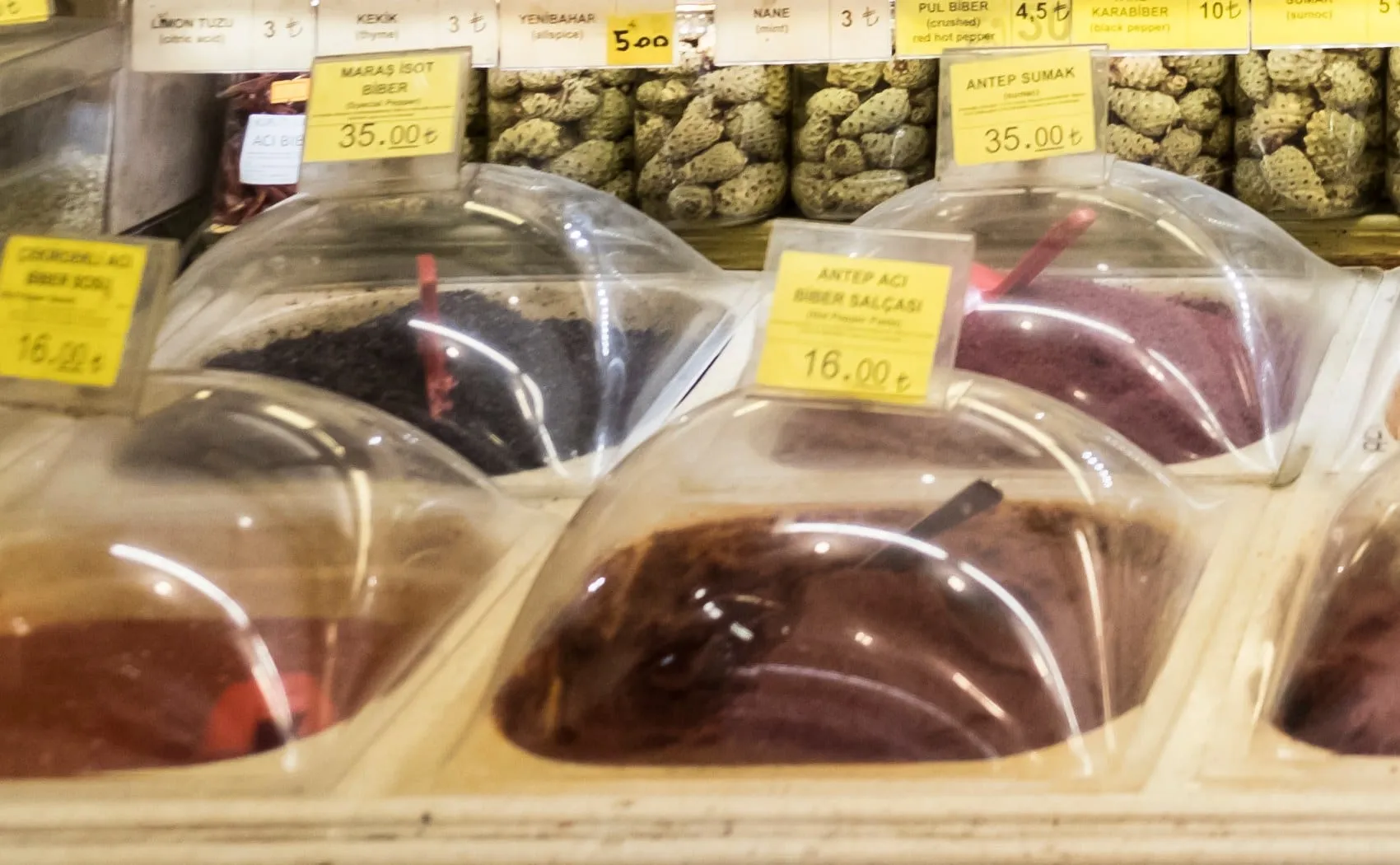
Kahramanmaraş, a city in Turkey’s southeast, anchors the country’s pepper belt along with Şanlıurfa and Gaziantep. Its pepper, Maraş biber, is what serious Turkish cooks usually mean when they say pul biber. The peppers are picked fully ripe, seeded, dried in the sun, and crushed coarsely. A little salt keeps the flakes from caking, and a small amount of oil is often worked in to protect the color, which is why good Maraş flakes feel faintly greasy and stain your fingertips.
The flavor is closer to sun-dried tomato than to raw chili: sweet, ripe, and rounded, with heat that shows up mid-bite and fades without scrubbing your palate. It survives cooking well, so it goes into stews, marinades, and sizzling butter as easily as it goes on top of finished food. If a Turkish recipe calls for pul biber with no further detail, Maraş is the safe reading.
Isot: dried by day, sweated by night
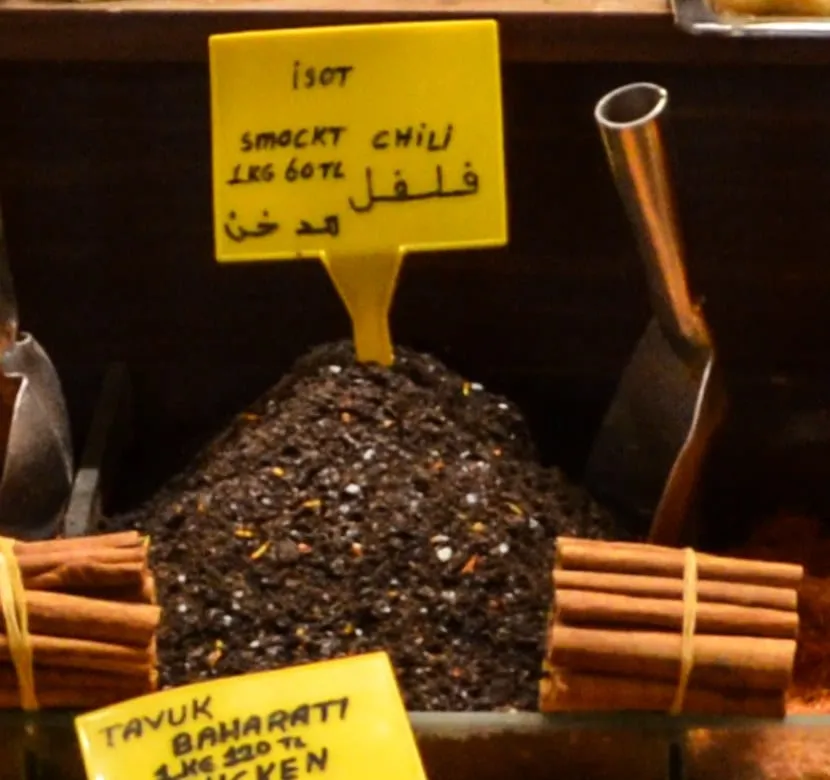
Isot is the outlier, and it is the one worth carrying home. It comes from Şanlıurfa, the southeastern city most Turks shorten to Urfa, which is why the same pepper sells abroad as Urfa biber. In Turkey, Urfa isot biberi carries a protected geographical indication, the same kind of legal protection that guards the name Champagne in France. The pepper starts out red. What makes it black is the process. Farmers slice and seed the peppers, then spread them in the sun for about a week. At night the peppers are covered and bagged so they steam in their own remaining moisture. Producers call this sweating. The trapped moisture and heat darken the flesh to a deep eggplant purple and rework the flavor entirely.
The result tastes smoky without any smoke: raisins, coffee grounds, dark chocolate, a bitter tobacco edge, and a low heat that arrives seconds after you swallow. The flakes stay moist and softly clumped, helped along by the salt and oil most producers add. The name is usually traced to an older Turkish phrase meaning “hot herb,” often given as ısı ot or issi ot; a written form is recorded from 1501, though the word’s exact history is not fully settled.
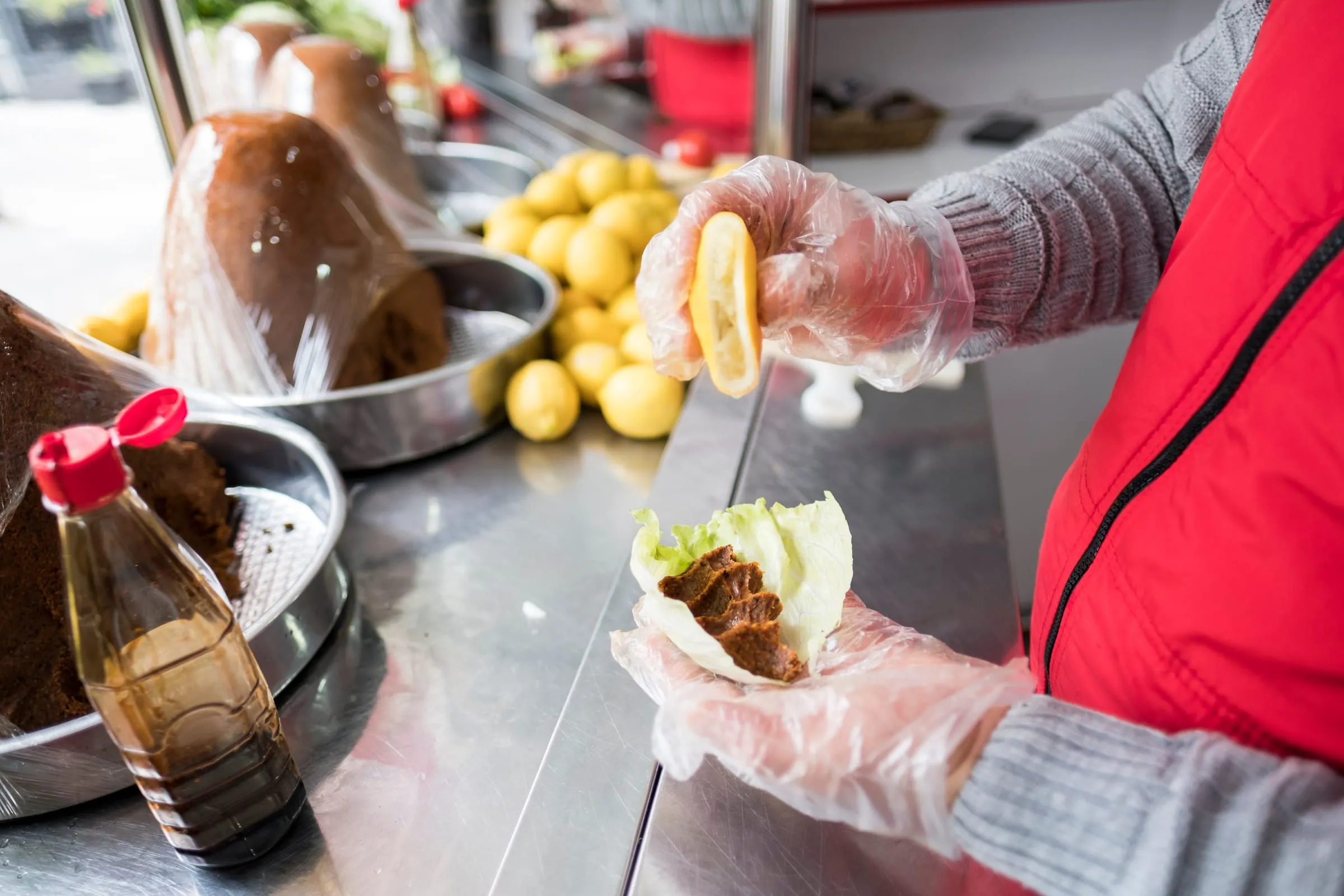
In its home region, isot is not a finishing flourish. It goes in by the handful. It is the defining spice of çiğ köfte, the bulgur-based raw kofte that Urfa and its neighbors gave the rest of Turkey, and it deepens meat dishes the way anchovy or cocoa deepens a ragu: felt, not named.
Where Aleppo pepper fits
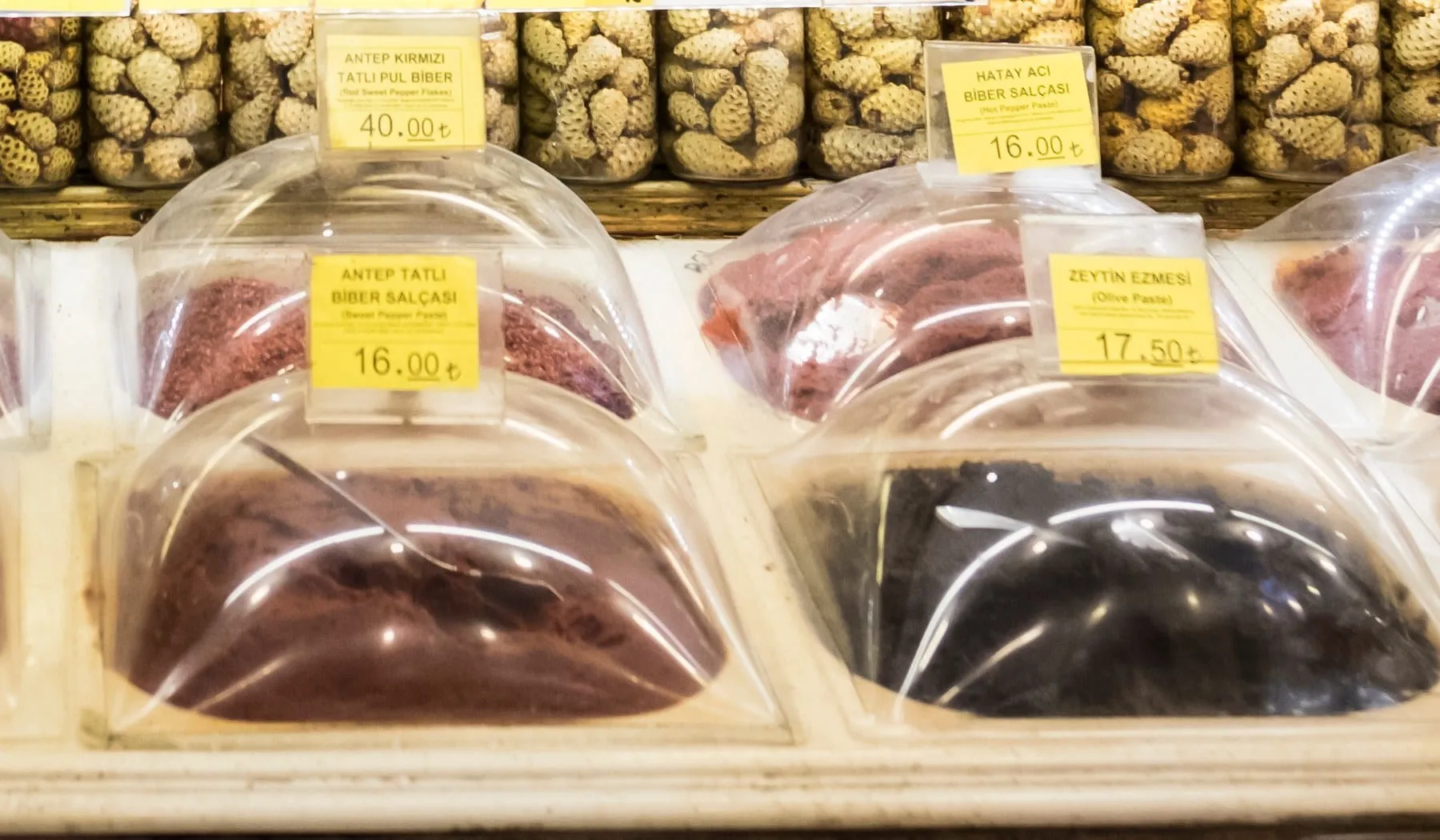
American recipes love Aleppo pepper, and the name causes real confusion at Turkish spice shops. Aleppo pepper is the Syrian branch of the same family, named for the city of Aleppo in Syria, just across the border in the same pepper-growing belt. It is prepared the same general way as Maraş biber: ripened, seeded, sun-dried, crushed, lightly salted and oiled.
Syria’s civil war, which began in 2011, wrecked the farms and supply chains around Aleppo. Demand did not disappear, so production shifted. Much of the Aleppo pepper on American shelves today is grown in Turkey, and some of it is simply Maraş or Gaziantep pepper under a more famous name. Cooks argue about which of the two is hotter, and published numbers point in both directions. They are close siblings, and either substitutes for the other. If your recipe calls for Aleppo pepper, buy Maraş in Istanbul and move on with your life.
How Turkish cooks actually use them
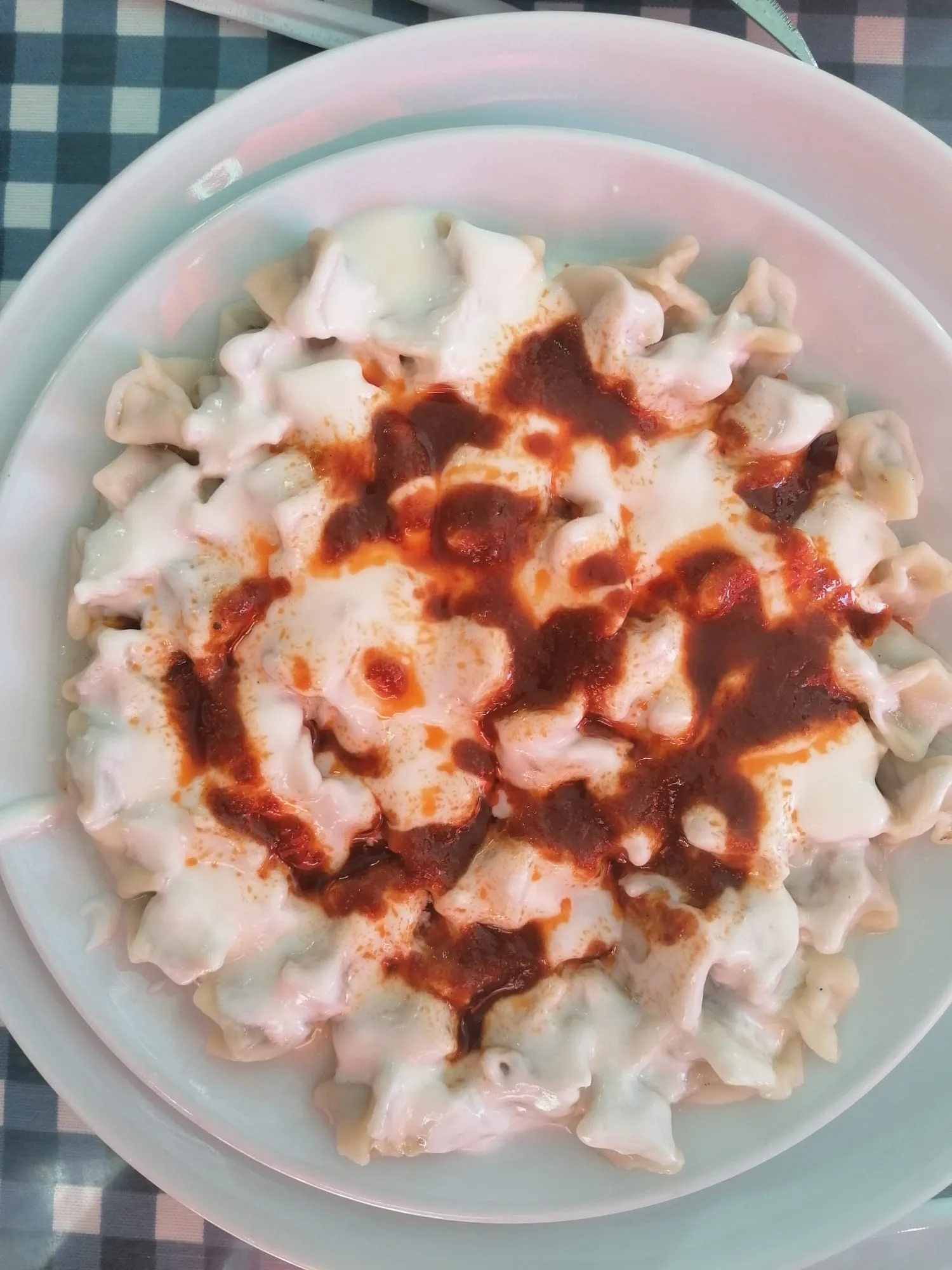
The single most Turkish move with pul biber is the butter bloom. Melt butter, add a generous pinch of flakes, let it foam and turn brick red for a few seconds, then spoon it over food. That red butter finishes mantı (Turkish dumplings), çılbır (poached eggs on garlicky yogurt), and half the soups in the country. Thirty seconds of work, and it is the difference between homemade and restaurant-grade.
Beyond the butter, each flake has its lane:
- Maraş or plain pul biber goes into cooking: stews, sautéed vegetables, marinades for chicken and fish, and table-side over soup, eggs, and pide. It is the backbone of ezme, the spicy chopped tomato and pepper salad served alongside kebabs.
- Isot shines where you want depth more than heat: rubbed into red meat before grilling, folded into muhammara alongside walnuts and pomegranate molasses, worked into the spiced topping of a good lahmacun, and, above all, kneaded into çiğ köfte.
- The two together cover almost everything. A common home trick is a pinch of each: Maraş for brightness and visible red, isot for the dark base note.
A rough rule: Maraş while the pan is hot, isot where the dish needs shadow, and either one at the table.
How to buy real isot at the Spice Bazaar
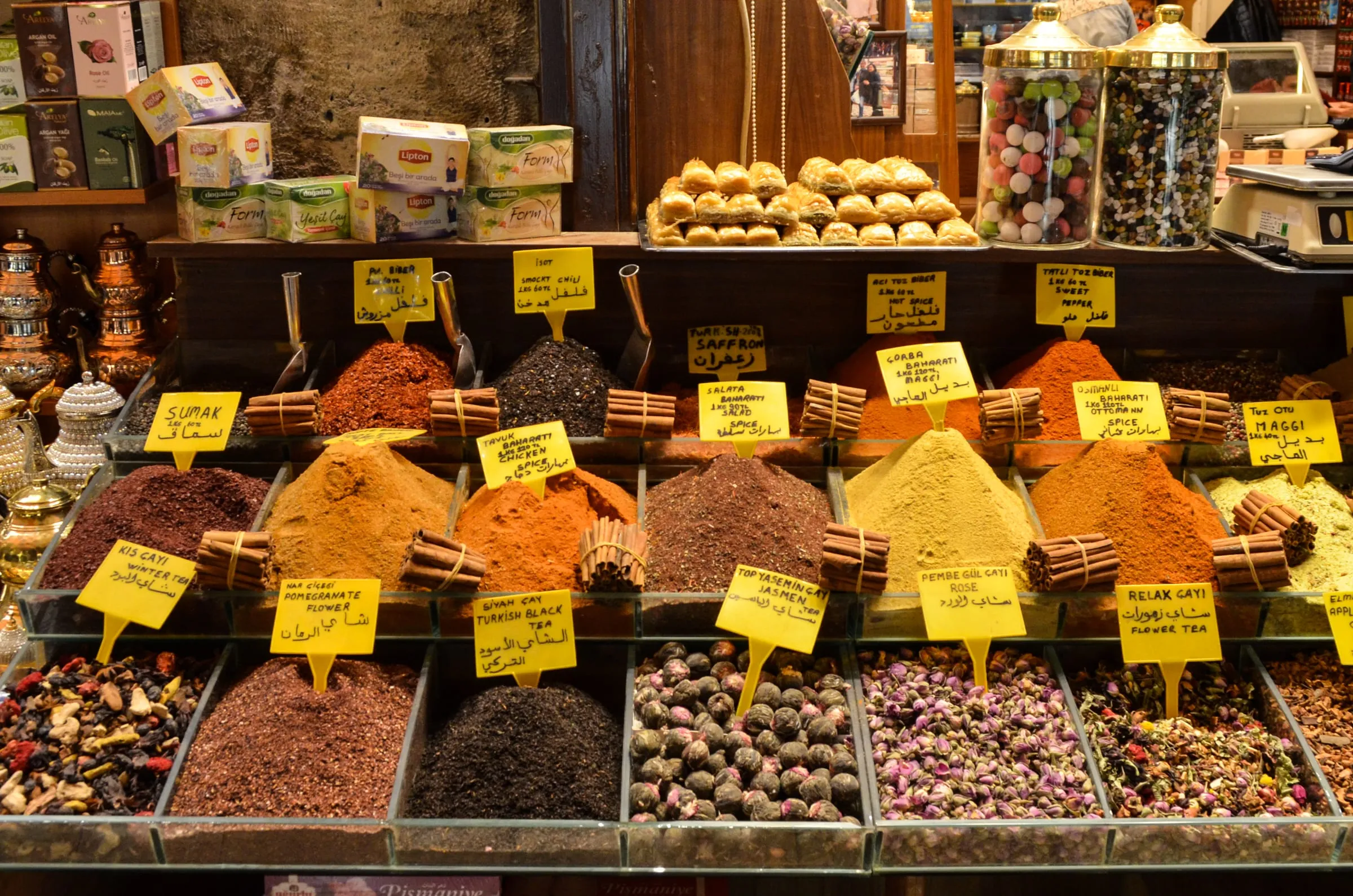
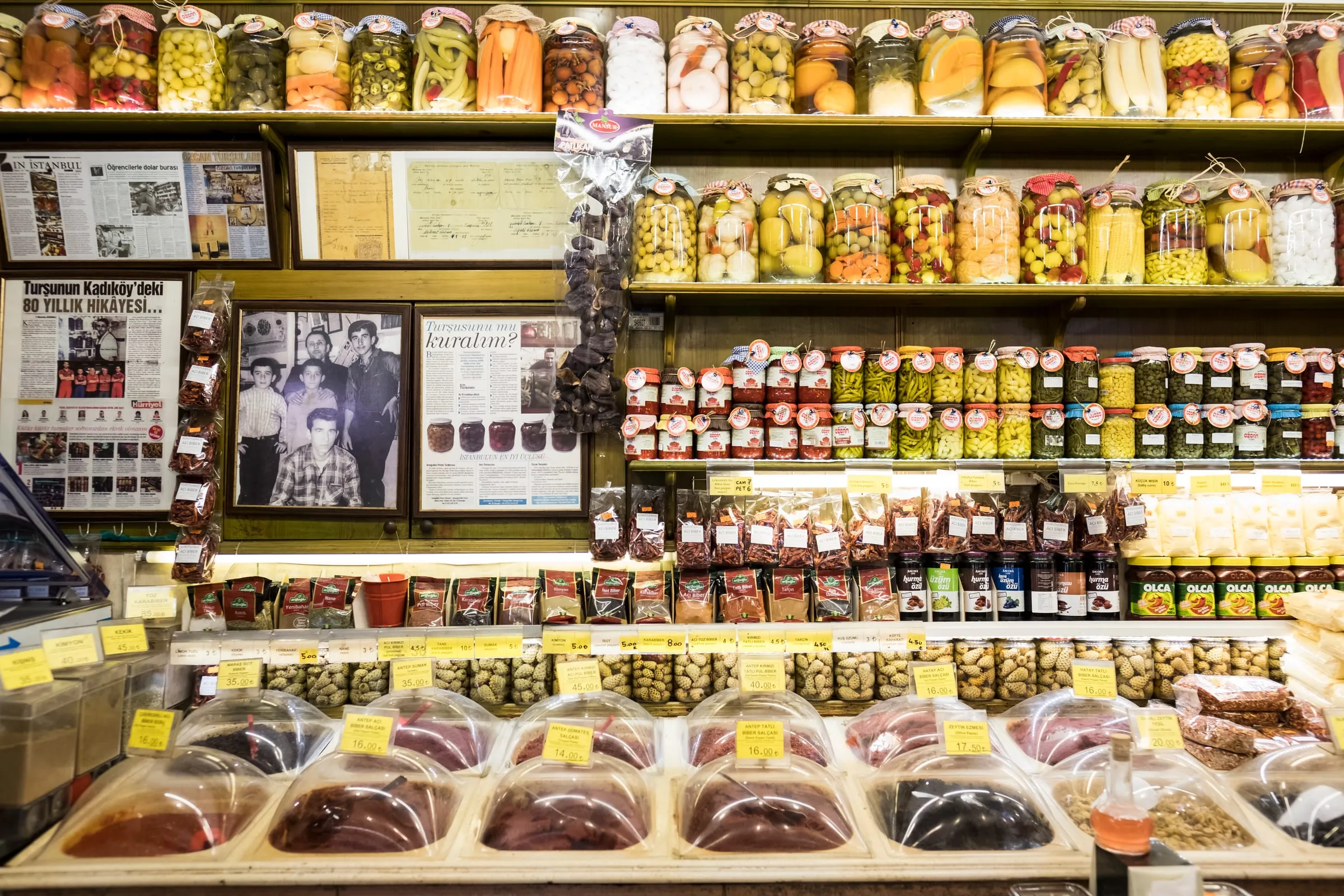
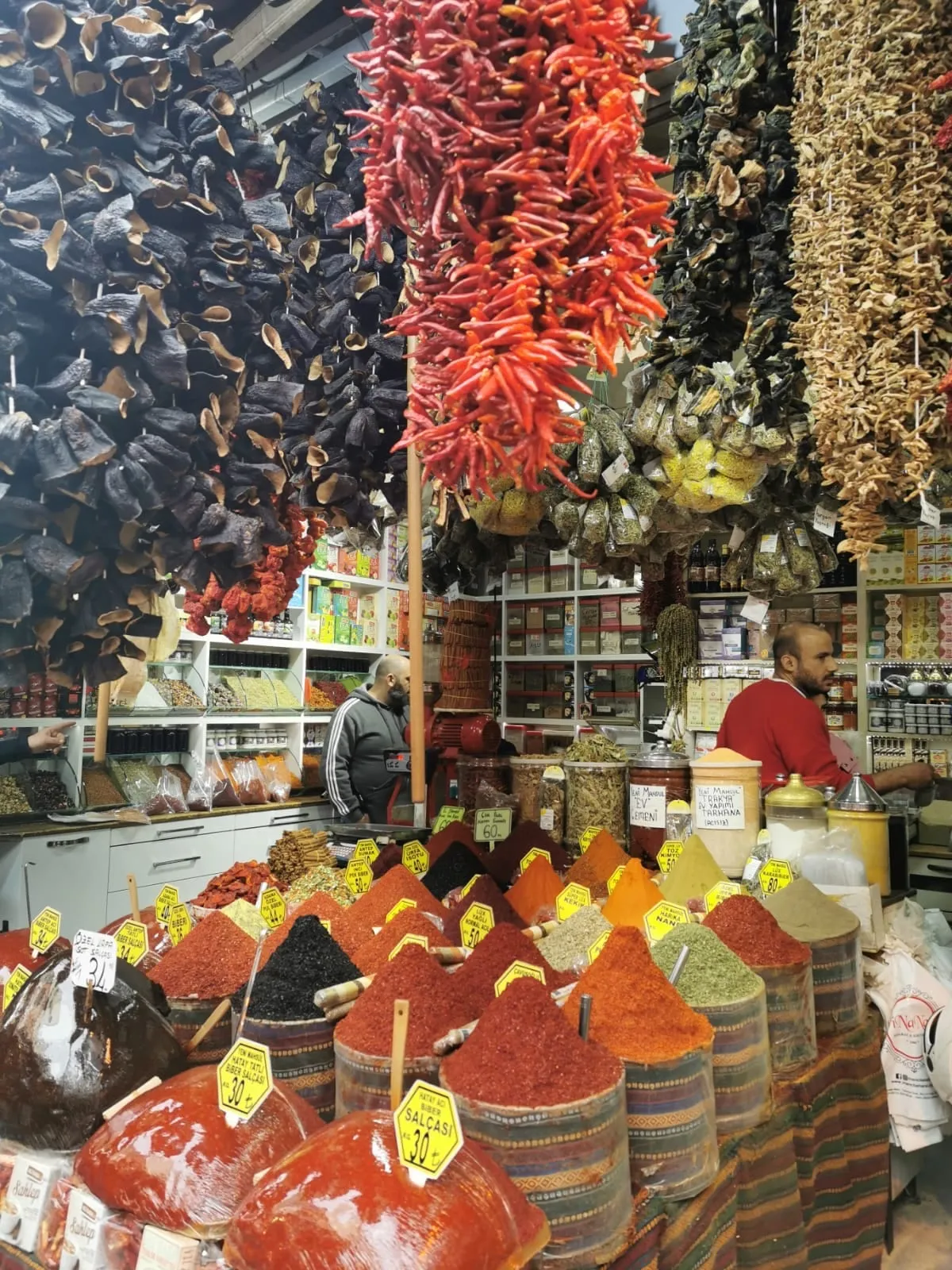
Istanbul’s Spice Bazaar in Eminönü, called Mısır Çarşısı, the Egyptian Bazaar, in Turkish, was completed in 1664 as part of the Yeni Cami complex next door, and rent from its shops maintained the mosque. The name is commonly linked both to revenue from Ottoman Egypt and to the Egyptian goods and spices once sold under its arches. It remains the most convenient place for a traveler to buy Turkish peppers, and the quality range inside is enormous, which makes a few buying signals worth memorizing. For everything else on those shelves, from double-roasted tea to lokum, there is a full guide to what to buy at the Spice Bazaar; this section is only about pepper.
- Look at the color. Real isot is a deep purple-black with a subtle reddish cast, like dried figs. Flat, uniform, coal black with no warmth to it deserves suspicion.
- Touch it. Good yağlı isot is moist and pliable and presses into soft clumps. Yağsız isot runs drier by nature, so judge it by aroma and taste instead. In either style, flakes that pour like dust and smell of nothing have aged out.
- Smell and taste. Any serious vendor will hand you a pinch. You want raisin and coffee on the nose and a slow warmth on the tongue. Dusty and flavorless means walk away.
- Ask yağlı or yağsız. Yağlı isot carries added oil, which keeps it soft and dark; yağsız is oil-free and drier. Yağlı is the traditional table style. Oil-free keeps longer in a suitcase.
- Mind the price logic. Isot takes weeks of labor, so it costs meaningfully more than plain pul biber. A price that seems too good usually is.
Industrially produced isot is widely available too, and quality varies a great deal. For a souvenir, taste before buying rather than judging by color alone.
The bazaar is convenient rather than cheap. Neighborhood spice shops, called aktar, sell the same peppers at local prices; the ones in Kadıköy’s market streets on the Asian side are favorites of home cooks. And if you want to taste what these flakes do in real dishes before you commit to a bag, that is half the point of a good Istanbul food tour.
FAQ
Is isot smoked?
No. The smoky taste comes from sweating, a step where sun-dried peppers are wrapped and bagged so they steam in their own moisture. The process darkens the flesh and builds the raisin, coffee, and tobacco notes. No smoke is involved at any point.
Is pul biber the same as Aleppo pepper?
Not exactly. Pul biber is the Turkish category for crushed red pepper flakes; Aleppo pepper is one particular regional style within that family. English-language shops use the names loosely, and since the Syrian war most Aleppo pepper on the market is grown in Turkey anyway. If a recipe calls for Aleppo pepper, Maraş biber is the reliable one-for-one substitute.
What is a good substitute for isot?
Maraş or Aleppo flakes get you the texture and gentle heat. To fake the dark side, add a small pinch of smoked paprika or a scrape of unsweetened cocoa. Nothing fully replicates the sweated flavor, which is exactly why isot makes a good suitcase spice.
How hot are Turkish pepper flakes?
It varies more than any single chart admits: pepper variety, seed content, and producer all move the needle. Tatlı pul biber is barely warm, Maraş sits at a friendly mid-level, and isot usually burns low and late, but acı pul biber and some isot batches carry real heat. Taste a small pinch before you commit a spoonful.
Where should I buy them in Istanbul?
The Spice Bazaar in Eminönü is the easy option; taste before buying and ask for vacuum sealing. Neighborhood aktar shops, especially in Kadıköy’s market streets, sell the same quality at lower prices. Supermarkets carry decent everyday pul biber, and mediocre isot.