Food Allergies in Istanbul: What to Ask Before You Order
Turkish allergen words, hidden ingredients, shared-equipment questions, and practical preparation for eating in Istanbul with a food allergy.
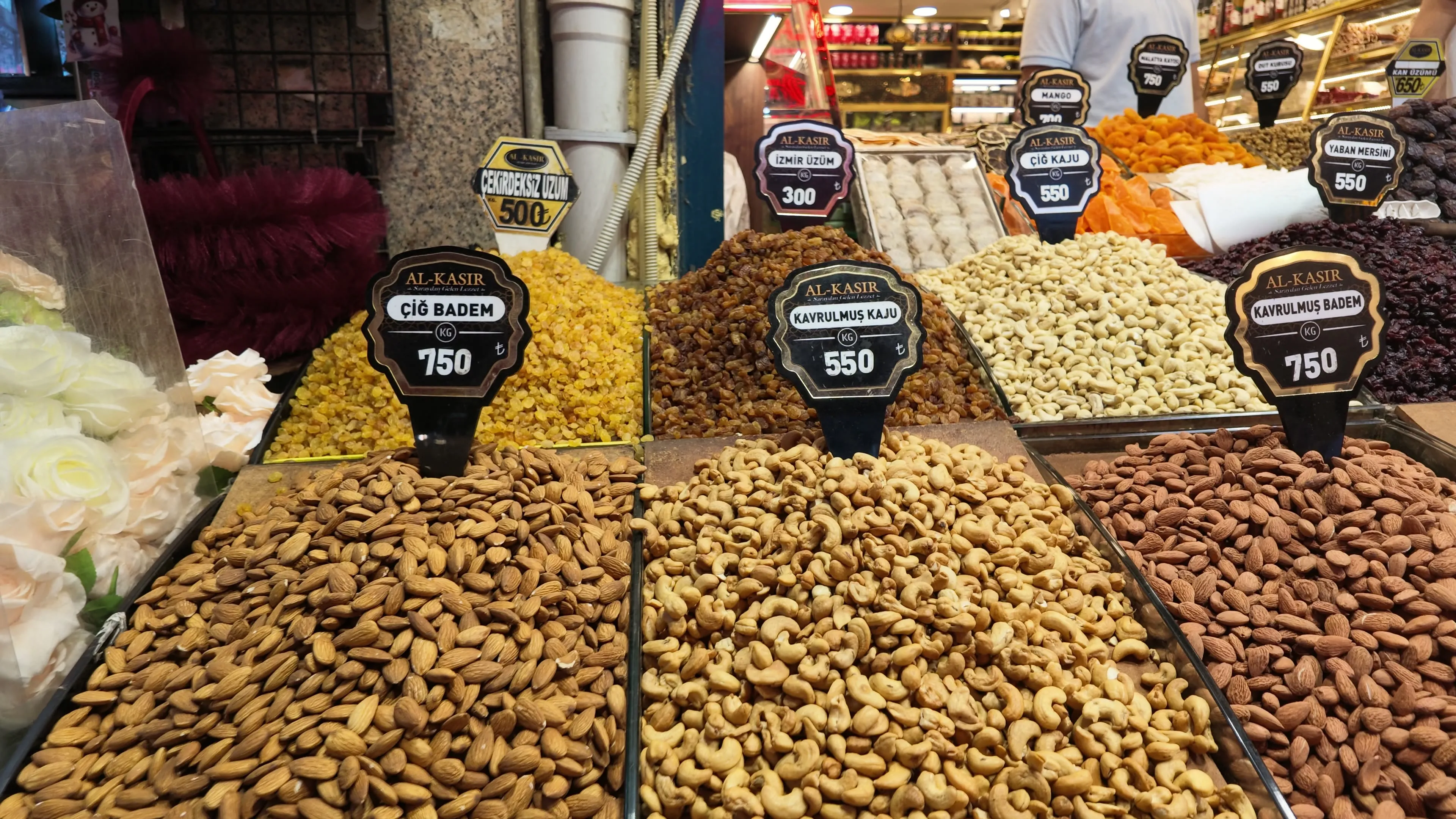
Food allergies are easier to navigate in Istanbul when you know the questions to ask and can explain exactly what you need. Restaurant teams are usually willing to help, and the ingredients you cannot see are often the ones that matter.
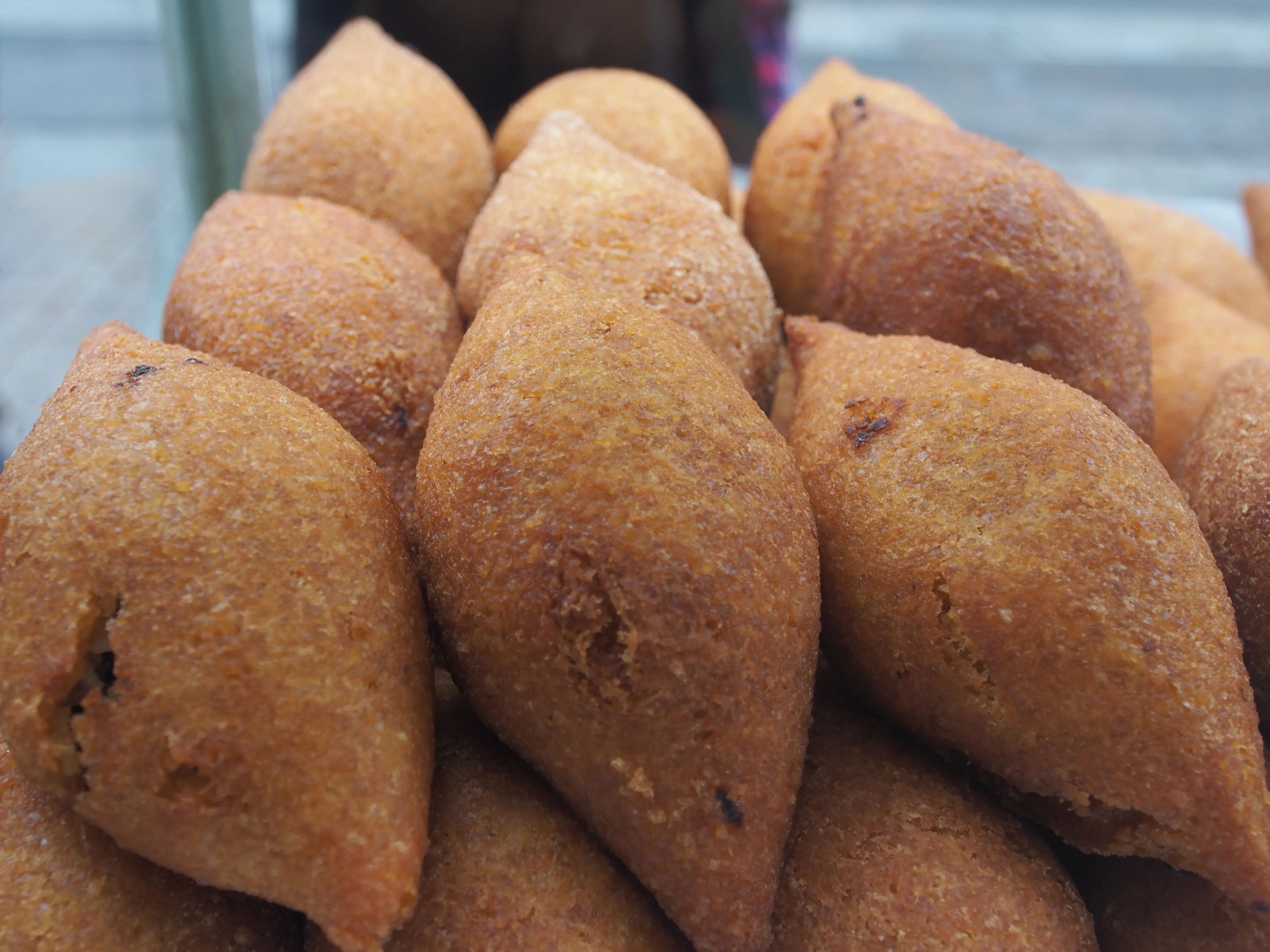
Pilav may contain butter and toasted wheat noodles. A meat-filled içli köfte may also contain walnuts. These details give you a useful starting point, but the kitchen still needs to confirm the exact recipe and preparation of the dish being served that day.
In our experience, food-allergy awareness was barely part of restaurant culture in Turkey, including Istanbul, until the early 2000s. That has changed. Most restaurants now recognize common allergies and are willing to help, although knowledge can vary between the dining room and the kitchen. Be specific about the ingredient and ask the staff to confirm it with the kitchen.
Prepare before you sit down
Have your specific allergens written in Turkish and English, including any precautions your clinician has given you about cross-contact. Keep a printed copy as well as an offline copy on your phone. A qualified translator should check a personalized medical card; the short phrases below are reading aids, not a complete or certified allergy card.
Contact a restaurant ahead of time when possible, then show the card again on arrival. Ask for someone who can check with the person preparing the food. A friendly response is welcome, but you need an answer about the actual ingredients and preparation.
Before traveling, review your allergy action plan with your clinician and check your prescribed medication supply. Keep emergency medication accessible when eating out, and make sure your companions know your plan. Save your accommodation address in Turkish and the emergency number, 112.
Ask about ingredients and shared equipment
The recipe is only part of the check. Allergen proteins can transfer through utensils, preparation surfaces, and food. FARE’s cross-contact guidance explains why cooking a food or removing a visible garnish does not make this problem disappear.
Ask the kitchen:
- What is in the dish, including the stock, marinade, sauce, garnish, and any packaged ingredients?
- Does it share a grill, fryer, toaster, cutting board, or serving utensils with food containing your allergen?
- How would your meal be prepared and served separately from those foods?
- Can the person cooking it check those details before you order?
An open kitchen or a quiet dining room does not establish that a meal is suitable. Neither does a restaurant’s familiarity with tourists. If the answer is a guess, stop there. Do not try a small bite to find out.
Hidden ingredients worth asking about
These are examples from Turkish recipes, not fixed formulas or a list of every possible allergen.
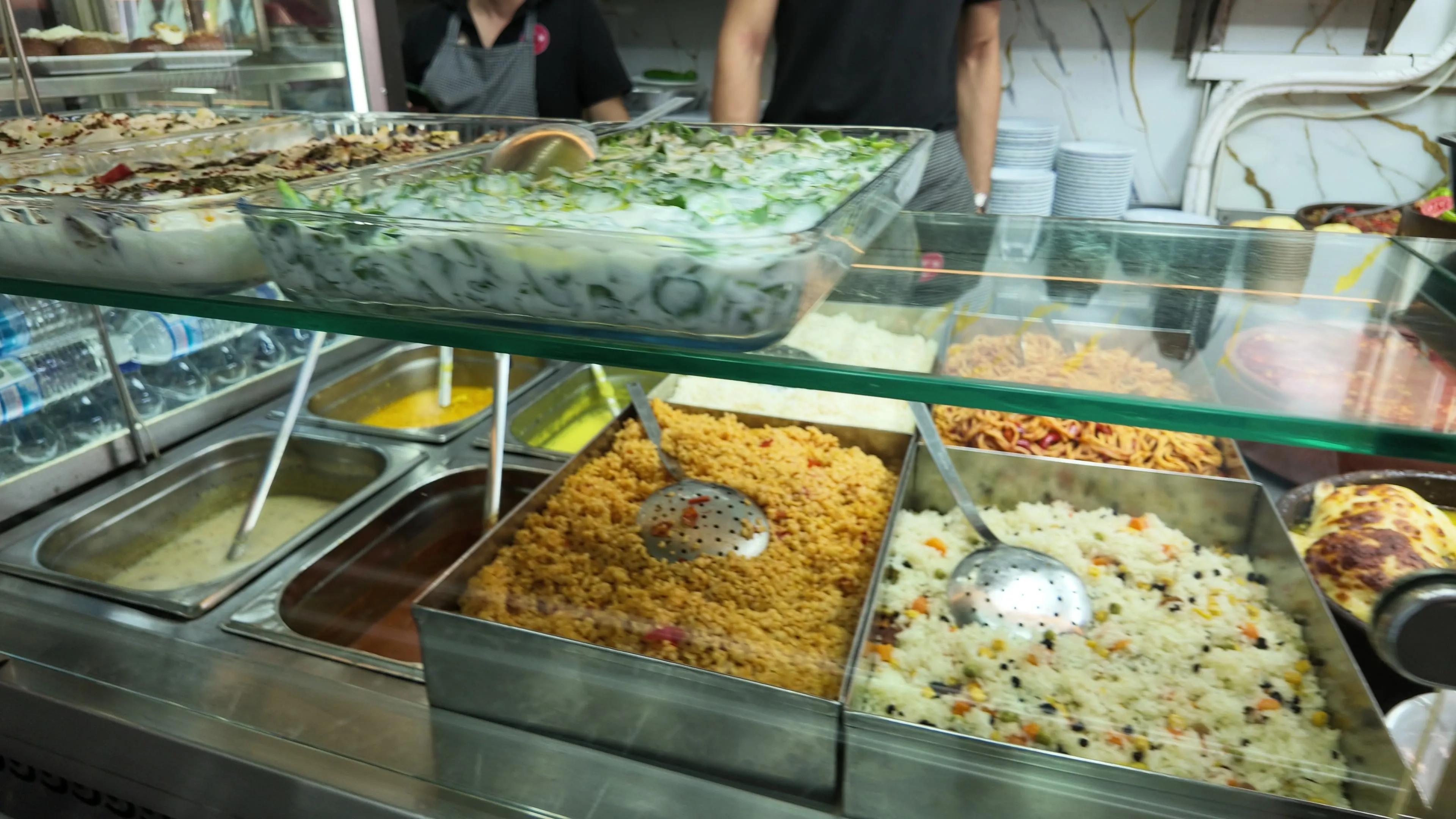
Rice pilaf: ask about butter, stock ingredients, and şehriye, the small wheat pasta sometimes cooked with the rice. A bowl of white rice is not necessarily just rice and water.
Tarhana soup: the dried soup base can already contain yogurt and wheat flour. Asking for the bowl without a butter topping would not remove ingredients in the base.
İçli köfte: the shell is commonly made with bulgur. Gaziantep’s registered version includes walnuts and pistachios; other recipes vary. Flour and clarified butter can also appear, so check the filling as carefully as the outside.
Menemen and other egg dishes: eggs are obvious; added milk, butter, or cheese may be less so. Even a menu’s plain or classic version needs an ingredient check.
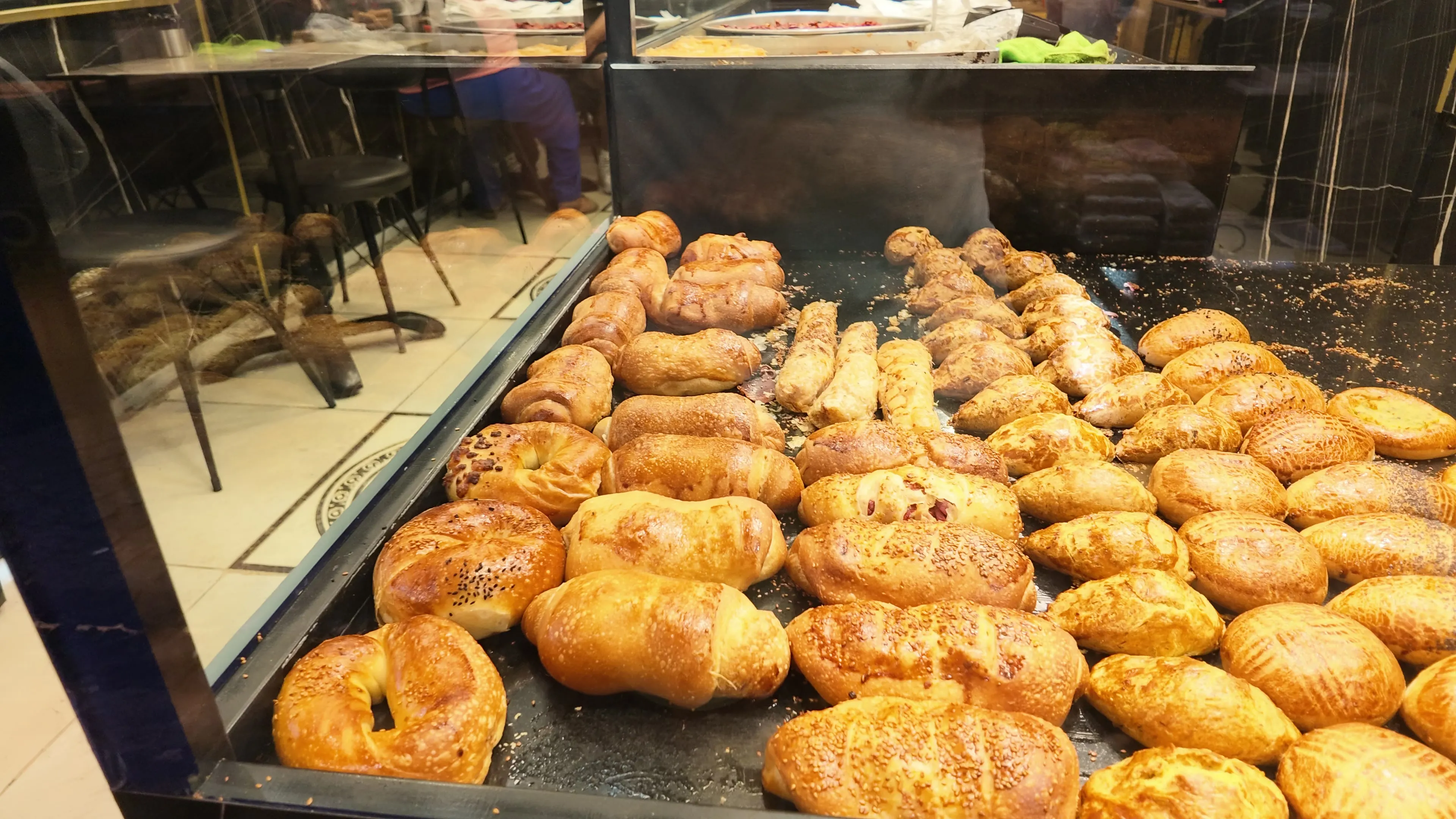
Bread, pastries, and sweets: sesame, dairy, eggs, and nuts may appear in doughs, fillings, coatings, and toppings. A dessert without a visible nut garnish has not been shown to be nut-free. Ask about the tray, knife, and serving tongs as well.
At a breakfast buffet or a shared meze table, utensils and food move between dishes. Discuss that serving arrangement, not just the menu description. Ordering a separate portion only helps if the kitchen can also address preparation and handling.
Useful Turkish allergen words
Use the exact ingredient name. In particular, yer fıstığı is peanut and Antep fıstığı is pistachio. Do not shorten either to fıstık on your allergy card.
| English | Turkish |
|---|---|
| Peanut | Yer fıstığı |
| Pistachio | Antep fıstığı |
| Hazelnut; walnut | Fındık; ceviz |
| Almond; cashew | Badem; kaju |
| Sesame; tahini | Susam; tahin |
| Milk; butter | Süt; tereyağı |
| Yogurt; cream | Yoğurt; krema |
| Egg | Yumurta |
| Wheat; bulgur | Buğday; bulgur |
| Fish | Balık |
| Shrimp; mussel | Karides; midye |
| Soy; celery | Soya fasulyesi; kereviz |
| Mustard; lupin | Hardal; acı bakla |
| Sulfur dioxide and sulfites | Kükürt dioksit ve sülfitler |
This vocabulary is not an exhaustive medical list. Have every allergen relevant to you included on your own card.
| Turkish phrase | Meaning |
|---|---|
| Gıda alerjim var. | I have a food allergy. |
| Yer fıstığına alerjim var. | I am allergic to peanuts. |
| Antep fıstığına alerjim var. | I am allergic to pistachios. |
| Süte alerjim var. | I am allergic to milk. |
| Susama alerjim var. | I am allergic to sesame. |
| Bu yemeğin içinde neler olduğunu mutfağa sorup kontrol eder misiniz? | Could you ask the kitchen and check what is in this dish? |
| Bu yemek, alerjim olan yiyeceklerle aynı yağda mı pişiriliyor ya da aynı ızgara, tava veya mutfak gereçleriyle mi hazırlanıyor? | Is this dish cooked in the same oil, or prepared using the same grill, pan, or utensils, as foods I am allergic to? |
Say that you have an allergy rather than describing it as a preference. Milk allergy and lactose intolerance are different: lactose-free milk is not suitable for milk-protein allergy. Likewise, a vegan label does not answer questions about nuts, sesame, wheat, or shared equipment. Our vegetarian and vegan guide is about dietary choices, not allergy clearance.
What allergen information should be available?
Turkey requires food-service businesses to provide information about 14 specified allergen categories. The Agriculture Ministry’s guidance says this information can appear on menus, boards, or posters. The requirement has applied since January 2020 and includes mobile food-service counters.
Ask for alerjen bilgisi, allergen information. Check which marked ingredients belong to your chosen dish, then discuss cross-contact separately. A poster listing allergens in general does not tell you everything about a specific meal, and the regulated categories do not cover every possible food allergy.
Read packaged-food ingredient lists too. İçindekiler means ingredients; içerir means contains; içerebilir means may contain. Follow your clinician’s advice about precautionary warnings. An absent warning is not a substitute for the checks you need.
If a serious reaction occurs
The NHS food-allergy guidance explains emergency symptoms and the use of prescribed emergency medication. In Turkey, 112 is the emergency number for ambulance help. Keep your location ready and ask someone nearby to help communicate if needed.
Food allergies and Yummy Istanbul tours
Our official tour FAQ states that our tours are not suitable for severe nut allergies because traces of nuts may be present in preparation areas at the stops. Please take that limitation seriously. For other allergies, contact us with the exact details before booking; an alternative tasting or a conversation with our team is not a guarantee against allergen exposure.